

Tile vs. Acrylic Showers: Which One Is Really Worth Your Money?
/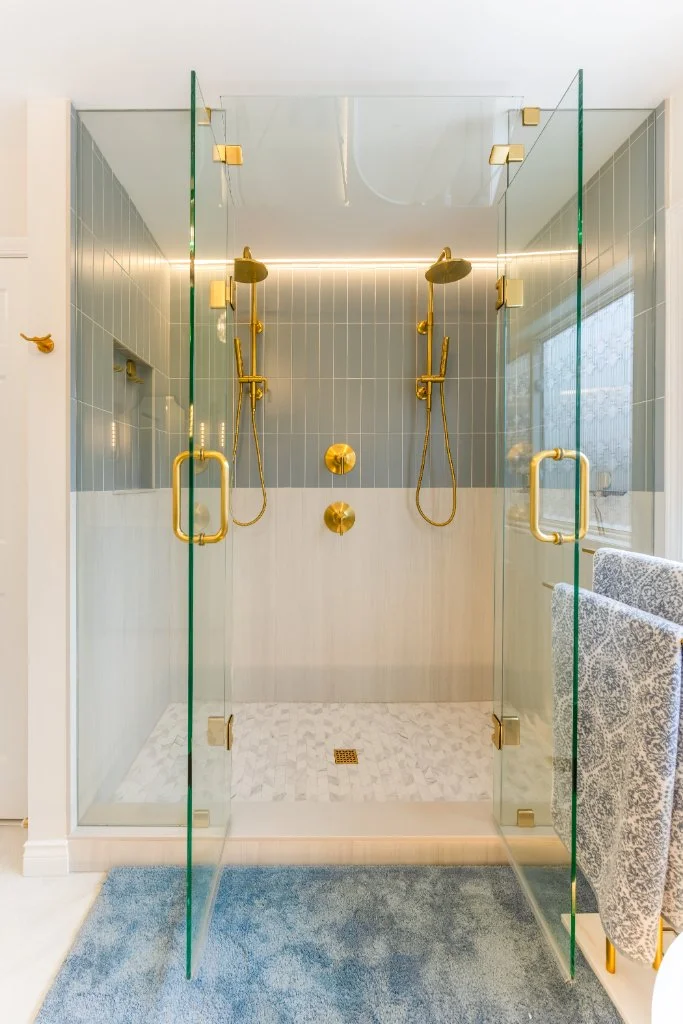
If you're planning a bathroom renovation, chances are you've already asked yourself one of the biggest questions homeowners face:
Should I install a tiled shower or go with an acrylic surround?
If you've searched online, you've probably found dozens of articles comparing the two. Most of them present tile and acrylic as though they're equal options, with the choice coming down to your budget or personal taste.
After nearly 36 years of renovating bathrooms, I see things a little differently.
That's not to say acrylic surrounds don't have their place—they absolutely do, and we'll talk about that later in this article. But if a client asks me what I would install in my own home, or what I believe offers the best long-term value, my answer has remained remarkably consistent throughout my career.
I'd choose a professionally installed tile surround every single time.
In fact, I'm currently renovating my home that I'll be selling as soon as it's finished. Since I won't even be living there, you might assume I'd install an acrylic surround to save some money. After all, the next homeowner gets the benefit, not me.
But that's not what I'm doing.
I'm installing a white 4”x12” subway tile that cost $3.99 per square foot.
Why?
Because I genuinely believe it's the better product.
Not because it's trendy.
Not because it's the most expensive.
Because after decades of seeing bathrooms age, seeing what holds up well, and seeing what eventually needs to be replaced, it's the choice I would make every time.
People Don't Hate Tile—They Hate Old Grout
One of the biggest objections I hear is:
"I don't want tile because I don't want to clean grout."
I completely understand where that comes from.
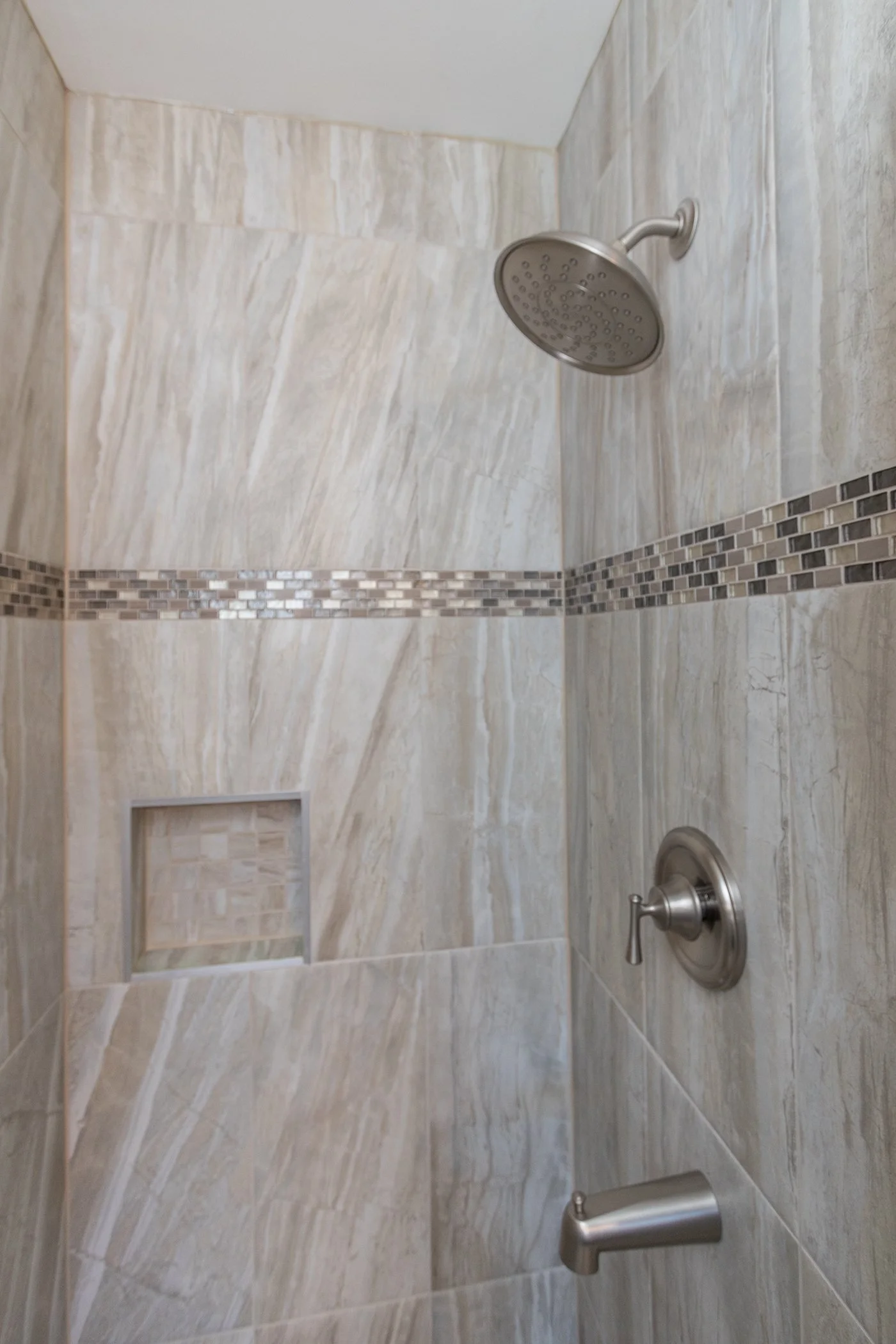
If your last experience with tile was twenty or thirty years ago, you're probably remembering narrow tiles with dozens of grout joints that stained easily and seemed impossible to keep looking clean.
The good news is that bathrooms have changed dramatically since then.
Today's tile installations often use much larger porcelain tiles, which means significantly fewer grout lines. Fewer grout joints don't just create a cleaner, more modern appearance—they also reduce the amount of grout that needs occasional cleaning.
Just as importantly, grout itself has come a long way.
All of the products we use today contain sealers right in the grout itself, making them highly resistant to water penetration and staining. Unlike older grouts that needed to be sealed yearly, many modern products are designed to stay looking great with very little maintenance.
So when someone tells me they don't like tile because of the grout, I usually smile and say:
"I don't think you dislike tile—I think you dislike old grout."
They're two very different things.
You Don't Need Expensive Tile to Build a Beautiful Bathroom
Another misconception I hear all the time is that choosing tile automatically means spending a fortune.
That simply isn't true.
Some homeowners apologize for falling in love with a simple white subway tile because they think it looks too plain or too inexpensive.
Honestly?
Some of the most beautiful bathrooms we've ever completed have featured classic white subway tile.
It's timeless.
It suits almost every decorating style.
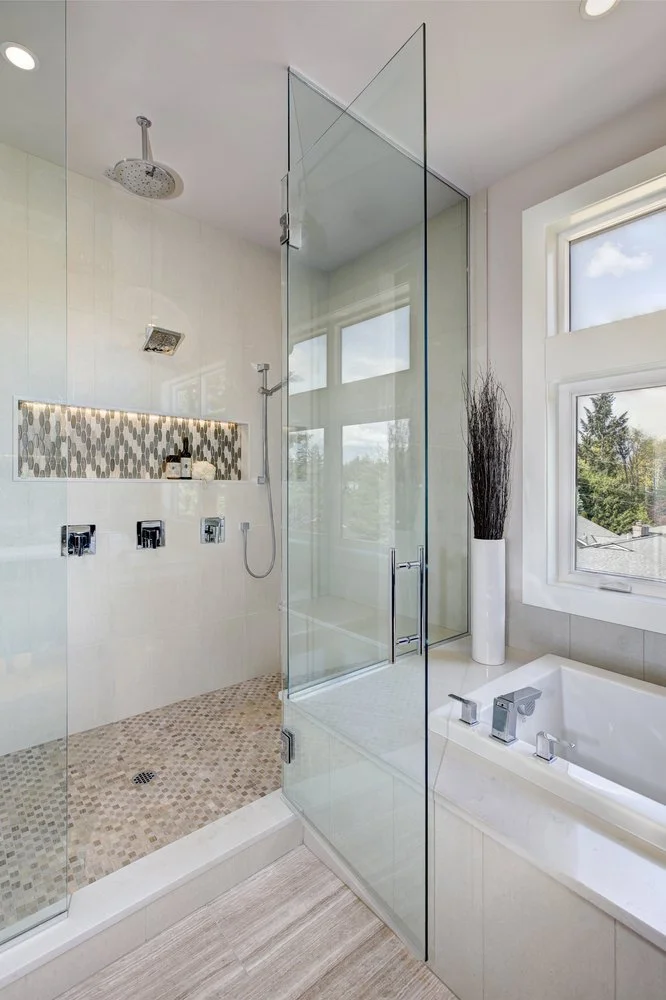
And when it's paired with a contrasting grout colour and quality fixtures, it creates a clean, elegant look that never really goes out of style.
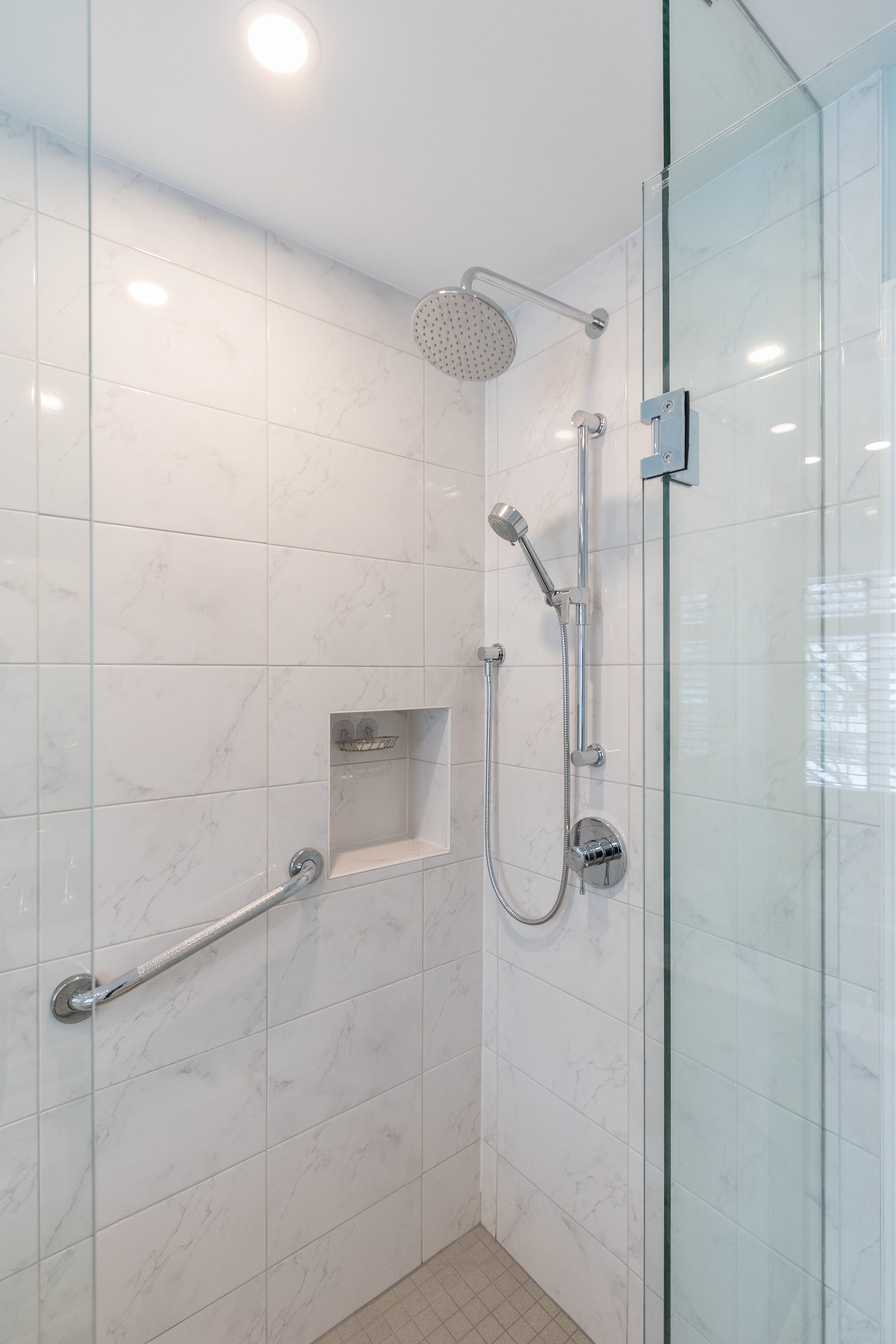
If your budget allows for just a little more, there are also beautiful porcelain tiles that mimic Carrara marble remarkably well. For only a few dollars more per square foot, you can achieve the look of natural stone without many of the maintenance concerns that come with real marble.
The point is this:
You don't need luxury-priced materials to create a bathroom that looks luxurious.
Good design and quality installation matter far more than choosing the most expensive tile in the showroom.
Choosing the right tile can feel overwhelming when you first walk into a showroom. From porcelain versus ceramic to tile size, finish, colour and layout, there are a lot of decisions to make. If you're just starting to explore your options, I've put together a comprehensive guide that walks you through everything you need to know before making your final selection: Your Ultimate Guide to Selecting the Perfect Tile.

Bathrooms Should Be Built for the Long Term
One of the things I've learned over the years is that homeowners almost never remember exactly what they spent on their renovation.
What they do remember is whether they still love it ten or fifteen years later.
Bathrooms are one of the most frequently used rooms in your home.
You don't just walk through them—you use them every single day.
When I help clients make decisions, I'm rarely thinking about how the bathroom will look on the day we finish the renovation.
I'm thinking about how it will look ten, fifteen or twenty years from now.
Will it still feel current?
Will it still function well?
Will it still be something you're proud to show guests?
Tile has an incredible ability to stand the test of time.
Styles change, of course, but a well-designed tiled shower rarely feels cheap or temporary. Even relatively simple designs continue to look attractive decades later.
That's one of the reasons I almost always recommend investing in tile if your budget allows.
Of course, tile does take longer to install than an acrylic surround. If you're wondering what actually happens during those extra days, I've broken down every stage of a bathroom renovation in my article, How Long a Bathroom Renovation Really Takes.
My Recommendation Isn't Based on Brochures—It's Based on Experience
Manufacturers will naturally tell you why their product is the best.
That's their job.
My opinion comes from something different.
It comes from nearly 36 years of walking into existing bathrooms, renovating them, repairing them, and sometimes completely gutting them.
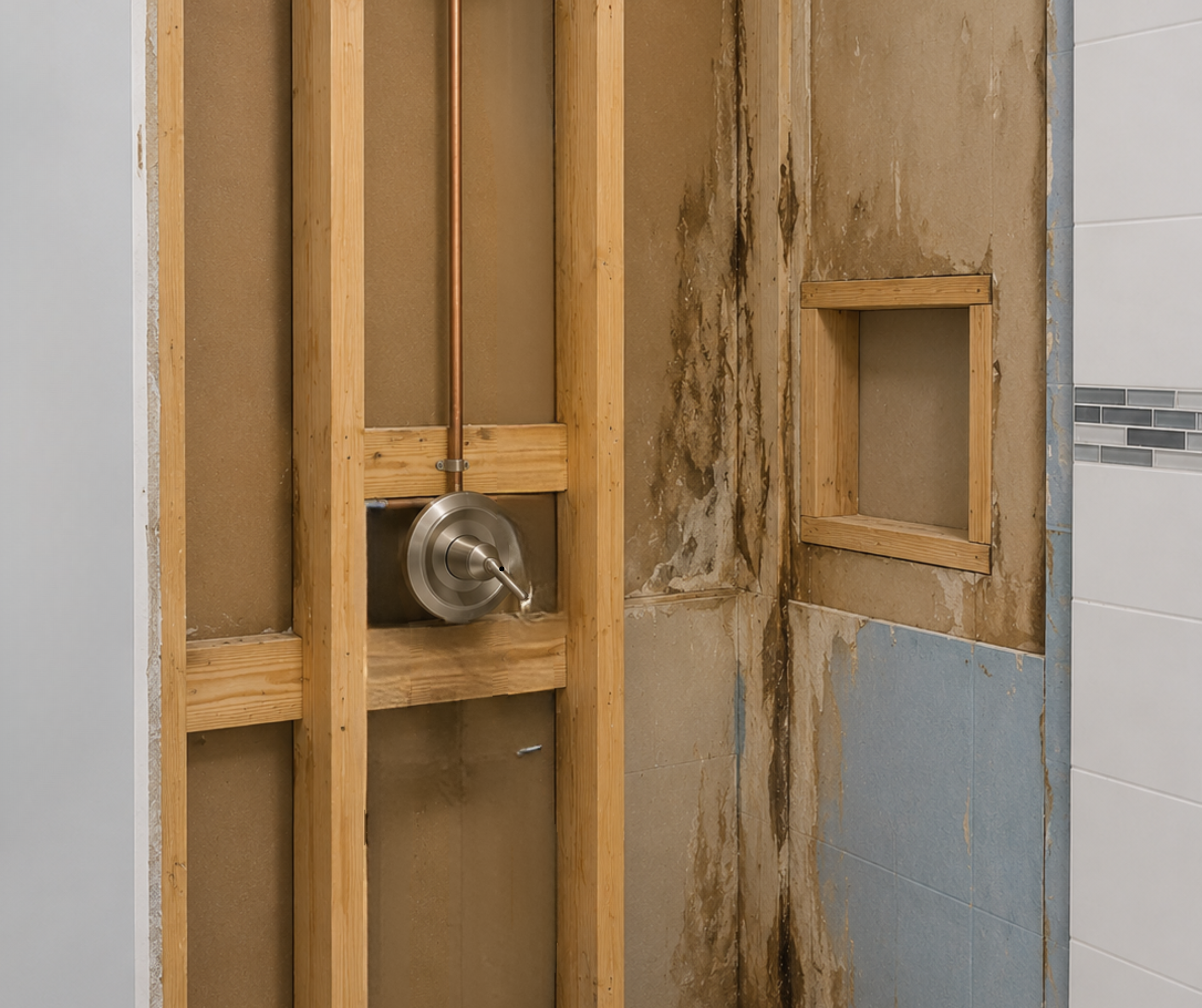
One of the biggest surprises for homeowners is what we discover once the walls are opened up. If you've ever wondered what actually hides behind the tile, drywall and fixtures in your bathroom—and why it matters so much during a renovation—I cover it in detail in my article, What's Behind Your Bathroom Walls?
I've seen bathrooms that were built exceptionally well.
I've also seen bathrooms where corners were cut, inexpensive materials were chosen, or decisions were made purely to save money.
Over time, you begin to notice patterns.
You remember which products tend to age gracefully.
You remember which bathrooms homeowners continue to love years later.
And you remember the conversations you have when someone says,
"I wish we'd done it differently the first time."
Those experiences shape the advice I give today.
They're also the reason I rarely recommend making a renovation decision based solely on today's price tag.
Thinking about renovating your bathroom? The decisions you make now—from your shower surround to your tile selection—will affect how your bathroom looks and performs for years to come. Taking the time to understand your options before you begin can help you avoid costly mistakes and create a space you'll love for decades.
Is Acrylic Ever the Better Choice?
At this point, you might be wondering if I think acrylic surrounds are a bad product.
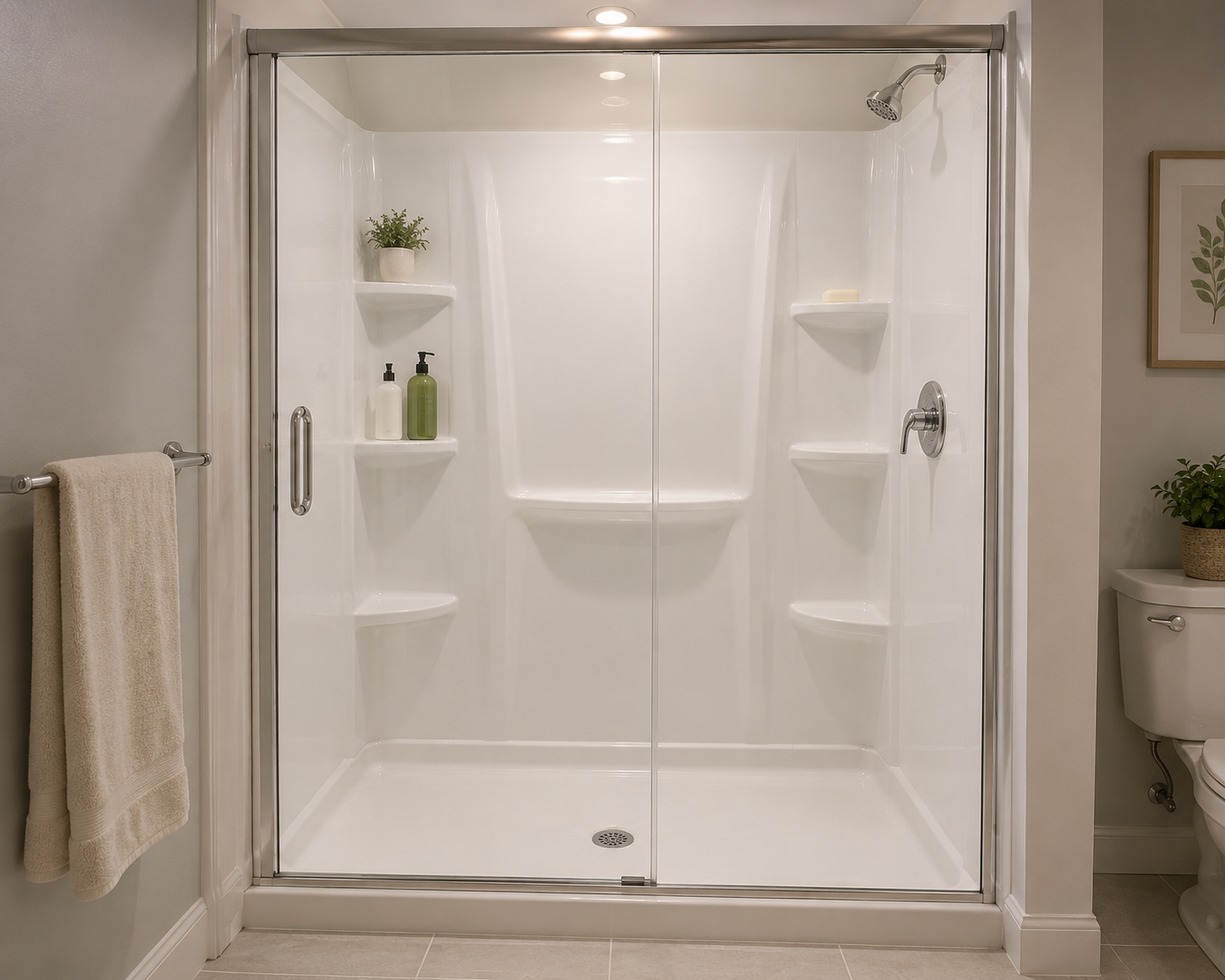
Not at all.
In fact, there are some very well-made acrylic systems on the market today.
They're attractive, they're easy to clean, and for some homeowners they can be exactly the right solution.
The key is understanding what you're buying.
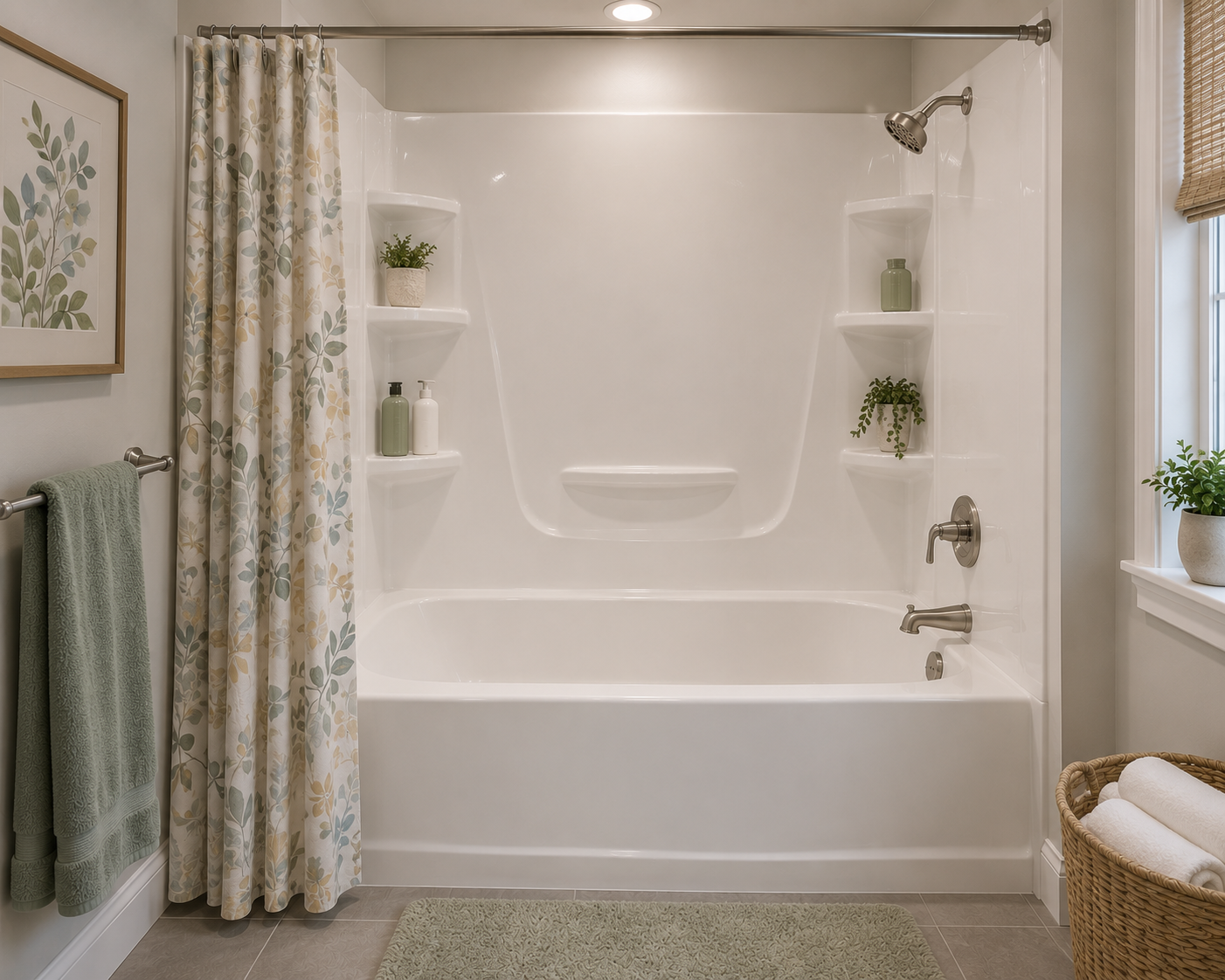
There is a significant difference between an entry-level acrylic surround and a premium one. Better-quality products are thicker, stronger, and generally have a more refined appearance.
The challenge is that as you move into those higher-quality acrylic systems, the cost difference between acrylic and a professionally installed tiled surround often becomes much smaller than many homeowners expect.
That's usually the point where I ask my clients a simple question:
"If the price difference isn't as large as you thought, would you rather have a premium acrylic surround... or a beautiful tiled shower that can be customized to your space?"
More often than not, the answer becomes pretty clear.
What I've Seen After Nearly 36 Years
One of the advantages of being in this industry for a long time is that you don't just get to see new bathrooms.
You also get to see what happens years later.
You see which renovations still look fantastic after twenty years.
You see which products have aged well.
And you see the ones homeowners wish they had chosen differently.
I honestly couldn't tell you how many acrylic surrounds we've removed over the years, but it's been a lot.
Some had cracked.
Some had become dull or discoloured.
Others were simply outdated, and the homeowners wanted something that looked more custom and added more value to their home.
Does that mean every acrylic surround will fail?
Of course not.
There are excellent acrylic products on the market today, and many will provide years of reliable service.
But based on what I've personally seen over nearly four decades, I simply have more confidence in a professionally installed tiled surround when the goal is to build a bathroom that's meant to last.
One Damaged Tile Doesn't Mean Replacing the Entire Shower
Here's something many homeowners don't think about until years later.
What happens if something gets damaged?
Maybe a heavy shampoo bottle chips a tile.
Perhaps something falls during another renovation.
Or maybe, years down the road, a plumbing repair requires access to part of the wall.
With tile, there's often a good chance that an individual tile—or a small section—can be repaired or replaced, particularly if you've kept a few spare tiles after the renovation.
With acrylic, repairs can be much more challenging.
A scratch may be polished.
A minor blemish might be improved.
But if a panel develops a significant crack, there's often no invisible repair. Depending on the product and its age, replacing the entire panel—or even the entire surround—may be the most practical solution.
Again, that's not a criticism of acrylic.
It's simply one of the differences homeowners should understand before making their decision.
Your Bathroom Shouldn't Look "Dated" in Ten Years
One of my favourite parts of a renovation is helping clients choose finishes they'll still love years from now.
Bathrooms aren't inexpensive.
Most people renovate one only once or twice during the time they own their home.
That's why I encourage clients to think beyond today's trends.
A classic tiled shower has a timeless quality to it.
Whether it's a simple white subway tile, a large-format porcelain, or a marble-look tile, it has a finished, custom appearance that rarely goes out of style.
In fact, some of the bathrooms we completed many years ago still look surprisingly current because the homeowners chose classic materials instead of chasing every new trend.
That's another reason I continue to recommend tile.
Not because it's flashy.
Because it has proven it can stand the test of time.
What About Resale Value?
Every renovation should first make your home more enjoyable to live in.
Resale value is important, but it shouldn't be the only reason you make decisions.
That said, buyers notice bathrooms.
A well-designed tiled shower often creates the impression of a custom renovation.
It tells buyers that care and attention went into the space.
That doesn't mean a home with an acrylic surround won't sell.
Far from it.
A clean, well-maintained bathroom is always more appealing than one that's tired or damaged.
But if two otherwise similar homes are competing for buyers, a thoughtfully designed tiled shower often helps create that "wow" factor people remember after they've left the showing.
When I Do Recommend Acrylic
After everything you've read so far, you might think I never recommend acrylic.
That's not true.
There are situations where I believe it's the right choice.
For example, if someone's existing shower is leaking and causing water damage, but their budget simply won't allow for a full custom tile renovation, I'd much rather see them install a quality acrylic surround than leave the problem unresolved.
If someone is planning to move in the very near future and needs a practical, cost-effective solution, acrylic can also make good sense.
Rental properties can sometimes fall into this category as well, depending on the owner's priorities and budget.
The important thing is understanding that every renovation is different.
My job has never been to sell the most expensive option.
It's to help homeowners make the best decision for their situation.
Sometimes that's tile.
Occasionally it's acrylic.
The difference is making that choice with realistic expectations rather than marketing promises.
The Advice I'd Give My Own Family
People often ask me,
"What would you do if this were your bathroom?"
I love that question because the answer is easy.
I'd recommend exactly the same thing I would recommend to my own family.
If the budget allows, I'd choose a professionally installed tiled surround every single time.
Not because acrylic is a bad product.
Not because tile is fashionable.
But because, after nearly 36 years of renovating bathrooms, it's the product I've come to trust the most.
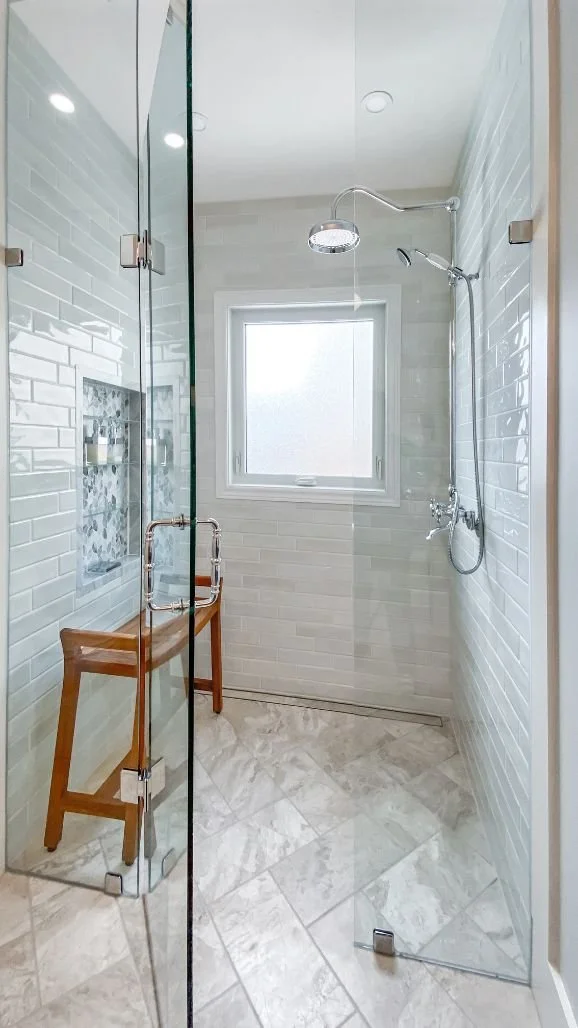
It offers incredible design flexibility.
It can be surprisingly affordable.
Modern grout products have solved many of the maintenance complaints homeowners remember from years ago.
And when it's installed properly, it has the potential to serve your family beautifully for decades.
Final Thoughts
If you've read this far, you've probably guessed where I stand.
I believe tile is almost always the better long-term investment.
That doesn't mean acrylic doesn't have a place.
It does.
There are homeowners, budgets, timelines and situations where it's exactly the right solution.
But if you're asking what I would recommend to someone planning a bathroom they'll enjoy for many years...
Or what I'd install in my own home...
Or even what I'm installing in a house that I'm renovating for someone else...
My answer is still the same.
Tile.
Not because it's the most expensive option.
Not because it's what everyone else is doing.
Because after almost four decades of seeing bathrooms at every stage of their life—from brand-new renovations to complete tear-outs—I've learned that investing in quality materials and quality craftsmanship almost always pays off in the long run.
And if there's one piece of advice I'd leave you with, it's this:
Don't choose your shower surround based solely on today's price. Choose the one you'll still be happy to step into every morning ten or twenty years from now.
Planning a bathroom renovation? We'd love to help. At Multi Trade Building Services, we've been helping homeowners create beautiful, functional bathrooms for nearly 36 years. Whether you're still weighing your options or you're ready to start planning, we'll guide you through the process with honest advice, quality craftsmanship, and a renovation designed to stand the test of time. Contact us today to schedule your free, no-obligation consultation.

Planning a bathroom renovation? Explore more of our bathroom renovation articles for practical advice, design ideas and expert tips to help you make informed decisions before your project begins.
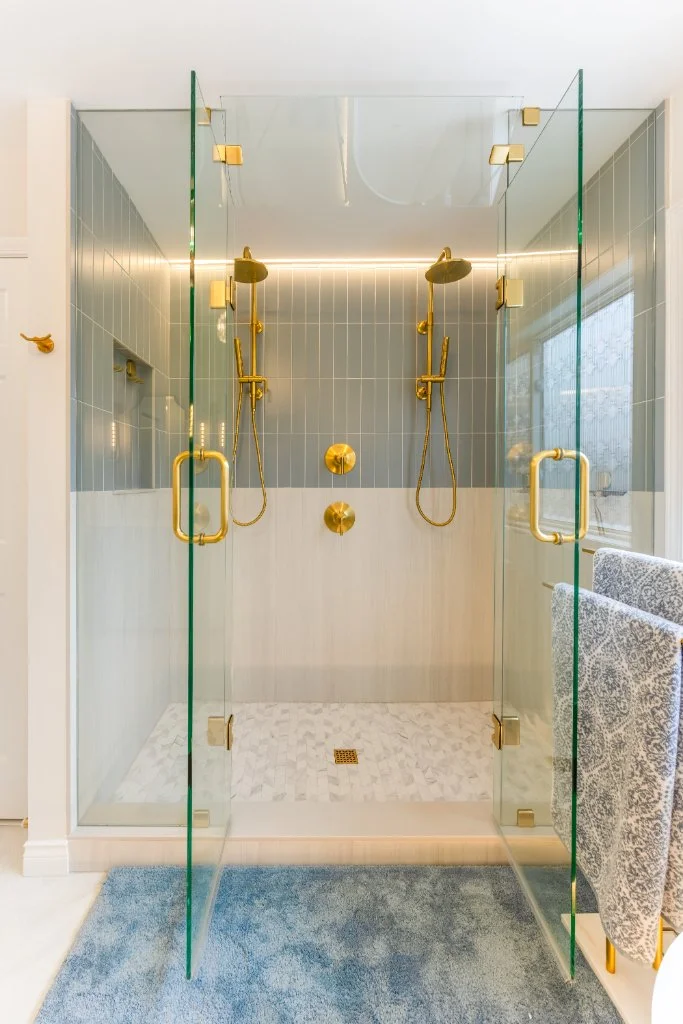
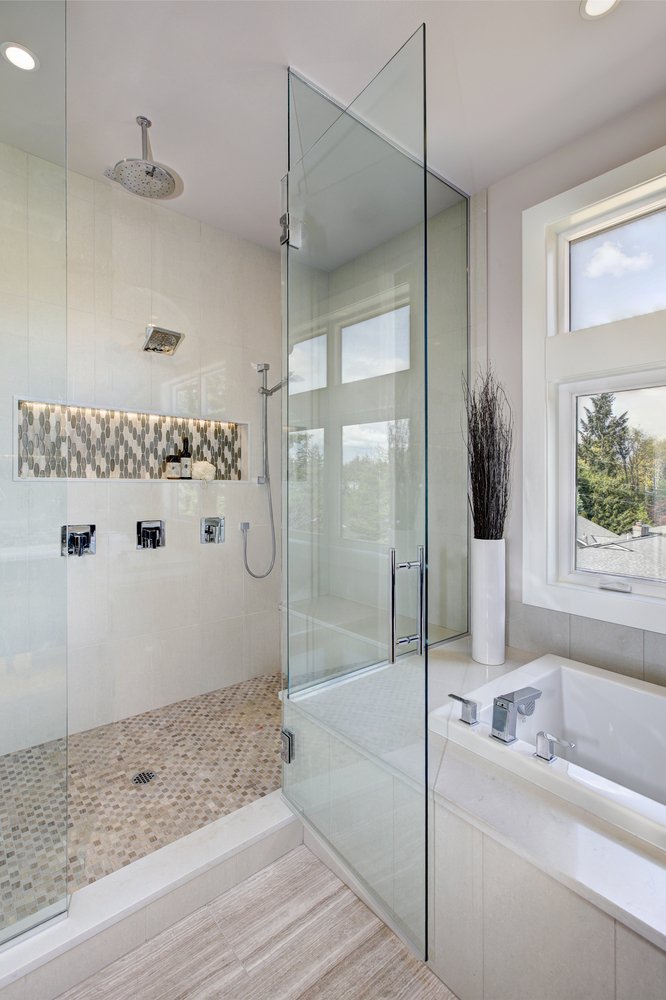
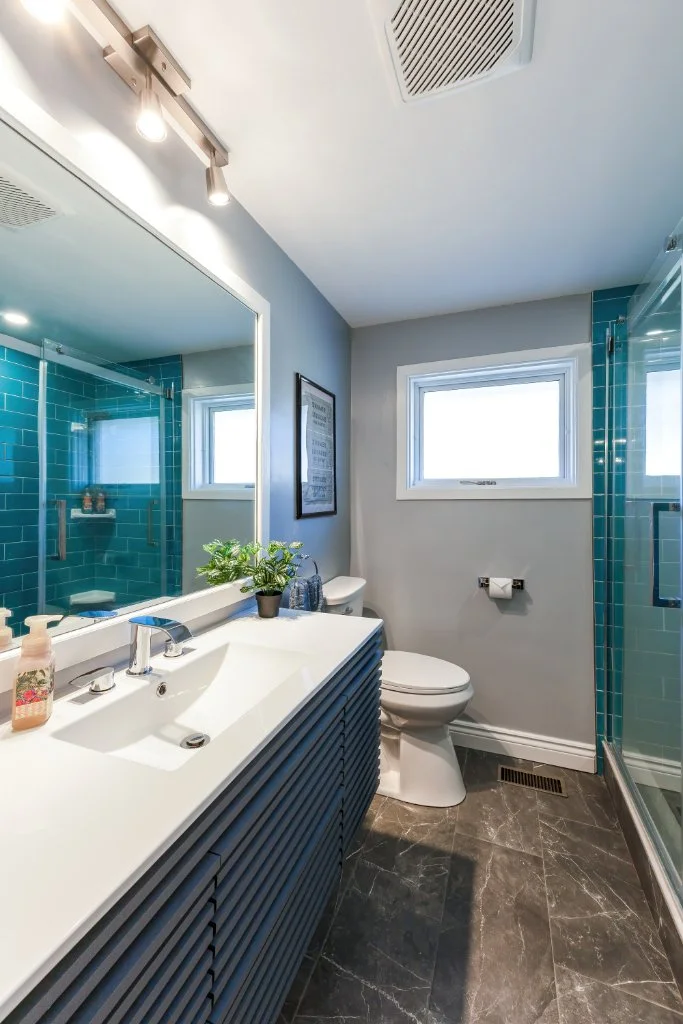
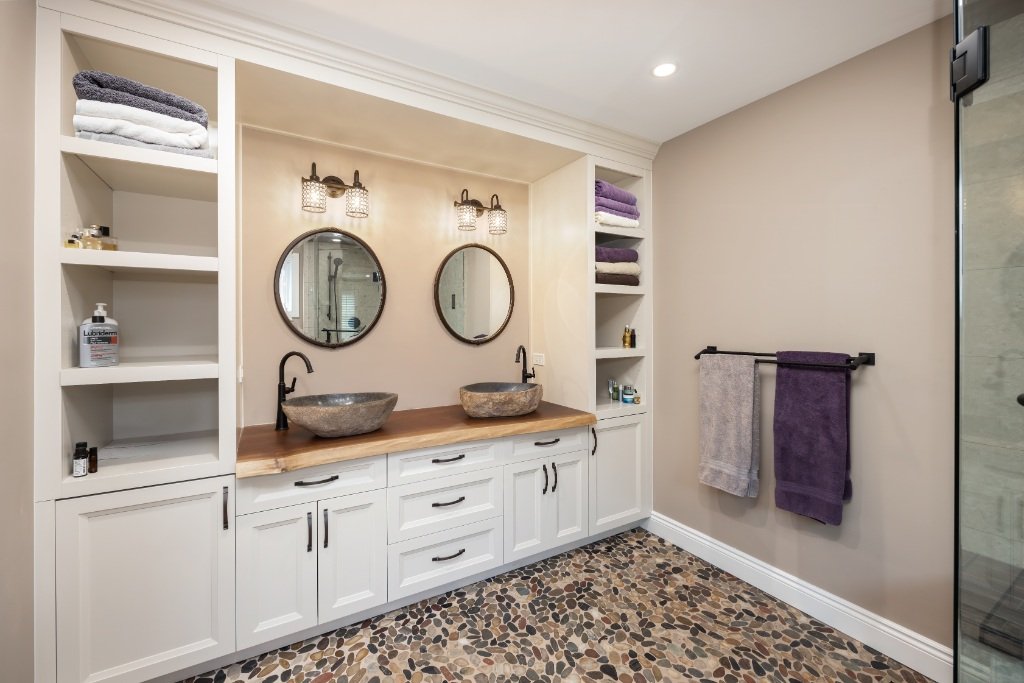
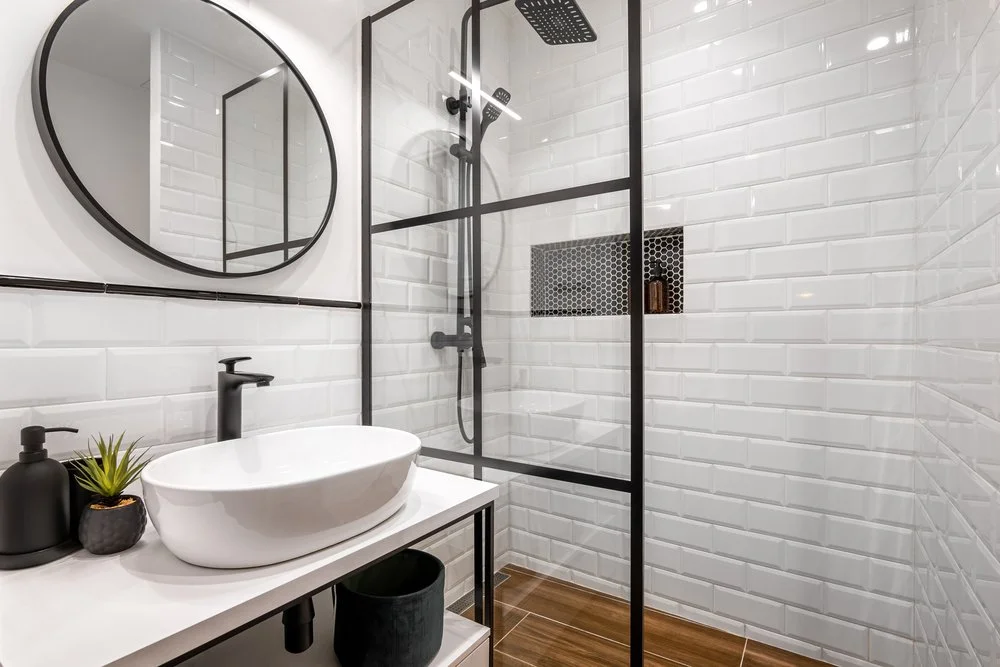


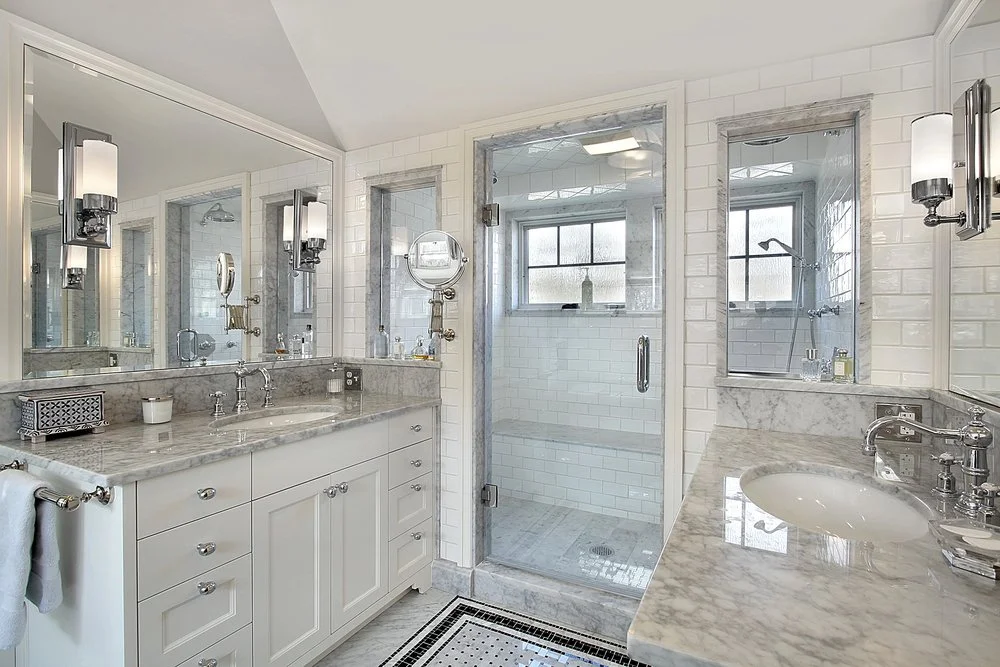









A double sink vanity might look like a must-have for a primary bathroom—but is it really? Before giving up valuable counter space and storage for that second sink, let’s look at the pros, cons and the questions you should ask before deciding if two sinks actually make sense for your bathroom.