
When Your Bathroom Feels Too Small (And What Actually Fixes It)
/
There’s a very specific kind of frustration that comes with a small bathroom. Not dramatic. Not the kind you rant about. Just that quiet, daily irritation that shows up in little ways.
The counter never feels clear. The cabinet door bumps into something. You find yourself doing a strange sideways shuffle just to brush your teeth. And somehow, no matter how tidy you are, the room always feels a bit crowded.
Over time, that adds up. Because a bathroom might be one of the smallest rooms in your home, but it’s also one of the most used. It’s where your day starts before coffee and ends when you’re already running on fumes. When it doesn’t function well, you feel it constantly.
And most people assume the solution is obvious: make it bigger.
But here’s the truth most homeowners don’t realize.
Small bathrooms rarely need more space. They need better decisions.
The Real Problem Usually Isn’t the Size
When someone tells us their bathroom is too small, what they’re really saying is something like this:
“There’s nowhere to put anything.”
“I’m always bumping into something.”
“Two people cannot exist in this room peacefully.”
“Why does opening that drawer feel like a tactical operation?”
Sound familiar?
In most cases, square footage isn’t the real problem. The bigger issue is layout, oversized fixtures, and design choices that simply don’t work anymore.
Many bathrooms were built 20 or 30 years ago for a completely different lifestyle. Less storage. Bulkier vanities. Minimal lighting. And very little thought given to how the room actually feels to move through.
Fast forward to today, and that same bathroom is expected to handle skincare routines, hair tools, extra towels, cleaning supplies, and the occasional teenager who’s been in there for far too long.
No wonder it feels tight.

Step One: Stop the “Bathroom Shuffle”
You know the shuffle. That awkward sideways dance you do to open a cabinet while avoiding the toilet, the door, and your own elbows.
One of the biggest improvements in a small bathroom renovation is simply removing friction. Making the room flow better so you’re not constantly negotiating with it.
This often starts by looking at what’s visually and physically crowding the space.
Traditional floor-mounted vanities are a big offender. They block the floor visually, which makes the entire room feel heavier and more closed in. Even when they aren’t huge, they feel huge.
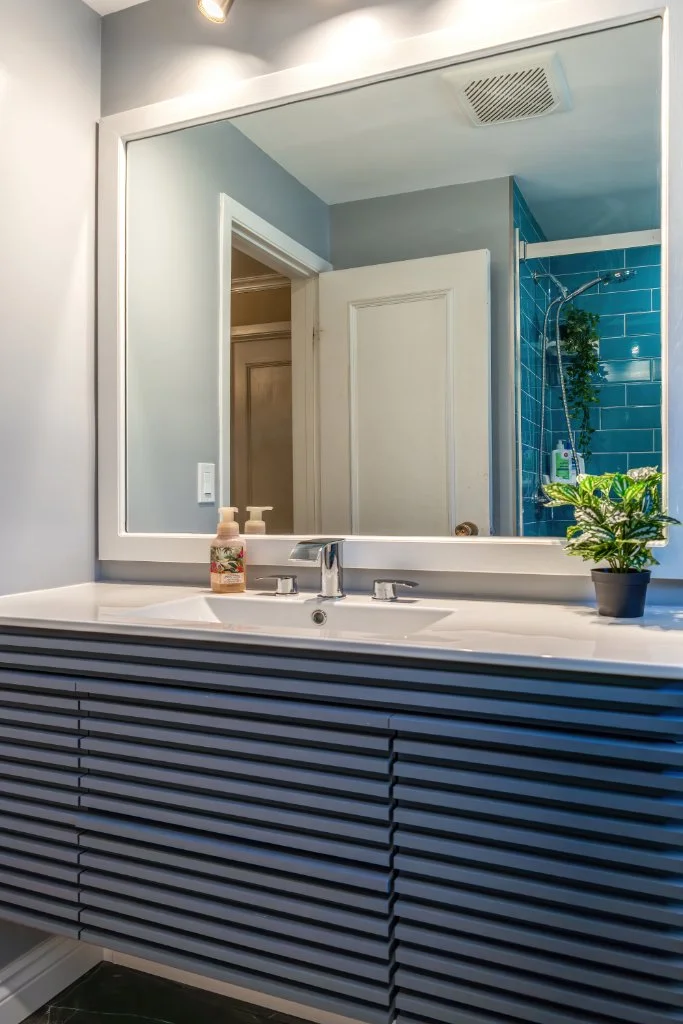
Switching to a wall-hung vanity can completely change that. Suddenly you see more floor, the room feels lighter, and cleaning becomes easier. It’s a subtle shift, but your brain registers it immediately.
And no, wall-hung doesn’t mean impractical. Modern options offer excellent storage and durability. You’re not sacrificing function — you’re gaining breathing room.
Storage That Actually Works
Storage is where small bathrooms either shine or completely fall apart.
Too little storage and everything ends up on the counter, the back of the toilet, or balanced somewhere it definitely shouldn’t be. Too much bulky storage and the room starts to feel like it’s closing in on you.
The solution is smarter storage, not more storage.
Drawers instead of deep cabinets make a huge difference. You can actually see what you own, which means less digging, less frustration, and fewer accidental duplicate purchases because something disappeared into the abyss.
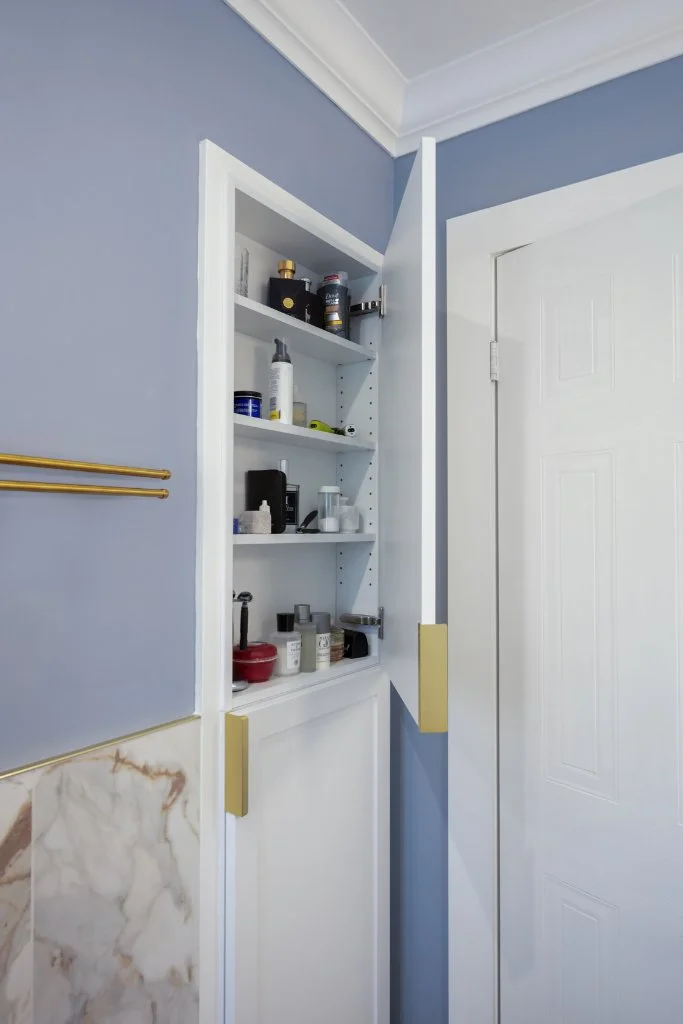
Recessed medicine cabinets are another game changer. Built into the wall, they give you storage without stealing space. Done well, they look clean and modern, not builder-basic.
One project that really stands out was a small bathroom we renovated in North Whitby. Storage was a major concern, but there simply wasn’t room for bulky cabinetry without making the space feel even tighter. Instead of forcing something in, we looked at what most people would overlook — the dead space behind the entrance door.
We designed a recessed, floor-to-ceiling cabinet built directly into the wall. From the outside, it reads almost like a large medicine cabinet, but inside it offers an incredible amount of storage. The shelves are only about four inches deep, yet because the cabinet runs nearly the full height of the wall, it holds far more than you’d expect.
It turned a completely unusable sliver of space into one of the most functional features in the entire bathroom. And as a bonus, it meant the vanity could stay clean and simple, with a standard mirror instead of bulky mirrored storage above it.
Open shelving can work too, but only if you’re honest about how you live. If visual clutter stresses you out, closed storage will make you much happier. Pinterest bathrooms are lovely. Real life is better.
The goal isn’t perfection. It’s walking into the room and not immediately feeling annoyed.
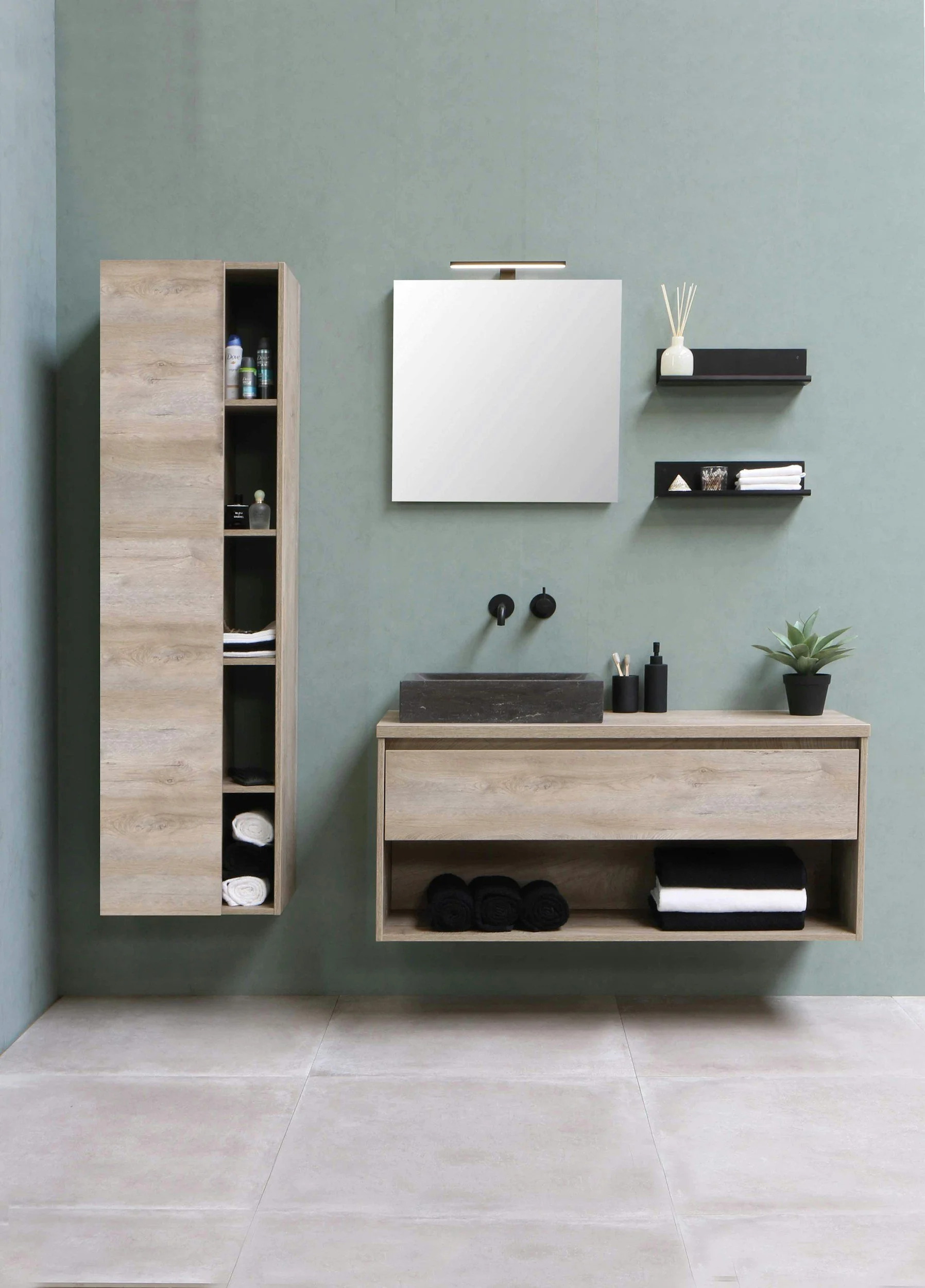
One of the most underrated ways to dramatically increase storage in a small bathroom is adding a linen tower. These tall, narrow cabinets take advantage of vertical space, giving you a surprising amount of storage without eating up precious floor area. Even if you choose a wall-hung vanity to keep the room feeling open, you can often tuck a slim linen tower right beside it and instantly gain space for towels, toiletries, and all the everyday essentials that never seem to have a proper home.
If you’re curious why we love linen towers so much (and why they show up in so many of our designs), you can dive deeper here: Why Tall Linen Towers Belong in Every Bathrooom
Not sure whether your bathroom has potential? Sometimes a fresh set of experienced eyes can reveal possibilities you didn’t even know were there. A thoughtful layout can change everything.
Why Fixture Size Matters More Than You Think
In a small bathroom, proportions matter. A lot.
Oversized fixtures can quietly throw everything off balance. A bulky vanity. A tub that dominates the room. A toilet that sticks out just a little too far. Individually they don’t seem like a big deal. Together, they make the entire space feel tight and awkward.
But here’s the important part: choosing better proportions doesn’t mean sacrificing function. It means choosing smarter design.
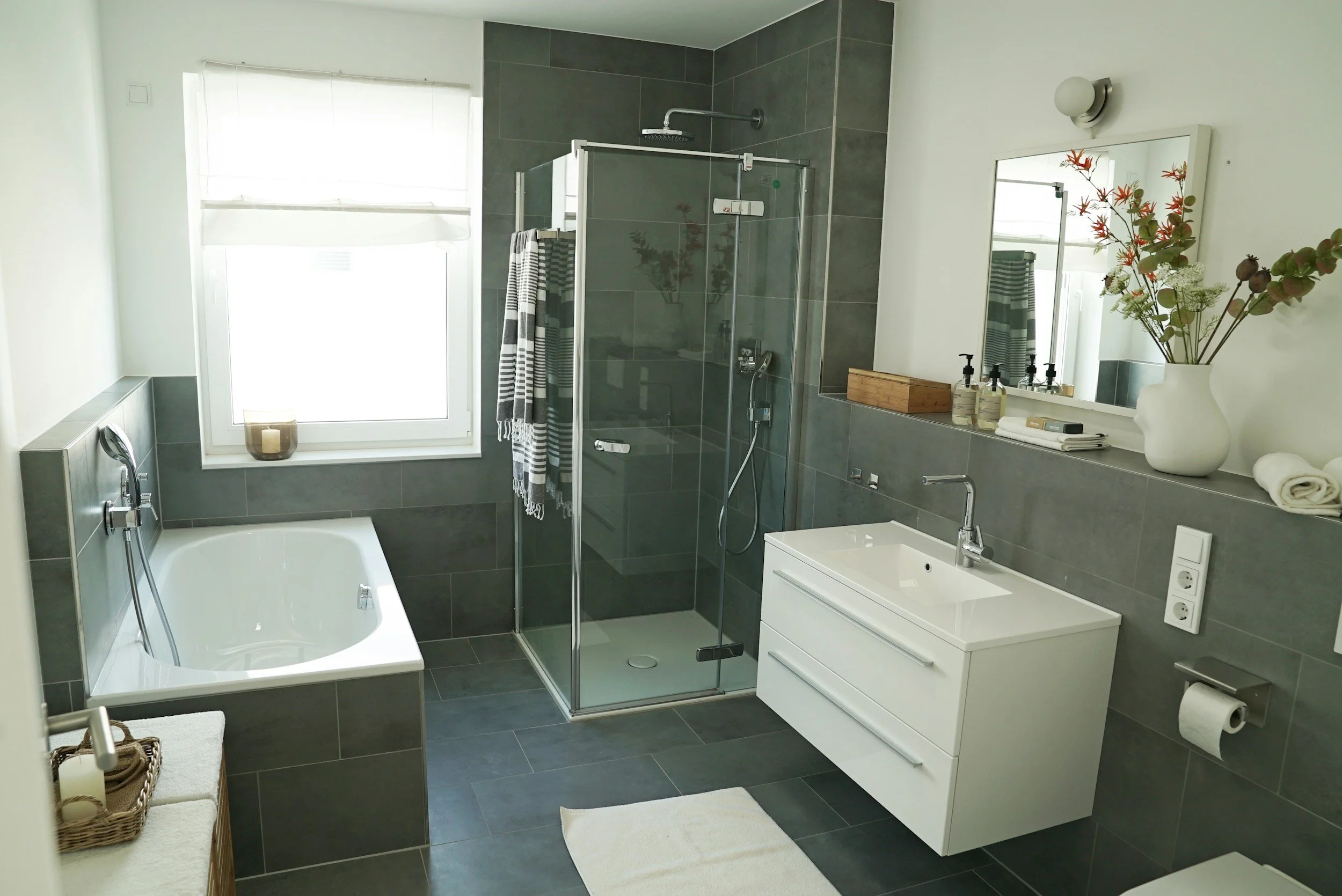
A well-designed vanity, for example, can actually give you more usable storage even if it takes up less visual space. Thoughtful drawer layouts, vertical storage (like linen towers), and cleaner profiles often outperform those old oversized cabinets that looked big but didn’t work well.
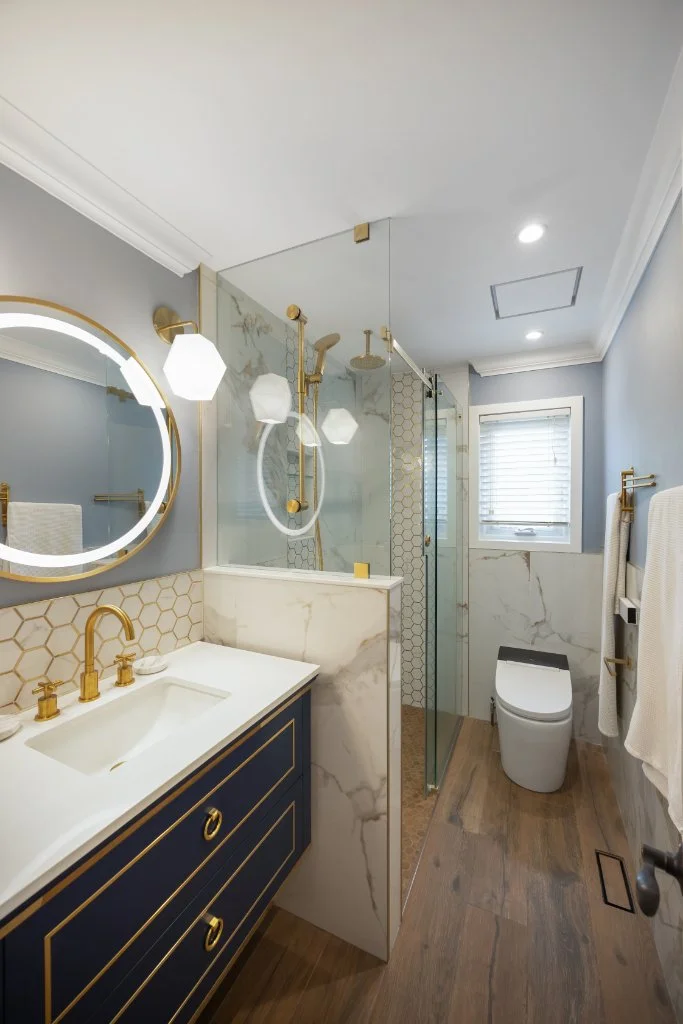
The same idea applies to showers. This isn’t about making things smaller — it’s about making them feel better. A bulky framed shower can visually chop up a room, while a frameless glass enclosure keeps sightlines open and makes the entire bathroom feel more spacious without reducing comfort.
You’re not shrinking the room. You’re removing visual barriers and making every inch work harder.
Tile Can Completely Change the Feel
Tile is where many homeowners get nervous, especially in a small bathroom. There’s this fear that bold choices will overwhelm the space or make it feel smaller.
In reality, the opposite is often true.
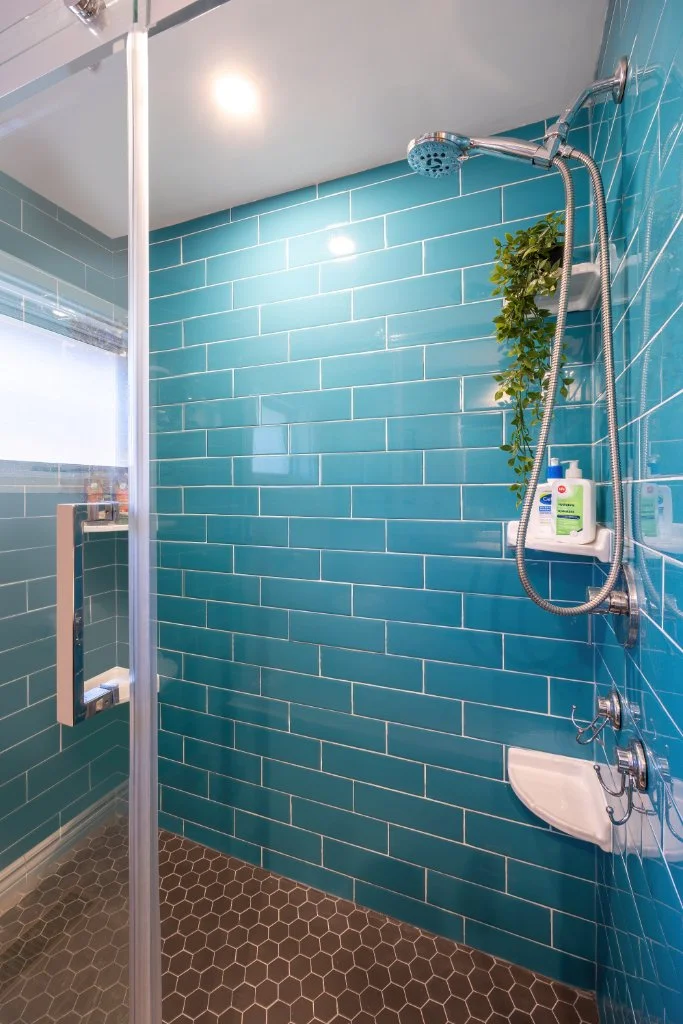
Large-format tiles reduce visual breaks, which can make a space feel more expansive. Vertical tile patterns draw the eye upward and subtly lift the ceiling. Lighter tones reflect light, while deeper colours can add richness without feeling claustrophobic when used thoughtfully.
Sometimes all it takes is one well-chosen feature wall. A beautiful tile behind the vanity or in the shower gives your eye somewhere to land. Instead of focusing on what the room lacks, you start noticing what you love.
That shift changes everything.
Lighting That Doesn’t Make You Hate Your Reflection
Lighting is one of the most overlooked elements in small bathrooms, and it has a much bigger impact than most people expect.
A single overhead light casting harsh shadows is not doing anyone any favours. It flattens the space, creates unflattering lighting at the mirror, and somehow manages to make the whole room feel smaller and more clinical.
Good bathroom lighting is layered and intentional.
Let’s start with vanity lighting, because this is where mistakes happen most often. One of the most common issues we see is undersized fixtures — like a small two-light bar over a four-foot vanity. It technically lights the space, but it doesn’t light you. You end up with shadows, uneven lighting, and that constant feeling that something is just a bit off.
As a general rule, your vanity lighting should feel proportional to the width of the vanity and provide even illumination across your face, not just the centre of the mirror. That might mean a wider light bar, dual sconces, or a more thoughtfully scaled fixture. The goal isn’t just brightness. It’s balanced, usable light that actually works for real life.
Then there’s recessed lighting, which we use often in smaller bathrooms for a reason. Pot lights provide clean, unobtrusive illumination without introducing bulky fixtures that visually crowd the ceiling. They keep sightlines open, make the room feel taller, and deliver even ambient light throughout the space.
In many small bathrooms, a simple combination of recessed ceiling lights and well-proportioned vanity lighting creates a clean, modern look that feels bright without feeling busy. No heavy fixtures. No visual clutter. Just calm, functional light.
And if there’s natural light available, maximizing it makes an enormous difference. Even small adjustments to window placement, glazing, or reflective finishes can make a bathroom feel dramatically more open.
This isn’t about chasing trends or creating a showroom glow. It’s about comfort. Starting your day in lighting that feels natural and ending it in a space that feels calm instead of harsh.
When lighting is done well, you don’t think about it. You just notice that the bathroom feels better.
The Small Details That Quietly Srive You Crazy
Sometimes it’s not the big things. It’s the tiny, daily annoyances.
A door that swings the wrong way. A drawer that hits the toilet. A towel bar that’s always slightly out of reach. These things seem minor, but your brain registers them every single day.
Simple changes like adjusting a door swing, adding a pocket door, or rethinking accessory placement can free up surprising amounts of usable space. Suddenly the room feels easier. More intuitive. Less frustrating.
And that’s real luxury. Not more space. Less friction.
You Probably Don’t Need a Bigger Bathroom
This is the moment many homeowners pause and say, “Wait… so I don’t actually need to knock down a wall?”
Usually, no.
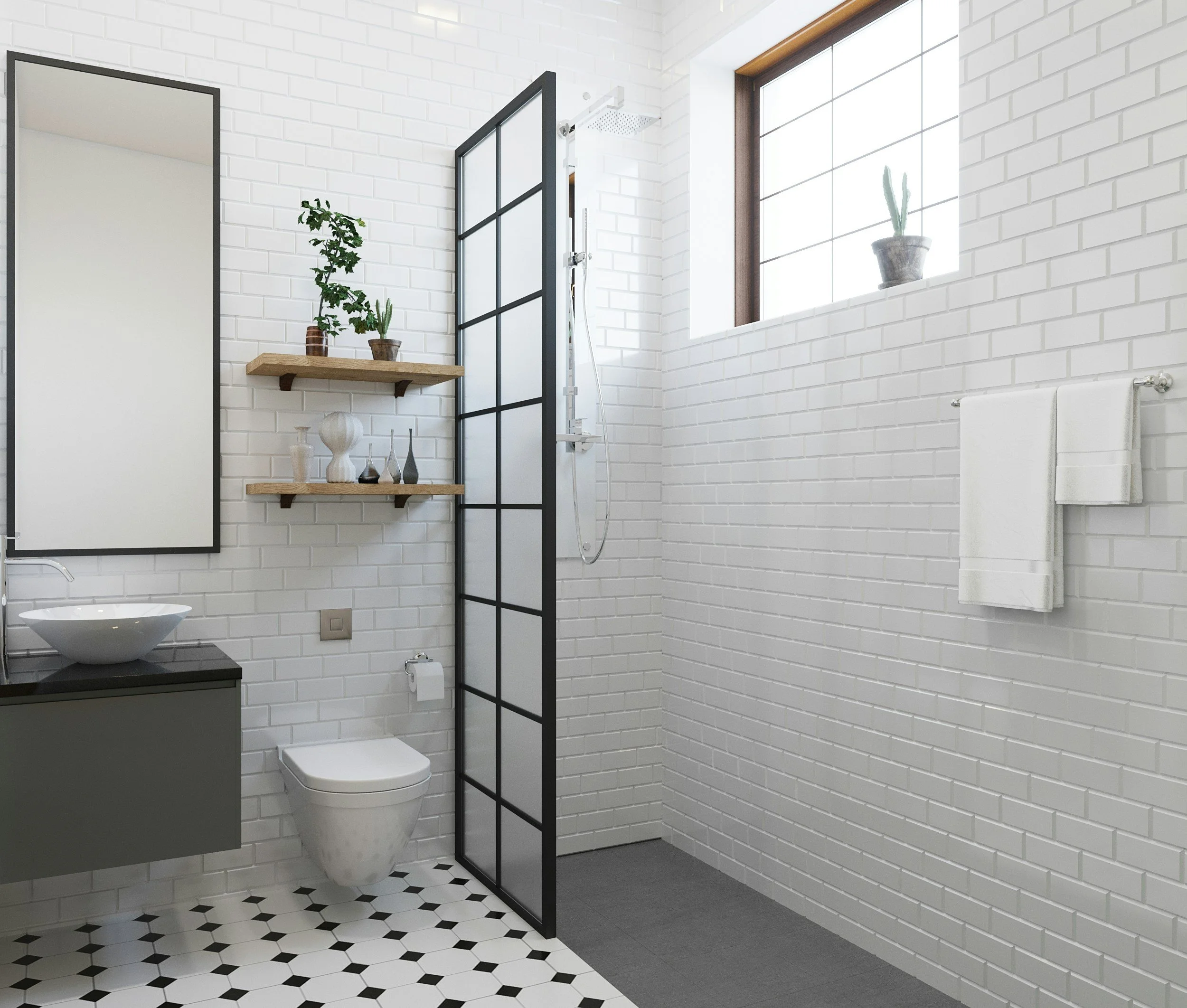
What you need is a bathroom that works with you instead of against you. One that feels balanced, functional, and calm. One where nothing feels like it’s fighting for space.
When a small bathroom is designed well, it stops being something you apologize for and starts being something you genuinely enjoy using.
And that’s a big impact for a small space.
In Summary…
If your bathroom technically works but never feels good, you’re not alone. And you’re not being picky. Small bathrooms don’t have to feel cramped or frustrating. They just need smarter design decisions based on how you actually live.
And if you’re wondering whether your bathroom has potential or if it’s a lost cause, that’s a conversation worth having. Because sometimes all it takes is the right perspective to see what’s possible.
Love your home. Even the small rooms.
If your bathroom feels tight, awkward, or harder to use than it should be, it may not need more square footage — just better planning. At Multi-Trade Building Services, we specialize in thoughtful renovations that make small spaces work beautifully. If you’re ready to reimagine what your bathroom could feel like, we’d love to help.
Small bathrooms come with unique challenges, but they also offer some of the most rewarding transformations when designed thoughtfully. If you’re looking for more ideas and inspiration, we’ve shared additional bathroom blogs that explore smart layouts, storage solutions, and real-life renovation insights.
9 Top Tips for Making a Small Bathroom Look Bigger
Why Accent Walls Aren’t Just for Living Rooms: Try One in Your Bathroom
What Does a Bathroom Renovation Really Cost?

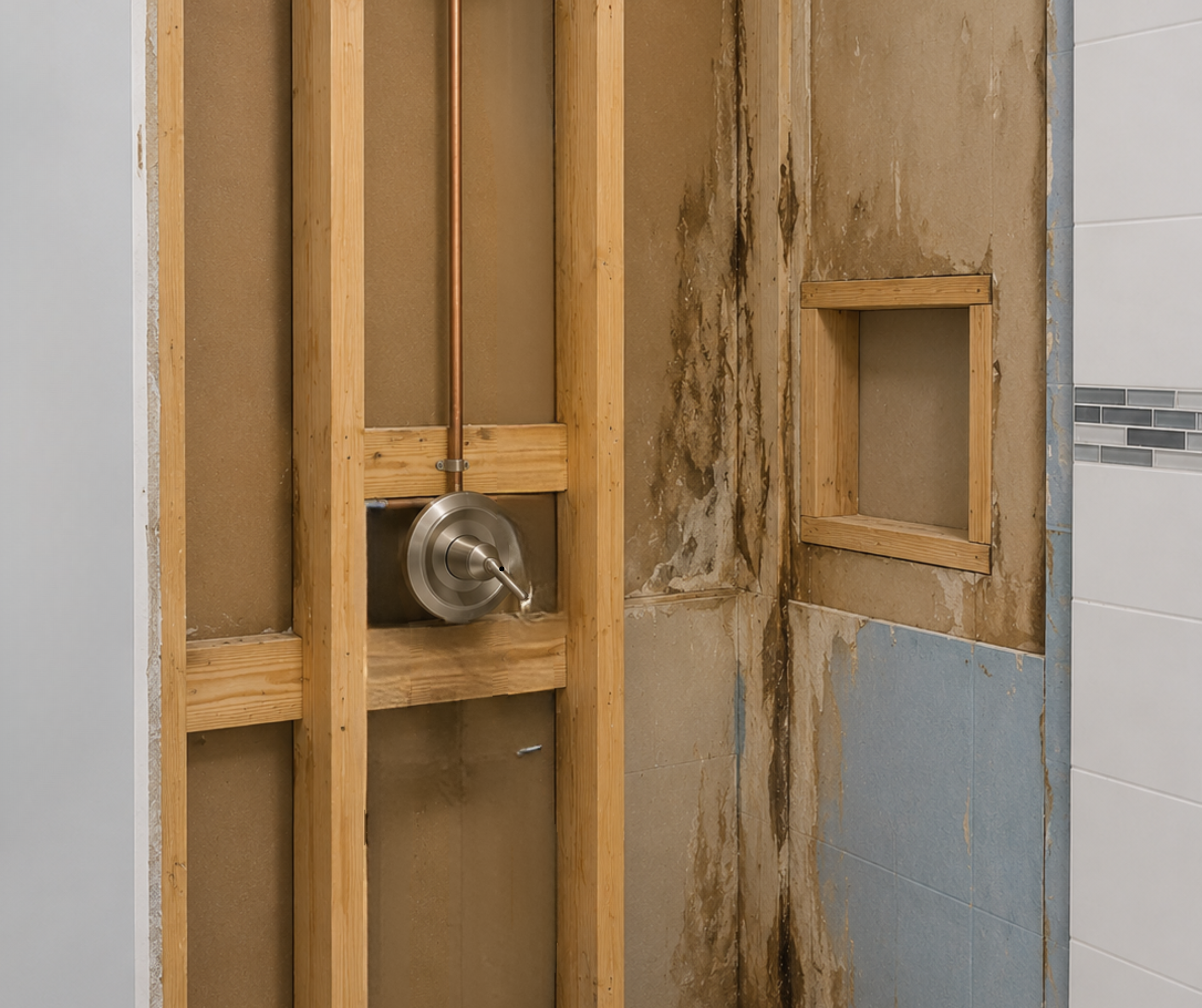




Should you choose a tiled shower or an acrylic surround? After nearly 36 years of renovating bathrooms, we share why tile is almost always our recommendation, while also explaining the situations where acrylic can still be the right choice. Learn the differences in durability, maintenance, cost, appearance and long-term value before making your decision.