
7 Bathroom Renovation Warning Signs Smart Homeowners Watch For
/
A bathroom renovation is supposed to be exciting.
New tile. Better lighting. Storage that actually makes sense. A space that finally feels clean, calm, and finished.
But sometimes what starts as excitement can quietly turn into stress if the wrong decisions are made early.
And here's the truth most contractors won't say out loud:
Many renovation problems don't start during construction. They start long before the first tile is installed.
They start with missed warning signs.
After being involved in bathroom renovations for decades, we've seen the good, the bad, and the "oh dear, we need to fix this properly." So today we want to share some of the biggest red flags homeowners should watch for before committing to a renovation.
Because the best renovation experience is one where problems are prevented… not repaired later.
Prefer to listen?
🚩 Red Flag #1: A quote that seems too good to be true
We understand budgets matter. Every homeowner has one.
But when one quote comes in dramatically lower than the others, it's worth asking why.
Sometimes important items are missing:
Waterproofing
Proper prep work
Electrical upgrades
Plumbing corrections
Permit requirements
Disposal costs
Not using licensed trades for the job
And unfortunately, these don't magically disappear. They usually show up later as "extras."
A good quote shouldn't just show a price. It should show clarity.
You should understand what is included, what assumptions are being made, and what could change.
If you feel confused reading a quote, that's usually a sign you should ask more questions.
🚩 Red Flag #2: No discussion about waterproofing
This is a big one.
Tile is not waterproof. Grout is not waterproof. Caulking is not waterproof.
The real protection is what goes behind the tile.
If nobody talks to you about waterproof membranes, proper shower prep, or how moisture will be managed, that's a conversation worth having.
Because bathrooms fail from moisture problems long before they fail from anything cosmetic.
And fixing water damage later is never the fun part of a renovation story.
What homeowners don't see behind the walls (and why it matters)
One of the biggest differences between what homeowners see and what we see comes down to what happens behind the finished surfaces.
Most people see:
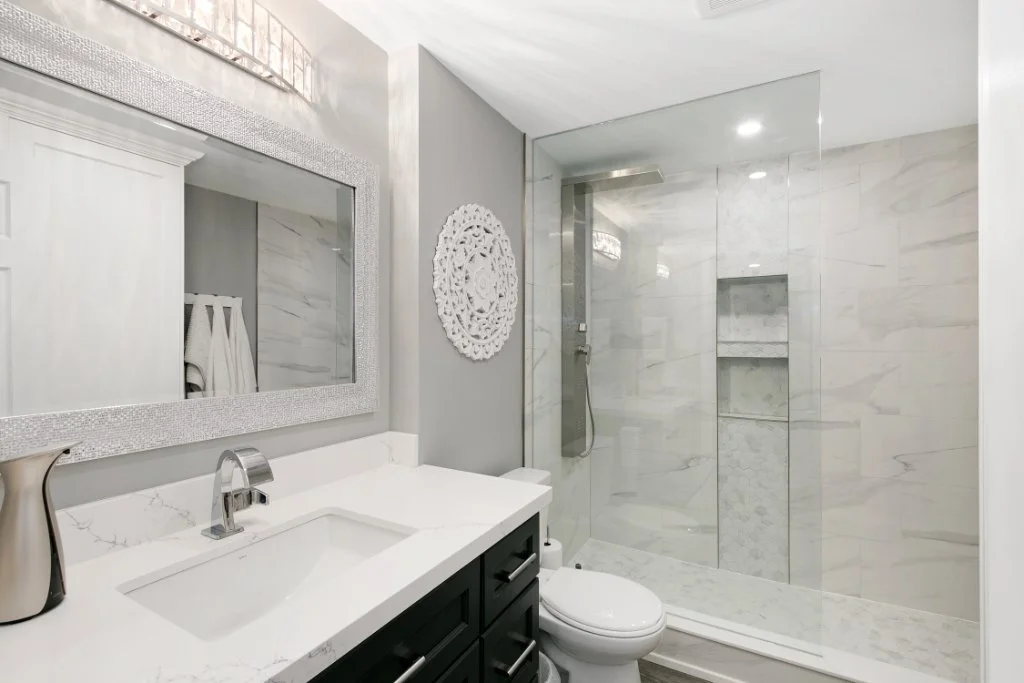
• Beautiful tile
• A modern vanity
• New fixtures
• Fresh paint
What we see is everything underneath that determines whether that bathroom will still look good in 5…10…15 years.
Because bathrooms rarely fail because of what you can see.
They fail because of what you can't.
Sometimes we open walls expecting a straightforward renovation and discover problems that have been hidden for years.
Things like:
• Moisture damage that was slowly spreading
• Incorrect materials used behind tile
• Plumbing that was modified multiple times
• Improper ventilation
• Floors that weren't properly prepared for tile
And none of these problems are visible until renovation work begins.
This is also why sometimes a renovation uncovers issues a homeowner had no way of knowing about. It's not because anything was done wrong in the current project. It's because bathrooms are one of the most moisture-heavy rooms in a home, and small installation shortcuts can take years before they show themselves.
The good news?
When these things are discovered and corrected properly, homeowners usually end up with a bathroom that performs better than it ever has.
And that's really the goal of a good renovation:
Not just making it look better.
Making sure it lasts better too.
Real problems we are often called in to fix after a bathroom renovation
Most contractors spend their time installing bathrooms.
A surprising amount of our work comes from diagnosing problems in bathrooms that were renovated years earlier.
And usually the homeowner has no idea what went wrong. They just know something doesn't seem right.
Some of the most common calls we get sound like this:
"A few tiles have cracked… is that normal?"
"The baseboard near the shower is getting soft."
"We're noticing a musty smell."
"Why is the paint bubbling near the shower?"
This is where experience really matters, because the visible problem is rarely the actual problem.
When cracked tile isn't just about tile
One of the most common things we investigate is cracked shower tile.
Homeowners often assume:
• The tile was defective
• Someone dropped something
• The house shifted
But when we start checking with a moisture meter, sometimes the readings tell a very different story.
We've seen situations where the entire shower floor shows elevated moisture readings, along with moisture travelling 12–15 inches up the surrounding walls.
When the shower is opened up, the cause sometimes becomes clear:
Tile installed directly over drywall instead of proper cement board or waterproof backing.
Drywall was never designed to handle moisture. Once even small amounts of water get through grout or tiny tile cracks, the drywall begins to absorb moisture like a sponge.
And over time that can lead to:
• Tile movement
• Cracking
• Mold growth
• Soft baseboards
• Structural deterioration behind the surface
The homeowner often did nothing wrong. They simply trusted the installation was done properly.
When walls aren't flat, tile doesn't last
Another issue we sometimes see is large format tile installed on walls that weren't properly flattened or prepared.
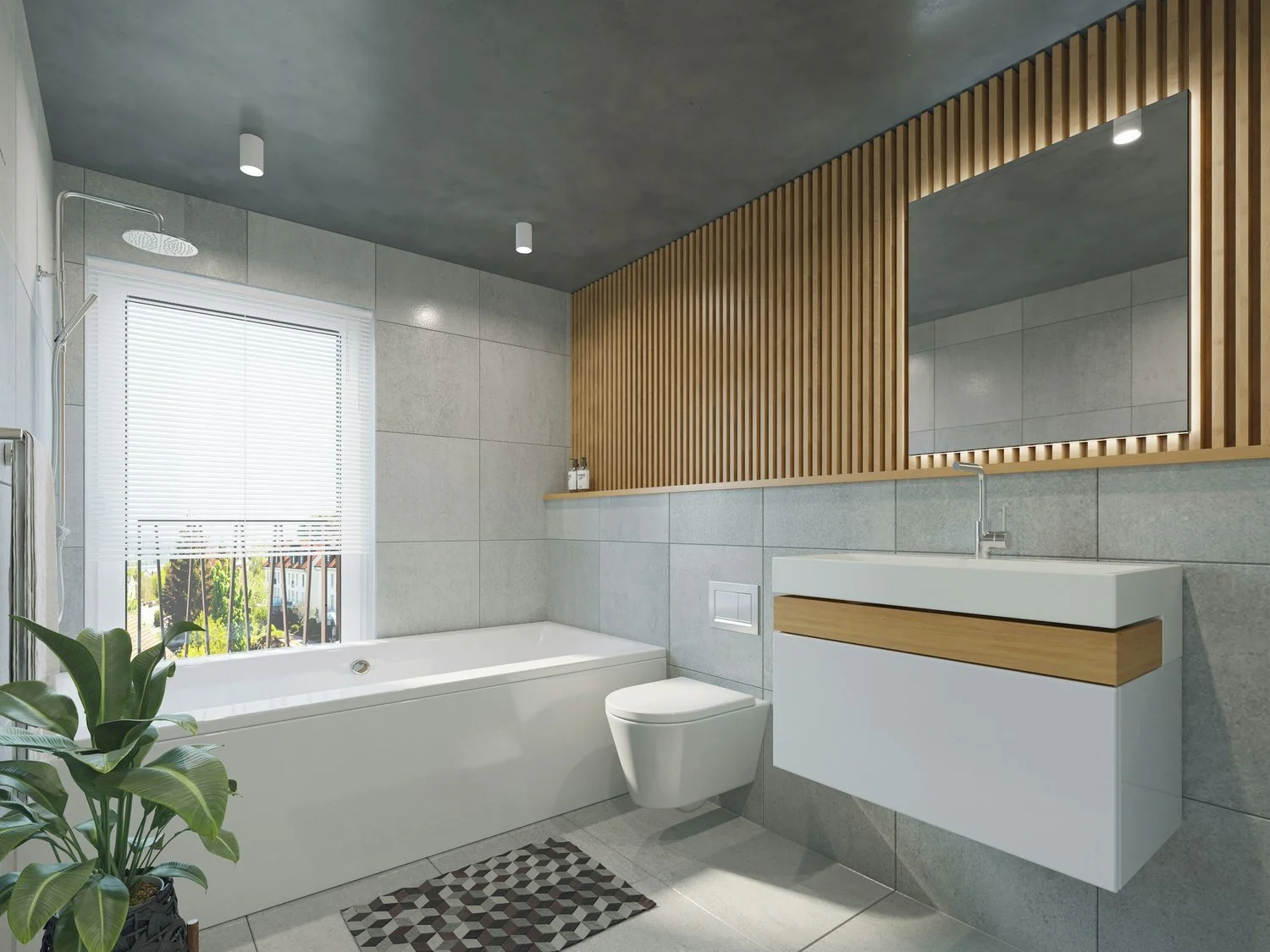
Today's popular tiles — like 16×16 or larger formats — require very flat surfaces to prevent stress points.
If walls aren't properly corrected first, those tiles may:
• Not sit properly
• Develop pressure points
• Eventually crack
• Or loosen over time
Again, this isn't usually something a homeowner could ever see during the renovation process.
But it makes a huge difference in how long the bathroom performs well.
Bathroom fans that don't actually remove moisture
This one surprises people:
We frequently find bathroom exhaust fans venting into attics instead of outside. And unfortunately this is more common than most homeowners would expect.
Instead of removing humidity from the home, the fan is simply moving moisture into another enclosed space.
Over time this can contribute to:
• Mold in attic spaces
• Insulation damage
• Wood deterioration
• Persistent humidity issues
When installed properly, an exhaust fan should always terminate outside the home.
And here's something many homeowners don't realize:
Just because a fan is making noise doesn't mean it's actually doing its job.
We've seen plenty of fans that sound like they're working hard but are barely moving any air at all.
A simple test you can try yourself:
Turn the fan on and hold two squares of toilet paper up to the fan grille. If the fan is working properly, the toilet paper should stay pulled up against the fan. If it falls away, the fan may not be moving enough air to properly remove moisture.
It's a small test, but it can tell you a lot.
For more information about how to know if your exhaust fan is working, check out the full blog we wrote on it: Is Your Exhaust Fan Working Efficiently?
Thinking about a bathroom renovation?
If you're planning a bathroom update and want to avoid the kinds of problems we've talked about here, having a proper plan from the beginning makes all the difference.
Even small decisions about layout, materials, and preparation can impact how your renovation performs years down the road.
If you ever want a second opinion or just have questions about how to approach your project, we're always happy to have a conversation.
No pressure. Just helpful guidance so you can make confident decisions.
🚩 Red Flag #3: No one asks how you actually use the bathroom
A good renovation isn't just about how a space looks.
It's about how it works for you.
Questions we believe should always be asked:
Who uses this bathroom daily?
Do you need storage?
Do you need easier cleaning?
Are there mobility concerns now or in the future?
Does the lighting actually work for getting ready?
Design without conversation usually leads to regret.
The best bathrooms aren't just pretty. They make your mornings easier.
🚩 Red Flag #4: Rushed timelines that sound unrealistic
Everyone wants their bathroom done quickly. We get it.
But when a contractor promises extremely fast timelines without explaining the process, that can sometimes mean steps are being skipped.
Proper renovations require:
Drying time
Inspection steps
Careful installation
Attention to detail
Good work takes planning.
And most homeowners would rather wait a little longer than deal with problems later.

🚩 Red Flag #5: Poor communication before the project even starts
This one is simple:
If communication feels difficult before you sign a contract, it usually won't improve after.
Pay attention to things like:
How quickly questions are answered
Whether explanations are clear
Whether you feel rushed
One of the most common frustrations homeowners tell us about from past renovations is feeling like they weren't really listened to.
This one might surprise people, but it's one of the biggest warning signs we see.
A renovation should never feel like a debate between what you want and what your contractor thinks you should want.
Yes, a good contractor should absolutely offer guidance. Experience matters. Sometimes there are structural, plumbing, or budget reasons to suggest alternatives.
But there is a big difference between advising and overriding.
At the end of the day, this is your home.
A lesson we learned early on
Early on in working together (over 20 years ago), Paul and I had a situation that really reinforced this lesson.
We were meeting with a homeowner about a basement bathroom. The client knew exactly where he wanted the bathroom located. Paul, looking at it from a construction standpoint, suggested a different location that might have simplified some of the work and cost for the client.
Technically, Paul's reasoning made sense.
But the homeowner wasn't interested in changing the plan. He wanted it where he wanted it. The extra work didn't bother him. The cost difference didn't bother him. His vision was clear.
And Paul kept trying to steer him toward the alternative.
After the meeting I said something to Paul that has stayed part of how we operate ever since:
"If the client wants option A and we think option B is better, it doesn't really matter what we prefer. They're the ones living with it. They're the ones paying for it. Our job is to help them do what they want properly."
That doesn't mean we stop giving professional advice.
It means we:
• Explain pros and cons
• Outline cost differences
• Identify risks if they exist
• Make recommendations
And then we listen.
Because good renovation planning is a collaboration, not a contest.
The difference between guidance and pressure
Homeowners should never feel like they have to defend their choices.
If you find yourself saying things like:
"I know that's what you think but I really want this…"
"I understand but this is important to me…"
"I know it's more work but that's what we want…"

That's usually a sign the conversation has shifted away from collaboration.
A good contractor helps you make informed decisions. They don't try to win the decision.
Why this matters more than people realize
When homeowners don't feel heard, one of two things usually happens:
They either:
• Give in and end up with something they never really wanted
• Or they feel stressed throughout the entire project
Neither creates a good renovation experience.
The best projects happen when homeowners feel comfortable saying:
"This is what I want."
And the contractor responds:
"Okay, let's figure out the best way to make that happen."
You should expect a contractor who:
• Asks questions first
• Understands your priorities
• Explains options clearly
• Respects your decisions
• Makes you feel comfortable speaking up
Because at the end of the day, a renovation is not about building what the contractor likes best.
It's about building what works best for you.
Questions every homeowner should ask before hiring a bathroom contractor
Choosing the right contractor can feel overwhelming, especially if you haven't renovated before. Most homeowners aren't sure what questions they should even be asking.
The truth is, the right contractor won't just answer your questions.
They'll welcome them.
Here are some simple but important questions every homeowner should feel comfortable asking:
• Who will actually be doing the work in my home?
• How do you handle communication during the project?
• What happens if something unexpected is found?
• How are changes approved?
• How do you handle scheduling updates?
• What kind of warranty do you provide?
• How do you protect the rest of the home during construction?
A professional contractor should be able to answer these clearly and comfortably. If answers feel vague or rushed, that's usually a sign to keep asking questions.
We actually wrote a detailed guide on this exact topic because we know how confusing this decision can feel when you're just trying to protect your home and your investment. Click the link to read the article: How to Choose a Reputable Contractor
If you'd like a deeper dive into what separates reliable contractors from risky ones, that guide walks through exactly what to look for.
Because at the end of the day, most renovation problems don't start with tile or plumbing.
They start with choosing the wrong team.
🚩 Red Flag #6: No discussion about unexpected issues
Every renovation has unknowns. Anyone who says otherwise hasn't opened enough walls.
What matters is how those surprises are handled.
Good contractors talk about:
Possible hidden issues
How changes are approved
How costs are handled
How communication works if something unexpected appears
Transparency builds trust. Silence creates stress.
A quick story that shows why the details matter
Sometimes the best way to understand why preparation matters is through real situations.
We were once asked to look at a bathroom that had been renovated about 2 years ago. On the surface everything looked beautiful. Nice tile work. Modern fixtures. Fresh finishes.
But the homeowner had started to notice something that didn't seem right.
There was a slight soft spot developing in the floor just outside the shower. Nothing dramatic. Just enough to make them uneasy.
They did exactly the right thing and had it looked at.
When we investigated further, we found moisture where it shouldn't have been. Once the shower area was opened up, it became clear that proper waterproofing steps had been skipped during the original renovation.
From the outside everything looked finished properly. But underneath, the protection that should have been there simply wasn't.
And this is something homeowners often don't realize:
You can have a bathroom that looks perfect… but if the preparation wasn't done correctly, problems can slowly develop out of sight.
The good news is the homeowner caught it early. Once the shower was rebuilt properly with the correct materials and waterproofing, the problem was resolved and they could finally feel confident using the space again.
🚩 Red Flag #7: You don't feel comfortable
This might be the most important one.
Sometimes everything looks good on paper, but something just feels off.
And homeowners often ignore that feeling because they think they're being too cautious.
You're not.
You are inviting people into your home and trusting them with your investment. Feeling comfortable matters.
You shouldn't feel pressured. You shouldn't feel confused. And you definitely shouldn't feel like you're "just another job."
Because you're not.
The goal isn't just a finished bathroom. It's peace of mind.
At the end of the day, most homeowners aren't just buying tile and fixtures.
They're buying:
Less stress
Clear communication
Honest guidance
A team they can trust
A finished space they truly enjoy
A good renovation should feel organized, predictable, and well communicated. It should feel like someone is looking out for you.
Because the best projects aren't just about construction.
They're about people.
Thinking about a bathroom renovation?
If you're planning a bathroom update and want honest guidance on what to expect, we're always happy to have a conversation.
No pressure. No sales tactics. Just helpful advice so you can make informed decisions.
Because renovations should feel exciting… not overwhelming.

Want to learn more about bathroom renovations? Check out the articles below.
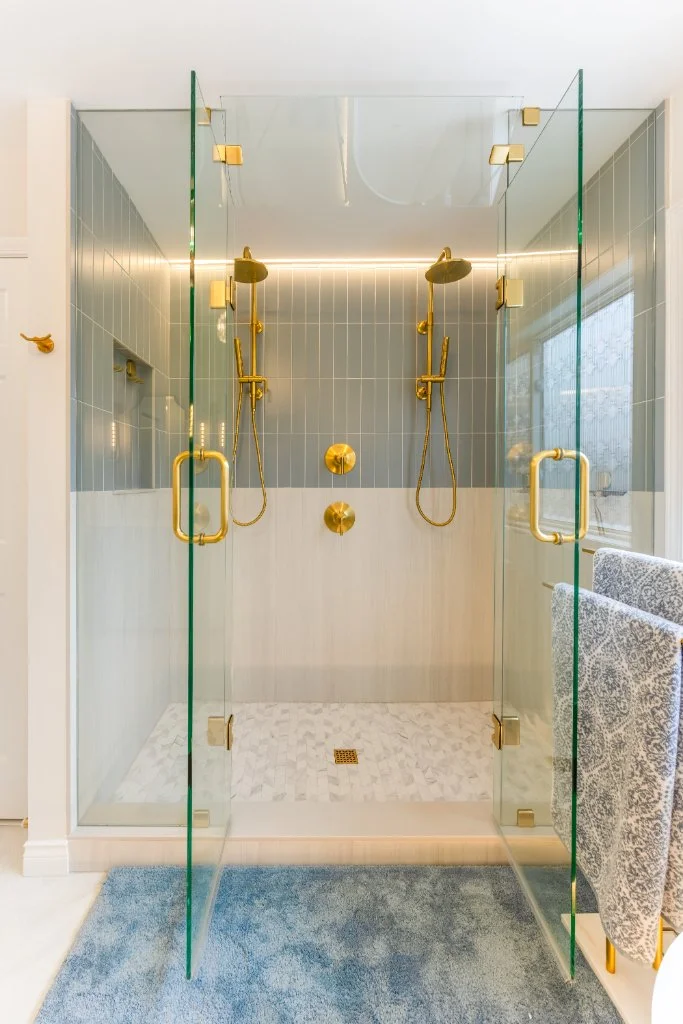
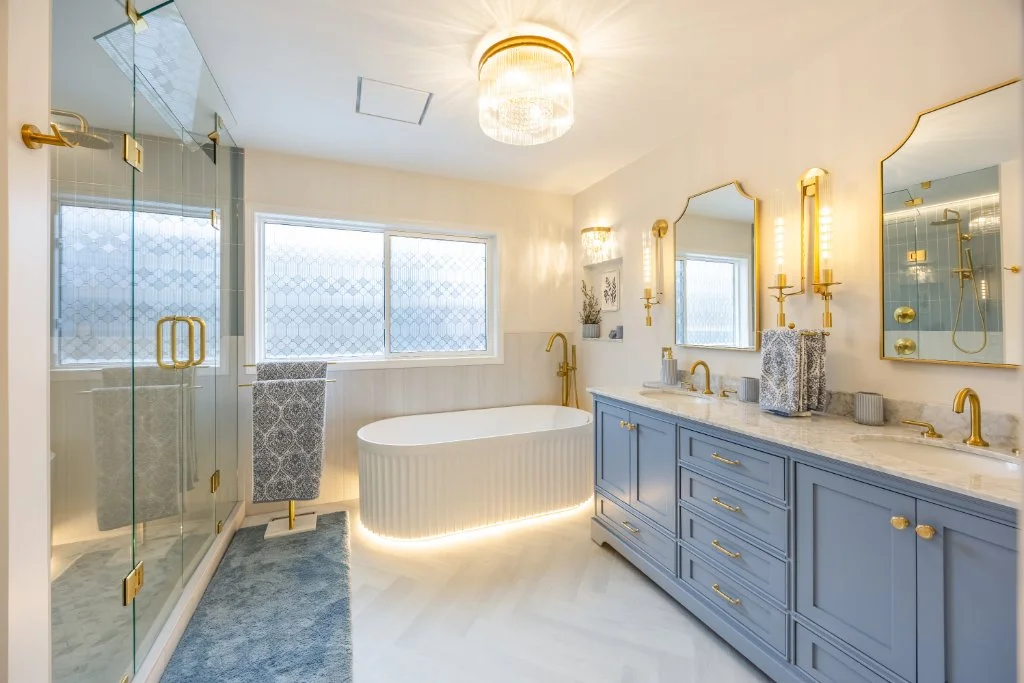





A double sink vanity might look like a must-have for a primary bathroom—but is it really? Before giving up valuable counter space and storage for that second sink, let’s look at the pros, cons and the questions you should ask before deciding if two sinks actually make sense for your bathroom.