

Is Cabinet Refacing Really Worth It? What Homeowners Should Know Before Deciding
/If you’ve started thinking about updating your kitchen, you’ve probably come across the idea of cabinet refacing.
It often sounds appealing at first.
You might hear things like:
“It’s cheaper than replacing cabinets.”
“It’s faster than a full renovation.”
“You can keep your existing kitchen and just update the look.”
And on the surface, that sounds like a great solution.
After all, if you could get the look of a new kitchen without the cost or disruption of replacing everything, why wouldn’t you?
But once homeowners begin to understand what cabinet refacing actually involves, many realize it isn’t always the solution they thought it was.
In fact, in many situations, refacing ends up being a short-term cosmetic update rather than a long-term improvement to the kitchen itself.
Let’s take a closer look at what cabinet refacing really is, when it can make sense, and why many homeowners ultimately decide that replacing their cabinets provides far better value in the long run.
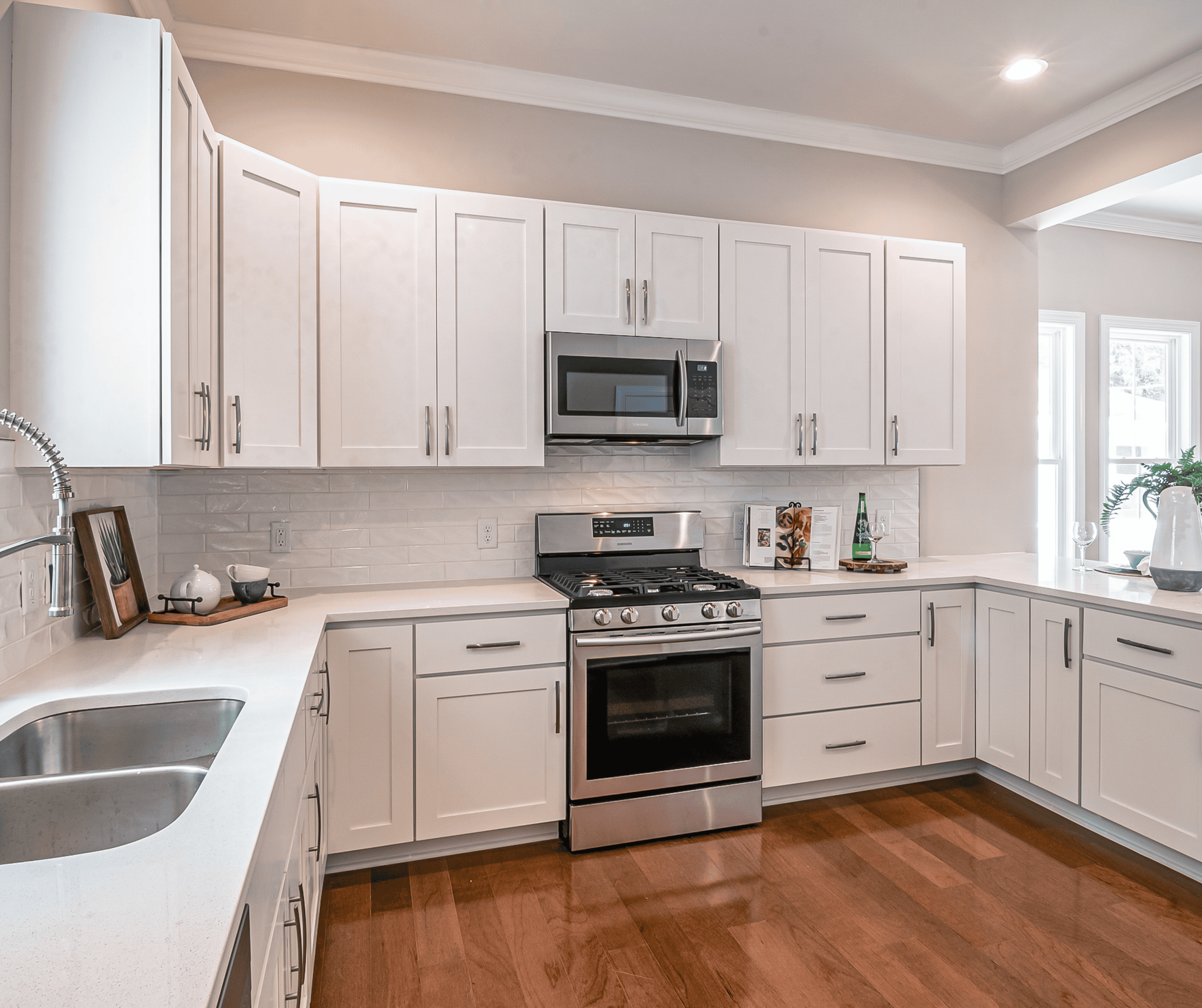
What Cabinet Refacing Actually Means
Cabinet refacing does not mean installing new cabinets.
Instead, the existing cabinet boxes remain in place.
The process typically involves:
• Removing the old cabinet doors and drawer fronts
• Installing new doors and drawer fronts
• Applying a veneer or new finish to the cabinet frames
• Updating hardware such as hinges and handles
When the work is complete, the kitchen looks different on the outside, but structurally it remains the same kitchen underneath.
The cabinet boxes, layout, and internal structure remain exactly as they were before.
For some homeowners, that may be perfectly acceptable.
But for many others, that’s where the limitations begin.
The Biggest Limitation of Cabinet Refacing
The most important thing homeowners need to understand about refacing is this:
It does not change the kitchen itself.
The layout stays the same. The cabinet sizes stay the same. The storage design stays the same. The workflow stays the same.
If your kitchen currently has issues like:
• awkward traffic flow
• limited prep space
• poor storage
• outdated cabinet design
• inefficient layout
refacing will not solve any of those problems. It simply updates the appearance of the doors.
That’s why many homeowners describe refacing as a cosmetic update rather than a true renovation, the preverbial “lipstick on a pig”.
Questions Homeowners Should Ask Before Refacing Cabinets
Before deciding whether cabinet refacing makes sense, it’s helpful to step back and ask a few important questions about your kitchen.
These questions often reveal whether refacing will truly meet your needs or simply delay a larger renovation.
Are you completely satisfied with your kitchen layout?
If there are things about your kitchen that frustrate you — tight spaces, awkward corners, poor workflow — refacing will not change those issues.
Are your cabinet boxes in excellent condition?
Refacing relies on the structural integrity of the existing cabinets. If the boxes are worn or damaged, refacing may not be a good long-term solution.
Be sure to check the shelves inside your cabinets as well. This is where cabinets wear and age the most. Over time, shelves will sag with the weight of what was stored on them.
Do you want improved storage solutions?
Modern kitchens often include features like pull-out drawers, built-in recycling, and clever corner cabinet systems. These improvements usually require new cabinetry.
Are you planning to stay in your home long term?
If you plan to enjoy your kitchen for the next 10–20 years, it may be worth investing in a solution that improves both appearance and functionality.
Taking the time to consider these questions can help ensure that whatever decision you make truly improves your kitchen experience.
The Kitchen Layout Question
One of the first questions we ask homeowners when discussing cabinet refacing is simple:
Are you completely happy with your kitchen layout?
Not mostly happy. Not “it works well enough.” But truly happy.
Because once cabinets are refaced, the layout becomes locked in.
You’re committing to the same:
• cabinet placement
• appliance locations
• work zones
• storage configuration
If your kitchen layout was designed 20 or 30 years ago, there’s a good chance it no longer reflects how people use kitchens today.
Modern kitchen design focuses heavily on things like:
• improved workflow
• better storage solutions
• larger prep areas
• more efficient appliance placement
• better lighting and electrical access
Refacing doesn’t allow any of those improvements.
The Real Cost Difference Between Refacing and Replacing Cabinets
One of the biggest reasons homeowners consider cabinet refacing is the belief that it will be significantly cheaper than installing new cabinets.
And while refacing is usually somewhat less expensive, the difference is often much smaller than people expect.
In many kitchens, refacing ends up costing only about 10–15% less than replacing the cabinets entirely.
That surprises a lot of homeowners, especially because refacing is often marketed as a budget alternative to a full kitchen renovation.
To understand why the savings can be relatively small, it helps to look at where the real cost of cabinetry comes from.
Where the Cost of Kitchen Cabinets Actually Comes From
When homeowners look at a kitchen cabinet, they often assume the cabinet box itself must be the most expensive part.
In reality, the opposite is often true.
The cabinet boxes are typically the least expensive part of the system.
The most expensive components of cabinetry are usually:
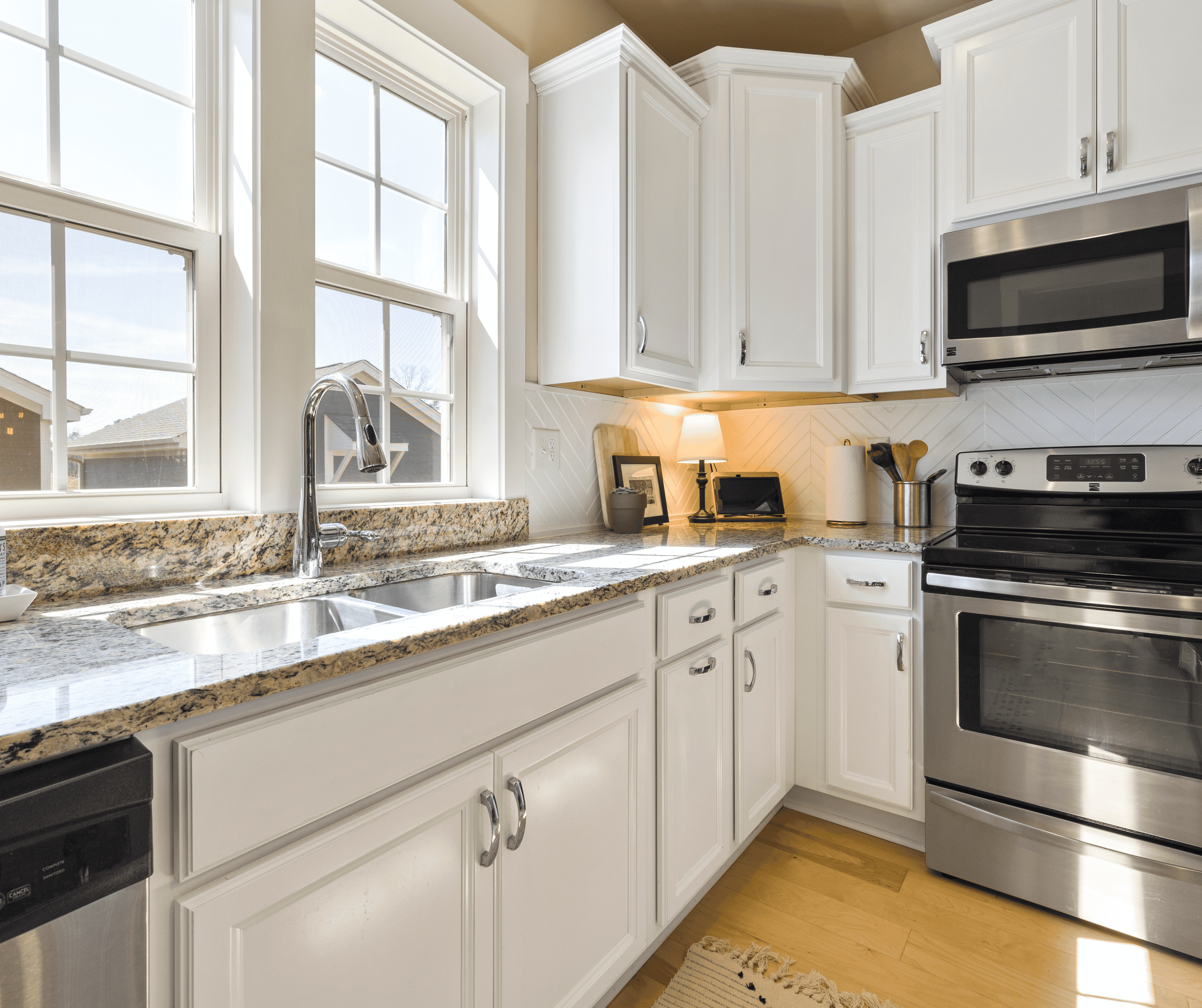
• cabinet doors
• drawer fronts
• drawer boxes and hardware
• finishing and detailing
These are the elements you see and interact with every day, and they require precise manufacturing and finishing.
When cabinets are refaced, all of those expensive components still need to be replaced.
New doors and drawer fronts are installed, which means homeowners are still paying for the largest portion of the cabinetry cost.
Why Colour Changes Make Refacing Much More Labour Intensive
Refacing becomes even more complex when homeowners want to change the colour of their kitchen.
A very common example is when homeowners want to update honey oak cabinets to white.
At first glance, it may seem like a simple door replacement. But in reality, much more work is involved.
To properly reface cabinets in this situation, the following may be required:
• rebonding or rebanding every shelf edge
• applying veneers or panels to exposed cabinet ends
• installing new gables on cabinet sides
• finishing interior edges to match the new colour
• carefully adjusting doors and hardware to fit existing cabinet boxes
All of this work is extremely labour intensive.
Because the cabinet boxes were not originally built for the new door style or colour, significant effort is required to make the finished kitchen look cohesive.
And labour, as homeowners know, is often the most expensive part of any renovation project.
When Refacing Costs Start Getting Close to Replacement
Once you factor in the cost of:
• new doors and drawer fronts
• new hardware
• veneers or panels
• labour to modify the existing cabinets
the total cost of refacing can start approaching the cost of installing brand new cabinetry.
At that point, many homeowners pause and ask an important question:
If the cost difference is relatively small, does it make more sense to invest in a kitchen that truly improves how the space functions?
Replacing cabinets allows homeowners to address things that refacing cannot change, such as:
• improving the layout
• adding modern storage solutions
• upgrading cabinet construction
• designing the kitchen around how they actually cook and live today
For many people, that additional flexibility makes the investment in new cabinetry much more worthwhile.
If you’re starting to think about updating your kitchen but aren’t sure which direction makes the most sense, that’s completely normal. Every kitchen—and every homeowner’s priorities—are different, so taking time to explore the options carefully can help ensure the investment you make truly improves how your kitchen works for you. If you’d like to talk through your ideas or ask questions about your own space, we’re always happy to help.
When Refacing May Still Make Sense
There are situations where refacing can still be a reasonable option.
For example, if a kitchen already has:
• an excellent layout
• cabinet boxes in great condition
• a desire for only a small visual update
refacing may provide the refresh a homeowner is looking for.
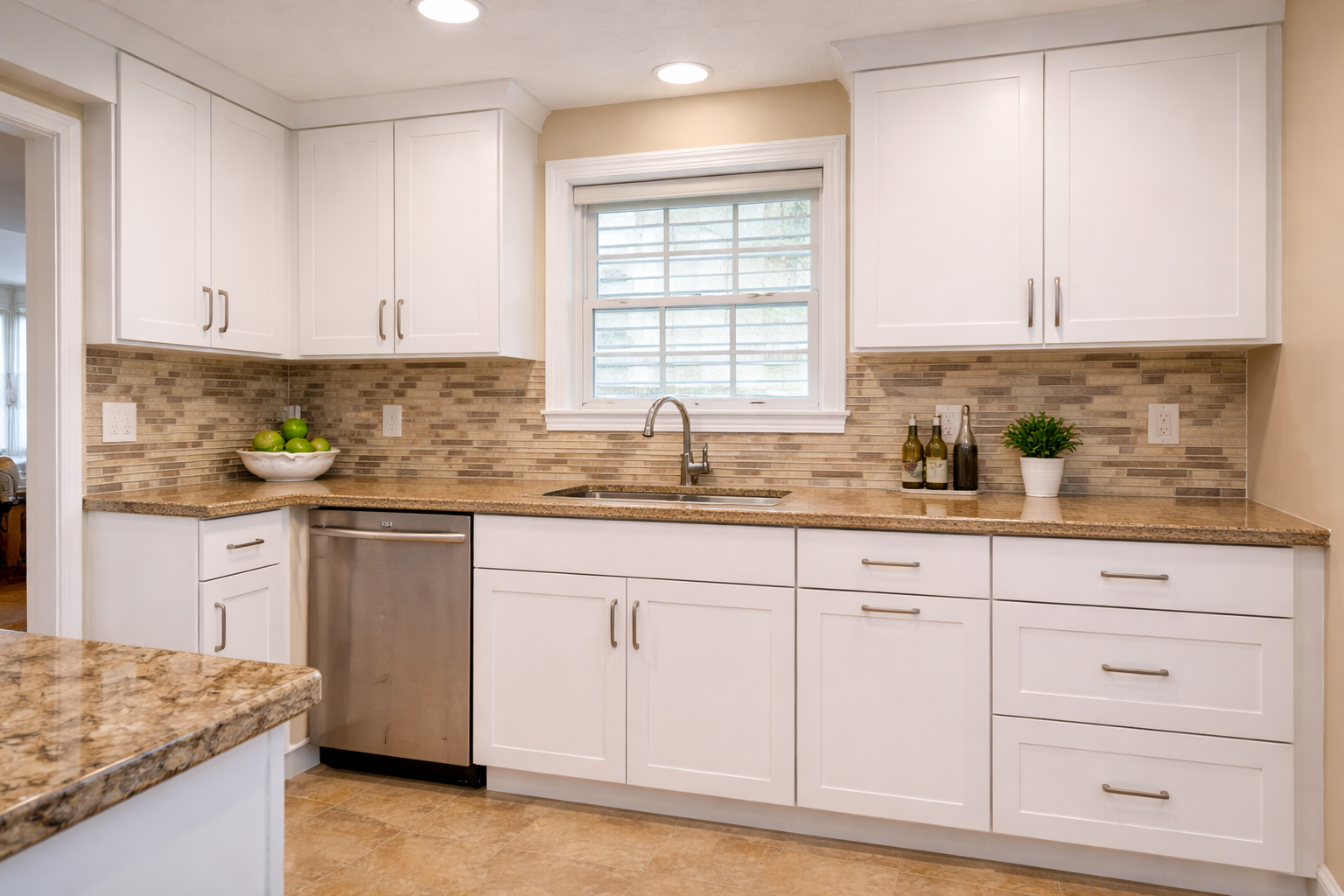
One of the most common situations where refacing works well is when homeowners are simply refreshing white cabinets with new white doors.
In those cases, the amount of modification required can be minimal, which keeps labour costs lower.
But when major colour changes or structural adjustments are involved, the economics often shift much closer to the cost of installing new cabinets.
Aging Cabinet Boxes: The Part Nobody Talks About
Another factor homeowners often overlook is the condition of the cabinet boxes themselves.
Cabinet refacing keeps those original boxes.
But if your kitchen is 20, 30, or even 40 years old, those cabinets have already experienced decades of daily use.
Over time, cabinet boxes may develop issues like:
• worn hinges
• weakened particle board
• drawer slides that no longer function smoothly
• interior shelving that sags under weight
• moisture damage near sinks or dishwashers
Refacing addresses the exterior appearance of the cabinets. It does not address the underlying structure.
Installing new doors onto aging cabinet boxes may improve the look, but the kitchen still relies on the original framework.

Storage Design Has Changed Dramatically
Kitchen storage has evolved tremendously over the past couple of decades.
Modern cabinetry offers features that simply didn’t exist in older kitchens, such as:
• deep drawer storage for pots and pans
• pull-out pantry systems
• built-in recycling and waste stations
• soft-close drawer hardware
• corner cabinet solutions that maximize space
• integrated tray and baking sheet storage
These innovations dramatically improve the usability of a kitchen. Refacing does not add these improvements. You’re still working with the same interior cabinet structure that was originally installed.
For homeowners who struggle with storage, replacing cabinets often creates a much more functional kitchen experience.
The Value of Starting Fresh
Replacing cabinets allows homeowners to take a step back and reconsider how the kitchen functions.
Instead of working around existing constraints, you can design a space that better supports how you cook, entertain, and live in your home.
That may include improvements such as:
• expanding prep space
• improving traffic flow
• creating better storage
• adding modern appliances
• introducing an island or peninsula
• improving lighting and electrical access
These changes can dramatically improve the experience of using the kitchen every day. And that’s something refacing simply cannot accomplish.
Budget Concerns and Kitchen Renovations
Many homeowners initially consider refacing because they assume a full renovation will be far beyond their budget.
But there are ways to manage renovation costs without compromising the long-term value of the project.
For example:
• keeping the existing kitchen layout can reduce plumbing and electrical costs
• choosing quality mid-range cabinetry instead of high-end custom cabinets
• prioritizing functional improvements over purely decorative features
• planning upgrades strategically
When homeowners explore these options, they often discover that a full cabinet replacement may be more achievable than they originally thought.
A Kitchen Renovation Is One of the Best Investments You Can Make in Your Home
Kitchen renovations consistently rank among the home improvements with the highest return on investment.
When planned strategically, many kitchen renovations can recoup 75–100% of their value when the home is sold. Even if you’re not planning to move anytime soon, that kind of return makes a kitchen renovation one of the most financially sensible improvements homeowners can make.
That’s one reason many homeowners pause before investing in cabinet refacing.
If refacing only improves the appearance of the cabinets but leaves the layout, storage, and functionality unchanged, the long-term value may be limited.
Replacing cabinets, on the other hand, allows homeowners to improve the kitchen in ways that buyers — and homeowners themselves — truly value. Things like better workflow, improved storage, modern cabinetry construction, and thoughtful design all contribute to a kitchen that feels both more functional and more desirable.
When the cost difference between refacing and replacing cabinets is relatively small, many homeowners decide it makes more sense to invest in a renovation that fully improves the kitchen rather than simply updating the surface of it.
After all, the kitchen is often considered the heart of the home. Investing in a space that works beautifully for everyday life — and holds its value over time — is something most homeowners never regret.
Making the Right Decision for Your Home
Every kitchen is different, and every homeowner’s priorities are unique.
The right decision ultimately depends on factors such as:
• the condition of the existing cabinets
• how well the layout works
• the goals of the renovation
• long-term plans for the home
Taking the time to evaluate these factors carefully helps ensure that any investment you make in your kitchen truly improves the space.
Frequently Asked Questions About Cabinet Refacing
How long does cabinet refacing last?
The lifespan of refacing depends heavily on the condition of the original cabinet boxes. If the cabinets are already aging, the refacing may not last as long as homeowners expect.
Does cabinet refacing increase home value?
While refacing can improve the appearance of a kitchen, buyers often place greater value on kitchens that have been fully renovated with modern cabinetry and layout improvements.
Can the kitchen layout change during refacing?
No. Refacing works with the existing cabinet structure, so the layout remains exactly the same.
Is refacing messy?
Refacing is generally less disruptive than a full renovation, but it still involves removing doors, preparing cabinet surfaces, and installing new materials.
Thinking About Updating Your Kitchen?
If you’re considering updating your kitchen and aren’t sure whether refacing or replacing cabinets is the right choice, we’d be happy to talk through your options.
At Multi-Trade Building Services, we’ve spent over 35 years helping homeowners create kitchens that not only look beautiful but also function better for everyday life.
If you’d like to discuss your kitchen and explore what might work best for your home, reach out to us today.
📞 905-999-8524
📧 info@multitradebuildingservices.com
Because the goal of a kitchen renovation isn’t just to make the room look new.
It’s to create a space that works beautifully for the way you live today.

If you’re exploring the idea of updating your kitchen, you might also find it helpful to learn more about the design decisions that have the biggest impact on both function and long-term value. We’ve written several other kitchen renovation guides that walk through layout planning, budgeting, and the choices homeowners often wish they had considered sooner.
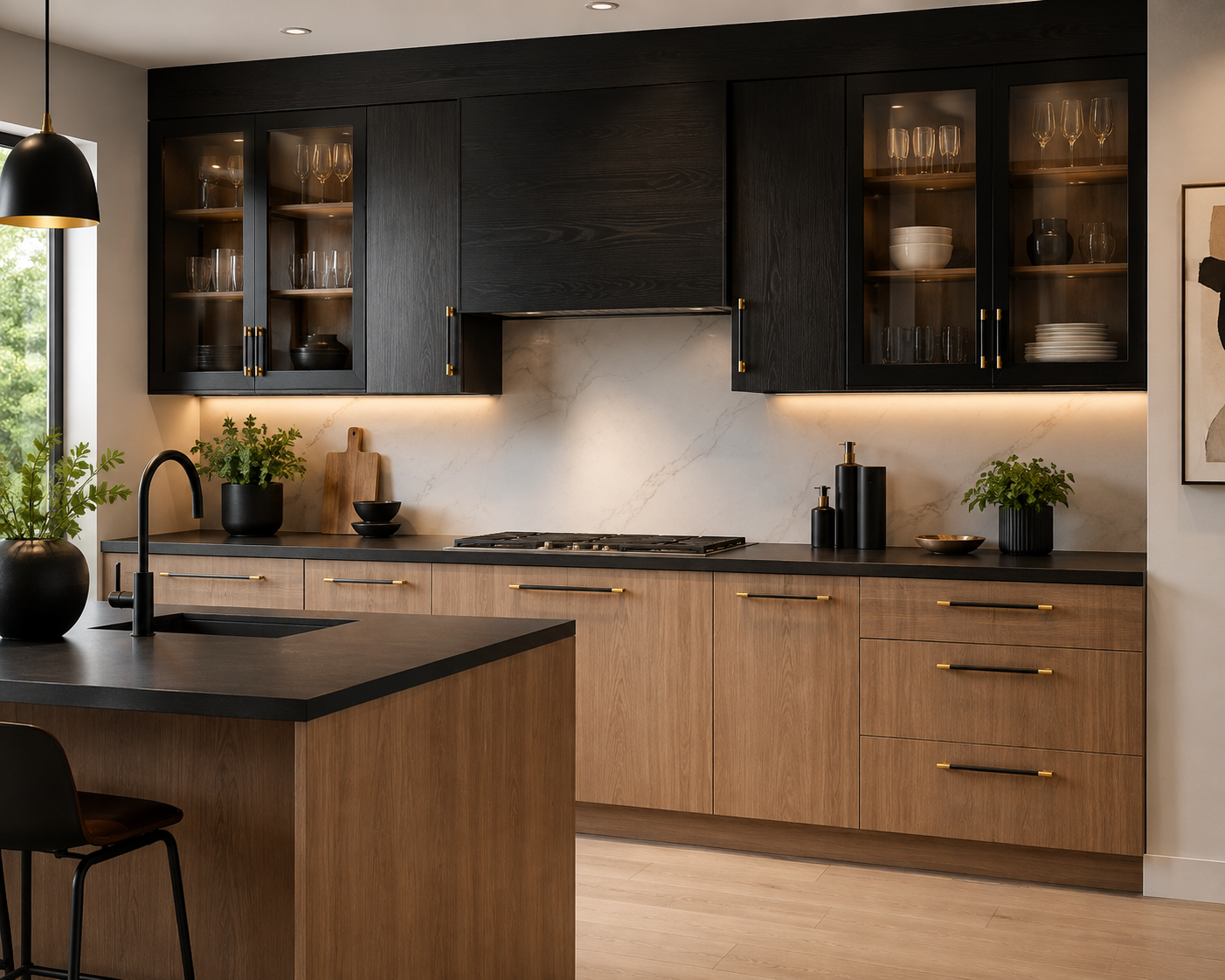
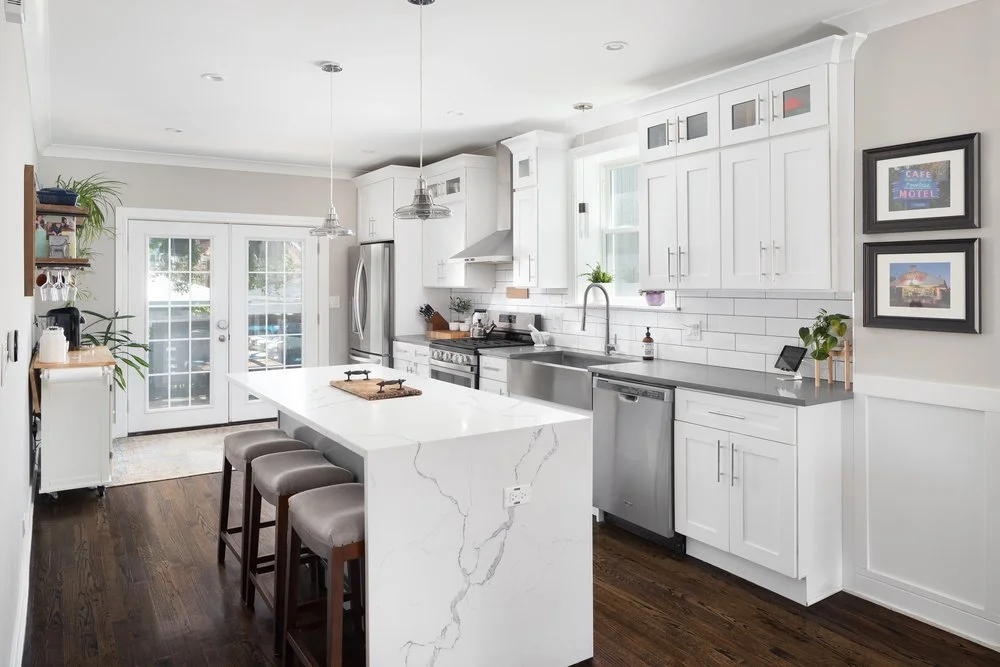
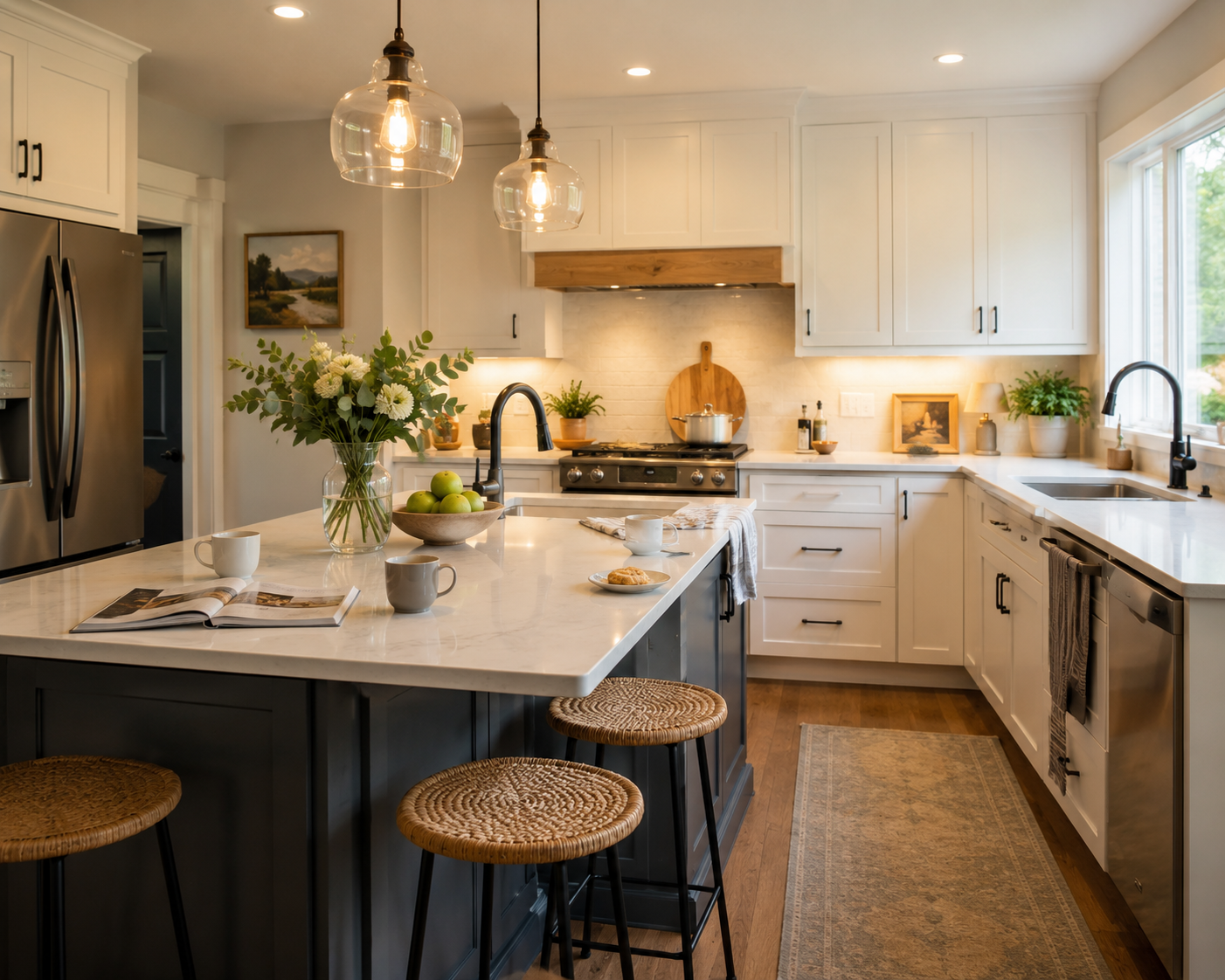
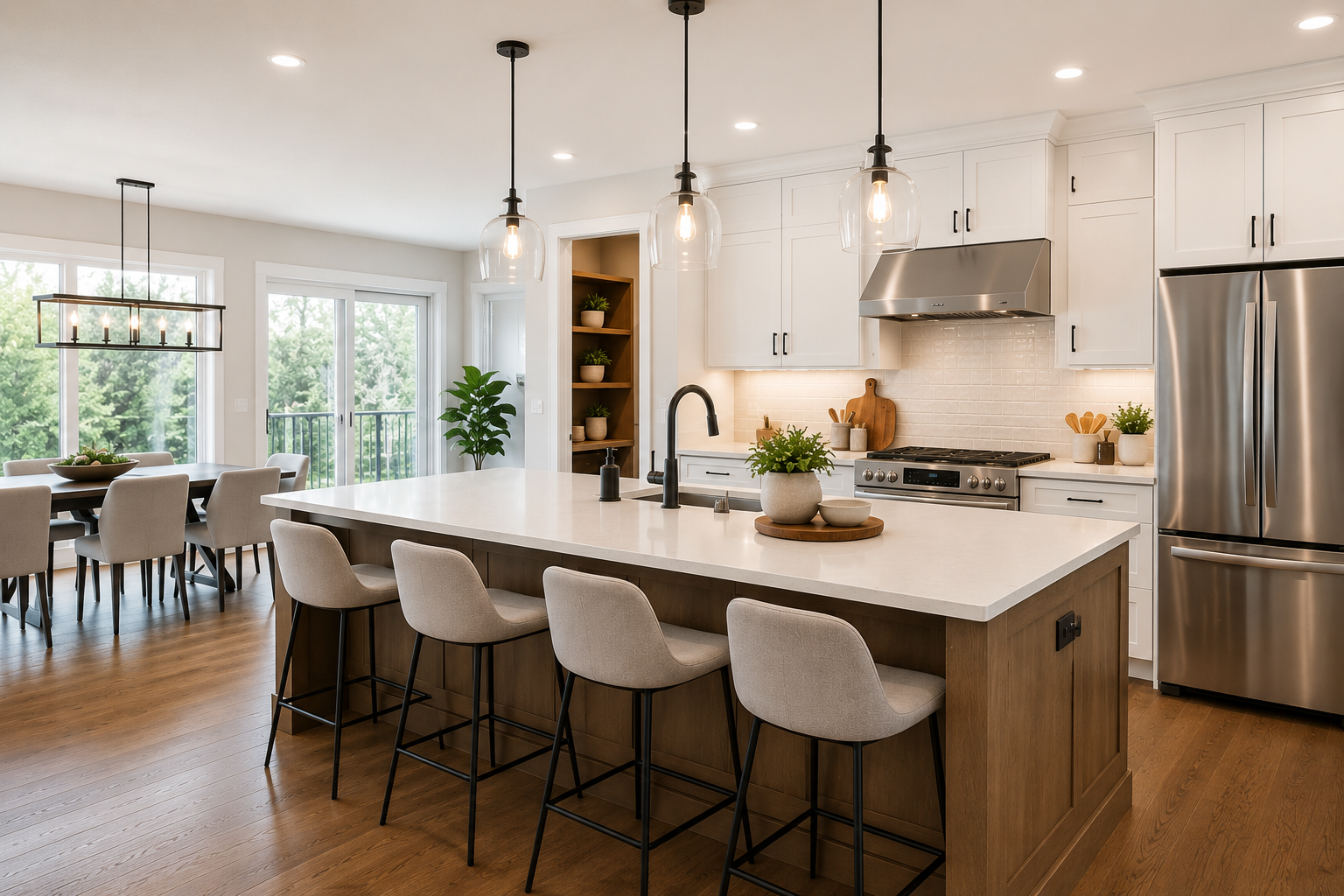




A kitchen island can be one of the best additions to your kitchen—but only when it’s designed around the way you actually live. From making it too big to overlooking seating, storage and walkways, small planning mistakes can make a big difference. Before you finalize your kitchen renovation, discover 10 common kitchen island mistakes and how to avoid them.