
Aluminum Wiring in Homes: The Complete Guide for Ontario Homeowners
/If you own a home built in the 1960s or 1970s, there’s a good chance you’ve heard someone mention aluminum wiring.
Maybe a home inspector brought it up.
Maybe your insurance company asked about it.
Or maybe you opened an electrical panel one day and saw the word ALUMINUM stamped on a wire.
And suddenly you're wondering:
Is this dangerous?
Should I replace it?
Why was aluminum used in the first place?
How do I even know if my house has it?
Let’s start with the most important thing first:
Aluminum wiring is not automatically unsafe.
Millions of homes across North America still have aluminum wiring today. The key issue isn’t the aluminum itself. The real problem happens when aluminum wiring is not properly maintained, repaired, or connected using the correct devices.
That’s where problems begin.
At Multi-Trade Building Services, we’ve been working in homes throughout Durham Region and Clarington for over 35 years, and aluminum wiring is something we encounter regularly. In most cases, the solution is straightforward and manageable.
This guide will walk you through everything you need to know:
• What aluminum wiring actually is
• Why it was used in homes
• Which houses typically have it
• How to tell if your home has aluminum wiring
• What the real risks are
• The safe ways to deal with it
• What homeowners should (and shouldn’t) worry about
Our goal isn’t to scare you.
It’s to give you clear, practical information so you can make informed decisions about your home.
The History of Aluminum Wiring
To understand aluminum wiring, it helps to look at why it became popular in the first place.
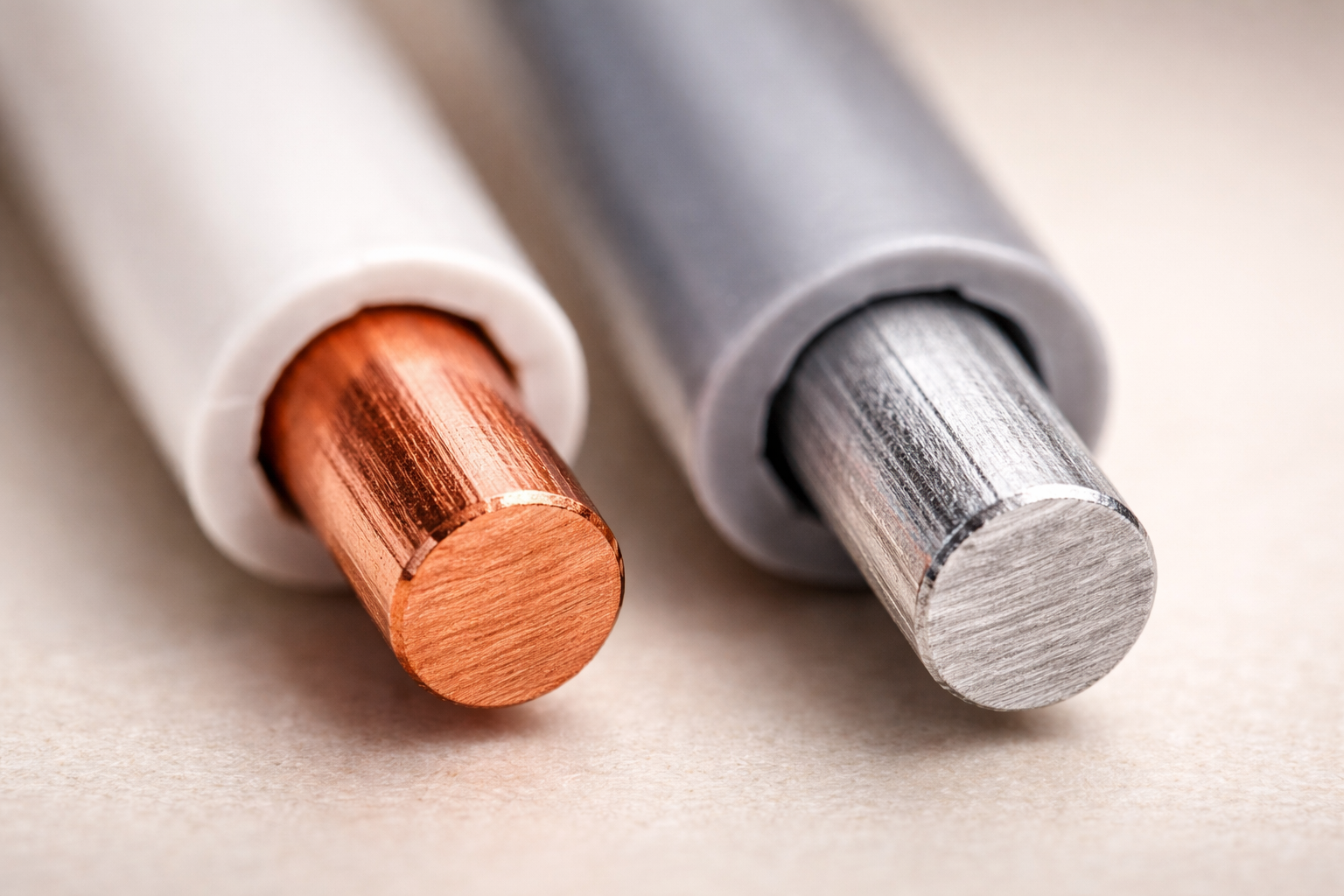
For decades, copper wiring was the standard material used in residential electrical systems. Copper conducts electricity extremely well and is durable, making it ideal for electrical wiring.
However, in the mid-1960s, a major issue arose:
Copper prices skyrocketed.
The demand for copper surged due to industrial growth, the Vietnam War, and large infrastructure projects. As copper became more expensive, builders and electricians began looking for alternatives.
That’s when aluminum wiring entered the picture.
Aluminum had several appealing characteristics:
• It was much cheaper than copper
• It was lighter and easier to install
• It was already used successfully in high-voltage power lines
Aluminum wiring was most commonly installed in homes built between the mid-1960s and late 1970s, when rising copper prices pushed builders to look for alternative materials.
While the peak years were roughly 1965 to 1975, aluminum wiring continued to appear in some homes into the late 1970s and early 1980s, particularly in Ontario subdivisions built during that time.
Thousands of homes were wired with aluminum branch circuits during this time. At the time, it seemed like a reasonable solution. Unfortunately, it didn’t take long for problems to emerge.
Why Aluminum Wiring Became a Concern
The issue wasn’t that aluminum conducted electricity poorly. In fact, aluminum does conduct electricity quite well.
The problem lies in how aluminum behaves mechanically and chemically compared to copper.
There are several key differences:
1. Aluminum Expands and Contracts More
When electricity flows through wires, they heat up slightly.
Aluminum expands more than copper when heated and contracts more when cooled.
Over time, this constant expansion and contraction can cause connections to loosen, especially at switches and outlets.
Loose connections create resistance. Resistance creates heat. Heat can lead to sparks or electrical fires.
2. Aluminum Oxidizes
When aluminum is exposed to air, it forms aluminum oxide on the surface.
Aluminum oxide is not a good conductor of electricity.
If oxidation forms at a connection point, it increases resistance and heat buildup.
3. Aluminum Is Softer Than Copper
Aluminum is more prone to nicking, damage, and compression when screws are tightened.
Improperly installed connections can deteriorate over time.
4. Early Devices Were Not Designed for Aluminum
This is one of the most important issues.
In the early years of aluminum wiring, many switches and receptacles were designed only for copper wiring.
When aluminum wires were attached to copper-rated devices, connections could loosen and overheat.
While devices specifically designed for aluminum wiring do exist today (these are labelled CO/ALR), many modern decorative switches and receptacles are still rated for copper wiring only.
This becomes a problem when homeowners update their homes with popular Decora-style switches and receptacles without realizing they are not approved for aluminum wiring.
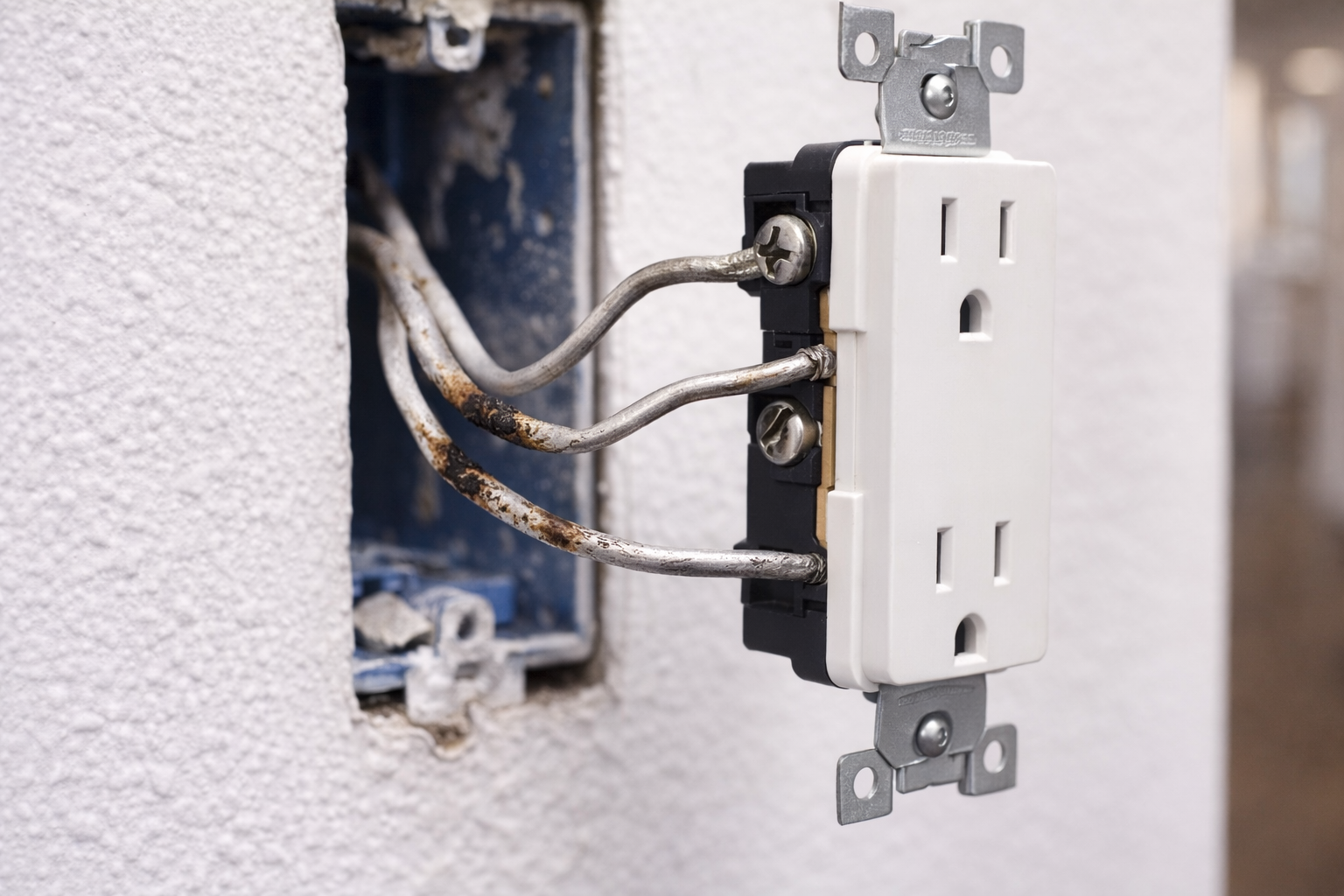
In fact, this is one of the most common aluminum wiring hazards we encounter in homes throughout Durham Region. Aluminum wiring connected to devices that are not rated for it can loosen over time, creating heat, sparking, and potential fire risks.
What Years of Homes Typically Have Aluminum Wiring?
Most aluminum wiring in residential homes was installed between:
1965 and 1975
Homes built before 1965 are almost always wired with copper.
Homes built after the late 1970s typically returned to copper wiring once the risks associated with aluminum were better understood.
However, there are exceptions.
Some homes built into the early 1980s may still contain aluminum branch circuits.
If your home was built between 1965 and early 1980s, it’s worth investigating further.
How to Tell If Your Home Has Aluminum Wiring
If you’re unsure whether your home has aluminum wiring, there are several ways to check. You don’t need to dismantle your electrical system to get a good indication.
Here are a few simple steps homeowners can take.
Step 1: Check Your Electrical Panel
Open the electrical panel door and look at the wiring entering the breakers.
Many aluminum wires are stamped with markings such as:
ALUM
ALUMINUM
AL
If you see these markings, it’s a strong indicator that aluminum wiring is present.
Step 2: Look at Exposed Wiring
Sometimes wiring is visible in basements, unfinished ceilings, or utility rooms.
Copper wiring has a reddish colour.
Aluminum wiring has a silvery grey appearance.
Step 3: Remove a Switch or Outlet Cover Plate
If you're comfortable doing so, you can remove the decorative cover plate from a receptacle or switch.
(Always turn off the breaker first.)
Look at the wire connected to the device.
If it appears silvery instead of copper-coloured, it may be aluminum.
Step 4: Check the Markings on the Cable Jacket
Many aluminum cables are labelled with markings such as:
• ALUMINUM
• ALUM
• AL
These markings are often printed along the insulation.
Step 5: Look at the Devices
Another clue involves modern decorative switches and receptacles.
The popular rectangular Decora-style devices are typically rated for copper wiring only.
If your home has aluminum wiring connected to these devices without proper adaptation, it may indicate a safety concern.
If you’re unsure whether your home contains aluminum wiring, or if you’d simply like peace of mind that everything is operating safely, it may be worth having a qualified electrician take a look.
At Multi-Trade Building Services, we’ve been helping homeowners across Durham Region and Clarington with electrical inspections, repairs, and upgrades for over 35 years.
👉 Learn more about our electrical services or contact us if you have questions about aluminum wiring in your home.
The Most Common Aluminum Wiring Hazard
In our experience, the biggest issue we see is not the aluminum wiring itself.
It’s improper devices connected to aluminum wiring.
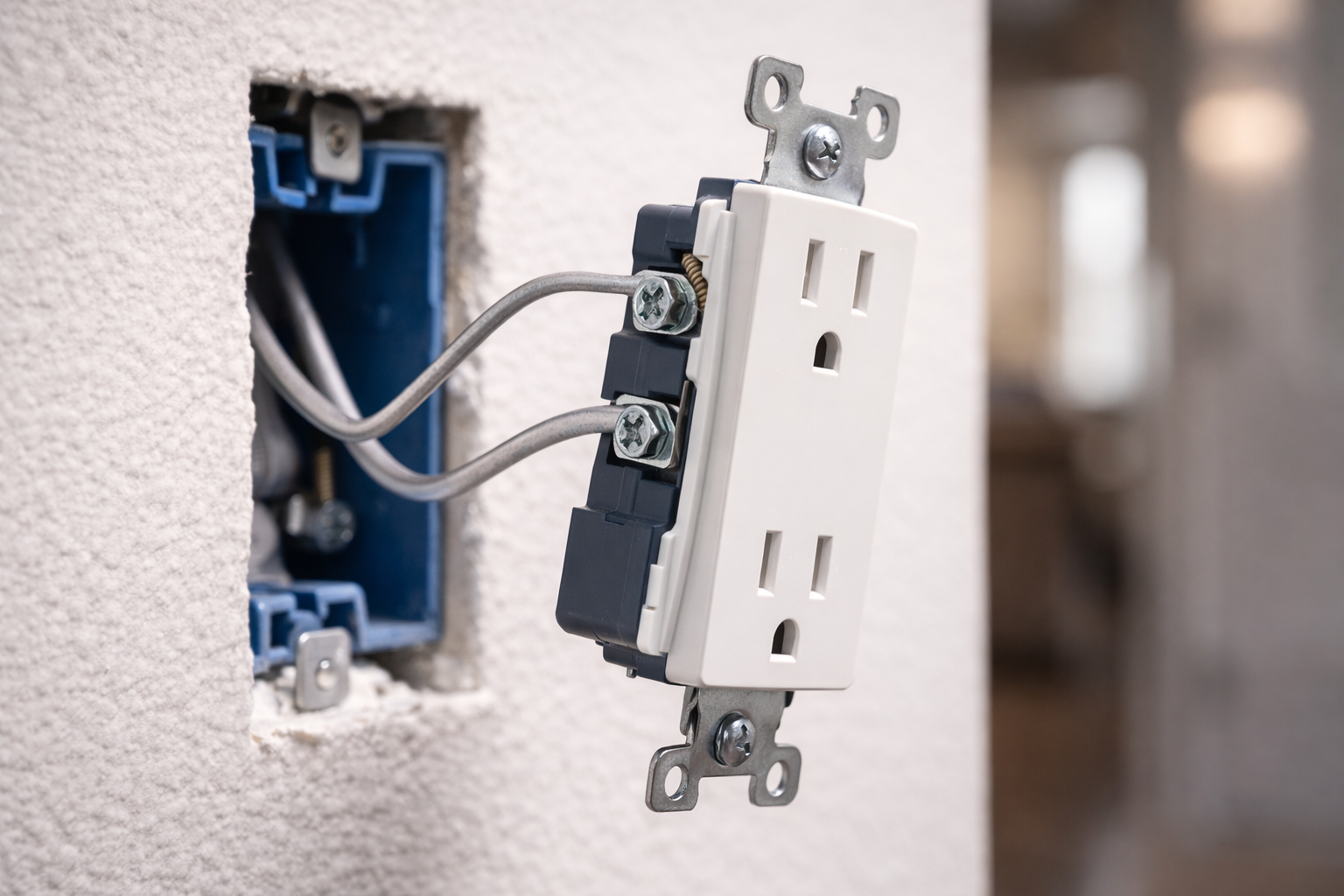
Many homeowners upgrade their switches and receptacles to modern styles such as:
• Decora switches
• USB outlets
• Smart switches
• Designer receptacles
The problem?
Most of these devices are not rated for aluminum wiring.
If aluminum wire is connected directly to these devices, the connection can loosen over time.
Loose connections can cause:
• overheating
• sparking
• electrical arcing
• damage inside the wall
In extreme cases, it can lead to fires.
In fact, one of our long-term clients first contacted us after sparks appeared behind a switch in their entryway. The home had aluminum wiring, but decorative switches had been installed that were not rated for aluminum.
The connection loosened, overheated, and eventually caused a small fire.
Thankfully it was caught early.
But it's a perfect example of why maintenance and proper devices are essential.

Is Aluminum Wiring Safe?
This is the question everyone asks.
The answer is nuanced.
Aluminum wiring can be safe when properly installed and maintained.
Many homes have operated safely for decades with aluminum wiring.
However, aluminum wiring requires more attention than copper wiring.
Key safety factors include:
• Proper connections
• Aluminum-rated devices
• Regular inspections
• Correct repairs
When these things are addressed, aluminum wiring can function safely.
Problems arise when homeowners or inexperienced electricians treat aluminum wiring the same as copper wiring.
What Should Homeowners Do If They Have Aluminum Wiring?
If your home has aluminum wiring, you have several options.
Each approach has different costs and levels of intervention.
Option 1: Regular Inspections and Maintenance
For many homeowners, this is the simplest solution.
An electrician can periodically inspect:
• switches
• receptacles
• junction boxes
• panel connections
Connections can be tightened and checked for signs of overheating.
Experts often recommend inspection every 3 to 5 years.
This helps catch issues early before they become dangerous.
Option 2: Copper Pigtailing
This is one of the most common and effective solutions.
A short piece of copper wire is attached to the aluminum wire using a special connector.
The copper wire then connects to the switch or outlet.
This allows modern devices to be used safely.
Proper pigtailing requires:
• approved connectors
• antioxidant compound
• proper installation techniques
When done correctly, this is considered a reliable solution.
Option 3: Aluminum-Rated Devices
Some switches and receptacles are specifically designed for aluminum wiring.
These are labelled CO/ALR.
They are built to handle aluminum’s expansion and contraction characteristics.
However, these devices are less common, more expensive than most copper rated devices, and may limit design choices.
Option 4: Complete Rewiring
The most extensive option is replacing aluminum wiring with copper wiring.
This is typically only done during:
• major renovations
• full electrical upgrades
• gut remodels
Complete rewiring can be expensive and disruptive.
In most cases, pigtailing is a more practical solution.
Insurance and Aluminum Wiring
Some insurance companies require proof that aluminum wiring has been inspected or upgraded.
They may ask for:
• electrician inspection reports
• proof of pigtailing
• confirmation of CO/ALR devices
If you’re buying or selling a home with aluminum wiring, this documentation can be important.
Aluminum Wiring and Home Inspections
Home inspectors often flag aluminum wiring in inspection reports.
This doesn’t mean the home is unsafe.
It simply means the wiring should be evaluated by a qualified electrician.
A professional inspection can determine:
• whether devices are rated properly
• whether connections are secure
• whether upgrades are recommended
When Aluminum Wiring Becomes Dangerous
Aluminum wiring becomes hazardous when:
• connections loosen
• incorrect devices are installed
• DIY electrical work is performed improperly
• maintenance is ignored for decades
The wiring itself isn’t the villain.
Neglect is.
Why Maintenance Matters
Electrical systems are not “install it and forget it.”
Connections age. Devices wear out. Homes evolve.
Regular inspections help ensure your electrical system continues to operate safely.
Signs Your Aluminum Wiring May Need Attention
Signs Your Aluminum Wiring May Need Attention
If your home has aluminum wiring, there are a few warning signs that should prompt an inspection:
• Flickering lights
• Warm switches or outlets
• A burning plastic smell near outlets
• Discoloured receptacle plates
• Sparking when switches are used
• Frequently tripping breakers
These signs don’t automatically mean there’s a serious problem, but they do mean the system should be inspected by a qualified electrician.
Aluminum Wiring in Durham Region Homes
Because of the housing boom during the late 1960s and early 1970s, aluminum wiring is still present in many homes across:
• Oshawa
• Whitby
• Ajax
• Pickering
• Courtice
• Bowmanville
• Newcastle
We regularly inspect and upgrade aluminum wiring in homes throughout these communities.
For many homeowners, it’s simply a matter of ensuring the wiring is properly maintained and adapted for modern devices.
The Bottom Line
If your home has aluminum wiring, there’s no need to panic.
But it’s not something to ignore either.
The key steps are:
• Identify whether aluminum wiring is present
• Ensure switches and receptacles are properly rated
• Have the system inspected periodically
• Address any deficiencies promptly
When aluminum wiring is properly maintained, it can continue to operate safely.
Need an Aluminum Wiring Inspection?
If you're unsure whether your home has aluminum wiring or want peace of mind that your system is safe, a professional inspection is the best place to start.
At Multi-Trade Building Services, we’ve been helping homeowners throughout Durham Region and Clarington for over 35 years.
We provide clear, honest assessments and practical solutions so you can feel confident about your home's electrical system.
If you have questions about aluminum wiring or would like to schedule an inspection, we’re always happy to help.
Because at the end of the day, you should feel safe and comfortable in the home you love.

Electrical systems are just one part of keeping your home safe and well maintained. If you’d like to learn more about other common electrical issues and home maintenance tips, you may find these articles helpful.
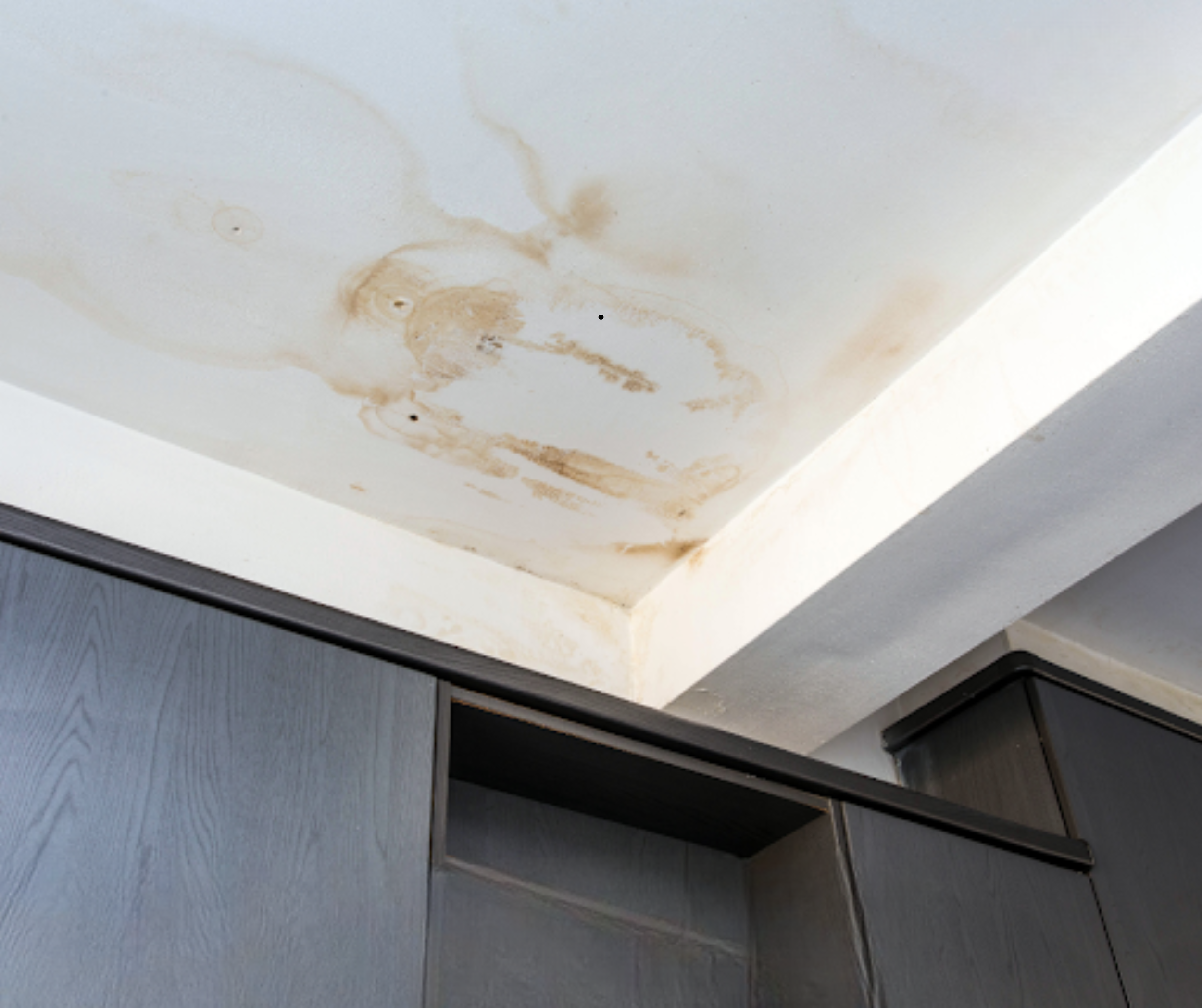






That tiny drip under the sink or mysterious stain on the ceiling might not seem urgent, but small plumbing leaks can quietly cause significant damage over time. Here are five leaks worth watching for, the warning signs you shouldn’t ignore, and how catching them early could save you from a much bigger repair bill.