

How to Spot Water Damage Early (Before It Turns Into a Bigger Problem)
/
Water damage is one of those things most homeowners don’t think about until suddenly they have to.
It rarely starts with a dramatic flood or a burst pipe. More often, it begins quietly — a faint stain on the ceiling, a subtle musty smell, or a floor that feels just a little different under your feet.
It’s easy to dismiss those signs in the moment. Life is busy, and it doesn’t seem urgent. But after decades of working in homes across Durham Region and Clarington, we can tell you this with confidence: water problems rarely stay small.
The good news is that when caught early, many water issues are manageable and far less disruptive than people expect. Knowing what to look for gives you the chance to act before a minor issue turns into a major repair.
Why Water Damage Deserves Your Attention
Water has a way of travelling. It doesn’t politely stay where it started. It seeps into materials, spreads along framing, and settles into places you can’t easily see.
That’s why something that looks small on the surface can affect far more than you’d expect. We’ve opened up walls expecting a simple repair and discovered saturated insulation, early mold growth, and long-term moisture damage hiding behind perfectly normal-looking drywall.
In most cases, the homeowner didn’t ignore the issue. They simply didn’t realize what they were seeing. The early signs are often subtle, and without experience, they’re easy to miss.
Awareness is one of the most powerful tools you have when it comes to protecting your home.
Seasonal Water Risks Homeowners Should Know
Here in Ontario, water risks tend to shift with the seasons. What causes problems in February isn’t always the same as what shows up in July.
In the spring, melting snow and heavy rain can overwhelm grading, window wells, and sump systems. It’s one of the most common times for homeowners to notice moisture in basements or along foundation walls.
Summer often brings sudden downpours and humidity. That combination can expose issues around windows, exterior doors, and roof penetrations. It’s also when condensation problems tend to show up in poorly ventilated spaces.
Fall is when gutters and downspouts quietly become a bigger deal. Leaves and debris can block proper drainage, allowing water to sit where it shouldn’t.
And winter, of course, brings its own challenges. Ice dams, icicles, and interior condensation can all introduce moisture in ways homeowners don’t expect.
Understanding how water risks change throughout the year helps you stay one step ahead — and often prevents surprises.
The Early Signs Many Homeowners Miss
Some signs of water damage are obvious, but many are easy to overlook if you don’t know what they mean.
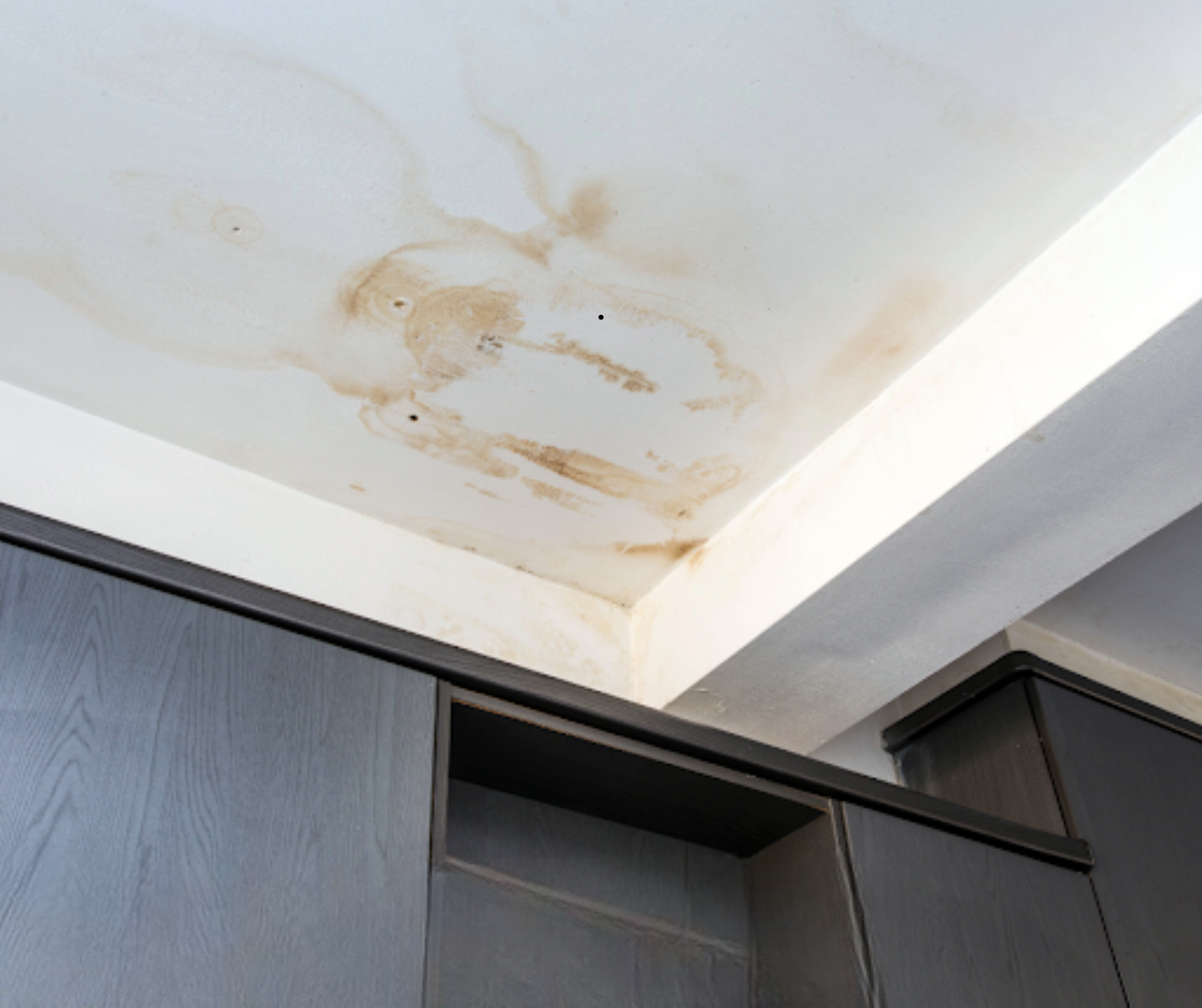
Discolouration on walls or ceilings is one of the most common clues. Yellow or brown marks can indicate slow leaks from plumbing, roof penetrations, or even condensation issues. Sometimes the stain is small and faint, which makes it easy to ignore, but even a tiny mark can point to an active moisture problem.
Changes in flooring are another early warning sign. If a floor starts to feel slightly spongy or uneven, moisture may have worked its way underneath. Hardwood and laminate are especially sensitive to water, and once the subfloor begins absorbing moisture, repairs can become more involved.
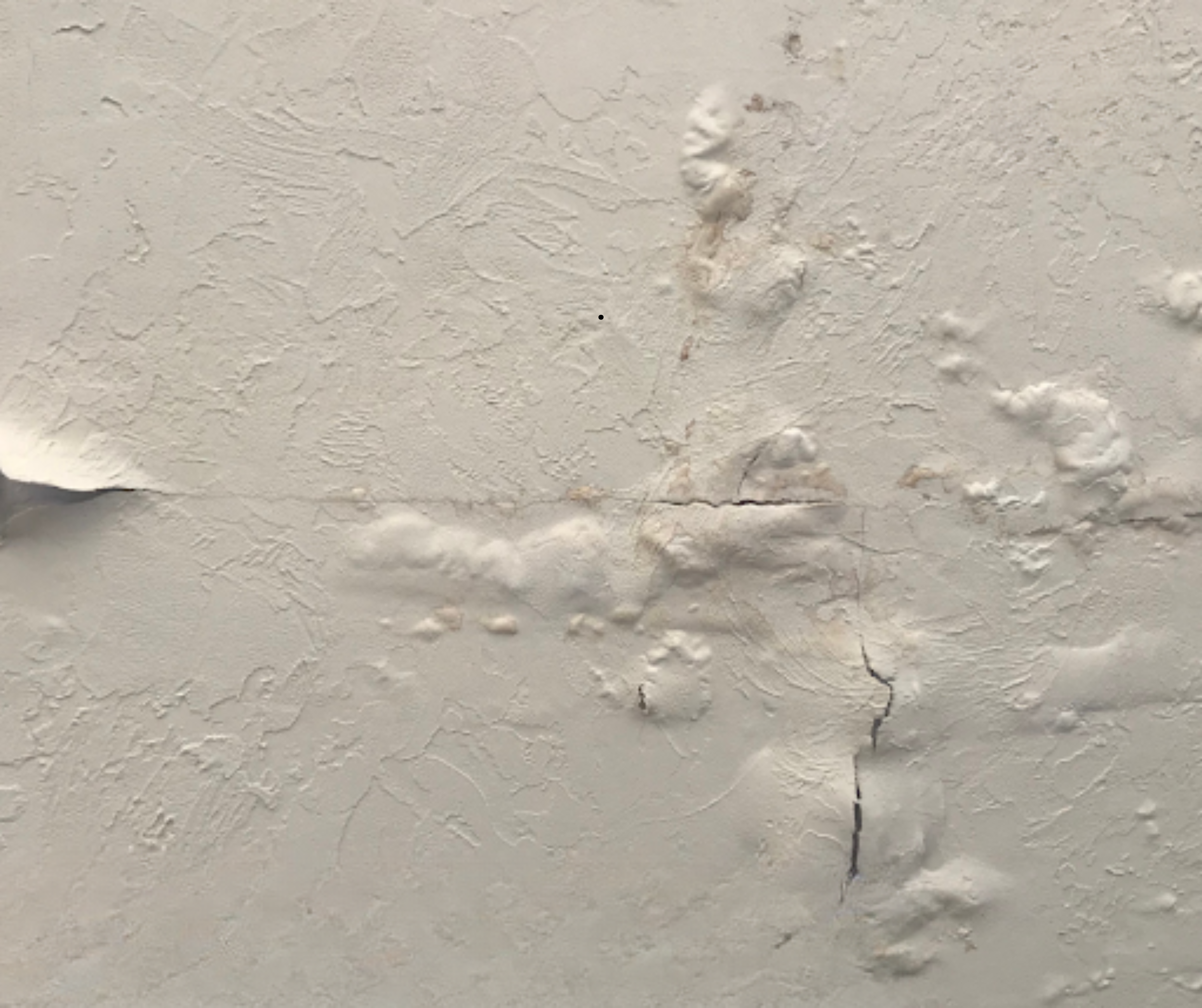
Paint and drywall can also tell a story. Bubbling paint, peeling finishes, or small cracks that seem to spread over time may indicate trapped moisture behind the wall. These are often dismissed as cosmetic issues, but they can be the surface clues of something happening deeper inside the structure.
Then there’s the smell. A persistent musty odour is often one of the earliest indicators that moisture is present somewhere it shouldn’t be. Basements, laundry rooms, and under-sink areas are common culprits, but the smell can show up anywhere moisture lingers.
Even your water bill can provide a clue. An unexplained increase in usage sometimes points to a hidden plumbing leak quietly running in the background. It’s not always dramatic, but over time, those small leaks can cause significant damage.

One simple way to check for a hidden plumbing leak is by looking at your water meter. Most meters have a row of numbers and a small dial with a needle, but the real giveaway is the tiny indicator — often a small red triangle. That little triangle is incredibly sensitive and will move with even the smallest amount of water flow.
If no water is running in the house — no laundry, no dishwasher, no taps on — that triangle should be completely still. If it’s slowly turning, even slightly, it can indicate a hidden leak somewhere in the system. It might be something small, like a toilet silently refilling or a slow drip you can’t see, but catching it early can prevent a much bigger problem later.
Where Water Damage Commonly Starts
Even when water damage feels unexpected, it usually starts in predictable places. Certain areas of the home are simply more vulnerable because they combine plumbing, moisture, and daily use.
Bathrooms are one of the most common starting points. Toilet seals can wear down over time, and slow leaks often go unnoticed until flooring begins to change. Showers and tubs are another big one, especially when grout, caulking, or waterproofing begins to fail behind the scenes.
Kitchens have their own risk zones. Dishwashers, fridge water lines, and sink plumbing are all frequent culprits. Many of these leaks start slowly and stay hidden inside cabinetry until damage becomes visible.
Laundry rooms are another hotspot, particularly older rubber supply lines that can crack or loosen over time. And in basements, window wells and foundation edges can allow moisture in during heavy rain or spring thaw.
The takeaway isn’t to be worried — it’s simply to be aware. Knowing where problems tend to begin makes them much easier to catch early.
If something in your home doesn’t feel quite right — a stain, a smell, or a subtle change you can’t explain — trust that instinct. Catching small issues early can make all the difference, and sometimes a quick second opinion brings real peace of mind.
What to Do If You Notice Something Suspicious
If you notice any of these signs, the goal isn’t to panic. A calm, thoughtful approach makes a big difference.
The first step is always safety. Water and electricity are not a good combination, and moisture can weaken ceilings or soften flooring. If something feels unstable or unsafe, it’s best to proceed cautiously.
From there, try to identify where the moisture might be coming from. If you suspect a plumbing issue, shutting off the main water valve can prevent further damage while you investigate. If the source isn’t obvious, that uncertainty is often a sign that it’s time to get a professional opinion.
If there’s a chance insurance could be involved, documenting what you see is a smart move. A few photos and a quick video walkthrough can make the process much smoother later on.
When it’s safe and manageable, drying the area early can prevent a small issue from escalating. Increasing airflow, using fans, and running a dehumidifier can make a surprising difference in slowing moisture-related damage.
The Mold Factor
One of the reasons water damage needs prompt attention is how quickly mold can develop.
In the right conditions, mold can begin forming within 24 to 48 hours. It doesn’t always appear as dramatic black patches. Sometimes it starts as faint speckling or subtle discolouration in corners and along baseboards.
The challenge is that mold isn’t just a cosmetic concern. It can affect air quality and, in some cases, trigger health sensitivities. That’s why early drying and monitoring are so important after any water exposure.
If you notice growth spreading or a persistent musty smell that doesn’t resolve, it’s wise to bring in experienced help.
What Water Can Do Over Time
One of the reasons water damage deserves prompt attention is how quietly it can affect materials over time.
Moisture weakens wood, softens drywall, and reduces the effectiveness of insulation. Even small amounts of lingering water can slowly impact structural components that are never meant to stay damp.
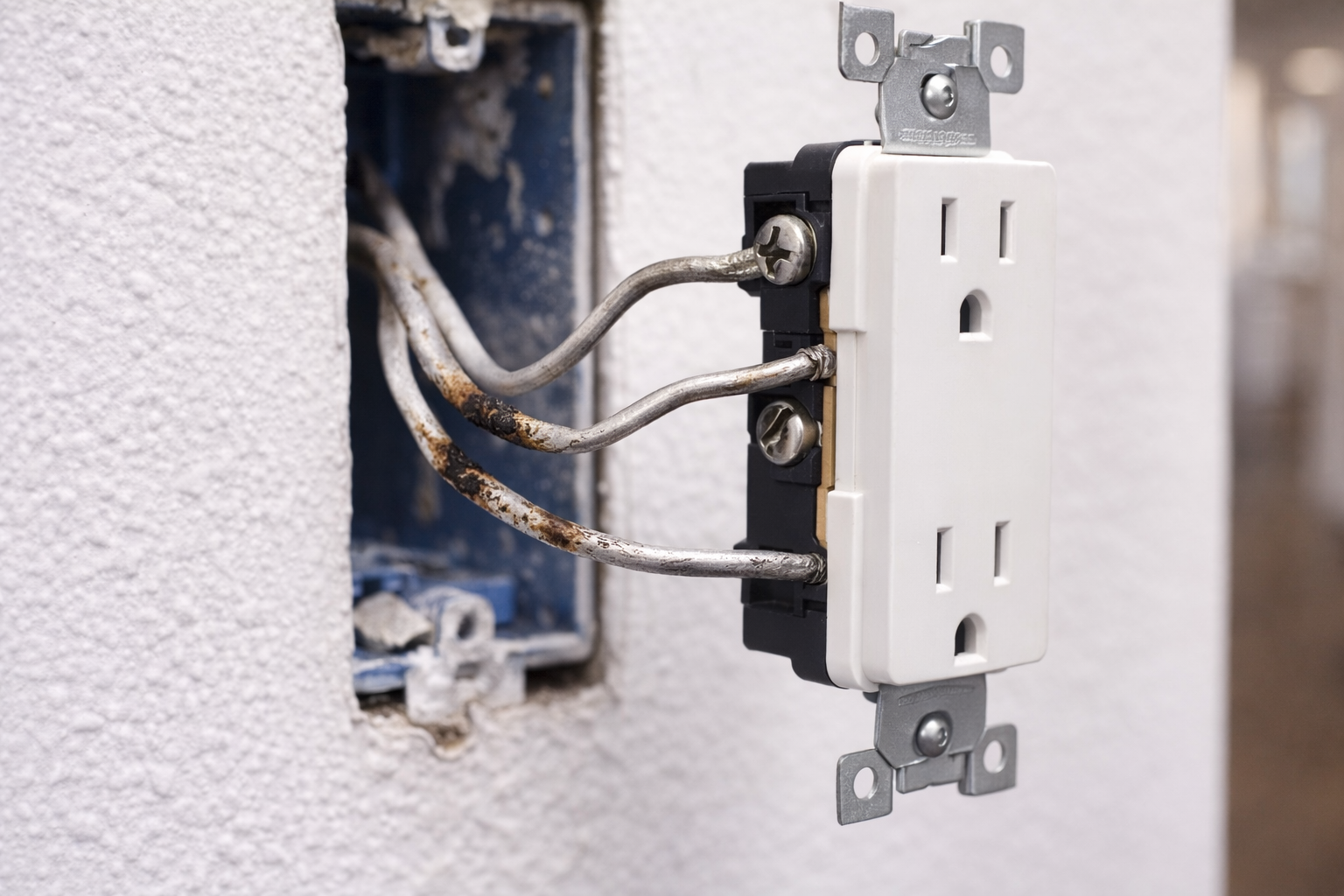
Fasteners and metal components can begin to corrode. Subfloors can lose strength. And insulation that becomes saturated often stops doing its job properly, which can affect both comfort and energy efficiency.
None of this happens overnight, which is why water damage is often underestimated. It’s the slow, hidden progression that turns small issues into larger repairs later on.
When It Makes Sense to Call a Professional
Some water issues are manageable for homeowners, especially when caught very early. Others are better handled with professional support.
If damage extends beyond a small, localized area, involves contaminated water, or affects structural materials, it’s worth bringing in someone with experience. The same is true if you suspect moisture inside walls or notice signs that mold may be spreading.
Professional help isn’t just about fixing what you can see. It’s about making sure hidden moisture is properly addressed so the problem doesn’t quietly return months later.
Sometimes the biggest value is peace of mind.
The Difference Between an Early Fix and a Late Repair
One of the biggest differences we see in homes comes down to timing.
When a water issue is caught early, the solution is often straightforward. It might involve tightening a connection, resealing an area, replacing a small component, or thoroughly drying a localized spot.
But when moisture lingers, repairs tend to grow. What started as a slow leak can turn into drywall removal, flooring replacement, mold remediation, or more involved restoration work.
It’s not about creating worry — it’s simply the reality of how water behaves in a home. Acting early almost always means simpler solutions, less disruption, and better long-term outcomes.
Preventing Water Damage in the First Place
The best way to deal with water damage is to prevent it wherever possible. Fortunately, prevention often comes down to simple awareness and small habits.
Taking a moment to look under sinks, around appliances, and near plumbing fixtures every so often can catch problems early. Keeping gutters clear and ensuring water is directed away from your home helps protect both the roofline and foundation.
Sealing small gaps around windows and doors can also reduce the risk of moisture intrusion, especially during heavy storms or freeze-thaw cycles common here in Ontario.
And while it may not seem obvious, paying attention to your water bill can act as an early warning system. Sudden changes are always worth investigating.
Many homeowners are also adding small leak detection devices in vulnerable areas like laundry rooms or basements. These simple tools can alert you to problems long before visible damage appears.
Small Preventative Fixes That Make a Big Difference
Many of the most effective ways to prevent water damage are surprisingly simple.
Replacing aging supply lines, refreshing caulking around tubs and showers, and checking toilet seals are all small upgrades that can dramatically reduce risk. These are the kinds of maintenance items that often get overlooked because they don’t feel urgent — until they are.
Even small improvements like resealing fixtures, tightening connections, or inspecting vulnerable areas can extend the life of finishes and prevent hidden moisture issues.
These are the types of projects we genuinely enjoy helping homeowners with. They’re quick, practical, and often prevent much bigger repairs down the road.
A Quick Note About Insurance
It’s also worth briefly mentioning insurance, because many homeowners are surprised by what they learn.
Not all water damage is treated the same way. Sudden events are often handled differently than slow leaks that develop over time. In some cases, gradual issues may fall outside typical coverage because they’re considered maintenance-related.
This isn’t something to stress over, but it is a good reminder of why early awareness matters. Catching small issues quickly doesn’t just protect your home — it can also prevent complicated insurance situations later on.
A Final Thought
Water damage doesn’t just affect drywall and flooring. It affects comfort, safety, and peace of mind.
And here’s something we always want homeowners to know: you don’t have to wait until something becomes a major issue to ask questions or get help.
At Multi-Trade Building Services, we genuinely love the small jobs. The early catches. The “something doesn’t feel right” moments that help prevent bigger problems down the road.
If you ever notice a stain, a smell, or a subtle change you can’t quite explain, trust that instinct. Whether you decide to handle it yourself or reach out for guidance, acting early is always the best decision.
Your home takes care of you every day. It deserves the same in return.
Not sure what you’re seeing — or just want clarity before a small concern becomes a bigger repair? We’re always happy to take a look. At Multi-Trade Building Services, we specialize in the small jobs that protect your home long term. Reach out anytime — we’re here to help.

If you found this helpful, you might also enjoy some of our other home maintenance articles. Small insights and preventative tips can make a big difference in protecting the home you love.







A loose toilet is more than just an annoyance—it can lead to hidden water damage, rotten subfloors, and costly repairs if left unchecked. Learn what causes a toilet to wobble, how to safely tighten it, and when it's time to call a professional before the damage spreads.