Planning a New Shower? 12 Mistakes You’ll Want to Avoid
/
If you’re planning a bathroom renovation, there’s a pretty good chance the shower is one of the things you’re most excited about.
And why wouldn’t it be?
Maybe you’ve been stepping over the side of an old bathtub for years and you’re finally ready for a beautiful walk-in shower. Maybe your current shower is tiny, dark and impossible to clean. Or perhaps you’ve been saving photos of gorgeous tiled showers, rainfall showerheads and built-in niches and you’re finally ready to create your own.
But here’s something we often tell homeowners when we’re planning a bathroom renovation:
A beautiful shower isn’t necessarily a well-planned shower.
Some of the most frustrating shower mistakes are surprisingly small decisions that nobody thought about until the shower was finished.
So, imagine we’re sitting around your kitchen table talking about your upcoming bathroom renovation and you ask us, “What should I think about now so I don’t regret anything later?”
These are some of the things we’d talk about.
1. Planning the Shower Around Looks Instead of How You’ll Actually Use It
Pinterest, Instagram and renovation shows are wonderful for inspiration. But a shower needs to work for the people who are actually going to use it.
Before we start talking about tile, glass or fixtures, we want to know things like:
Who uses this shower?
How tall are they?
Does anyone shave their legs in the shower?
Do you have several bottles of shampoo, conditioner and body wash — or are you a one-bottle person?
Would a bench be useful?
Do you expect to stay in this home as you get older?
Does anyone have mobility concerns now, or could accessibility become important later?
There is no universally perfect shower.
There is only a shower that is well designed for you.
And sometimes the little conveniences make a much bigger difference to everyday life than the expensive finishes.
2. Making the Shower Too Small — or Assuming Bigger Is Always Better
One of the first questions homeowners often ask is, “How big should my shower be?”
The answer depends on the room and the people using it.
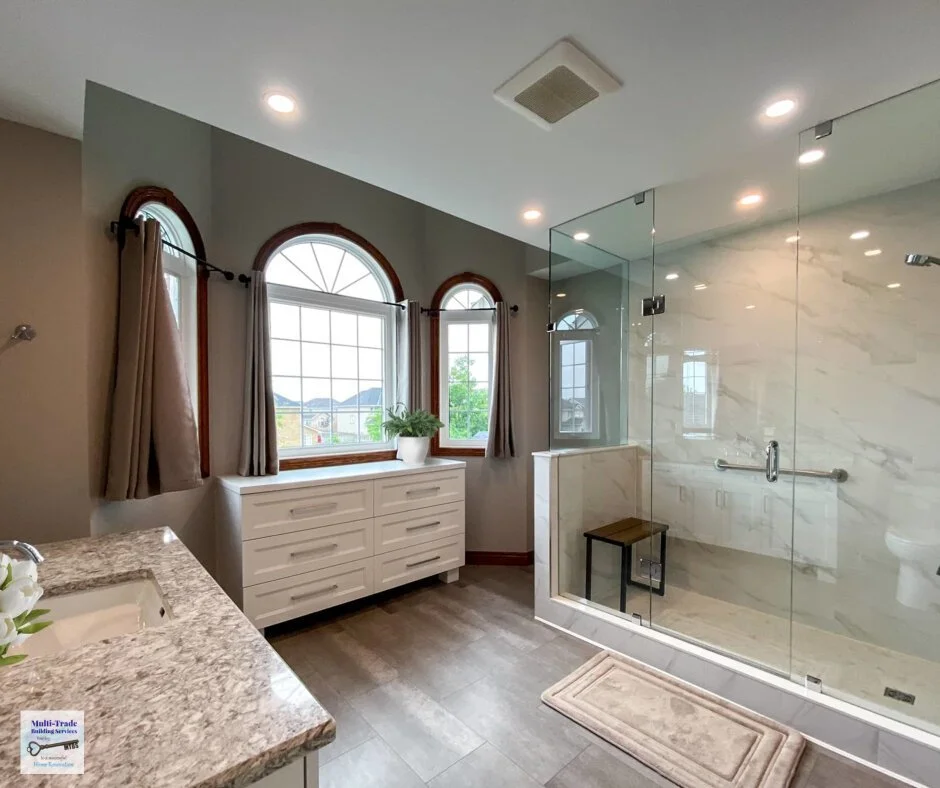
A shower needs enough space that you can comfortably turn around, wash your hair and move your arms without constantly hitting a wall or the glass.
But bigger isn't automatically better.
An enormous shower can take valuable space away from the rest of a small bathroom. It can also feel colder because there is more open space for warm air to escape.
The goal isn't to build the biggest shower that will fit.
It’s to create one that feels comfortable while keeping the whole bathroom functional.
Sometimes moving a wall a few inches or changing the shower orientation makes an enormous difference. That’s why we like to work through the entire bathroom layout before locking in the shower dimensions.

3. Forgetting About the Shower Door Until the End
This one sounds obvious — until you see how often it becomes a problem.
Where is the toilet?
Where is the vanity?
Which direction will the shower door open?
Is there enough room for you to stand outside the shower and open it comfortably?
Will the door hit anything?
Could a fixed glass panel work instead?
What about a sliding glass door?
The shower enclosure should be part of the original layout, not something you figure out after everything else has been installed.
We also think about where water is going when you open the door.
If you have to swing a wet glass door out over the bathroom floor every morning, you're probably going to end up with water on the floor.
These are tiny details on a drawing.
In real life, you experience them every single day.
4. Putting the Shower Controls in the Wrong Place
This might be one of our favourite examples of why planning matters.
Picture this.
You step into the shower, reach underneath the showerhead and turn on the water.
And immediately get blasted with freezing-cold water.
Every. Single. Morning.
Nobody wants that.
Depending on the shower design and plumbing configuration, it may be possible to position the controls somewhere you can reach them before stepping underneath the showerhead.
That way you can turn the shower on, let the water come up to temperature and then step inside.
It's a relatively small design decision that can make your shower much nicer to use for years.
5. Treating the Shower Niche as an Afterthought
Everybody loves a shower niche.
Until it doesn't fit the shampoo bottles.
Or it ends up in an awkward location.
Or the tile pattern around it looks like someone cut random pieces wherever they happened to fit.
A niche needs to be planned.
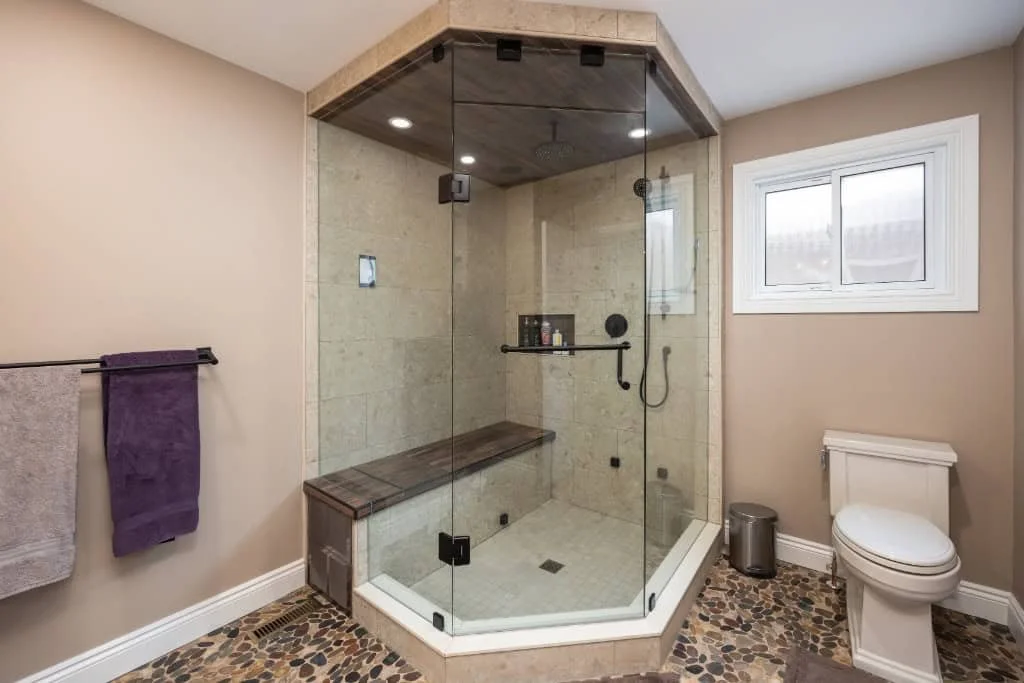
How tall are the bottles you normally buy?
Would you rather have one large niche or separate shelves?
Where will it sit in relation to the showerhead?
Can you reach it easily?
And importantly, how does it work with the tile?
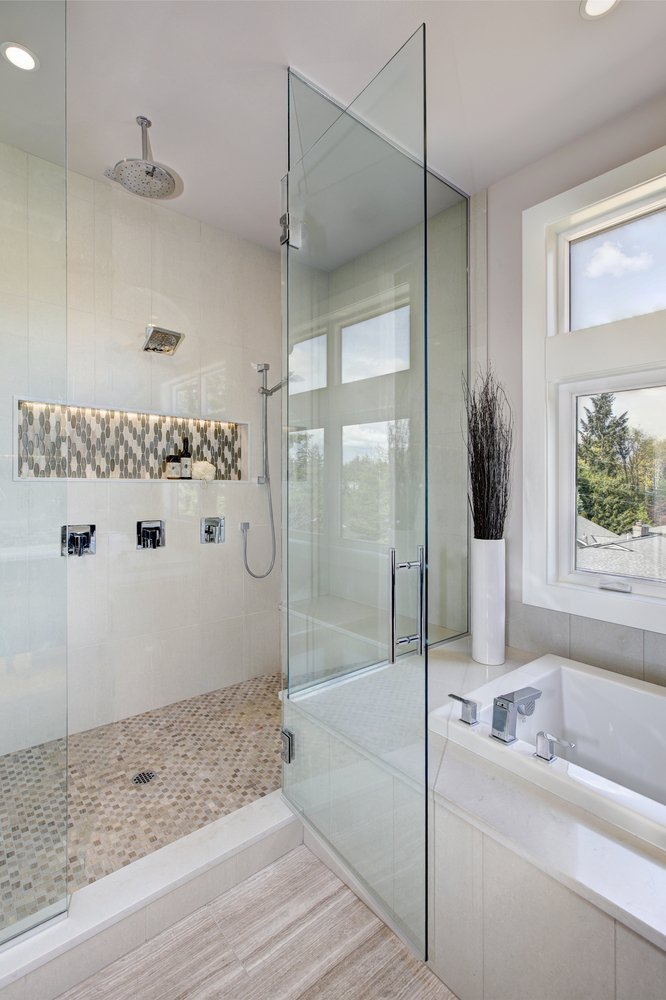
If we're installing a large-format tile, for example, we want to think about where those grout lines will land around the niche. A little planning can make the finished installation look intentional instead of patched together.
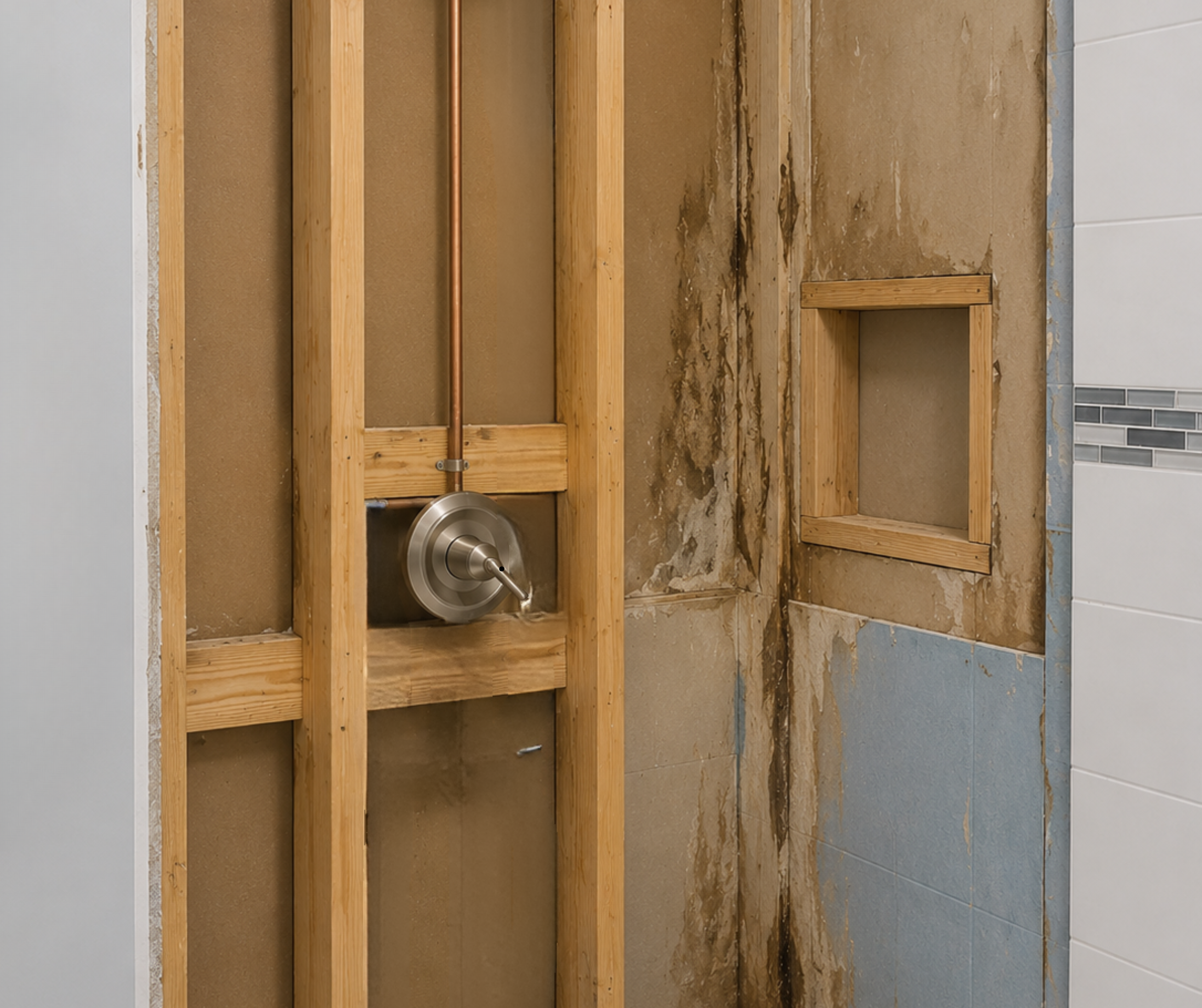
There are also waterproofing considerations. A shower niche is literally a recess built into one of the wettest areas of your home. It needs to be constructed and waterproofed properly.
Which brings us to a much bigger issue.
Planning a bathroom renovation? Taking the time to think through the little details now can make a big difference in how your new shower looks, feels and functions for years to come. If you have questions or aren’t quite sure where to start, we’re always happy to have a conversation and help you think through the possibilities.
6. Spending Money on Beautiful Tile but Not Enough Attention on Waterproofing
The prettiest part of your shower is the part you see.
Some of the most important parts are the ones you never will.
Tile and grout themselves are not the entire waterproofing system.
Behind that beautiful finished shower needs to be a properly constructed system designed to manage water and protect the structure of your home.
The shower base needs to drain properly. Corners, penetrations, transitions and niches need appropriate waterproofing. The walls need to be prepared correctly.
This is not the place where you want shortcuts.
A poorly waterproofed shower can look absolutely gorgeous on the day the renovation is finished.
The problems may not appear until much later.
And by then, repairing the problem can mean removing the beautiful tile you paid so much money to install.
When you're comparing bathroom renovation quotes, don't just ask what tile is being installed.
Ask what's going behind it.
7. Choosing Tile Based Only on How It Looks
We love beautiful tile too.
But the tile that looks amazing on a showroom wall isn't necessarily the tile we'd choose for a shower floor.
Shower floors need traction, particularly when they're wet. Smaller tiles are commonly used because the additional grout joints can provide grip and allow the tile to follow the slope toward the drain.
You also want to think about maintenance.
Highly textured tile may offer excellent traction but can be harder to clean. Lots of tiny grout joints mean more grout to maintain. Certain finishes show soap residue and water spots more readily than others.
There is always a balance between appearance, safety and maintenance.
And we would much rather have that conversation with you before you've fallen in love with a tile that isn't ideal for the application.
8. Forgetting Where Everything Is Going to Go
Where will you put your shampoo?
That's easy — the niche.
Great.
Where does the soap go?
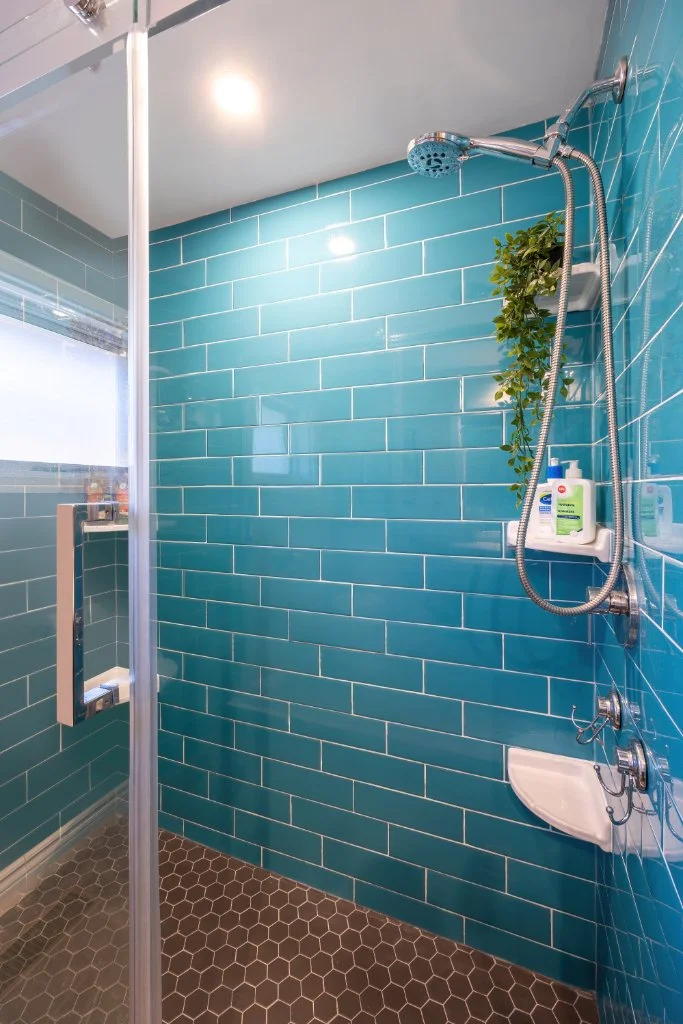
Your razor?
Your face cleanser?
What about your spouse's shampoo, conditioner and body wash?
And if you shave your legs, where are you putting your foot?
These sound like silly questions when you're designing a beautiful new bathroom.
They won't feel silly when you're actually using it.
A small corner shelf, appropriately sized niche or small bench can completely change how functional the shower feels.
This is where we encourage homeowners to mentally walk through a normal shower before finalizing the design.
Pretend you're using it.
What do you reach for?
Where would it be?
What do you do next?
You'd be surprised how many design problems you can catch that way.
9. Choosing Fixtures Without Considering the Plumbing
That giant rainfall showerhead may look fantastic.
But before buying it, we need to know whether the plumbing system can properly support what you're planning.
The same applies when homeowners want multiple showerheads, body sprays, handheld units or other elaborate shower systems.
More fixtures can mean greater water demand.
There may also be plumbing changes required behind the wall, and those changes are much easier to make while everything is open.
This is why we encourage homeowners not to purchase shower fixtures simply because they love the way they look.
Talk to your contractor and plumber first.
Make sure everything will work together.
10. Forgetting About Ventilation
Your shower produces a tremendous amount of moisture.
And that moisture has to go somewhere.
A properly sized and properly vented bathroom exhaust fan is an important part of the renovation, especially when you're creating a larger or more enclosed shower.
Poor ventilation can contribute to condensation, peeling paint, mildew and moisture problems.
And here's another little thing worth thinking about: use the fan.
We know that sounds ridiculously obvious, but even the best bathroom fan can't remove moisture if nobody turns it on.
Depending on your electrical setup and renovation plans, there may be options such as timers or humidity-sensing controls that make using the fan easier.
But here's another question: is your bathroom exhaust fan actually working efficiently? Just because you can hear it running doesn't necessarily mean it's doing a good job of removing moist air from the room. There's a very simple test you can do with a few pieces of toilet paper to get a quick idea of whether your fan is actually pulling air. If you'd like to learn how to test yours — and what could be going wrong if it isn't doing its job — check out our blog, Is Your Bathroom Exhaust Fan Working Efficiently?.
11. Not Thinking About Aging in Place
You don't have to be 80 years old to think about accessibility.
And planning for the future doesn't mean your bathroom needs to look institutional.
If you're renovating a bathroom you expect to use for many years, there are subtle things worth considering now.
Could we add blocking behind the walls so grab bars can easily be installed later?
Would a lower shower threshold make sense?
Is the shower entrance wide enough?
Would a handheld showerhead be useful?
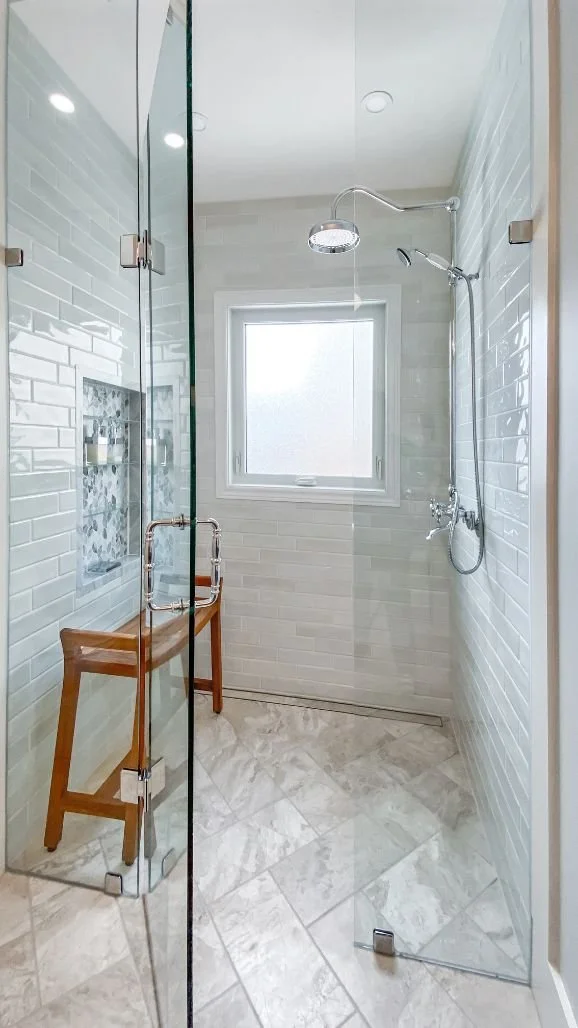
Could a bench be incorporated into the design?
Blocking inside the wall is inexpensive while the wall is open.
Trying to add proper structural support after the beautiful new tile has been installed is a completely different story.
Even if you don't want grab bars today, preparing for tomorrow can be a very smart investment.
12. Making Decisions One at a Time Instead of Planning the Whole Shower
This may be the biggest mistake of all.
A shower isn't a collection of independent choices.
The tile affects the niche.
The niche affects framing.
The fixtures affect plumbing.
The shower size affects the glass.
The glass affects how you enter the shower.
The showerhead location affects where the controls should go.
The drain location affects the shower floor.
The lighting affects how the finished tile looks.
And all of those things affect the budget.
When each decision is made separately, problems tend to show up later.
When everything is planned together, you can catch many of those problems while they're still pencil lines on a drawing instead of expensive materials installed in your bathroom.
So, What Should You Decide Before Renovating Your Shower?
If you came to us and said, “Okay, you've scared me enough. What do I actually need to figure out?” we wouldn't hand you a 47-page homework assignment.
We'd simply start talking.
How do you use your shower now?
What drives you crazy about it?
What do you wish you had?
What would make it easier to clean?
What would make it more comfortable?
What do you want the bathroom to look like?
And how long do you expect to live in your home?
Those answers tell us far more than a Pinterest photo ever could.
Because a successful shower renovation isn't just about creating something that photographs beautifully when the project is finished.
It's about creating a shower that, five years from now, you still enjoy stepping into every morning.
And maybe that's the best test of good bathroom design:
You stop noticing the design altogether because everything simply works.
At Multi-Trade Building Services, we help homeowners plan bathroom renovations from the things you can see — tile, fixtures, glass and finishes — right through to the things you can't see, including plumbing, electrical, framing and waterproofing.
If you're thinking about renovating your bathroom, talk to us before you start buying fixtures and tile. Sometimes a conversation at the beginning of the project can prevent a very expensive “I wish we'd thought of that” at the end.
Because the best time to fix a shower-planning mistake is before we build it.
Ready to Plan a Shower That Works as Beautifully as It Looks?
A great shower starts with good planning. If you’re considering a bathroom renovation, Multi-Trade Building Services can help you think through the details before construction begins—from layout and storage to fixtures, accessibility and the important things happening behind the walls.
Contact us today to start the conversation and plan a bathroom you’ll enjoy for years to come.

Looking for more ideas to help you plan a bathroom you’ll love? Explore the articles below for more practical tips, inspiration and things to consider before your renovation begins.
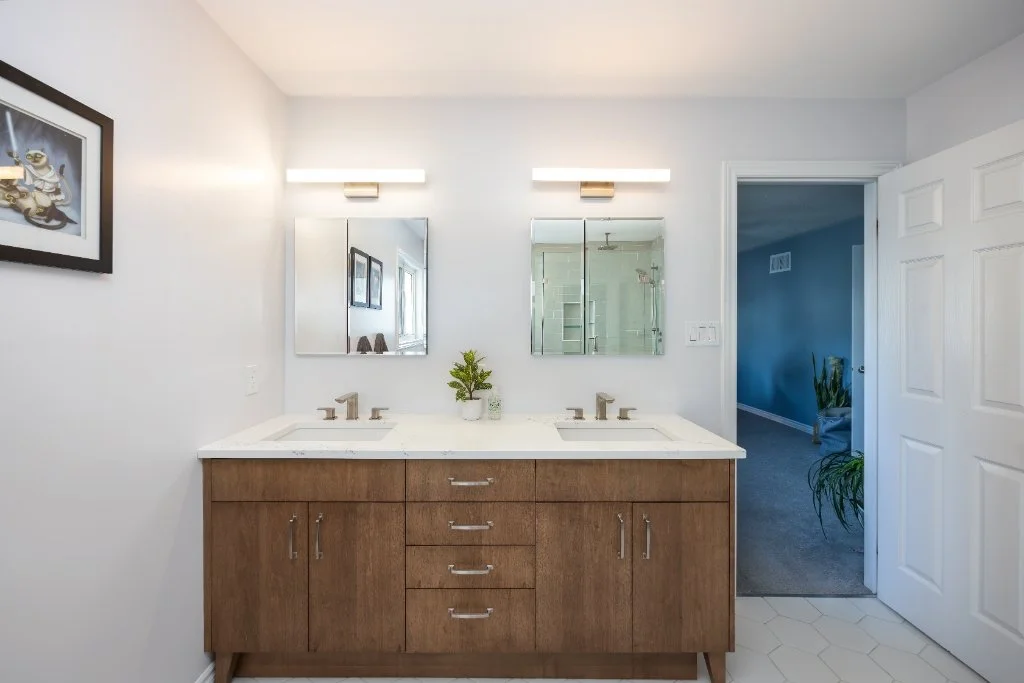
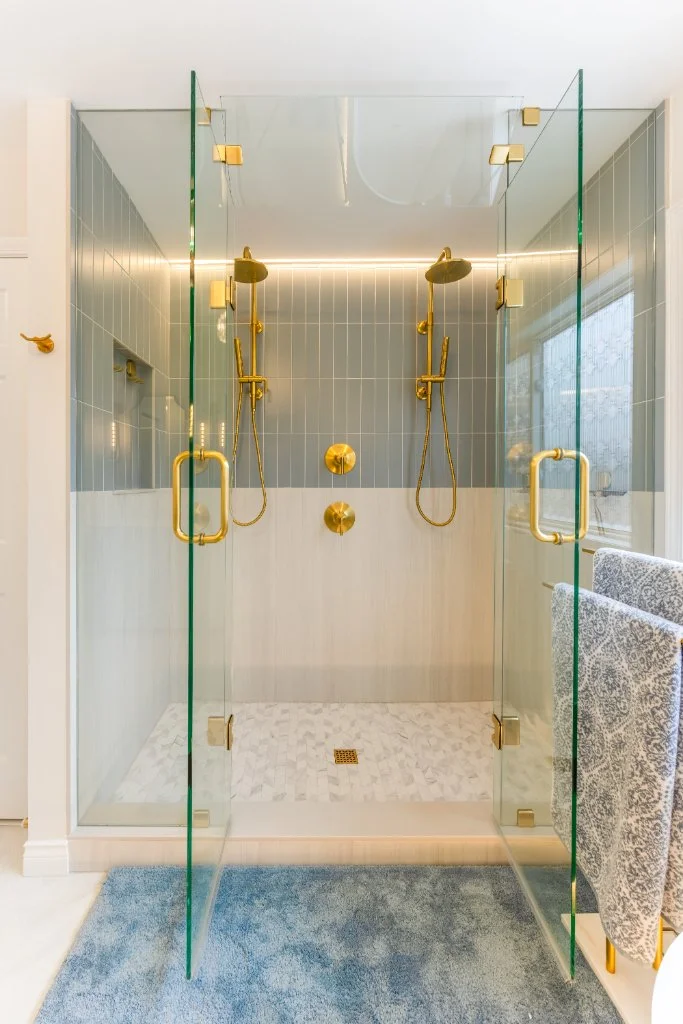
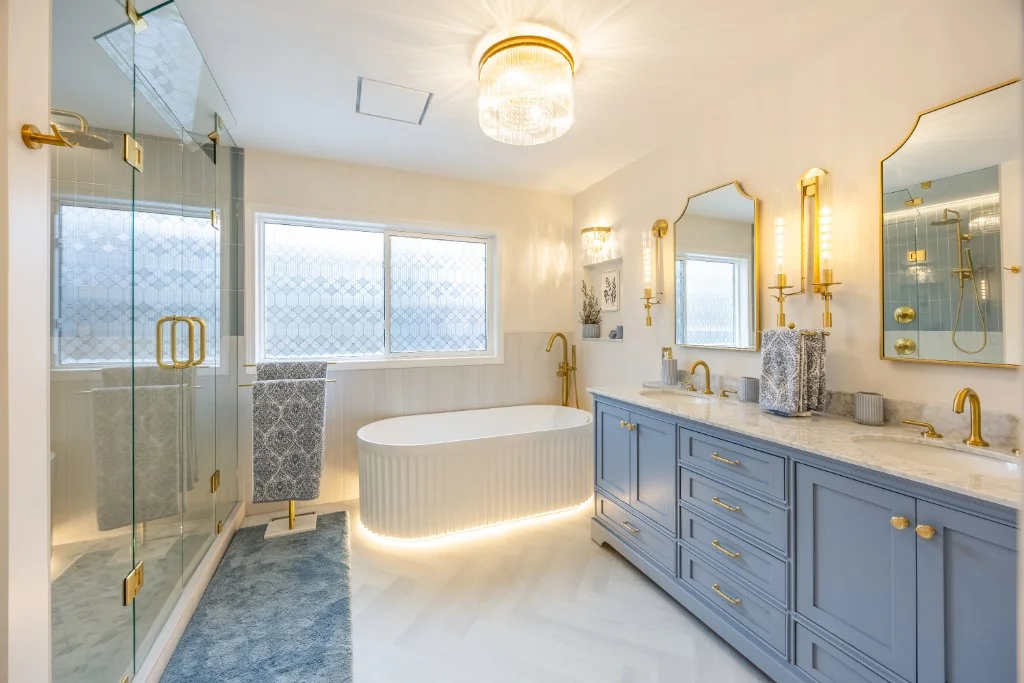
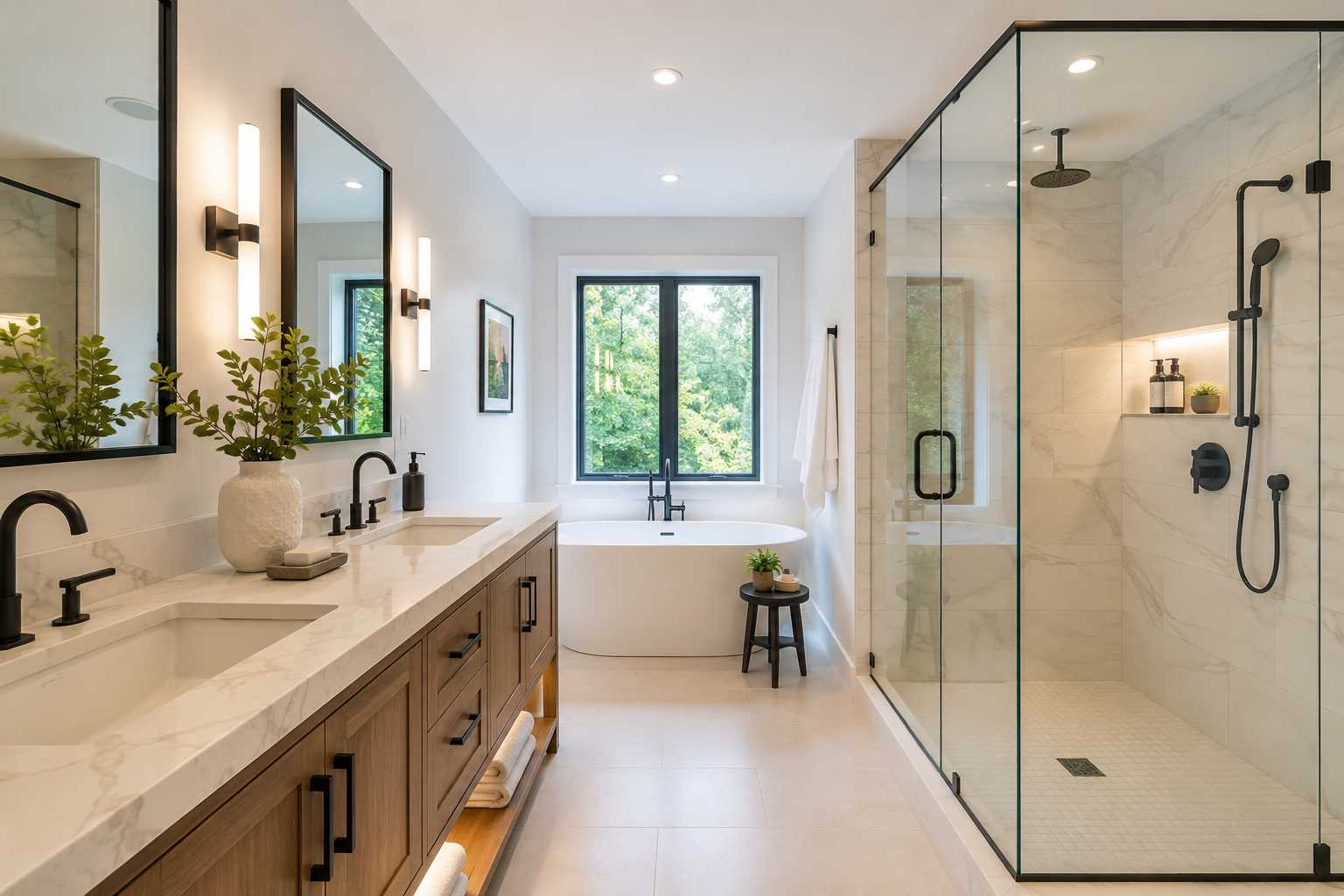
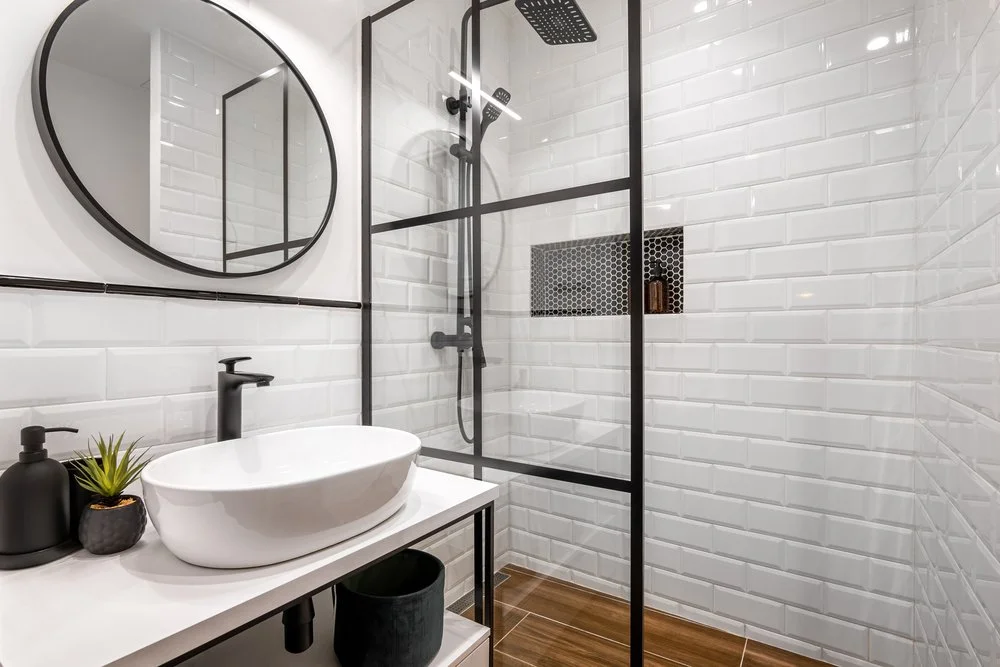
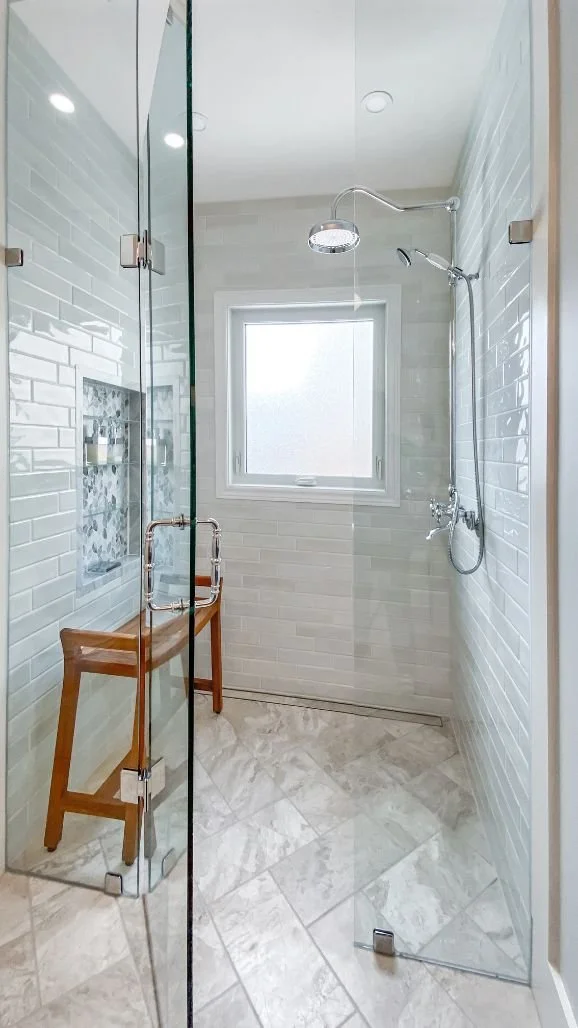


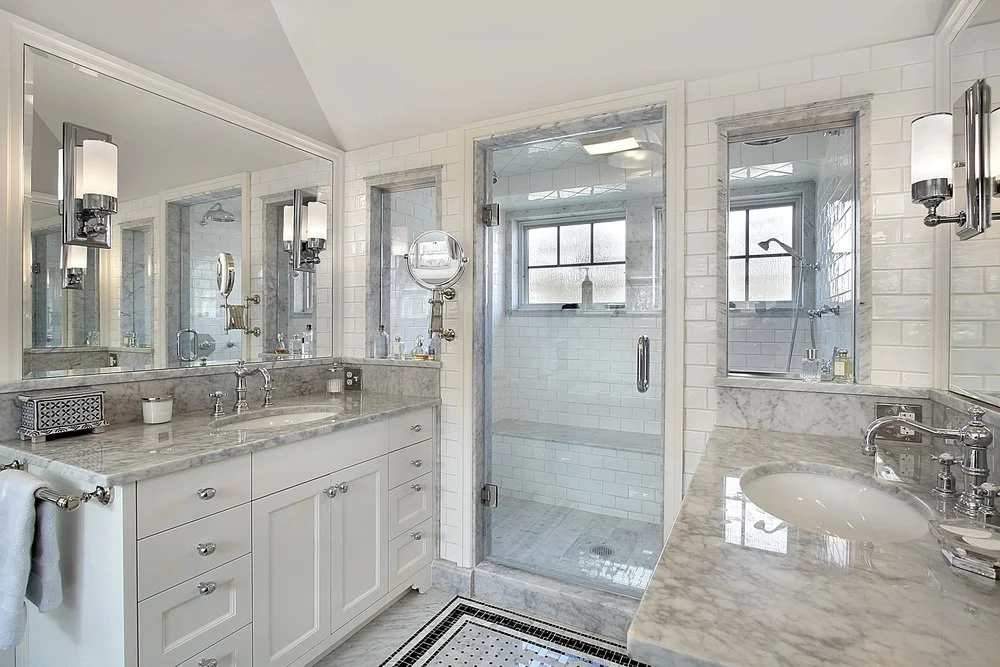

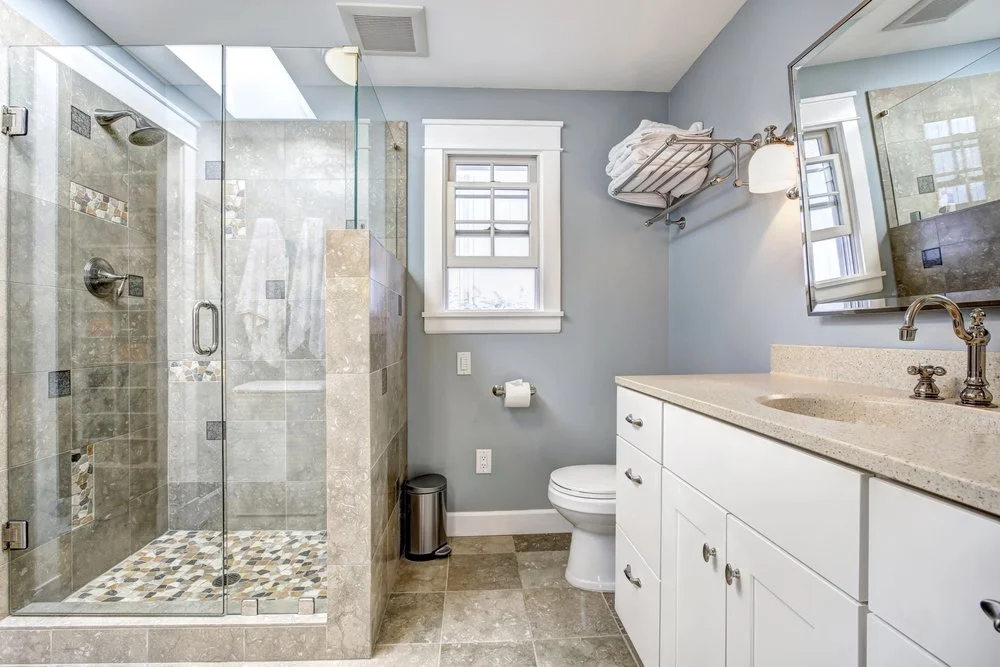




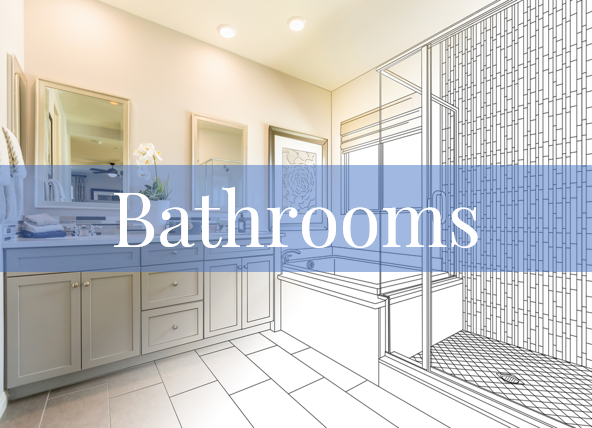



A beautiful shower is about more than gorgeous tile and fixtures—it needs to work beautifully, too. From shower size and door placement to niches, waterproofing, ventilation and accessibility, the decisions you make before construction begins can have a big impact on how much you enjoy your new shower. Here are 12 common shower-planning mistakes to think about before your bathroom renovation begins.