

What’s Behind Your Shower Walls? Hidden Mold, Leaks, and Water Damage Explained
/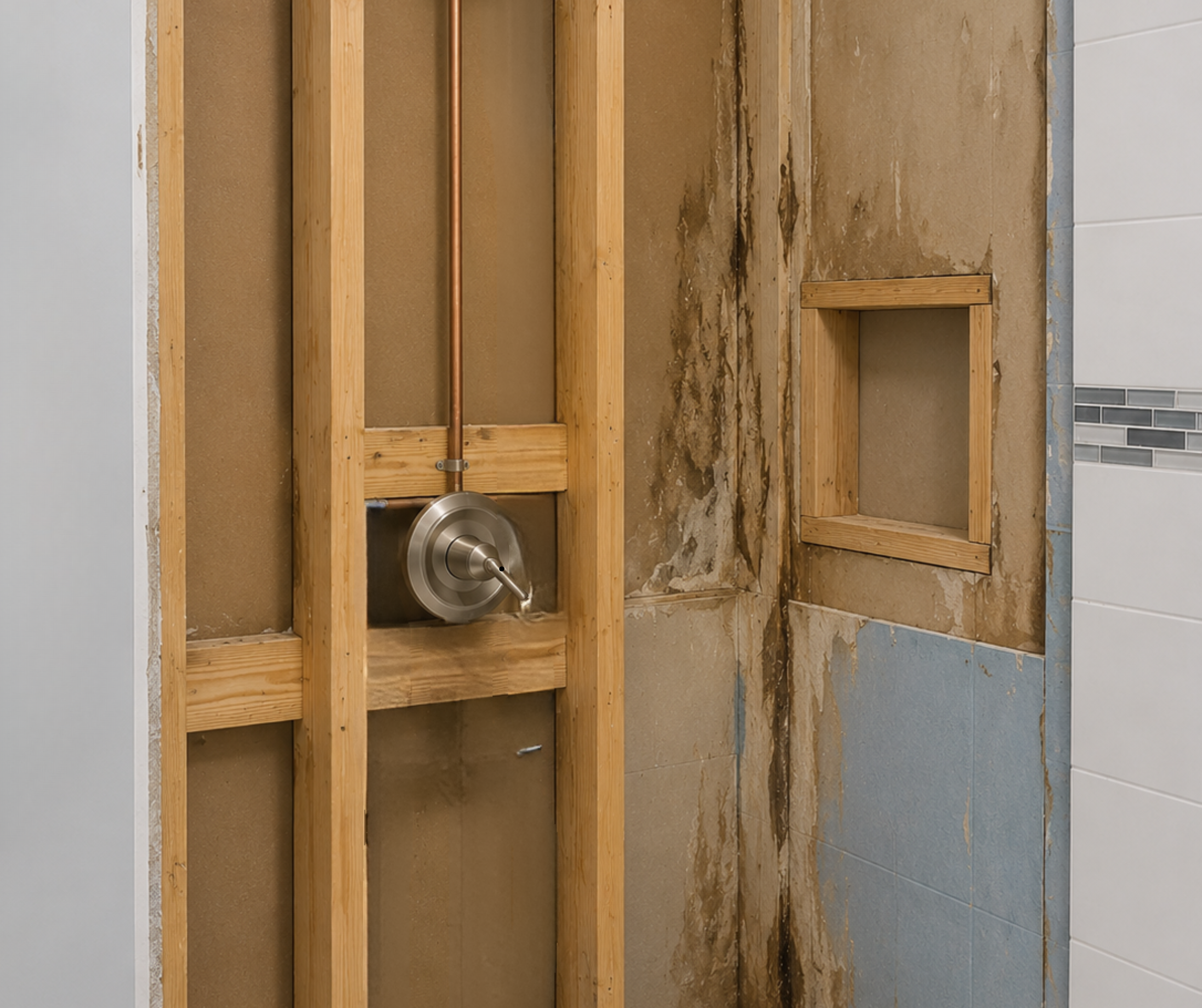
Bathrooms are one of the hardest-working rooms in any home. They deal with constant humidity, steam, water spray, temperature changes, and daily wear and tear. And while a bathroom may look perfectly fine on the surface, what’s happening behind the shower walls can sometimes tell a very different story.
At Multi-Trade Building Services, we’ve opened up enough bathrooms over our almost 4 decades in business to know that hidden moisture damage is far more common than most homeowners realize.
A shower may still look beautiful.
The grout may appear intact.
Nothing may actively be dripping.
But behind those shower walls, there can sometimes be:
hidden mold
moisture damage
rotting wood
leaking plumbing
deteriorating drywall
failing waterproofing
or even unsafe electrical work
The reality is that bathrooms are exposed to moisture every single day, and over time, even small problems can lead to hidden water damage behind shower walls.
The good news is that many of these issues leave warning signs before major repairs become necessary. Understanding what causes moisture behind shower walls — and knowing what to watch for — can help homeowners catch hidden bathroom damage early.
What Can Be Hiding Behind Shower Walls?
One of the biggest misconceptions homeowners have is believing that tile and grout make a shower waterproof.
Unfortunately, that’s not entirely true.
Tile and grout are the decorative finish layer, but the real waterproofing protection should exist behind the shower walls. Properly built bathrooms rely on waterproof membranes, backer boards, sealed penetrations, ventilation, and quality installation methods to prevent moisture damage.
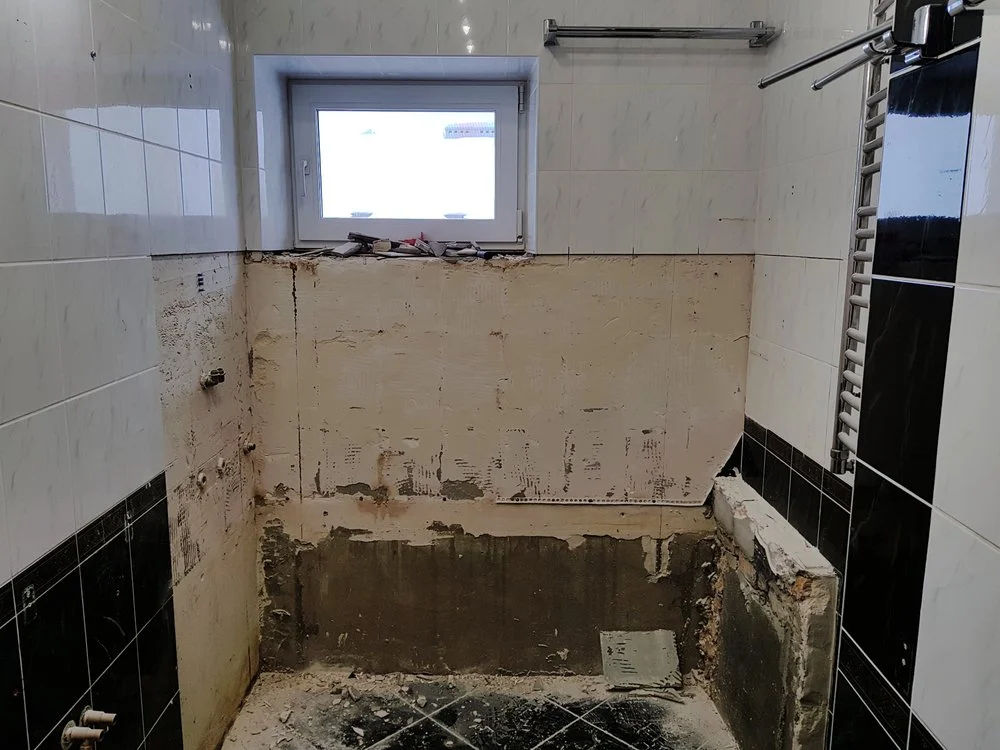
When those systems fail — or were never installed correctly in the first place — moisture behind shower walls can slowly begin causing damage.
Some of the most common problems found behind shower walls include:
Hidden Mold Behind Shower Walls
Hidden mold is one of the most common problems we uncover during bathroom renovations.
Bathrooms create the perfect environment for mold growth:
warmth
humidity
trapped moisture
limited airflow
When water gets behind shower walls and remains trapped, mold can begin developing behind tiles, drywall, or insulation.
What makes hidden mold especially concerning is that it can continue spreading long before homeowners ever notice visible signs.
In some cases, we’ve opened shower walls that looked reasonably normal from the outside only to discover blackened framing, damp insulation, and significant mold growth underneath.
Water Damage Behind Shower Walls
Water damage behind shower walls often develops slowly over time.
A tiny leak around a shower valve, deteriorating grout, failed caulking, or poor waterproofing can allow moisture to gradually penetrate behind the tiles.
That moisture can damage:
drywall
framing
insulation
subfloors
trim
surrounding finishes
Because the process is usually gradual, homeowners often don’t realize there’s a problem until visible symptoms finally appear.
Hidden Shower Leaks
Not every plumbing leak causes obvious flooding.
Some hidden shower leaks are incredibly slow and consistent. In many ways, those small leaks can actually be more destructive because they quietly cause moisture damage for months or even years.
A hidden leak behind shower walls may slowly saturate surrounding materials without immediately becoming visible on the bathroom surface.
Improper Waterproofing Behind Shower Walls
Many older bathrooms were built very differently than modern bathrooms.
Today, properly built showers use waterproofing systems specifically designed to manage moisture behind shower walls. Older bathrooms — or poorly renovated bathrooms — sometimes lack those protections entirely.
We occasionally uncover:
tile installed directly onto drywall
failed waterproof membranes
improperly sealed plumbing penetrations
damaged backer boards
inadequate ventilation
old water damage simply covered over during previous renovations
Unfortunately, many hidden bathroom problems remain concealed until demolition begins.
Why Moisture Develops Behind Shower Walls
Bathrooms are constantly exposed to water and humidity. Over time, even small weaknesses can allow moisture to penetrate behind shower walls.
Grout Is Not Completely Waterproof
This surprises many homeowners.
Grout is somewhat porous, meaning moisture can gradually work its way through over time. Even sealed grout is not intended to be the primary waterproofing system.
That’s why proper waterproofing behind shower walls is so important.
Without a proper waterproofing system, moisture behind shower walls can slowly lead to mold growth and water damage.
Caulking Eventually Breaks Down
Caulking is considered a maintenance item.
Over time, caulking can:
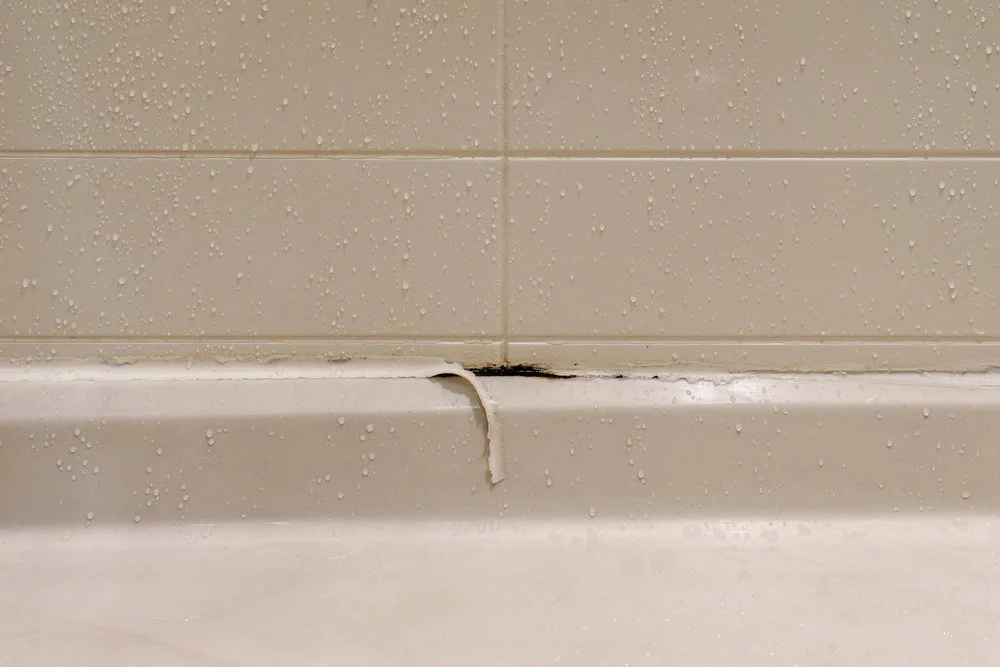
crack
shrink
separate
dry out
Once gaps develop, water can begin entering behind shower walls around corners, tubs, shower bases, fixtures, and seams.
Those tiny openings may not look serious, but years of repeated moisture exposure can eventually create hidden water damage.
Poor Ventilation Traps Humidity
Not all hidden bathroom damage comes from active leaks.
Excess humidity alone can create moisture problems behind bathroom walls and ceilings.
A poorly vented bathroom fan — or no fan at all — allows moisture to linger long after showers are finished. Over time, that trapped humidity contributes to hidden mold growth, peeling paint, and moisture damage behind walls.
Cracked Tiles and Movement
Even small cracks can allow moisture behind shower walls.
This is especially common in:
older tiled showers
bathrooms with structural movement
improperly installed tile systems
aging grout lines
Water does not need a large opening to cause damage. Small amounts of moisture repeatedly entering over many years can eventually create significant hidden problems.

Mold Behind Shower Tiles: Why It Happens
One of the most common concerns homeowners have is hidden mold behind shower tiles.
And honestly, it’s a valid concern.
Bathrooms create ideal conditions for mold growth, especially when moisture becomes trapped behind shower walls.
Mold behind shower tiles often develops because of:
deteriorating grout
failed caulking
leaking plumbing
poor waterproofing
trapped humidity
improperly vented bathrooms
improperly installed tiles
In older bathrooms, we sometimes find there was little or no waterproofing system behind the tile at all. In those cases, moisture can slowly penetrate directly into drywall or surrounding framing.
The difficult part is that mold behind shower tiles is often invisible until renovation work begins.
A bathroom can appear perfectly clean while hidden mold quietly develops behind the scenes.
Bathroom mold isn’t always caused by obvious leaks. In fact, some of the most common causes are surprisingly easy to overlook. If you’d like to learn more, check out our blog on 5 Surprising Causes of Bathroom Mold and How to Prevent Them.
What Are the Signs of Moisture Behind Shower Walls?
One of the best ways to prevent major bathroom repairs is learning how to recognize the warning signs early.
Some common signs of moisture behind shower walls include:
Musty or Damp Smells
Bathrooms should not smell earthy, damp, or musty.
Persistent odours can sometimes indicate hidden mold growth or trapped moisture behind shower walls.
Bubbling Paint or Swollen Drywall
Moisture behind bathroom walls can eventually cause:
peeling paint
bubbling finishes
swollen drywall
discolouration
These symptoms often indicate moisture has already penetrated behind the surface.
Sometimes the signs of hidden moisture damage are subtle, and by the time visible symptoms appear, the problem behind the walls may already be more extensive than homeowners realize. If you’ve noticed musty smells, recurring grout cracks, soft drywall, or signs of moisture in your bathroom, addressing the issue early can often help prevent much larger repairs later on.
Loose Tiles or Cracked Grout
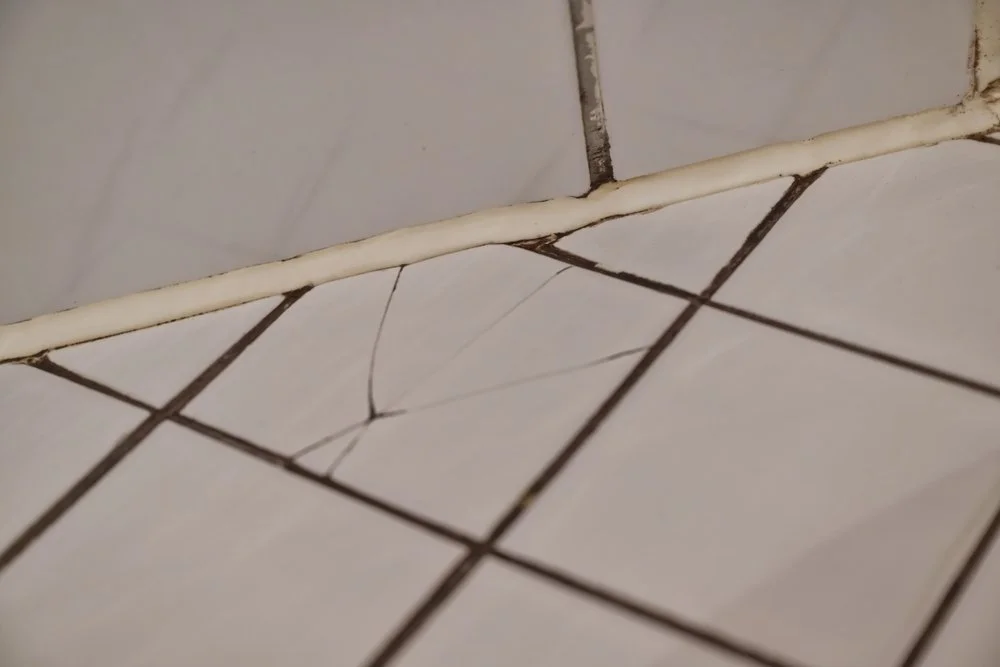
When moisture damages the materials behind tiles, the tiles themselves may begin loosening or shifting.
Recurring grout cracks can also indicate movement or moisture damage behind shower walls.
Soft or Spongy Flooring
If flooring near the shower or tub feels soft, spongy, or unstable, there may already be water damage below the surface.
This is not something homeowners should ignore.
Stains on Ceilings Below the Bathroom
Sometimes hidden shower leaks become visible in entirely different areas of the home.
Water stains on ceilings below bathrooms can indicate ongoing moisture behind shower walls or flooring.
What Happens Behind Shower Walls Over Time?
Hidden bathroom damage rarely happens overnight.
In most cases, moisture behind shower walls develops gradually over many years.
A small leak or failed caulking joint may initially seem insignificant, but repeated moisture exposure slowly affects surrounding materials.
Over time:
grout deteriorates
moisture accumulates
drywall weakens
wood framing absorbs water
mold growth spreads
subfloors begin deteriorating
By the time visible symptoms appear, the hidden damage behind shower walls may already be fairly extensive.
That’s one reason bathroom renovations sometimes uncover unexpected repairs once demolition begins.
Can Hidden Mold Behind Shower Walls Affect Your Health?
Hidden mold behind shower walls can potentially affect indoor air quality, especially when moisture problems are ongoing for extended periods.
Some people may be more sensitive to mold exposure than others.
Potential symptoms can include:
respiratory irritation
allergy-like symptoms
musty odours
worsening asthma symptoms
The important thing is addressing moisture problems early before hidden mold growth becomes more extensive.
Preventing Moisture Damage Behind Bathroom Walls
While no bathroom lasts forever without maintenance, proper construction and early attention to warning signs can dramatically reduce the risk of hidden water damage.
Proper Waterproofing Matters
Modern waterproofing systems play a huge role in protecting shower walls from moisture damage.
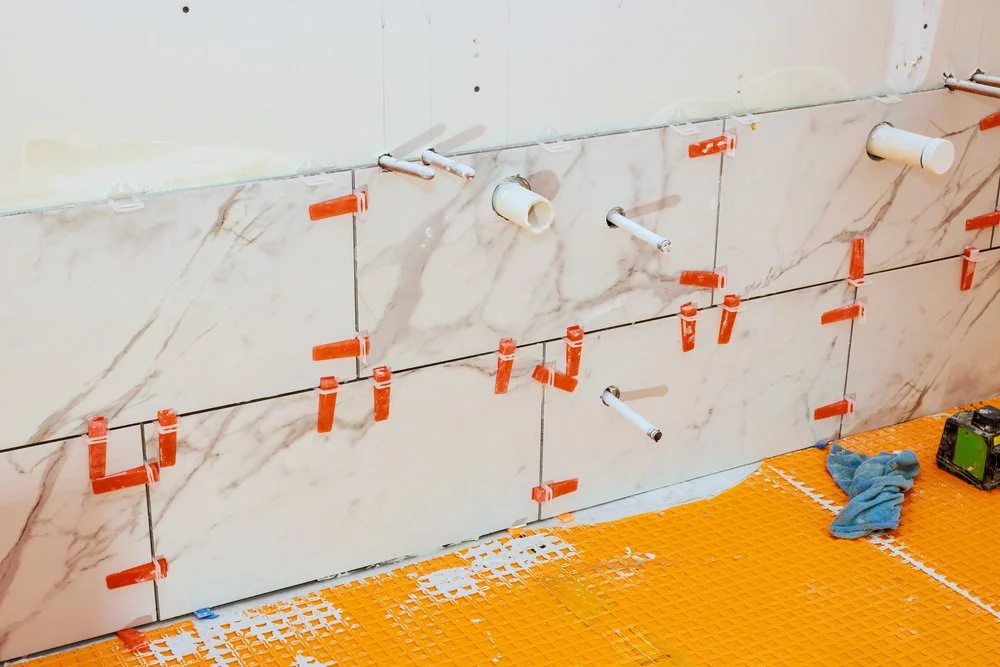
A properly built shower should include:
quality waterproof membranes
proper backer boards
sealed penetrations
correctly installed tile systems
proper drainage management
Proper waterproofing is one of the most important parts of any long-lasting bathroom renovation. For additional ways to help protect your bathroom from moisture damage, check out our blog 7 Tips to Make Your Bathroom Waterproof.
Bathroom Ventilation Is Extremely Important
A quality bathroom fan helps remove excess humidity before moisture becomes trapped behind bathroom walls and ceilings.
Running the fan during showers and afterward can significantly reduce long-term moisture buildup.
Bathroom ventilation plays a much bigger role in preventing hidden moisture damage than many homeowners realize. If you’re unsure whether your bathroom fan is performing properly, be sure to read our blog Is Your Bathroom Fan Working Efficiently?
Small Problems Should Be Addressed Early
Bathrooms rarely fail overnight.
Recaulking small gaps, repairing cracked grout, or addressing moisture concerns early can help prevent larger hidden problems behind shower walls later on.
Quality Renovation Work Makes a Difference
Bathrooms are one area of the home where proper installation truly matters.
A beautiful bathroom should not only look good on the surface — it should also be properly built behind the walls where nobody can see.
At Multi-Trade Building Services, we believe quality bathroom renovations are built from the inside out using proper waterproofing, ventilation, plumbing, and construction methods designed to last.
Frequently Asked Questions
Can mold grow behind shower tiles?
Yes. Mold behind shower tiles can develop when moisture becomes trapped behind the walls due to leaking plumbing, deteriorating grout, failed caulking, or poor waterproofing.
Is grout waterproof?
No. Grout is somewhat porous and should not be considered the primary waterproofing system in a shower.
What causes moisture behind shower walls?
Moisture behind shower walls can be caused by leaking plumbing, failed waterproofing, deteriorating caulking, cracked grout, poor ventilation, or aging shower systems.
Can a bathroom look fine but still have hidden water damage?
Absolutely. Some bathrooms show very few visible signs even when moisture damage behind shower walls has been developing for years.
How do I know if my shower is leaking behind the wall?
Warning signs may include musty smells, loose tiles, cracked grout, peeling paint, soft drywall, water stains, or recurring mold growth.
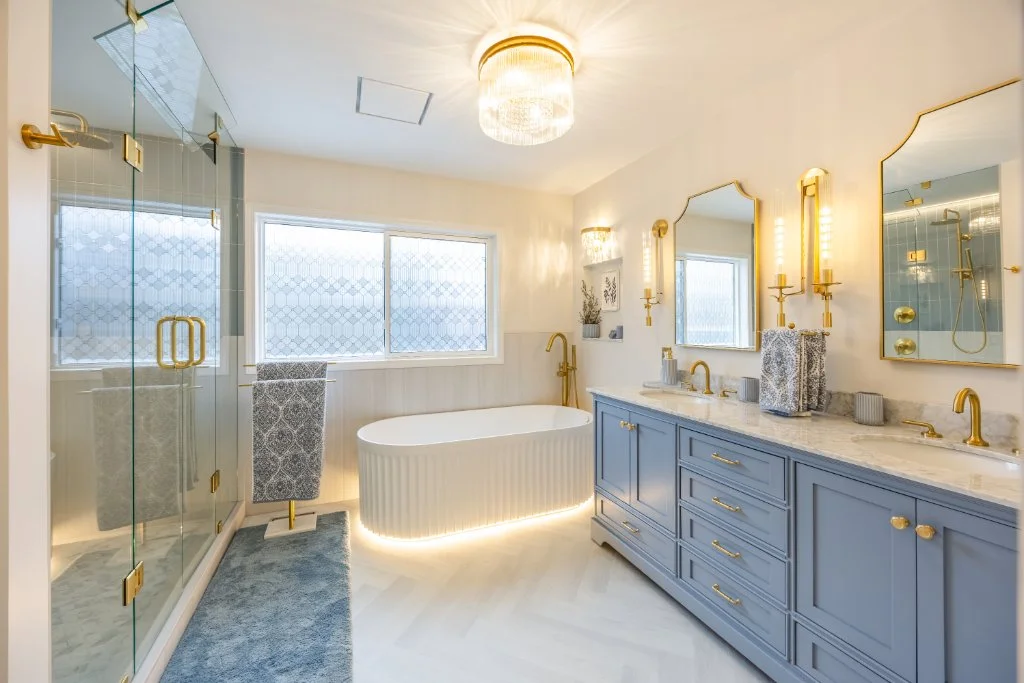
Final Thoughts
Bathrooms hide more than most homeowners realize.
Behind the shower walls, there may be years of trapped moisture, hidden mold, deteriorating waterproofing, or slow plumbing leaks quietly causing damage out of sight.
That doesn’t mean every bathroom is hiding a disaster. But it does mean homeowners should understand how important proper waterproofing, ventilation, and maintenance really are.
The earlier hidden moisture problems are identified, the easier — and often less expensive — they are to address.
And if you’re considering a bathroom renovation, remember that what’s behind the walls matters just as much as the finishes you choose for the front.
At Multi-Trade Building Services, we believe beautiful bathrooms should be built properly from the inside out. From waterproofing and ventilation to plumbing, tile installation, and finishing details, every part of the renovation matters — including the parts hidden behind the walls.
If you’re considering a bathroom renovation or you’re concerned about possible moisture damage in your existing bathroom, we’d be happy to help. We proudly serve Oshawa, Whitby, Ajax, Pickering, Courtice, Bowmanville, Newcastle, and surrounding Durham Region communities.
Contact us today to start creating a bathroom you’ll love for years to come.

Planning a bathroom renovation or looking for more ways to protect and improve your space? Explore some of our other bathroom renovation and home maintenance blogs below for additional tips, inspiration, and expert advice.
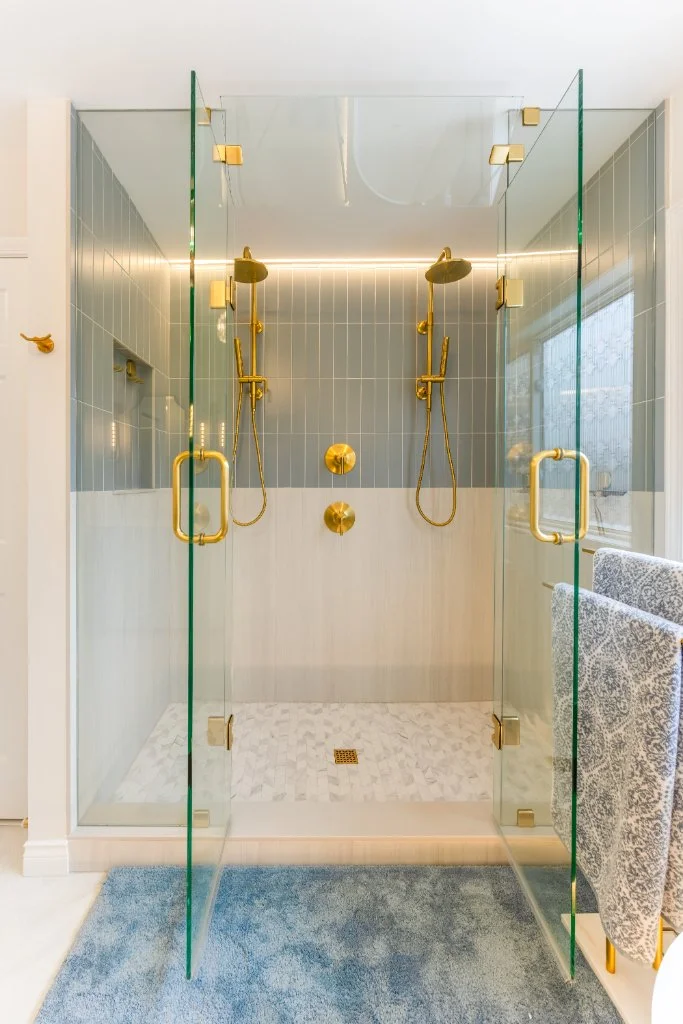
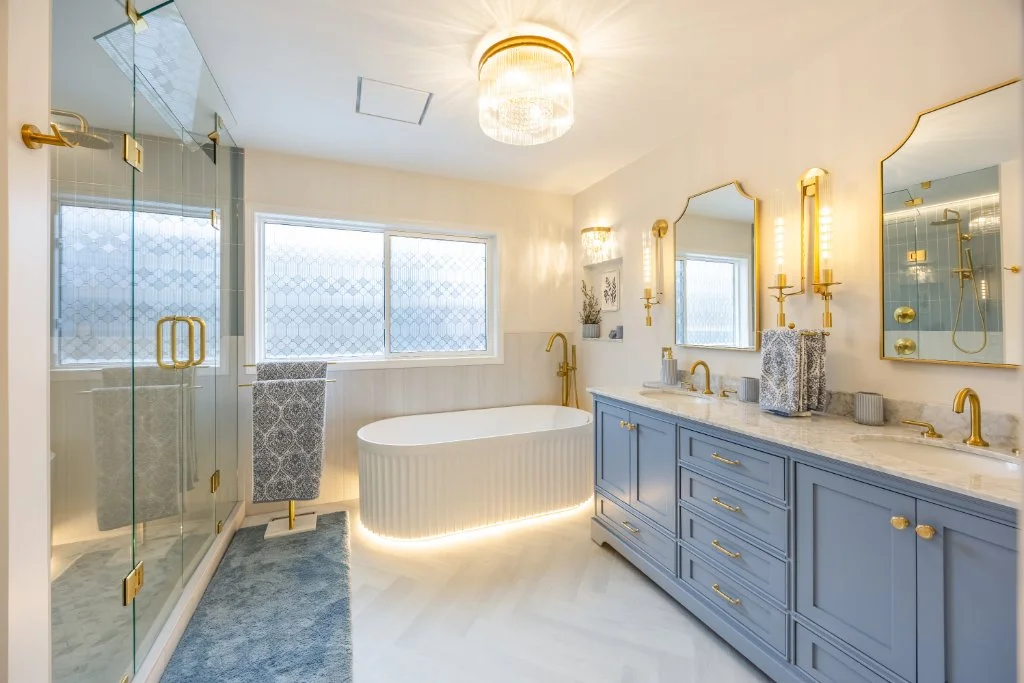





A double sink vanity might look like a must-have for a primary bathroom—but is it really? Before giving up valuable counter space and storage for that second sink, let’s look at the pros, cons and the questions you should ask before deciding if two sinks actually make sense for your bathroom.