

The Renovation Process: What to Expect from Start to Finish
/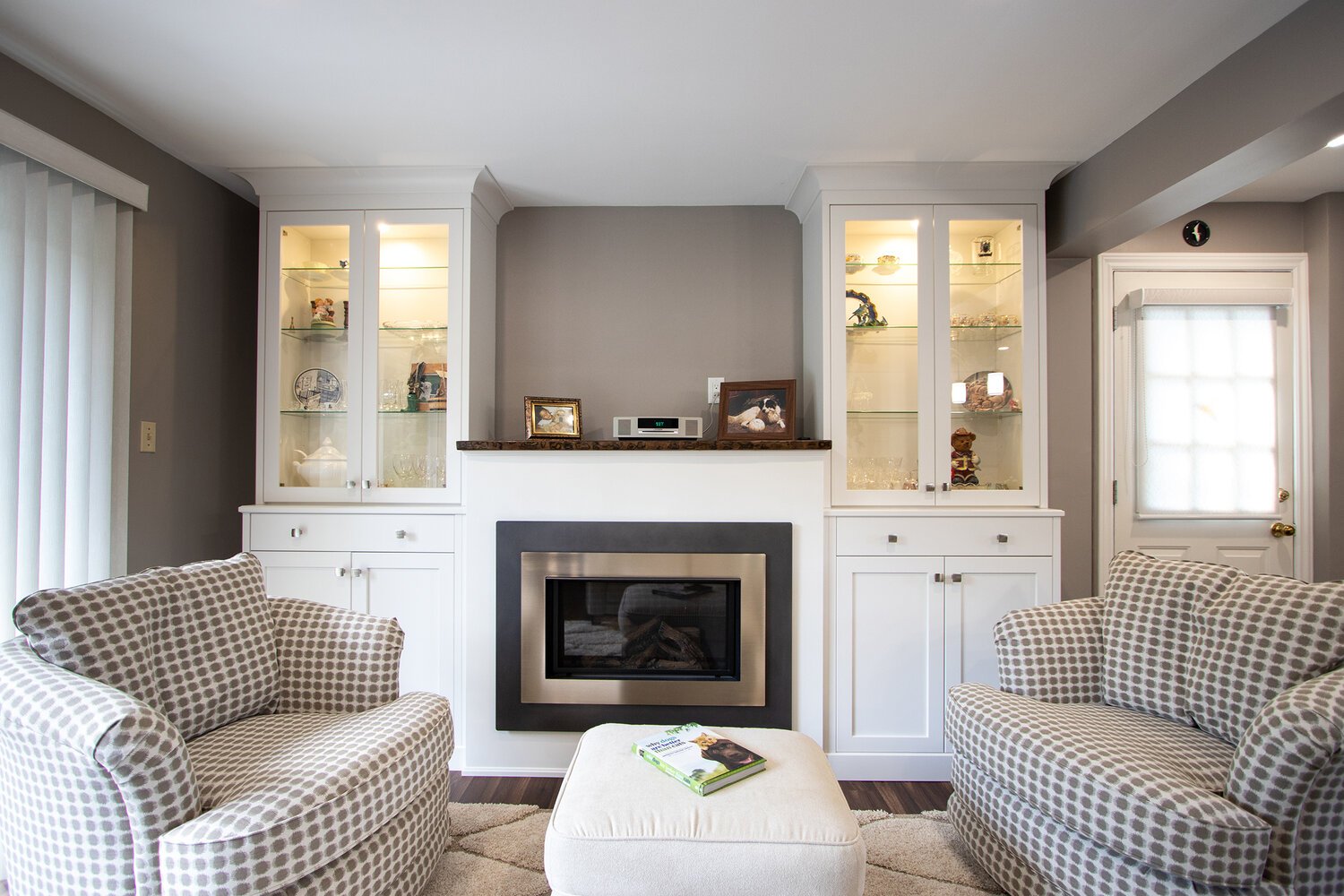
Renovating your home can be exciting, inspiring, stressful, overwhelming, and incredibly rewarding… sometimes all within the same week.
Whether you're updating a single room, remodeling a kitchen or bathroom, or taking on a larger whole-home renovation, understanding the renovation process from start to finish can make the experience feel far less intimidating.
One of the biggest challenges homeowners face during a renovation is simply not knowing what to expect next. Most people understandably focus on the finished result — the beautiful kitchen, the updated bathroom, the improved layout, or the dream space they've been imagining for years. But between the initial idea and the final reveal are dozens of decisions, schedules, trades, materials, inspections, and occasional surprises that all need to come together behind the scenes.
And truthfully? Renovations rarely feel perfectly smooth every single day.
Even well-planned projects can involve temporary disruption, delays, decision fatigue, and unexpected discoveries once walls and floors are opened up, especially in older homes. That doesn't necessarily mean something is going wrong. It simply means you're going through a real renovation.
The good news is that with realistic expectations, careful planning, clear communication, and a contractor you trust, the renovation process becomes far more manageable and far less overwhelming.
In this guide, we'll walk through what homeowners can realistically expect during a renovation, from the early planning stages all the way through to the final walkthrough and move back into your newly completed space.
Planning a Renovation?
Looking for a more detailed roadmap?
Our 43-page guide, The Homeowner's Guide to Surviving a Renovation, walks you through the entire renovation process from planning and budgeting to construction, inspections, and final completion.
📘 Available now for a limited time at the special introductory price of $4.99
Planning Your Renovation—Defining Your Goals
Every successful renovation starts with clarity.
Before choosing tile, paint colours, fixtures, or layouts, it's important to step back and think carefully about what you're truly hoping to achieve. Are you trying to improve functionality? Create more storage? Modernize an outdated space? Improve the flow of your home? Increase resale value? Or simply create a home that feels more comfortable and enjoyable to live in every day?
Interestingly, many homeowners begin a renovation believing they need “more space,” only to realize what they actually need is better organization, improved lighting, smarter storage, or a more functional layout.

This stage is about more than aesthetics. It's about identifying the frustrations you're trying to solve.
Maybe your kitchen lacks storage and prep space. Maybe your bathroom no longer works for your family's needs. Maybe your home simply feels outdated and no longer reflects your style or lifestyle. These details help shape the direction of a successful renovation.
It’s also important to establish priorities early:
What features are non-negotiable?
Where do you want to invest more?
What are your wish-list items?
Are you renovating for resale, comfort, functionality, or a combination of all three?
The clearer your goals are at the beginning, the easier it becomes to make decisions later in the process.
If you’re still in the early planning stages, our blog “Creating a Renovation Wishlist: Prioritizing Your Needs and Wants” can help you sort through your ideas, clarify your priorities, and create a renovation plan that truly fits your lifestyle—not just your Pinterest board. It’s a great starting point before the design and budgeting process begins.
Setting a Realistic Budget
Budget conversations may not be the most exciting part of a renovation, but they are absolutely one of the most important.
One of the biggest misconceptions homeowners have is assuming the budget only needs to cover the “visible” finishes like cabinetry, tile, countertops, or flooring. In reality, a successful renovation budget also needs to account for all of the behind-the-scenes work that makes those finished spaces possible.
Depending on the scope of the project, costs may include:
demolition
disposal and cleanup
labour
materials
plumbing and electrical work
permits and inspections
structural modifications
drywall and painting
flooring installation
cabinetry and countertops
fixtures and hardware
project management
Older homes in particular can contain surprises hidden behind walls, ceilings, and floors. Once demolition begins, contractors may uncover outdated wiring, plumbing issues, water damage, structural concerns, or previous renovations that were not completed properly.
That’s why contingency planning is so important.
Most experienced contractors recommend setting aside an additional 10–20% of your renovation budget for unexpected expenses, especially in older homes. The goal isn't to alarm homeowners. It's simply to prepare realistically so that if an issue does arise, it feels manageable rather than devastating.
A realistic renovation budget should allow room not only for beautiful finishes, but also for proper preparation, quality workmanship, and unexpected challenges that may arise throughout the project.
Want to learn more about why contingency funds matter during a renovation? Read our blog “Why You Should Allow a Contingency for Your Renovation Project” for a deeper look at how proper planning can help reduce stress and prepare for unexpected surprises along the way.
Hiring the Right Contractor
The people you choose for your renovation matter just as much as the renovation itself.

While homeowners often focus heavily on layouts, finishes, and pricing, the reality is that the experience you have throughout your renovation will be shaped largely by the team you hire. Communication, organization, professionalism, cleanliness, problem-solving ability, and workmanship all play a major role in how smoothly a project unfolds.
This is why choosing the right contractor is about far more than simply comparing pricing.
A lower quote may not always include the same level of preparation, communication, project management, materials, or detail work. Renovation quotes can vary significantly because not all contractors approach projects the same way.
Homeowners should take the time to:
read reviews
ask questions
verify licensing and insurance
review past projects
speak with references when possible
and pay attention to how the contractor communicates
Good communication during the quoting stage is often a strong indicator of what communication will look like during the renovation itself.
Do they answer questions clearly?
Do they explain things thoroughly?
Do they make you feel comfortable asking questions?
These things matter tremendously during a renovation because you may be working closely with your contractor for weeks or even months.
It’s also worth understanding that highly reputable contractors are often booked well in advance. While waiting for a preferred contractor can feel frustrating, patience often pays off. Contractors known for strong communication, quality workmanship, and professionalism tend to stay busy for a reason.

Creating a Realistic Timeline
One of the most common questions homeowners ask before a renovation begins is:
“How long is this going to take?”
The honest answer is that every renovation timeline is different, and many factors can influence how quickly or smoothly a project moves from start to finish.
Creating a realistic timeline early in the planning stage helps homeowners understand what to expect throughout the renovation process. A well-organized schedule helps coordinate trades, inspections, material deliveries, and overall project flow.
At the same time, it’s important to understand that renovations are not perfectly predictable.
Even well-planned renovations can experience delays due to:
material backorders
shipping delays
permit approvals
inspection scheduling
weather conditions
custom product lead times
or unexpected discoveries behind walls and floors once demolition begins
This is especially true in older homes.
One delayed cabinet delivery can impact countertop templating, plumbing fixture installation, backsplash timing, and finishing work afterward. Renovation schedules often function like a domino effect, where one delay can sometimes impact several stages that follow.
This is one reason experienced contractors try to build realistic schedules rather than overly optimistic ones.
One of the most helpful things homeowners can do is approach renovation timelines with a balance of organization and flexibility. Delays do not necessarily mean something is going wrong. Renovations involve many moving parts that all need to align throughout the project.
Good communication during this stage becomes extremely important. Clear updates about scheduling, progress, delays, and next steps can significantly reduce stress and help homeowners feel informed and prepared throughout the renovation journey.
If you’d like a more detailed look at kitchen renovation scheduling and the different stages involved, our blog “The Kitchen Renovation Timeline: What to Expect from Start to Finish” walks you through the process step by step so you can feel more prepared before construction begins.

Permits and Inspections
Permits may not be the most exciting part of a renovation, but they are an extremely important part of protecting both your home and your investment.
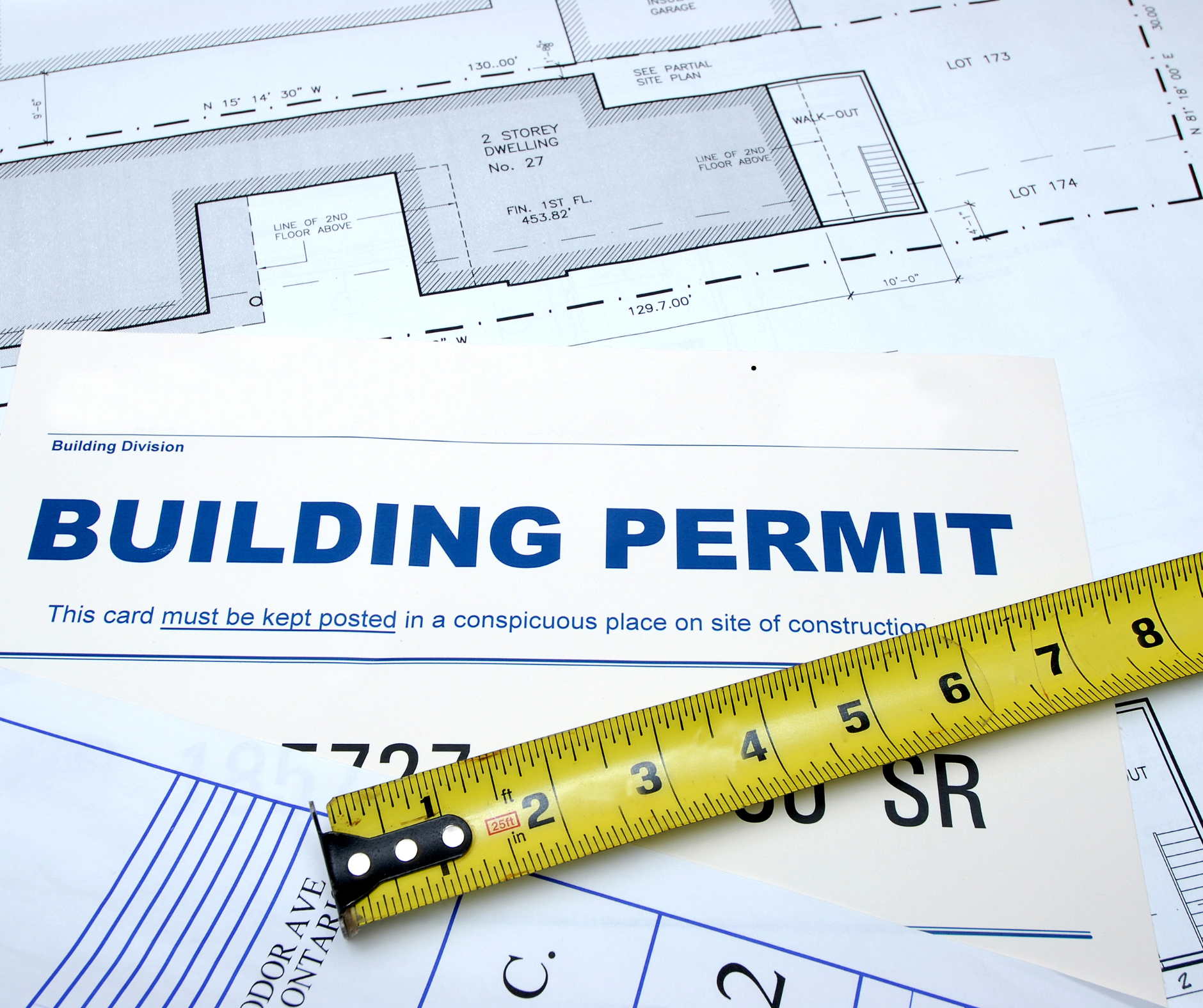
Depending on the scope of your project, permits may be required for structural changes, plumbing, electrical work, additions, basement renovations, or major layout modifications.
While it may sometimes feel tempting to skip permits in order to save time or money, doing so can create serious problems later on, including:
failed inspections
stop-work orders
fines
insurance complications
difficulties during future home sales
and potentially unsafe or non-compliant work
Permits exist for a reason. They help ensure renovations meet current building and safety standards designed to protect homeowners and their families.
A good contractor should clearly explain:
whether permits are required
who is responsible for obtaining them
what inspections may be needed
and how the permit process may affect the renovation timeline
If your renovation requires permits, drawings, or engineered plans, the process can sometimes feel overwhelming at first. For a more detailed explanation of when drawings may be needed and how the process works, read our blog “What to Do When You Need Drawings for Your Renovation Project”
Design, Selections, and Material Planning
For many homeowners, the design and selection stage is one of the most exciting parts of the renovation process. This is where ideas finally begin turning into actual plans, layouts, finishes, and visual concepts.
Depending on the project, this phase may involve decisions regarding:
layouts and space planning
cabinetry design
flooring selections
tile and backsplash choices
countertops
lighting
plumbing fixtures
paint colours
storage solutions
hardware and trim details
While aesthetics are certainly important, one of the biggest keys to a successful renovation is balancing beauty with functionality.
A space can look stunning in photos but still feel frustrating to use every day if the layout, storage, lighting, or workflow isn't planned properly.
This is also the stage where many homeowners begin realizing just how many decisions are involved in a renovation. Even relatively straightforward projects can require dozens — sometimes hundreds — of individual choices.
And honestly, decision fatigue during a renovation is very real.
Countertops affect backsplash choices. Flooring impacts paint colours. Lighting changes how finishes appear within the space. Everything needs to coordinate visually while also staying within budget.
This is one reason homeowners benefit from slowing down and making thoughtful decisions rather than rushing selections under pressure later in the process.
Timing also becomes very important during this phase.
Many homeowners are surprised to learn how much renovation schedules depend on product availability and lead times. Some materials may be available immediately, while others — particularly custom cabinetry, imported tile, specialty fixtures, or custom glass — may take weeks or even months to arrive.
Ordering delays are one of the most common causes of renovation timeline disruptions.
Every renovation comes with its own unique challenges, decisions, and surprises along the way. Having the right team guiding the process can make a tremendous difference in reducing stress, improving communication, and helping your renovation move forward as smoothly as possible. We’re here to help.
What Homeowners Are Often Surprised By During a Renovation
Even homeowners who prepare carefully for a renovation are often surprised by certain parts of the experience.
One of the biggest surprises is how mentally exhausting renovations can sometimes feel. Homeowners are often making constant decisions for weeks or months:
paint colours
tile selections
hardware
lighting
layouts
storage solutions
scheduling decisions
material approvals
Even exciting decisions can become overwhelming after a while.
Many homeowners are also surprised by how disruptive renovations can feel emotionally. Living without a kitchen, sharing one bathroom, dealing with noise and dust, or constantly adjusting routines can become tiring over time, even when homeowners are thrilled about the finished result.
And then there’s the emotional “messy middle” of renovations.
There’s often a stage where the project feels chaotic, unfinished, and difficult to visualize. This is especially common during demolition and structural work. Many homeowners have moments where they temporarily wonder if they’ve made a terrible decision.
That feeling is incredibly normal.
Homeowners are also often surprised by how slow the finishing stages can feel. Early stages like demolition create dramatic visible progress very quickly. But near the end of the renovation, progress shifts toward detailed finishing work, touch-ups, adjustments, inspections, and corrections. Those smaller details take time, even though visually the project may already look “almost done.”
This is where patience becomes incredibly important.
The good news is that these experiences are extremely common during real renovations. Understanding that ahead of time can help homeowners navigate the process with far less stress and anxiety.
Demolition: Where Renovations Suddenly Feel Real
Demolition is often the stage where a renovation suddenly starts feeling very real.
Up until this point, the renovation has mostly existed as conversations, plans, measurements, selections, and ideas. Once walls start opening up, cabinets come out, flooring is removed, and dust starts appearing, homeowners often experience a mix of excitement, stress, nervousness, and anticipation all at once.
And honestly? That emotional roller coaster is completely normal.
Demolition is almost always noisy, dusty, and temporarily disruptive. Even with careful protection and containment measures in place, renovations are active construction projects, and this phase can feel chaotic at times.
Depending on the size and scope of the renovation, homeowners may need to:
set up temporary kitchen spaces
relocate furniture and valuables
adjust daily routines
prepare pets for additional noise and activity
limit access to certain areas of the home
or in larger projects, temporarily relocate altogether
One of the most helpful things homeowners can do during demolition is mentally prepare for the fact that the space will often look worse before it starts looking better.
This is also the stage where many homeowners have their first:
“What have we done?” moment.
Beautiful kitchens suddenly become bare studs. Bathrooms become open construction zones. Dust seems to find its way everywhere. Even homeowners who are excited about the finished result can briefly feel overwhelmed seeing their home in this partially dismantled state.
That feeling is incredibly common during renovations.
Demolition is also one of the stages where hidden issues are most likely to be uncovered. Contractors may discover:
outdated plumbing
unsafe electrical work
water damage
structural concerns
mold
ventilation problems
or evidence of previous renovations that were not completed properly
These discoveries can sometimes affect timelines, budgets, and renovation plans. While that can understandably feel frustrating, uncovering these issues also creates the opportunity to correct them properly rather than leaving them hidden behind newly finished surfaces.
Thinking about removing a wall to create a more open-concept space? Before demolition begins, there are important structural and planning considerations to understand. Our blog ““Want to Remove a Wall? Here’s What You Need to Know First”” explains the process, potential challenges, and why proper planning matters before any walls come down.
Structural Work: What Happens Behind the Walls
Once demolition is complete, the renovation moves into one of the most important phases of the project: the structural and mechanical work behind the walls.
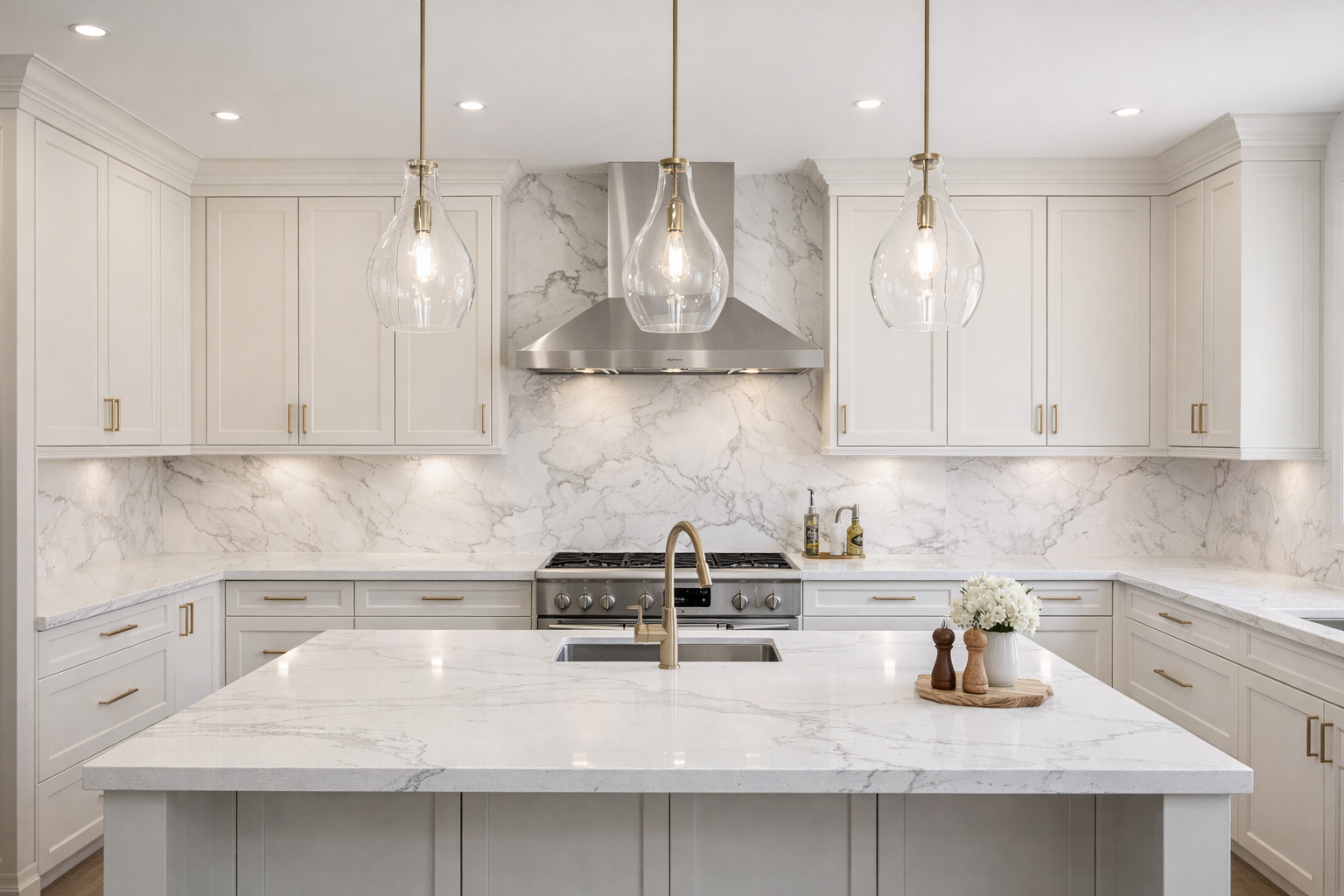
While this stage may not feel as visually exciting as cabinetry, tile, or paint colours, it forms the foundation of a successful renovation.
Depending on the scope of the project, this phase may include:
framing and structural modifications
plumbing rough-ins
electrical work
HVAC adjustments
insulation
ventilation improvements
subfloor repairs
leveling work
and reinforcement of existing structures
This is the stage where functionality, safety, and proper construction practices truly take center stage.
Older homes especially can present challenges once walls and floors are opened up. Contractors may discover outdated wiring, hidden water damage, plumbing concerns, or structural issues that need to be addressed before the renovation can move forward properly.
This phase also involves a tremendous amount of coordination behind the scenes. Multiple trades often need to work in a very specific sequence, and inspections may be required before drywall can be installed.
Homeowners are often surprised by how much work happens during this phase that will eventually disappear behind finished surfaces. Upgraded wiring, plumbing corrections, insulation improvements, and structural reinforcement may not be visually dramatic at the end of the project, but they often contribute tremendously to the safety, efficiency, comfort, and longevity of the renovation.
This is also where experience truly matters.
Beautiful finishes can quickly lose their appeal if the work behind the walls was rushed or improperly installed. A well-executed renovation focuses equally on both what homeowners see and what they don’t.
Bringing the Space Back Together
After the structural work is complete, the renovation finally begins transitioning from an open construction zone back into something that resembles an actual living space again.
This phase includes:
insulation
drywall
flooring
cabinetry
countertops
painting
lighting
plumbing fixtures
and finishing details
For many homeowners, this is the stage where the renovation finally starts feeling exciting again because they can finally begin visualizing the finished result.
Rooms begin looking like rooms again.
Drywall installation transforms open framing into defined spaces, while flooring and cabinetry begin creating the overall feel and personality of the renovation.
At the same time, this stage still requires patience.
Many homeowners are surprised by how much detailed finishing work is involved near the end of a renovation. Painting, trim installation, hardware placement, tile work, fixture installation, touch-ups, and adjustments all take time, and the final stages can sometimes feel slower than expected.
This is also the stage where thoughtful planning earlier in the process really begins paying off. Careful consideration of layout, storage, lighting, and functionality all start coming together into a space that not only looks beautiful, but genuinely improves daily life.
And honestly? This is often the point where homeowners finally start feeling like they can exhale a little.
The Final Stages of Your Renovation
As construction wraps up, the final stages of the renovation focus on clean-up, walkthroughs, touch-ups, and preparing the home to be fully lived in again.
A thorough post-renovation cleaning makes an enormous difference in how the finished space looks and feels. Dust, construction debris, protective coverings, and leftover materials all need to be removed before homeowners can fully enjoy the transformation.
Homeowners are often surprised by how dramatically different a renovation feels once the final cleaning has been completed. The same room that felt chaotic and unfinished days earlier suddenly feels calm, polished, and ready to enjoy.
The final walkthrough with your contractor is also an important step. This gives homeowners the opportunity to review the completed work, ask questions, identify any final touch-ups, and ensure everything has been completed according to the agreed-upon plans.
Many contractors create what’s commonly referred to as a “punch list” — a list of smaller remaining items that need to be corrected, adjusted, or completed before the project is officially finalized.
Once everything is complete and the dust has finally settled, homeowners can finally begin moving back into their newly renovated space and enjoying the results of all the planning, patience, investment, and decision-making that went into the project.
And in many cases, the greatest satisfaction comes not from the dramatic visual transformation itself, but from the smaller everyday improvements homeowners experience once they begin living in the space:
better storage
improved lighting
easier daily routines
more functional layouts
improved comfort
and spaces that simply work better for their lifestyle
Conclusion

The renovation process can certainly feel overwhelming at times. Between budgeting, planning, material selections, scheduling, construction, and temporary disruption, it's completely normal for homeowners to experience moments of stress or uncertainty along the way.
But with realistic expectations, careful planning, clear communication, and the right renovation team, the process can also be incredibly rewarding.
There will likely be moments that feel exciting.
Moments that feel messy.
Moments that require patience and flexibility.
And moments where the vision finally starts coming together in a way that makes all of the disruption feel worthwhile.
At the end of the day, a successful renovation is about far more than simply updating finishes or improving appearances.
It's about creating a home that functions better for your family, supports your lifestyle, improves everyday comfort, and makes you genuinely enjoy the space you live in.
And when it’s done properly, the finished result doesn’t simply feel like a completed renovation.
It feels like home.
Thinking about renovating your kitchen, bathroom, basement, or main living space? At Multi-Trade Building Services, we believe homeowners deserve honest communication, realistic expectations, and experienced guidance throughout every stage of the renovation process. Contact us today to start planning a renovation that not only looks beautiful, but functions better for the way you truly live.

Every renovation project comes with questions, decisions, and important planning considerations. If you’re researching your upcoming renovation, these additional blogs can help you feel more informed, prepared, and confident before construction begins.

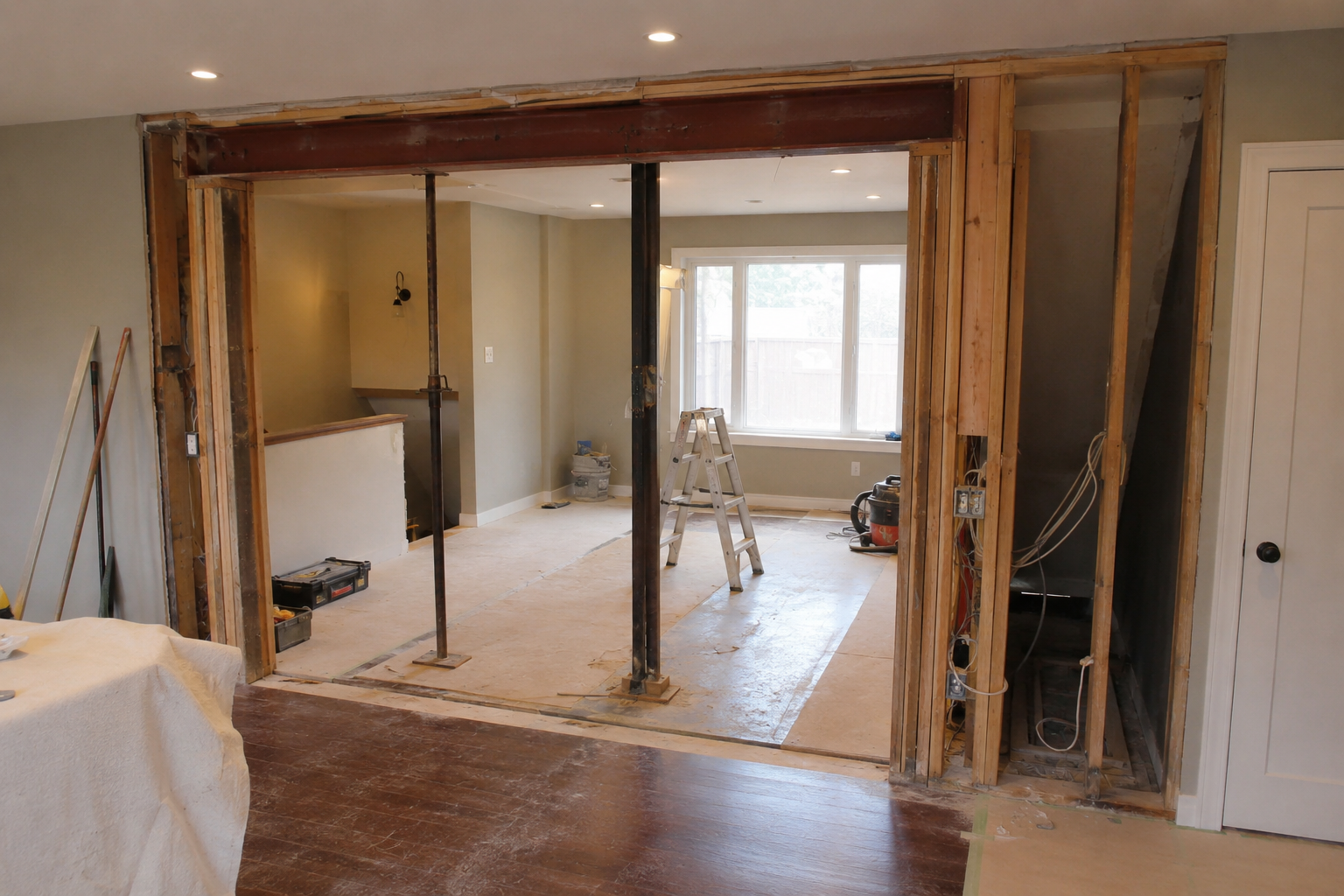










A double sink vanity might look like a must-have for a primary bathroom—but is it really? Before giving up valuable counter space and storage for that second sink, let’s look at the pros, cons and the questions you should ask before deciding if two sinks actually make sense for your bathroom.