

How to Verify a Contractor's Insurance and Credentials Before You Hire Them
/
Hiring a contractor can feel a little overwhelming.
Most homeowners don't renovate every day. In fact, for many people, a kitchen renovation, bathroom remodel, or major home improvement project may only happen once or twice in their lifetime.
As a result, homeowners are often faced with a difficult challenge: how do you know who to trust?
A contractor's website may look impressive. Their social media pages may showcase beautiful finished projects. They may have dozens of positive reviews online.
But none of those things tell you whether they're properly insured, appropriately licensed, or operating a legitimate business.
Unfortunately, every year homeowners find themselves dealing with unfinished projects, property damage, poor workmanship, and even legal complications because they hired someone who wasn't properly qualified or insured.
The good news is that protecting yourself is easier than you might think.
Before signing a contract or handing over a deposit, there are several important things every homeowner should verify. Taking a few minutes to do your homework can save you thousands of dollars and countless headaches later.
Let's walk through exactly what you should be checking before hiring any contractor.
Start With Liability Insurance
One of the first questions you should ask any contractor is whether they carry liability insurance.
Liability insurance helps protect homeowners if accidental property damage occurs during a renovation project. While experienced contractors work hard to avoid problems, accidents can happen on any job site.
For example, a plumber could accidentally cause water damage inside a wall. A worker might drop a tool and damage a hardwood floor. A ladder could slip and break a window. Even something as simple as dust or debris damaging furniture can result in an insurance claim.
Without proper liability insurance, homeowners may find themselves trying to recover damages directly from the contractor, which can be a stressful and expensive process.
So how much insurance should a contractor carry?
The answer varies depending on the type of work being performed. In Ontario, licensed electrical contractors are required to carry a minimum of $2 million in liability insurance in order to maintain their licence. Other contractors may carry $1 million, $2 million, or even $5 million in coverage depending on the size and scope of the projects they undertake.
While there is no single amount that's appropriate for every contractor, homeowners should be cautious of any contractor who cannot provide proof of current liability insurance.
When reviewing a Certificate of Insurance, pay attention to:
The name of the insured company
The insurance company providing coverage
The policy number
Coverage limits
The policy expiry date
Don't simply take someone's word for it. Ask for documentation.
A reputable contractor should have no hesitation providing proof of insurance and answering questions about their coverage. In fact, most professional contractors expect homeowners to ask.
After all, protecting your home starts long before the renovation begins.
Verify WSIB Coverage
If you live in Ontario, WSIB coverage is another important item to verify before any renovation work begins.
Many homeowners assume that if someone is injured while working on their property, the contractor's insurance automatically takes care of everything. Unfortunately, it's not always that simple.
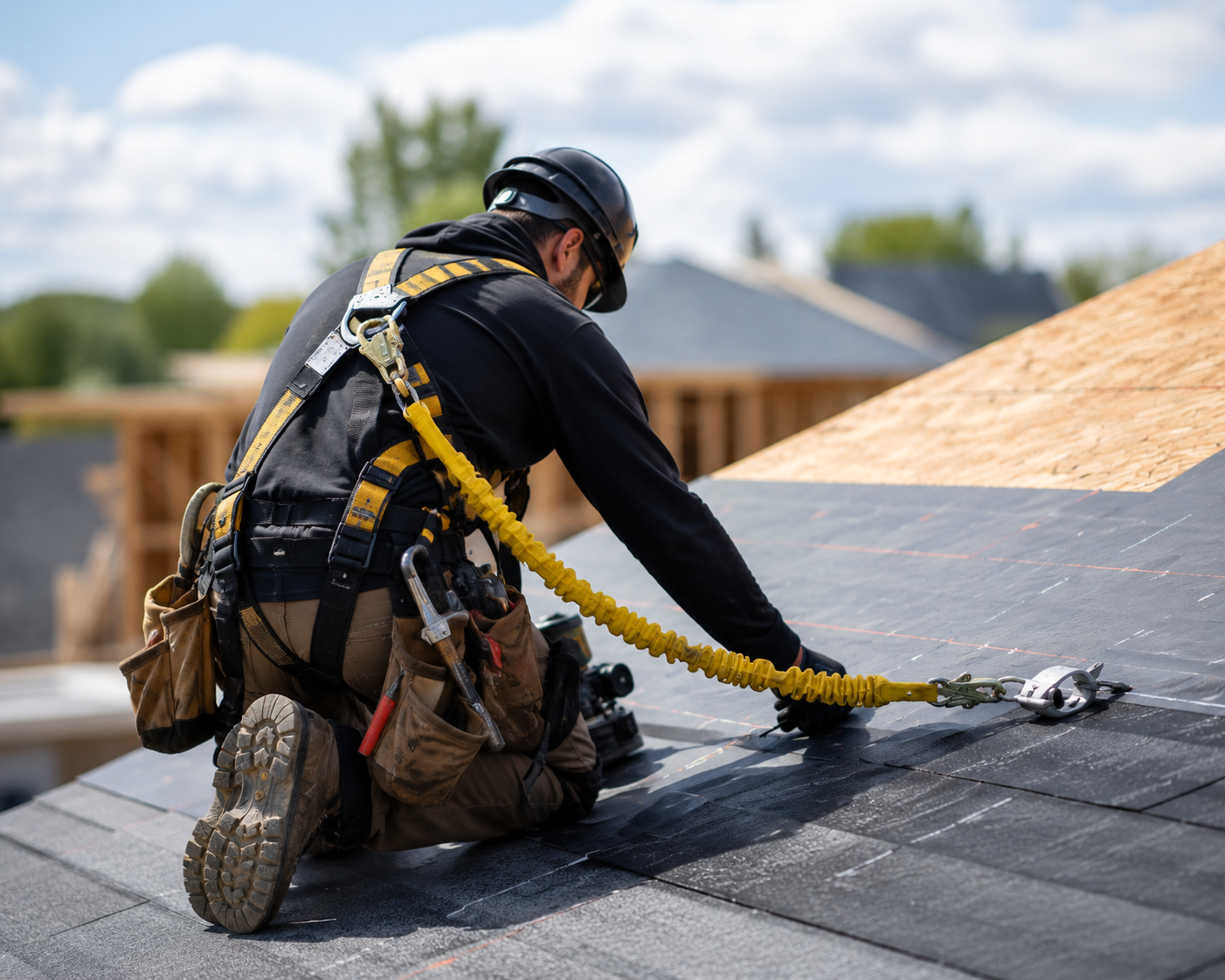
WSIB (Workplace Safety and Insurance Board) provides workplace injury coverage for eligible workers. When a contractor has proper WSIB coverage in place, injured workers can access benefits through the WSIB system rather than relying solely on legal action or other avenues to recover lost wages and medical expenses.
Without proper WSIB coverage, an injury on your property can quickly become a complicated situation involving multiple parties, insurance companies, and questions about responsibility.
Imagine a worker falls from a ladder while replacing a ceiling, suffers a serious injury, and is unable to work for several months. Or a tradesperson is injured while carrying heavy materials into your home. These situations are rare, but they do happen.
As a homeowner, you don't want to discover after an accident that the contractor failed to maintain proper coverage.
That's why it's always a good idea to ask for a current WSIB Clearance Certificate before work begins. This certificate confirms that the contractor's account is in good standing at the time it is issued.
A professional contractor should be able to provide this documentation quickly and without hesitation.
Think of it this way: verifying WSIB coverage takes only a few minutes, but it can provide valuable peace of mind throughout your renovation project.
Confirm Electrical Licensing
Electrical work is one area where homeowners should be especially careful.
Unlike painting, flooring, or many other renovation trades, electrical work in Ontario is heavily regulated because mistakes can create serious safety hazards including electrical shock, fire, and property damage.
One of the biggest misconceptions homeowners have is believing that hiring a "licensed electrician" is enough.
In Ontario, homeowners requiring electrical work should be hiring a Licensed Electrical Contractor (LEC). These are businesses licensed by the Electrical Safety Authority (ESA) and authorized to perform electrical contracting work. Simply being a certified electrician or even a Master Electrician does not automatically allow an individual to perform electrical work for hire. The company itself must be licensed.

To become a Licensed Electrical Contractor, a company must meet specific requirements established by the ESA. These requirements include carrying a minimum of $2 million in liability insurance, maintaining WSIB coverage where required, have been in business for a minimum of 3 years, and employing a designated Master Electrician who is responsible for overseeing compliance with electrical safety requirements.
Homeowners should always ask for the contractor's ECRA/ESA licence number. This number should appear on estimates, contracts, vehicles, advertisements, and other company materials. The licence can then be verified through the ESA's online contractor search tool.
Another important consideration is permits and inspections.
Many types of electrical work require a notification to be filed with the ESA and may require inspection. Once the work has been completed and approved, homeowners should receive documentation confirming the work was inspected and accepted. This paperwork can be important for future insurance claims, home sales, and peace of mind.
If a contractor suggests that permits or ESA notifications are unnecessary when they should be required, consider it a warning sign.
Electrical work hidden behind walls is often impossible for homeowners to inspect themselves. That's why hiring a properly licensed electrical contractor and ensuring the required inspections take place is one of the best ways to protect your home and family.
Confirm Plumbing Qualifications

Plumbing may not receive the same attention as electrical work, but mistakes can be just as costly.
A poorly installed plumbing connection hidden inside a wall can create thousands of dollars in damage before anyone realizes a leak exists.
If plumbing work is part of your renovation, ask who will be performing it.
Will it be completed by a qualified professional?
How much experience do they have?
Are they familiar with current plumbing codes and requirements?
Professional contractors should have clear answers.
A trustworthy contractor will never be offended by reasonable questions. In fact, most appreciate homeowners who take the time to understand the process.

Check Online Reviews—but Don't Stop There
Online reviews can provide valuable insight, but they shouldn't be your only source of information.
It's easy to focus on a company's star rating, but it's often more important to read the actual comments.
Look for patterns.
Do multiple customers mention strong communication?
Do clients comment on cleanliness, professionalism, or reliability?
Did projects finish on schedule?
How were issues handled when unexpected challenges arose?
Pay particular attention to how a contractor responds to criticism.
Even the best companies occasionally encounter problems. What matters is how they address them.
A contractor who responds professionally and respectfully to concerns often tells you far more than a perfect five-star rating ever could.
Ask for References
One of the most valuable things a homeowner can do is speak with previous clients.
A reputable contractor should be able to provide references from recent projects.
When speaking with references, consider asking questions such as:
Was communication clear throughout the project?
Did the contractor arrive when expected?
Were unexpected issues handled professionally?
Did the project stay reasonably close to the quoted budget?
Was the work completed to your satisfaction?
Would you hire them again?
One of the most telling questions is often the simplest:
"Would you recommend them to a friend or family member?"
The answer can reveal a great deal.
References are just one piece of the puzzle when evaluating a contractor. For a more detailed look at what to watch for before signing a contract, read our blog on How to Select a Reputable Contractor, where we cover everything from credentials and communication to warranties and red flags.
Planning a Renovation?
Choosing the right contractor is only one piece of a successful renovation. Our 43-page Homeowner's Guide to Surviving a Renovation walks you through every stage of the process—from planning and budgeting to managing trades and avoiding common mistakes. Written by the renovation experts at Multi-Trade Building Services, it's currently available for half price at just $4.99.
Insist on a Written Contract
Never rely on verbal agreements when it comes to renovation projects.
A professional contractor should provide a written contract that clearly outlines the scope of work.
At a minimum, your contract should address:
The work being performed
Materials being supplied
Estimated project timelines
Payment schedules
Procedures for handling changes
Warranty information
Responsibilities of both parties
A contract protects everyone involved.
It helps ensure that expectations are clearly understood before work begins and provides a roadmap for the project moving forward.

If a contractor seems reluctant to provide a written agreement, proceed with caution.
A well-written contract should never feel confusing or overwhelming. If you'd like to better understand what you're signing, read our detailed blog, How to Read and Interpret a Renovation Contract, where we break down each section and explain what homeowners should look for before signing on the dotted line.
Understand the Contractor's Warranty
Many homeowners assume that a longer warranty automatically means better protection.
Unfortunately, that's not always the case.
When comparing contractors, it's important to look beyond the number of years being offered and understand exactly what is covered. A five-year warranty may sound impressive, but in some cases the fine print excludes many of the issues homeowners are most concerned about.
Instead of focusing solely on the length of the warranty, ask questions such as:
What exactly is covered?
What exclusions apply?
Is the warranty provided in writing?
Does it cover both labour and workmanship?
Are manufacturer warranties separate from the contractor's warranty?
A clear, detailed warranty often provides more value than a longer warranty with extensive exclusions.
The best contractors are transparent about what they stand behind and what falls outside the scope of their warranty. Understanding those details before work begins can help prevent misunderstandings later and provide greater peace of mind throughout your renovation journey.
Beware of Common Red Flags
While many contractors operate honest, professional businesses, there are a few warning signs homeowners should never ignore.
Be cautious if a contractor:
Requests a large cash payment upfront
Refuses to provide proof of insurance
Cannot provide references
Avoids written contracts
Pressures you to make immediate decisions
Provides pricing dramatically lower than everyone else
Cannot clearly explain their process
Has no physical or online business presence or professional contact information
A low price can be tempting, especially when renovation costs continue to rise.
However, the cheapest quote is not always the best value. In many cases, unusually low pricing is a sign that something important has been omitted.
Remember: You're Hiring More Than Skills
Many homeowners focus entirely on workmanship when choosing a contractor.
Workmanship is important, but it's only part of the equation.
You'll also be inviting someone into your home, trusting them with your property, and relying on them to communicate effectively throughout the renovation process.
That's why character matters. Professionalism matters. Communication matters. Trust matters.
The best renovation experiences happen when homeowners and contractors build a strong working relationship based on honesty, transparency, and mutual respect.
What Does It Mean When a Contractor Is Bonded?
Homeowners often hear the phrase "licensed, bonded, and insured," but many aren't entirely sure what bonding actually means.
A bond is different from insurance.
Liability insurance helps protect homeowners if accidental property damage occurs during a renovation project. A bond, on the other hand, provides a level of financial protection if a contractor fails to meet certain contractual obligations.
Bonding is more common on large commercial projects, government projects, and certain specialized construction work. Residential renovation contractors may or may not carry bonding depending on the type of work they perform.
For most homeowners planning a kitchen renovation, bathroom remodel, basement renovation, or other home improvement project, verifying liability insurance, WSIB coverage, references, and written contracts is typically far more important than whether a contractor is bonded.
That said, if you're unsure, don't be afraid to ask. A professional contractor should be able to clearly explain what coverage they carry and what protections are available to homeowners.
Questions Every Homeowner Should Ask Before Hiring a Contractor
Before choosing a contractor, consider asking the following questions:
Can you provide proof of liability insurance?
Do you have current WSIB coverage?
Who will be performing the electrical work?
Who will be performing the plumbing work?
Can I speak with recent clients or references?
Will I receive a detailed written contract?
How are change orders handled if additional work is discovered?
What happens if unexpected issues arise during the project?
How will communication be handled throughout the renovation?
What is the expected timeline for completion?
The answers to these questions can tell you a great deal about how a contractor operates and whether they are a good fit for your project.
A contractor's willingness to answer questions openly and transparently is often just as important as the answers themselves.
Final Thoughts
Hiring a contractor doesn't have to feel like a leap of faith.
By verifying insurance, confirming qualifications, checking references, reviewing contracts, and asking thoughtful questions, you can dramatically reduce your risk and move forward with confidence.
A reputable contractor should never be offended by these questions.
In fact, professionals who take pride in their work will usually welcome them.
After all, homeowners deserve peace of mind when investing in their homes.
Looking for a Contractor You Can Trust?
At Multi-Trade Building Services, we believe homeowners should ask these questions of every contractor they consider hiring—including us.
We're always happy to provide proof of liability insurance, WSIB coverage, references, warranty information, and detailed written contracts because we believe trust starts long before construction begins.
If you're planning a kitchen renovation, bathroom remodel, basement finishing project, or home improvement project in Oshawa, Whitby, Ajax, Pickering, Courtice, Bowmanville, Newcastle, or elsewhere throughout Durham Region and Clarington, we'd be happy to answer your questions and help you make informed decisions about your home.

A successful renovation starts long before construction begins. Explore these additional renovation planning articles for expert advice on budgeting, hiring contractors, understanding contracts, managing timelines, and avoiding common homeowner mistakes.




















Thinking about taking down a wall? It could open your kitchen, combine two small rooms, enlarge a bathroom or completely transform a basement — but removing a wall also comes with trade-offs. Before demolition begins, here's how to decide whether losing that wall will actually make your home work better.