

How to Renovate Your Home for Multi-Generational Living
/
A Heart-Forward Guide to Creating a Home That Works for Everyone
For many families today, moving in together isn’t a last resort — it’s a lifeline.
Maybe you’ve noticed your parents slowing down a little and you’re worried about their safety living alone.
Maybe your adult child has moved back home temporarily — for the third time — and temporary is starting to look a lot more permanent.
Maybe childcare costs are sky-high, or housing prices have become laughable, or you simply want your family closer for support, connection, and everyday life.
Or maybe a conversation over coffee turned into, “What if we tried living together? What would that look like?”
And while the idea of everyone living together can feel comforting, practical, necessary, or even exciting… it also comes with a big reality check:
Most homes were not designed for multiple generations.
Not structurally.
Not functionally.
Not for privacy.
Not for accessibility.
Not for the way three (or more) adult lives overlap in one space.
That’s where renovations comes in — not just to make room, but to make the right kind of room.
A home that supports independence, dignity, safety, and privacy.
A home where everyone can breathe.
A home that prepares your family for the future, not just the next six months.
Because multi-generational living isn’t simply about adding another bedroom.
It’s about creating a layout, a flow, and a level of comfort that lets people live together without stepping on each other’s routines, boundaries, or nerves.
And yes — there are emotions involved.
There always are when family is at the centre of a decision.
But this blog isn’t just about the emotional side.
This is your renovation guide:
what to consider, what to plan for, what to avoid, and how to design a home that works beautifully for every generation who lives in it — now and in the years to come.
The Growing Reality of Multi-Generational Living

Multi-generational living isn’t new — families have been doing it for centuries — but the reasons behind it have changed. Today, it’s not just cultural tradition or convenience. It’s a combination of real-world pressures, emotional needs, and the undeniable truth that life is simply easier when the people you love most are under one roof.
For many families, the shift starts with a single moment of clarity:
An aging parent hesitates at the top of the stairs.
A grown child confesses that rent has become unmanageable.
A family realizes that childcare, elder care, and household responsibilities are becoming too much for one generation to handle alone.
Or everyone looks at the cost of groceries and thinks, “Okay, maybe we should all just pool resources and move in together.”
This isn’t weakness.
This isn’t failure.
This is real life — and families are adapting in the smartest, most compassionate way possible.
The Reasons Are Practical… and Deeply Emotional
Yes, the economic pressures are real:
Housing prices that make you want to lie down.
Interest rates that feel personally offensive.
The cost of long-term care being higher than a luxury vacation… every month.
Adult children navigating wages that haven’t caught up with inflation since Blockbuster existed.
But beneath the financial layer, there’s something even more powerful:
connection, safety, support, and the desire to take care of the people who took care of us.
The Difference Between “Moving In” and “Living Well Together”
Anyone can move in with family.
It’s not rocket science — grab a suitcase, find a toothbrush cup, and voila.
But living well together?
That’s the part no one prepares families for.
Living well together requires:
Thoughtful space planning
Fair routines
Clear boundaries
Emotional honesty
Privacy that actually feels private
And renovations that support independence, not erase it
Multi-generational living thrives when a home is designed for it — not when everyone tries to squeeze into a space that wasn’t built for three (or four) different life stages.
The Biggest Challenges Families Face When Sharing a Home
Before we talk about renovations — we need to talk about the problems they’re actually meant to solve.
Because multi-generational living doesn’t fall apart over “big dramatic issues.”
It falls apart over everyday frustrations that slowly stack up like laundry in a teenager’s room.
Here are the most common challenges families face when they suddenly have more adults than bedrooms, more routines than bathrooms, and more opinions than storage space.
1. Privacy Disappears Faster Than You’d Think
Even the closest families need personal space — physical and emotional.
But standard homes don’t account for:
three generations with different sleep schedules
multiple people needing quiet at the same time
adults working from home
grandparents who wake up early
teenagers who stay up late
and let’s be honest… nobody enjoys bumping into each other in the hallway wearing pyjamas they didn’t intend to be seen in
A lack of separation is the #1 reason multi-generational living gets stressful.
2. Bathrooms Become a Battlefield
You know the saying, “Too many cooks in the kitchen”?
Well, it applies to bathrooms too — except with more urgency.
Common challenges include:
long morning lineups
accessibility issues for aging parents
not enough storage for multiple adults
unsafe flooring
cramped layouts
shower and tub setups that don’t work for everyone
One bathroom + multiple adults = frustration that no family meeting will fix.
Renovations will.
3. The Kitchen Isn’t Built for Two Generations of Cooking Styles
Families often underestimate this part.
Suddenly you have:
two (or three) people cooking at the same time
different dietary needs
more groceries
way more dishes
not enough counter space
not enough fridge space
clashing cooking rhythms (“Why do you cut onions like that?”)
A kitchen designed for a single household simply can’t keep up with multi-generational living.
4. Safety and Accessibility Start to Matter More
When aging parents move in (or are expected to eventually), families quickly realize:
stairs become a concern
tubs become a fall risk
dim lighting becomes dangerous
flooring becomes slippery
tight hallways and tiny bathrooms become obstacles
Homes built for able-bodied thirty-year-olds are rarely safe for aging parents without thoughtful updates.
5. Storage Vanishes Into Thin Air
Because suddenly the house is holding:
two households’ worth of belongings
medical equipment
seasonal items
bulk groceries
extra linens
mobility devices
hobbies (everyone seems to have one the moment space gets tight)
Without proper storage solutions, even a large home starts feeling like a storage locker.
6. Routines Collide
Different generations = different rhythms.
early risers
night owls
kids’ homework
online meetings
naps
medication schedules
shower times
TV volume preferences
quiet hours vs. “let’s vacuum right now” hours
A home that worked for one nuclear family simply isn’t designed for all this overlap.
7. The Layout Just Isn’t Designed for This Many Adults
This is a practical truth:

Most homes simply weren’t built for multi-generational living.
Not physically.
Not structurally.
Not functionally.
This is why renovations matter — because without intentional design changes, families end up:
squeezing into spaces too small
living on top of each other
bumping into one another all day long
and feeling frustration they didn’t expect
Multi-generational living can be beautiful, supportive, and comforting — but only when the home is set up for success.
Renovations That Make Multi-Generational Living Actually Work
If multi-generational living had a secret ingredient, it wouldn’t be a family meeting or a colour-coded chore chart — it would be thoughtful, well-planned renovation.
Because love is great.
Connection is wonderful.
But a home that’s not designed for multiple generations?
That’s when tension creeps in.
Renovations don’t just make space.
They make comfort, privacy, safety, and sanity possible.
Here are the renovations that truly transform how well a multi-generational household functions.
A. Creating Private, Independent Spaces
Privacy is the number one requirement for multi-generational harmony.
Not because families don’t get along — but because everyone needs space to breathe, decompress, and feel like they still have their own life.
Some of the most effective renovations include:
Secondary Suites
These offer independence, dignity, and separation. Perfect for aging parents or adult children who need their own space.
Basement Conversions
Basements often become beautiful, highly functional living areas with a private bedroom, bathroom, sitting area, and even a kitchenette.
Separate Entrances
If the layout allows it, adding a dedicated entrance enhances independence and reduces interruptions.
Soundproofing
This is one of the most underrated renovation decisions. Proper insulation, solid-core doors, and strategic layout choices make an enormous difference.
Basement spaces carry sound more than people expect, so getting the soundproofing right from the beginning makes a huge difference. If you want a deeper look at what really works, check out my blog, How to Soundproof Your Basement (and Why You Should).
Defined “Zones” Within the Home
Quiet zones, loud zones, work zones, relaxation zones.
The house doesn’t change size — it changes function.
Families often tell us that once everyone has a private retreat, even a small space, the entire dynamic improves.
B. Kitchen Renovations for Multiple Households
A kitchen designed for one family will not survive three generations of meal prep.
Whether it’s grandma making soup, teens making snacks, or two adults trying to cook dinner at the same time, the kitchen is where frustration skyrockets — unless it’s renovated to handle the traffic.
Smart kitchen updates include:
Additional Storage
Extra pantry space, deeper cabinets, smarter drawer inserts — because two households create twice the groceries and triple the Tupperware.
Zoned Layouts
Prep zones, cooking zones, clean-up zones.
When the kitchen flows properly, people stop bumping into each other every 30 seconds.
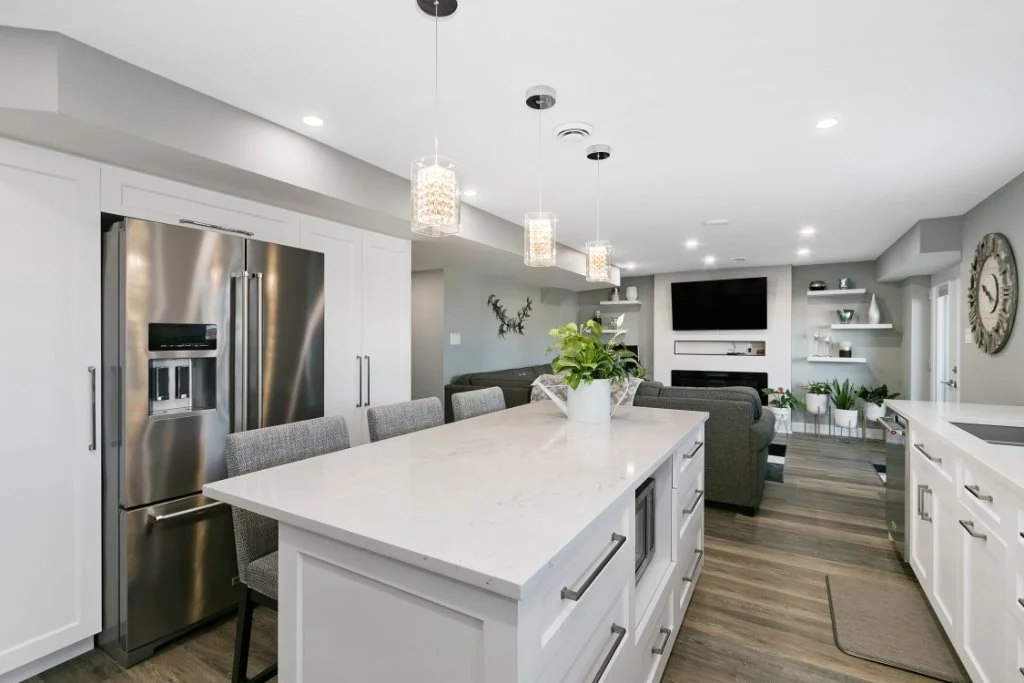
When two or three people are chopping, stirring, and reaching for cupboards at once, a poorly planned kitchen becomes a contact sport. If you want to see how to make shared cooking feel effortless, take a look at my blog, Designing for Multiple Cooks: Tips for Shared Kitchen Spaces.
Larger or Additional Appliances
A second fridge, a larger freezer, or a small secondary kitchenette can be life-changing.
More Counter Space
You need room for meal prep, lunches, meds, coffee routines, and snack-making — often all happening at once.
Better Lighting
Multi-gen kitchens see heavy use. Good lighting makes the space easier and safer for everyone.
The difference between a kitchen that works and one that causes friction often comes down to workflow — renovations solve that.
Feeling overwhelmed with where to even begin?
A quick conversation can clear up months of uncertainty. If you’re starting to plan a multi-gen home — or even just exploring the idea — we’re happy to help you sort through the options and figure out what makes sense for your family.
C. Bathroom Renovations That Reduce Stress
Bathrooms become hotspots for frustration in multi-generational homes. One bathroom shared by several adults simply doesn’t work.
Renovations that make the biggest impact include:
Adding Another Full Bathroom (if space allows)
This is one of the most valuable upgrades you can make. It improves daily life and boosts home value.
If space is tight and you’re wondering where a second bathroom could possibly go, you might be surprised how much potential is hiding in a small powder room. I walk through how to turn one into a full, functional bathroom in my blog, Converting a Powder Room Into a Full Bathroom.
Converting Underused Spaces
Closets, nooks, and small areas can often be converted into powder rooms or compact full baths with clever design.
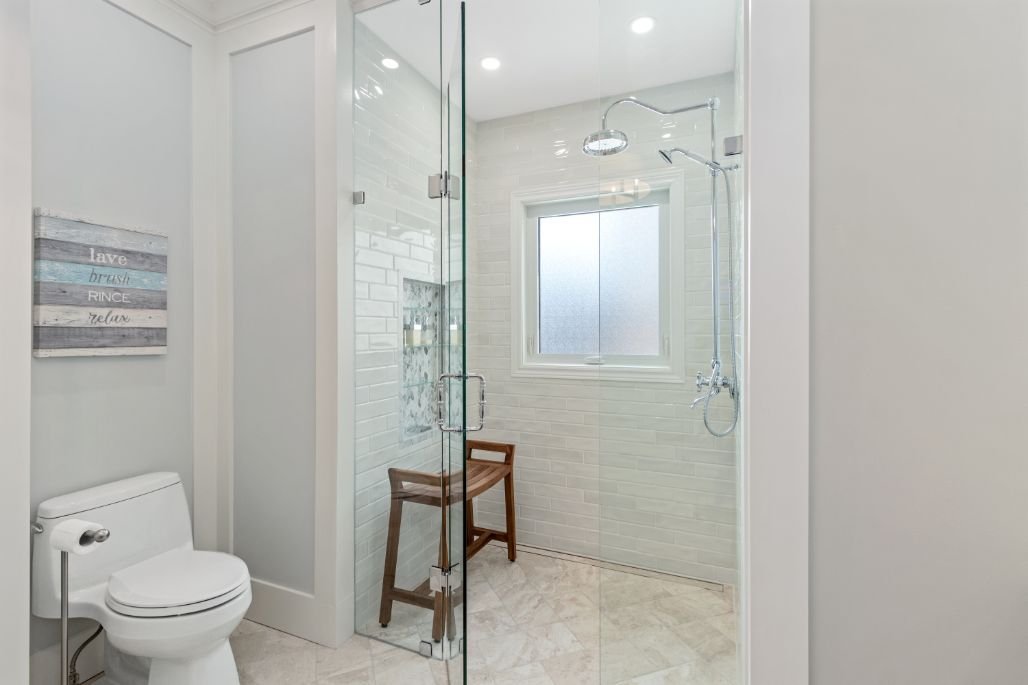
Sometimes the perfect spot for a powder room isn’t obvious until you look at your home through a new lens. If you’re curious about how a simple closet can become a functional bathroom, my blog Converting a Closet Into a Powder Room breaks it all down.
Accessibility Upgrades
Zero-threshold showers, grab bars that look high-end instead of clinical, comfort-height toilets, and wider doorways make a huge difference for aging parents. I explore that in more detail in my blog Designing an Accessible Bathroom: Tips for Aging in Place.
Improved Layouts
A bad bathroom layout can make mornings chaotic. Fixing it often transforms the whole household rhythm.
Better Storage
Multiple adults = more toiletries, more towels, more everything.
Built-in storage helps reduce clutter and frustration.
Bathrooms aren’t just functional — they’re emotional spaces.
They set the tone for the morning and help you unwind at night.
Renovating them properly matters.
D. Bedroom, Living, and Shared Spaces
Bedrooms matter more than people realize. A well-designed bedroom becomes a retreat — essential when multiple generations share the home.
Bedroom Renovation Priorities:
adequate space
proper lighting
safe flooring
easy access to the bathroom
enough outlets for modern life
room for mobility devices if needed
Shared Living Spaces:
Families often underestimate how differently generations use living rooms.
What matters:
seating for everyone
sightlines that suit both older adults and kids
lighting that prevents falls
furniture spacing that allows mobility aids
a layout that supports togetherness without crowding
A home feels calm when every generation has a place they feel comfortable.
E. Safety & Accessibility Upgrades
Even if your parents are currently active and independent, mobility changes can happen quickly — sometimes within months. Renovating with the future in mind prevents families from scrambling later.
Important upgrades include:
Wider Doorways
Accommodates walkers or wheelchairs.
Lever Handles Instead of Knobs
Easier for arthritic hands.
Slip-Resistant Flooring
Safer for everyone, not just seniors.
Better Lighting
Bright, warm lighting reduces falls and increases comfort.
Zero-Threshold Showers
Elegant, modern, safe, and future-proof. Want to learn more about this? Check out Curb or Curbless: Which Type of Walk In Shower is Right for You
Handrails and Grab Bars
Stylish options exist now — no one wants their bathroom to look institutional.
Strategic Layout Changes
Avoid tight corners, awkward turns, and pinch points.
Families often feel relieved when these upgrades are made — even before anyone “needs” them.

The Renovation Realities Families Don’t Always Expect
When families decide to live together, the conversation usually starts with heart and logistics… and then eventually runs face-first into walls, plumbing, electrical panels, and building codes.
This is the part no one loves talking about — but it’s the part that makes the entire arrangement actually work.
Here are the renovation realities that matter most:
A. Adding Square Footage (If Your Home Allows It)
Sometimes the most successful multi-generational setup is the one where you add more space rather than squeeze more bodies into the existing floor plan.
This might mean:
A main-floor primary suite
An addition over the garage
Extending the back of the house
A dedicated “granny flat”-style bedroom + bath
These projects require structural planning, zoning checks, and long-term thinking, but they can create the exact balance families need — proximity with privacy.
B. Basement Suites That Actually Function for Daily Living
Basements are one of the most common solutions for multi-generational living… but they’re also the most misunderstood.
A functional basement suite isn’t just a couch, a bed, and a TV. It needs:
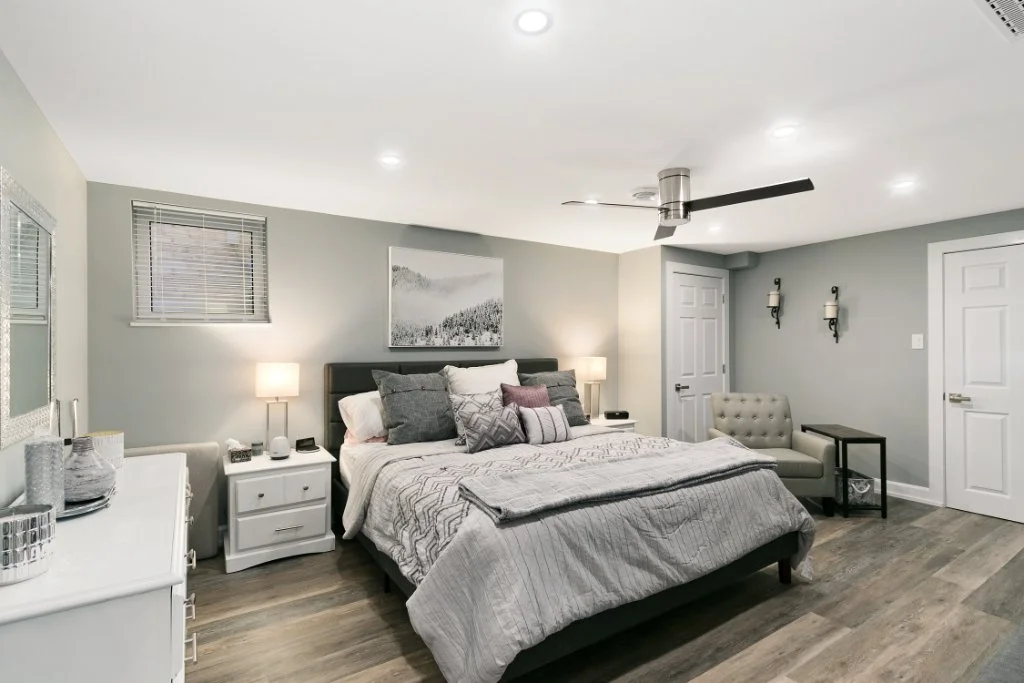
Proper ceiling height
Safe, legal egress
Moisture control
Soundproofing
A layout that allows true independence
And if the plan includes a kitchenette or full bathroom, you’ll need electrical capacity, plumbing capacity, ventilation, and moisture-proof surfaces.
Many families are shocked at how much planning a basement suite requires — but when it’s done well, it can change everyone’s quality of life.
Permits, Drawings & Doing It the Right Way (Because Insurance Companies Don’t Play Around)
Here’s the part many families don’t realize:
The minute you add bedrooms, a kitchen, or anything resembling an independent living space, your basement becomes a legal apartment in the eyes of the city — even if it’s only your family living there.
That means:
You need permits
You need proper architectural drawings
You need inspections
You need the right fire separation
You need safe electrical and plumbing
And you need all of it done before the framing is closed up. It’s not bureaucracy. It’s safety — and it’s protection.
Because here’s the honest truth:
If you ever have a fire or a flood and your insurance company discovers the basement wasn’t built to code or with a permit, they can decline coverage entirely. That means no help replacing anything and no help repairing the damage — even if the disaster had nothing to do with the renovation itself.
Doing it properly from the start doesn’t just keep everyone safe. It protects your home, your finances, and your family.
C. Garage Conversions (Yes, They’re Trending for a Reason)
A garage can often become a beautiful, private living space — especially for an adult child who needs independence or for parents who love the idea of a separate-but-connected suite.
But garages come with their own list of considerations:
Insulation
Heating and cooling
Electrical upgrades
Proper flooring
Adding plumbing (if a bathroom or kitchenette is needed)
A garage conversion is rarely a “quick fix,” but it can be one of the smartest ways to create long-term, flexible living space.
D. Plumbing Capacity, Electrical Load & HVAC (The Boring Stuff That Matters)
If a home built for four people suddenly becomes a home for seven, the systems behind the walls need to support that change.
Some homes need:
A larger electrical panel
Upgraded circuits
Additional plumbing lines
A second hot water tank
HVAC adjustments to handle more bodies and more humidity
These aren’t glamorous upgrades, but they prevent future frustration — especially when everyone wants a hot shower at the same time.
E. Privacy-Saving Sound, Sightlines & Separation
Multi-generational living thrives when everyone feels they have their own space… even if they’re technically sharing a home.
This may include:
Adding doors where archways exist
Creating separate entrances
Improving sound separation
Strategic drywalling or framing
Smart placement of bedrooms and bathrooms
Visual barriers that reduce the sense of overlap
A little separation goes a long way in preserving harmony — and sanity.
Communication + Planning (Your Guide to a Smooth, Drama-Free Multi-Gen Renovation)
Multi-generational living only works when everyone understands what they need, what they expect, and how the home should support them. This isn’t emotional — it’s practical. And honestly, it’s the part that saves the most headaches.
Start With One Conversation (Not Ten Mini Crises Later)
Before you start rearranging furniture or sketching layout ideas on scrap paper, sit down as a family and talk through what daily life actually looks like.
Not in a formal “pass the talking stick” kind of way — just an honest chat.
You’ll quickly discover things like:
who needs quiet for work
who needs bathroom access closest to their room
who gets up at 5 a.m. and who considers 9 a.m. “early”
what routines always collide
where everyone naturally gravitates during the day
This isn’t about feelings.
It’s about logistics.
And it shapes every choice that comes next.
Define Spaces With Purpose
One of the biggest mistakes families make is assuming the “obvious” layout is the right one.
It rarely is.
A multi-gen home benefits from spaces that are intentionally assigned — not left to chance:
Who gets the main floor?
Who gets the basement?
What will be shared and what will be private?
When everyone knows where they fit, the renovation becomes clearer and the household runs smoother.
Think Through the Routines That Usually Collide
You don’t need a spreadsheet — just awareness.
Most conflicts in multi-gen homes happen around:
kitchen use
morning bathroom bottlenecks
noise levels
laundry demand
late-night or early-morning habits
A renovation can’t change people, but it can absolutely prevent everyone from tripping over each other — literally and figuratively.
Set Realistic Expectations (This Is Where Peace Comes From)
A renovation affects everyone in the house. Being upfront about timelines, noise, budget, and disruptions keeps the process grounded and prevents unnecessary stress.
You’re building a home that works for multiple adults, multiple schedules, and multiple personalities — clarity is your best friend here.
Book a Professional Walkthrough So You Know What’s Actually Possible
A contractor will spot things families miss:
electrical load issues
plumbing limitations
poor ventilation
stair safety
fire separation needs
whether a bathroom or kitchenette can realistically be added
It’s not about shutting ideas down — it’s about making sure the ideas are safe, legal, and doable.
Get the Budget on Paper Early
A multi-gen renovation typically has a few more moving parts than a standard project, so it’s crucial to identify:
what’s essential
what’s flexible
what makes the biggest impact
This gives the renovation direction and keeps everyone on the same page. It also prevents surprise expenses or last-minute changes that strain relationships.
Create a Timeline Everyone Understands
A clear timeline stops the “What’s happening today?” and “When will the water be back on?” conversations before they even start.
When everyone knows when trades are coming, when bathrooms are being worked on, and how long each phase takes, the household can plan easily around it.
Why Hiring the Right Contractor Matters Even More in Multi-Gen Renovations
Multi-generational renovations come with a level of complexity that most homeowners don’t realize until they’re halfway into the project… and Googling things they never wanted to know about plumbing vents and fire separation.
This isn’t a standard bathroom refresh or a simple swap-the-cabinets kitchen update. These projects involve multiple adults, multiple routines, multiple safety considerations, and the need to make one home work beautifully for very different people at the same time.

That’s why the contractor you choose matters so much.
More People = More Moving Parts
Every generation has different needs, different comfort levels, different daily habits — and a good contractor accounts for all of that while designing the space. When someone doesn’t understand the dynamics of multi-gen living, they unintentionally create layouts that cause frustration, privacy issues, and daily friction. The home might look nice, but it won’t function for the people living in it.
Safety Isn’t a “We’ll Figure It Out Later” Thing
Multi-gen homes often require expanded electrical capacity, updated plumbing, improved ventilation, fire separation, and safe access throughout the home. These are not areas where guesswork is acceptable.
You need licensed trades who know the Ontario Building Code inside and out — not someone who shrugs and says, “We’ve always done it this way.”
Accessibility Requires Expertise, Not Assumptions
If older adults are part of the picture — or will be in the future — accessibility becomes essential. Barrier-free showers, proper grab-bar backing, clear turning radius, correct lighting, slip-resistant flooring… these are details that need to be built properly the first time. When they are, they create safety, independence, and dignity. When they’re done incorrectly, the risks escalate quickly.
Communication Makes or Breaks the Experience
With multiple adults relying on the same home, there is no room for surprise disruptions or vague timelines. You need a contractor who communicates clearly, explains what’s happening and when, and prepares the household for every phase of the renovation. This isn’t the kind of project where someone can disappear for a week and then reappear with no explanation.
And Yes… DIY Can Go Off the Rails Quickly
It’s not that homeowners aren’t capable — it’s that multi-gen projects involve too many layers of safety and code to improvise. A mistake in a regular renovation might be inconvenient; a mistake in a multi-gen setup can impact electrical load, fire safety, accessibility, or structural integrity. Those aren’t stakes you want to gamble with when your parents or your kids are living in the space.
This Isn’t About Choosing “Us” — It’s About Choosing Wisely
A multi-generational renovation shapes how your family lives together for years to come. It affects comfort, safety, privacy, and peace of mind. Whether you hire Multi-Trade or another reputable contractor, choose someone who respects the complexity of these projects, communicates openly, understands accessibility, follows code, and approaches the work with care.
A well-designed multi-gen home doesn’t just look beautiful — it feels calm, supportive, and intentionally built for every person who lives in it.
And the right contractor makes that possible.
Conclusion: A Home That Supports Every Generation
Multi-generational living isn’t just a trend — it’s a reflection of how families are choosing to support one another. It brings connection, convenience, shared responsibility, and often a lot more laughter than anyone expected… but it also requires a home that’s intentionally designed for the realities of daily life.
When you plan well, communicate openly, and renovate with purpose, a multi-gen home becomes more than a living arrangement. It becomes a home that nurtures every generation.
A home where older parents feel safe and respected.
Where adult children feel independent but supported.
Where everyone has privacy and connection.
Where the house functions smoothly instead of creating friction.
And where the spaces grow with your family instead of holding you back.
If your home isn’t quite doing that yet — or if you’re planning for the future and want to get ahead of the stress — we’re here to help you every step of the way.
Ready to explore what multi-generational living could look like in your home?
Let’s talk through your ideas, your family’s needs, and your long-term goals.
We’ll help you design a home that works beautifully for everyone who shares it.
Because when your home supports your family, everything gets easier.

If you’re planning a multi-generational home, these renovation articles can help you dig even deeper into the planning process. They’re full of practical guidance, smart strategies, and insights that make your next steps a whole lot clearer.
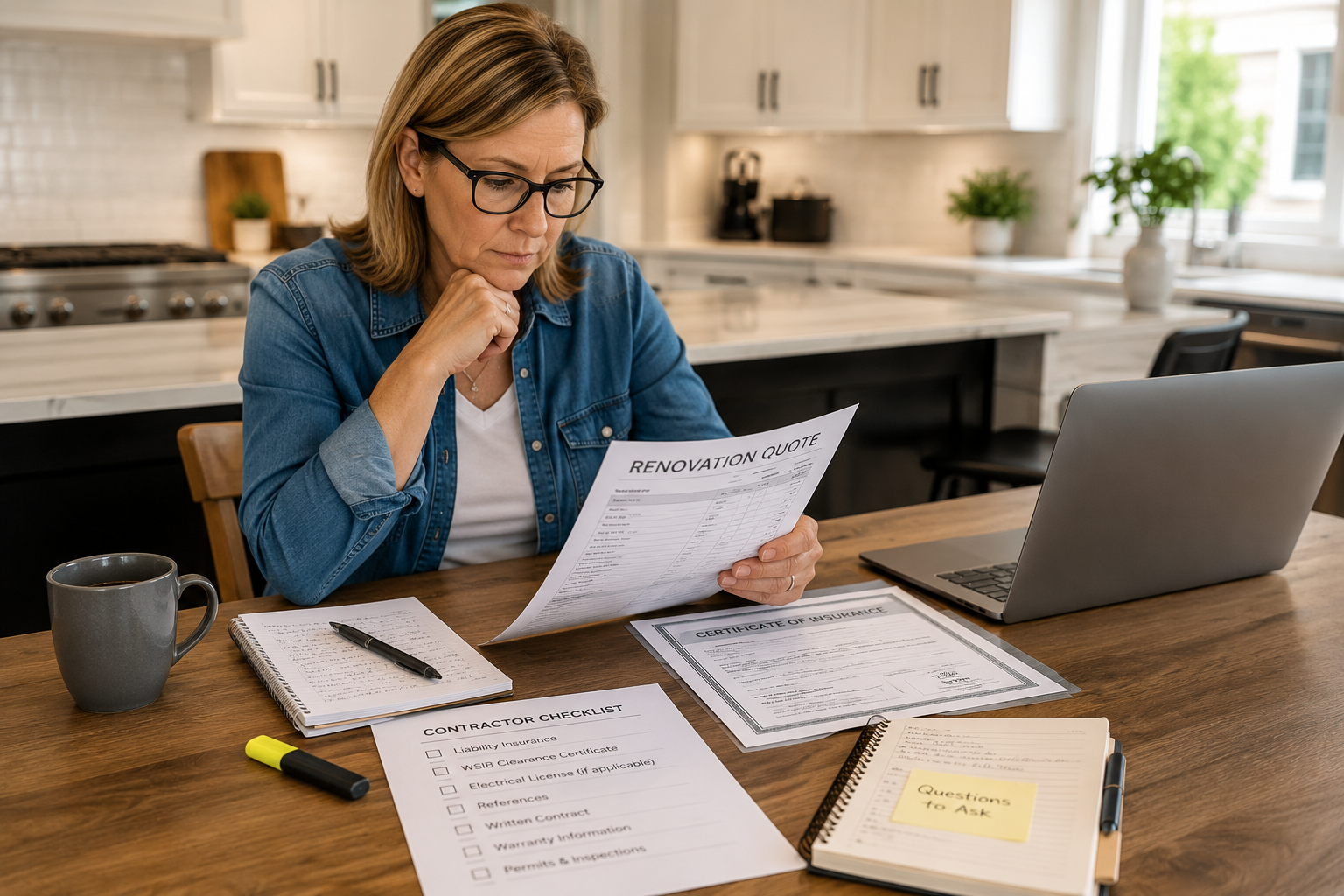



Thinking about taking down a wall? It could open your kitchen, combine two small rooms, enlarge a bathroom or completely transform a basement — but removing a wall also comes with trade-offs. Before demolition begins, here's how to decide whether losing that wall will actually make your home work better.