

Designing for Multiple Cooks: Tips for Shared Kitchen Spaces
/
When Your Kitchen Becomes a Dance Floor (And Not Always the Graceful Kind)
If you’ve ever tried cooking with someone else in your kitchen — a partner, a teenager, a best friend, or that well-meaning family member who insists on “helping” — you already know this truth:
A kitchen designed for one person becomes a battlefield when two people try to chop vegetables at the same time.
Suddenly, your peaceful meal prep turns into an episode of Kitchen Wars. Fun, right?
But it doesn’t have to be chaos. A shared kitchen can be pure magic — if it’s designed intentionally for multiple cooks.
We’re about to dive into the design principles, layout strategies, and unexpected small details that transform a “one-cook kitchen” into a dream space where multiple people can chop, sauté, bake, stir, season, sip wine, and enjoy the process — without stepping on each other’s toes.
It doesn’t matter whether your kitchen is big, small, galley, open concept, or shaped like a very confused letter of the alphabet. You can make it work.
Welcome to the guide that will save your sanity, your marriage, your dinner parties — and maybe even your cutting boards.
Why Cooking Together Feels Crowded (Even in a Big Kitchen)
Here’s a universal truth about kitchens:
It doesn’t matter if you live in a condo or a castle — the moment more than one person walks in, every human gravitates to the exact same two square feet of space.
Always.
You can have twenty feet of quartz countertop, and somehow everyone ends up shoulder-to-shoulder in the same corner, performing an unchoreographed dance that involves a lot of sidestepping, apologizing, and “Oh sorry — are you reaching for this?”
And that’s because most kitchens — even beautifully renovated, Pinterest-perfect ones — are secretly built for one cook. One prep spot. One sink. One garbage zone. One place where all the useful stuff happens.
Add a second cook, and it becomes a mildly chaotic cooking show. Add a third, and now it’s full-blown slapstick comedy. None of this means your kitchen is too small. It means your kitchen’s flow wasn’t designed for a tag-team effort.
When the layout funnels everyone into the same zone, cooking becomes:
Slower
More frustrating
Weirdly emotional
And sometimes… just a bit too intimate (looking at you, “oops, didn’t see you there” mid-back bump)
But here’s the encouraging part:
A shared kitchen doesn’t need to be bigger — it just needs to be smarter.
With the right layout, a kitchen becomes:
A two-person workstation
A no-collision zone
A space where everyone can move, chop, season, sauté, and wipe up spills without reenacting a rugby match
This is the moment everything shifts. Because once your kitchen is designed for multiple people instead of surviving them, cooking together becomes fun again — even joyful.
And yes… even efficient.
Creating Defined Zones: The Secret to a Stress-Free Shared Kitchen
If there’s one thing that separates a kitchen built for one cook from a kitchen built for two or three, it’s this:
Defined zones.
Not the “I think this is where the toaster lives” kind of zone. I mean intentional, purposeful, beautifully thought-out zones that support multiple people doing completely different tasks without crashing into each other like grocery carts in a tight aisle.
Because here’s the truth:
Two cooks in an undefined kitchen are basically playing culinary bumper cars. Everyone’s trying to do their own thing, but the layout forces them into the same traffic lane. But once you divide the kitchen into functional mini-stations — suddenly the chaos disappears.
1. The Prep Zone: The Heart of the Kitchen (and the First Place Everyone Fights For)
Most kitchens only have one legitimate prep zone. Even if you have a long countertop, only part of it is actually usable because the rest is full of:
Small appliances
Mail
A bowl of fruit slowly becoming a science experiment
And that one random item no one ever puts away (every kitchen has one)
So what happens? Every cook claims the same spot, like it’s the last piece of real estate available.
A multiple-cook kitchen needs two prep zones — minimum.
This means:
Two separate stretches of clear counter
Each with easy access to a knife block or drawer
Each near a garbage bin or compost
Each close to the fridge or sink but not dead-centre in front of either one (trust me)
If you’ve ever tried chopping celery while someone else is washing dishes two inches away, you know exactly why.
2. The Sink Zone: Because This Is a Traffic Jam Waiting to Happen
If the prep zone is the heart of the kitchen, the sink is the airport security lineup.
Everyone goes there eventually:
The vegetable washer
The pasta drainer
The “just need a quick rinse” person
The person who swears they’ll keep the sink empty but absolutely will not
If you have space, consider:
A secondary prep sink
A bar sink on the island
Or at the very least, design your primary sink so people can approach it from more than one angle
A second sink is one of the best upgrades you can make if you regularly cook with someone else. It instantly removes 90 percent of “Sorry — can I just get in there for a second?” moments.
3. The Cooking Zone: A No-Standing, No-Loitering Area
Here’s a rule no one follows but everyone should:
No one should stand behind the cook.
Ever.
That’s how accidents happen. Hot pans + unexpected humans = no thank you. Define your cooking zone so it’s obvious where cooking happens and where it doesn’t.
This looks like:
Enough counter space on both sides of the stove
Storage for pots, pans, spices, oils, and utensils right beside the cook
Zero need to cross behind the stove user to get anything important
4. The Cleanup Zone: The Spot No One Volunteers For But Everyone Needs
If two people are supposed to clean up, they need space for it. A smart cleanup zone includes:
The dishwasher (with enough room to open the door without blocking a walkway)
Lower cabinets for storing dinnerware
A nearby drawer for cutlery
And honestly? A garbage bin that doesn’t require anyone to sidestep like they’re entering a tiny cave
If your dishwasher positions you in the only walking path in the entire kitchen, that’s your kitchen’s way of telling you it was not designed for group activities.
5. The Island: The Switzerland of the Kitchen
A kitchen island is neutral territory — no fighting, no overlapping responsibilities, no need for elbow armour.
It can become:
A dedicated secondary prep station
A baking station
A plating station
A kids’ snack/dish-free zone
Or the place where the “not-actually-cooking-but-pretending-to-help” person hangs out
What makes an island great for multiple cooks?
Outlets for small appliances
A designated space for mixing or food prep
Storage underneath so people don’t need to wander around the whole kitchen
A clear divide between work side and social side
Essentially, one half is where flour and spatulas live, and the other half is where wine glasses and conversation happen.
When your kitchen has defined zones, it becomes instantly more peaceful.
Not bigger.
Not fancier.
Just smarter.
Because cooking with someone you love shouldn’t feel like navigating a roundabout with no signage. It should feel easy, intuitive, and — dare I say — enjoyable.
Storage Strategies That Prevent Collisions (and Keep Everyone Sane)
Here’s a fun fact:
In 35 years of renovation experience, I have never — not once — met a homeowner who said:
“We have too much storage. I don’t know what to do with all this space.”
No one.
Storage is one of the biggest reasons shared kitchens feel chaotic. Not because there isn’t enough — but because the storage isn’t in the right places.
A shared kitchen doesn’t just need storage. It needs strategically placed storage that prevents people from tripping over each other while hunting for a spatula.
Let’s break down the secrets that make a dual-cook kitchen work like a dream.
1. Duplicate the Essentials (Yes… even the cutting boards)
If two people cook at once, why do we expect one set of tools to magically keep up? In a shared kitchen, duplicates are your best friend:
Two cutting boards
Two sets of knives
Two vegetable peelers
Two mixing bowls in the sizes you use most
A backup set of measuring cups
If both cooks reach for the same colander? Chaos. Absolute chaos. This doesn’t mean hoarding. It means having what you need in more than one place. Just like having multiple remotes for the TV… except these don’t disappear into the sofa.
2. Store Items Where Each Cook Works — Not Wherever They Fit
This is one of the biggest game changers in multi-cook design. Each zone needs its own mini-storage for the tasks happening there.
Think:
Prep zone = knives, cutting boards, bowls, colanders, peelers
Cooking zone = spices, oils, utensils, pot holders, pans
Baking zone = baking sheets, mixer attachments, flour, sugars
Island prep zone = knife drawer or block + mixing bowls + small appliances
What doesn't work? Storing every tool in one central place. When everything lives near where it’s used, people naturally spread out.
3. The Spice Situation: The Most Hotly Contested Real Estate in the Kitchen
If you’ve ever cooked with someone who believes paprika should live beside the stove while you insist it belongs in the pantry…Welcome to the Battle of the Spice Rack.
Solution? Two spice zones.
Or at the very least:
One main spice drawer for the resident cook
One mini spice collection for the secondary prep area
Because nothing causes more tension than someone reaching over a sauté pan to grab cumin and then saying, “Oh relax, I’m not that close.”
4. Create “Grab-and-Go” Zones for High-Traffic Items
Certain things get used constantly:
Salt and pepper
Oils
Garlic
Cutting boards
Towels
Frequently used utensils
Spread them out. Replicate them. Make them accessible from multiple angles. If the tools flow, the kitchen flows.
5. Use Vertical Storage to Clear Counter Space for Multiple Prep Stations
Multiple cooks need counter space more than anything else — and clutter kills collaboration.
Smart vertical storage makes magic happen:
Wall rails with hooks
Floating shelves
Magnetic knife strips
Under-cabinet spice racks
Tall pantry pullouts
Narrow vertical pullouts beside the stove for oils and spices
When counters are clear, multiple prep zones magically appear.
If you’re dreaming of a kitchen that finally supports the way your family cooks and connects, we’d love to chat. Every great renovation starts with a conversation — and we’re here whenever you’re ready.
6. Make the Garbage and Compost Accessible From More Than One Direction
This is such an overlooked detail in kitchen design, but it is massive for shared cooking.
If the garbage bin is:
In a corner
Behind someone
Under the sink
Or only reachable from one direction
…then the entire kitchen stops every time someone needs to toss a carrot peel.
Put it:
In a pullout
In an island
In a central area accessible without crossing someone’s workspace
You’d be amazed how much this changes the rhythm of cooking. Storage doesn’t just determine where things go. Storage determines how people move. And a shared kitchen succeeds or struggles based entirely on how much friction exists between those movements.
Layout Matters: What Works (and What Absolutely Doesn’t) for Multiple Cooks
You can have the prettiest kitchen in Durham Region — quartz countertops gleaming, backsplash sparkling, cabinets custom-fit to perfection — and still end up bumping into your partner every five minutes if the layout isn’t designed for more than one human.
Because here’s the thing: A kitchen’s layout determines whether cooking together feels like a joyful experience or a competitive sport.
Some layouts practically invite multiple cooks. Others make it nearly impossible unless you take turns like kids on a playground slide.
So let’s break down what works beautifully and what… well… absolutely does not.
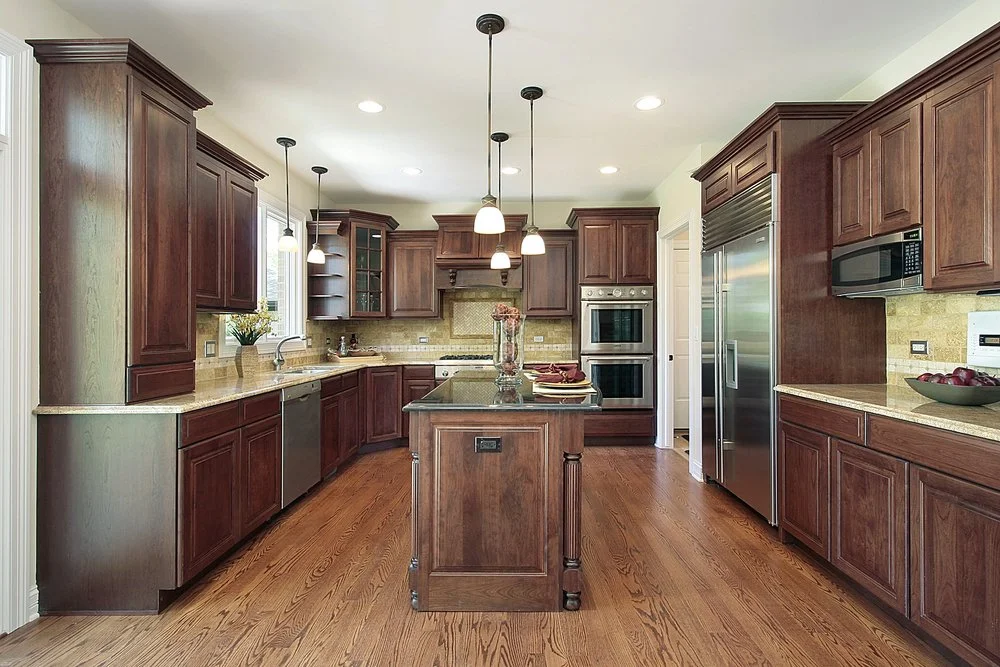
1. The U-Shaped Kitchen: Great for One Cook, Chaos for Two
U-shaped kitchens are wonderful if:
You cook alone
You love wraparound storage
You enjoy feeling like the captain of a culinary command centre
But for two or three cooks? The U-shape becomes a trap. Why?
Only one person can comfortably stand inside the “U”
Anyone else ends up blocking the exit
Traffic gets bottlenecked faster than the 401 at rush hour
The person at the stove becomes a hostage until someone moves out of the way
There are ways to make a U-shaped kitchen multi-cook friendly, but they require incredibly deliberate zoning — and sometimes adding an island outside the U to pull one cook out of the primary zone.
2. The L-Shaped Kitchen: Surprisingly Great for Two Cooks
Now this layout is a hidden gem for shared cooking. Why?
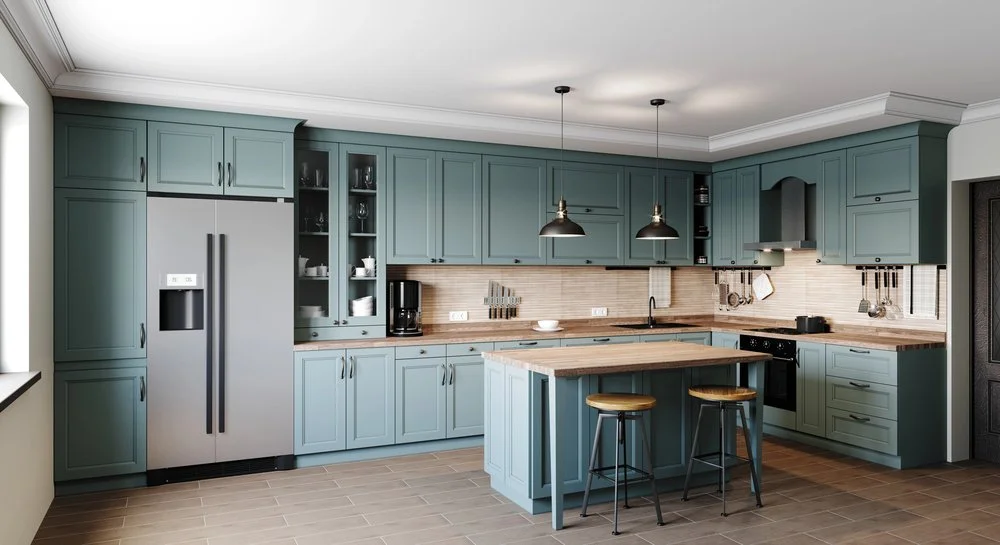
It naturally creates two distinct work areas
One person can work along the long wall
The other can claim the short wall
Neither has to cross the other’s path unless someone is on a spice-finding mission
Add an island with a prep sink, and suddenly you’ve got:
Prep zone #1
Prep zone #2
Cooking zone
Cleanup zone
All without anyone doing the “sorry — excuse me — no, you go first” shuffle.
3. The Galley Kitchen: The Tightrope Walk of Layouts
Galley kitchens are polarizing. Some people thrive in them. Others barely tolerate them.
With multiple cooks? A galley kitchen can go either way.
Galley kitchens work when:
It’s wide enough for two people to pass comfortably
One cook stays on one side
The other stays on the opposite side
Zones are extremely well-established
They don’t work when:
The fridge and stove are directly across from each other
The walkway is narrow
The sink is in the middle of the traffic lane
The garbage is in a corner where no one can reach without climbing over someone
In a multi-cook galley, avoiding collisions becomes an Olympic sport.
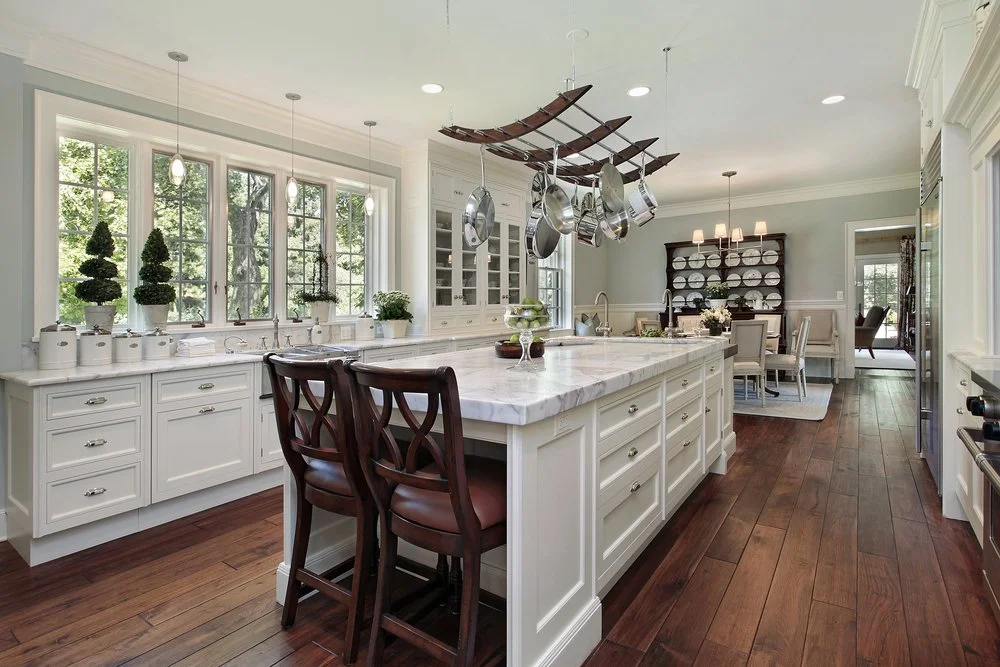
4. The Island-Centric Layout: The Gold Standard for Multiple Cooks
If you love cooking with someone else — or several someone elses — an island is your best friend. Islands create:
A natural second prep zone
A perfect space for baking
A landing zone for groceries
A hangout spot for the “supervisor” (aka the person not doing any actual cooking)
A built-in buffer between task zones
Add:
A prep sink
Electrical outlets
Under-island storage
Seating on the opposite side
…and now you’ve got a fully functional second kitchen inside your kitchen.
The island becomes Switzerland — a neutral territory where everyone can work peacefully.
5. Open-Concept Kitchens: Fantastic… with One Caveat
Open-concept kitchens can be amazing for multiple cooks:
Tons of room to move
No walls to bottleneck traffic
Easy communication
The island becomes a central hub
But open layouts fail when:
There’s only one usable stretch of counter
Storage isn’t zoned
The fridge, stove, sink, and prep space form a straight-line traffic jam
Open doesn’t always mean functional. Design determines everything.
6. The Triangle Myth: Why the “Classic Kitchen Triangle” Isn’t Enough Anymore
Ah, the famous kitchen triangle — refrigerator, sink, stove. Is it useful? Sure. But for multiple cooks? It’s outdated.
The triangle assumes:
One cook
One path
One workflow
Modern cooking is messy, creative, shared, and dynamic. It needs more than a triangle. It needs multiple micro-triangles — one for each cook.
That looks like:
Prep cook triangle: fridge → prep counter → compost
Stove cook triangle: stove → pot drawer → spice/oil cabinet
Baker triangle: pantry → island → ovens
When each person has their own little ecosystem, the kitchen becomes effortless.

Smart Appliances & Features That Make Shared Cooking Easier
Most homeowners assume a “multi-cook kitchen” means upgrading to a massive stove or adding more burners. But here’s the real secret: it’s not the size of the appliances — it’s how they support the flow of two or more cooks moving around the space at once.
You could install the fanciest professional range on the market, but if everyone is still lined up behind the same sink, your kitchen will feel like culinary gridlock. The magic happens when your appliances and features work with your layout, easing traffic and keeping everyone moving smoothly — not bumping into each other like a sitcom kitchen scene.
Double Ovens: The Multi-Cook Power Move
One of the biggest game changers is a set of double ovens. They let one person bake while another roasts, or allow dinner and dessert to happen at the same time without the “Whose temperature is more important?” negotiation.
Wall ovens also remove the whole “crouch behind someone holding a hot pan” situation. If you’ve ever tried to check cookies while someone else is pulling out a bubbling casserole, you know just how tense that moment can be.
Induction Cooktops: Safety in Motion
Induction cooktops are another quiet superstar. The surface stays cooler, heats faster, and prevents spills from turning into fossilized countertop art. When multiple people are cooking, this small safety upgrade completely changes the energy around the stove area.
And if you really want to get fancy, try cooking on air with invisible induction cooktops right inside your countertop. Check out our blog on the subject: Cooking on Air—The Magic of Invisible Induction Cooktops
A Second Sink: The Ultimate Conflict Resolver
Now, let’s talk sinks — the single most important appliance in any multi-cook kitchen. Adding a secondary sink or even a compact bar sink transforms the rhythm of the space.
Suddenly:
One person can wash produce
Another can fill pots
Someone else can drain pasta
No hovering. No apologizing. No “Just let me sneak in for two seconds…”
Even a small prep sink on the island can remove 90% of kitchen traffic jams.
Beverage Fridges & Fridge Drawers: Redirect the Chaos
If kids, guests, or partners wander into your kitchen during cooking time, chances are they’re heading straight for the fridge. A beverage fridge (or fridge drawer) redirects all that traffic away from your main work zone.
It is magical how much calmer the kitchen feels when the “snack-seekers” aren’t shoulder-checking the cook every five minutes.
Secondary Dishwashers or Dish Drawers
These aren’t essential, but wow are they helpful. Two or three cooks create a surprising amount of dishes — fast. A second dishwasher or dish drawer allows:
Prep dishes to be loaded immediately
Dinner dishes to be kept separate
A clean-as-you-go flow that keeps counters clear
Even small kitchens often have space for a dish drawer.
Warming Drawers: The Timing Equalizer
When cooks finish tasks at different times, a warming drawer keeps peace in the household. No more rushing to synchronize dishes. No more cold potatoes waiting for late chicken.
Lighting: A Small Upgrade with Huge Impact
Lighting is wildly underrated. Two prep zones need bright, shadow-free task lighting so both cooks can see what they’re doing without leaning sideways or squinting.
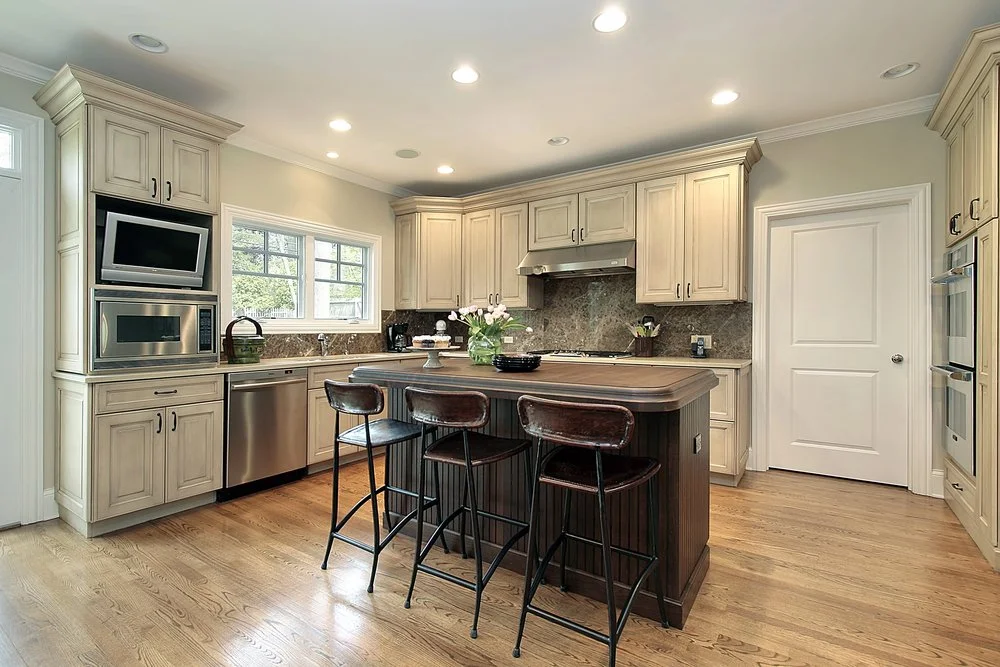
Under-cabinet LEDs add clarity, safety, and surprisingly — a sense of calm.
Touchless Faucets: Clean Hands, Calm Kitchen
If you’ve ever tried to turn on a tap with chicken-covered fingers, you know why this matters. In a kitchen with multiple cooks (and therefore multiple mess-generators), touchless faucets keep everyone moving without spreading flour, grease, or half a lemon across the faucet handle.
You don’t need all of these features — even one or two can dramatically improve how your kitchen supports multiple cooks. They're not about showing off. They’re about creating a space that truly works for the way you live, move, and cook together.
Walkways, Traffic Flow & Safety Considerations
If you’ve ever cooked with someone else and felt like you were performing an impromptu kitchen tango — step left, shuffle right, pivot, duck — then you know how much traffic flow impacts a shared kitchen. Kitchens aren’t just about where things are. They’re about how people move between them.
When walkways are too tight or traffic paths cross in all the wrong places, even the most stunning kitchen becomes a high-stress obstacle course.
Why Walkway Width Matters More Than You Think
Two people should be able to pass each other comfortably, without turning sideways like they’re squeezing down an airplane aisle. A few extra inches of walkway space can be the difference between peaceful cooking and the dreaded, “Can you just move for a sec?” repeated 27 times.
Standard walkways are 36 inches wide, and that’s perfectly fine for a single cook. But for two (or more) people moving around at the same time, it quickly starts to feel tight. If space allows, aim for 42 inches — and 48 inches is even better. Those extra few inches make the kitchen feel more open, comfortable, and genuinely workable for multiple cooks.
The Fridge: The Most Interrupted Appliance in the House
The fridge is used by:
Cooks
Kids
Teens
Guests
Snack-hunters
That one person who always needs something right when you’re stirring a pot
If it's placed behind the stove or in the main cooking lane, you’ll experience constant bottlenecks. A better design keeps the fridge slightly outside the busiest zone so people can grab what they need without interrupting meal prep — or walking directly into someone carrying a hot pan.
Pinch Points: The Silent Saboteurs of Kitchen Flow
These are the tight, awkward areas where someone always gets stuck:
Dishwashers that open into the only walkway
Corner cabinets that require gymnastics to access
Oven doors that block traffic when open
These create tension, collisions, and the universal tight smile that translates to: “This kitchen is testing our relationship.”
Safety Zones Keep Everyone (and Dinner) Intact
In a smart multi-cook kitchen:
The sink should be reachable from more than one direction
The stove area should be a “no crossing” zone
The dishwasher should never block the primary path when open
When major tasks are spread out — instead of stacked on top of each other — people stop bumping into each other, tasks finish faster, and the kitchen becomes a space where everyone can move without fear of elbows, spills, or hot-pan surprises.
When Traffic Flow Works, Everything Works
It might not sound glamorous, but traffic flow is the quiet hero of a successful shared kitchen. When movement patterns are intuitive and spacious, cooking becomes calmer, safer, and almost choreographed — in a good way.
Designing for Families, Kids, Teens & Guests in the Kitchen
A kitchen designed for multiple cooks isn’t just about the grown-ups slicing and sautéing together. In real life, you’re sharing this space with a full cast of characters: snack-seeking kids, teens who treat the kitchen like a late-night test kitchen, partners looking for condiments, and guests who wander in because of course the kitchen is where the action is.
If your layout isn’t built for this kind of beautiful chaos, it can get crowded — fast.
One of the smartest additions in a multi-person household is a dedicated snack-and-drink zone. This can be a small section of the pantry, a lower cabinet kids can reach, or a beverage fridge with glasses stored nearby. The magic is that everyone goes there instead of drifting into the main prep zone like free-range traffic cones.
Because truly, nothing derails a cooking flow like a child walking under your arm while you’re draining pasta.
A snack zone also solves:
Kids interrupting dinner prep for the fifth time
Guests clustering around the fridge
Teens opening the main fridge 27 times while “looking for something”
Another clever design move is giving kids and guests a place to be without being in the way. Island seating is perfect for this. They can do homework, snack, chat, or simply observe without standing anywhere dangerous — like behind the person sautéing onions.
Teens who love to cook need a kitchen that doesn’t require acrobatics. Make sure the tools they use most are easy to reach and that their prep area is separated from the stove. When teens have room to experiment, they learn independence… and parents don’t hover like nervous sous-chefs.
Guests are their own delightful category. Some want to help. Some think they’re helping. Some truly should not help at all. A multi-cook kitchen gives each of them a defined place.
That might look like:
A clear corner of the island for “helper tasks”
A prep sink where someone can rinse lettuce without causing gridlock
A seating area where wine-drinkers can socialize safely
This way they feel included without becoming part of the obstacle course.
Families also benefit enormously from intentional storage placement. Kid items stored lower allow little ones to grab bowls, cups, or snacks without asking for help. Meanwhile, adult-only items — knives, heavy pans, baking tools — stay safely above little hands’ reach.
A kitchen designed to support families isn’t just functional. It’s connected. It gives kids independence, lets teens participate safely, gives guests a place to join the fun, and keeps the essential cooking lanes free of distractions.
Final Thoughts: A Kitchen That Brings People Together
At the heart of every renovation, there’s a simple truth: people don’t just want a prettier kitchen — they want a kitchen that feels good to live in. A space that supports their routines, their relationships, their family rhythms, and all the glorious chaos that comes with real life.
Designing a kitchen for multiple cooks isn’t just about layout and storage and appliance placement, even though those pieces matter tremendously. It’s about creating a space where cooking together feels effortless instead of stressful. Where movement flows naturally. Where no one is bumping elbows, trapping someone at the sink, or risking a minor emotional meltdown while draining pasta.
A well-designed multi-cook kitchen gives every person a place to work, a place to be, and a place to connect. It lets couples prep dinner side by side without doing that awkward “Oh — you go first” shuffle. It gives kids the independence to grab snacks, teens the confidence to cook safely, and guests a comfortable spot to join in without taking over. It’s a space where laughter happens, where stories are shared, where new recipes get tested, and where family life unfolds — sometimes gracefully, sometimes wildly, but always together.
Because the truth is, the kitchen is never just a kitchen.
It’s where people gather without thinking.
It’s where holidays begin and weeknights wind down.
It’s where memories settle in like they’ve always belonged.
And when the design supports multiple cooks — when it supports your life — everything becomes just a little easier. A little calmer. A little more joyful.
That’s the power of good design: it lets your home rise up to meet you. And when your kitchen works beautifully for the way you actually live, cook, and connect, it stops being a room you use and becomes a space you love.
Ready to create a kitchen that truly works for your household? Reach out today. Let Multi-Trade Building Services design a space where cooking together finally feels effortless.

If you’re planning a kitchen renovation or simply dreaming about what’s possible, here are a few more resources that dive deeper into smart layouts, beautiful design choices, and creating a kitchen that truly works for the way you live.
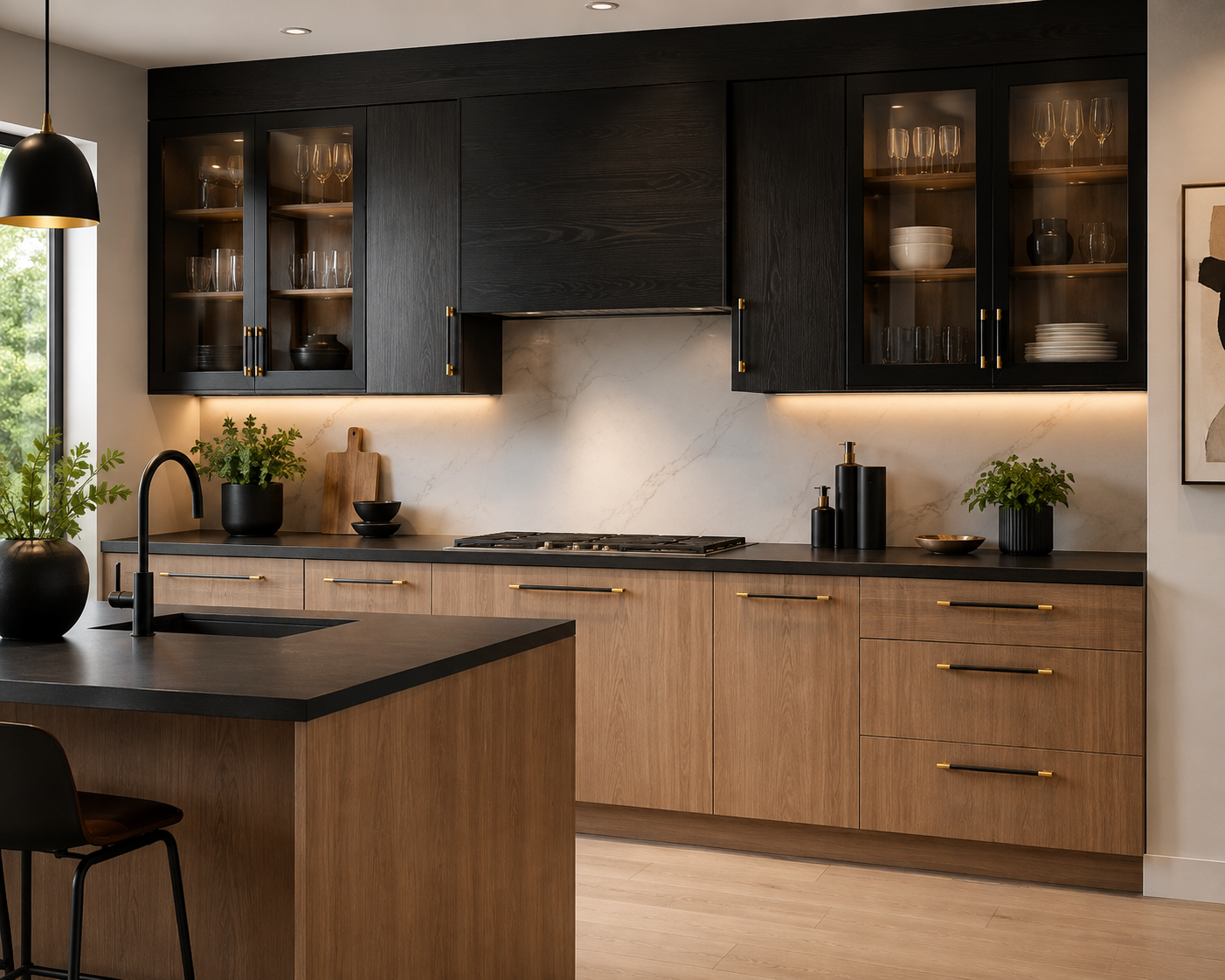
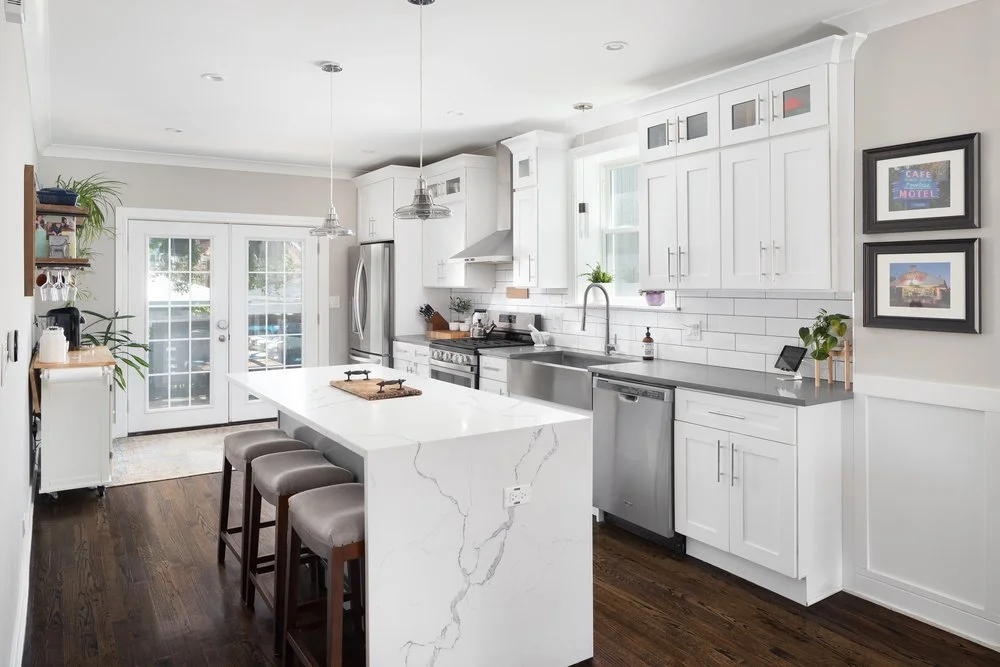
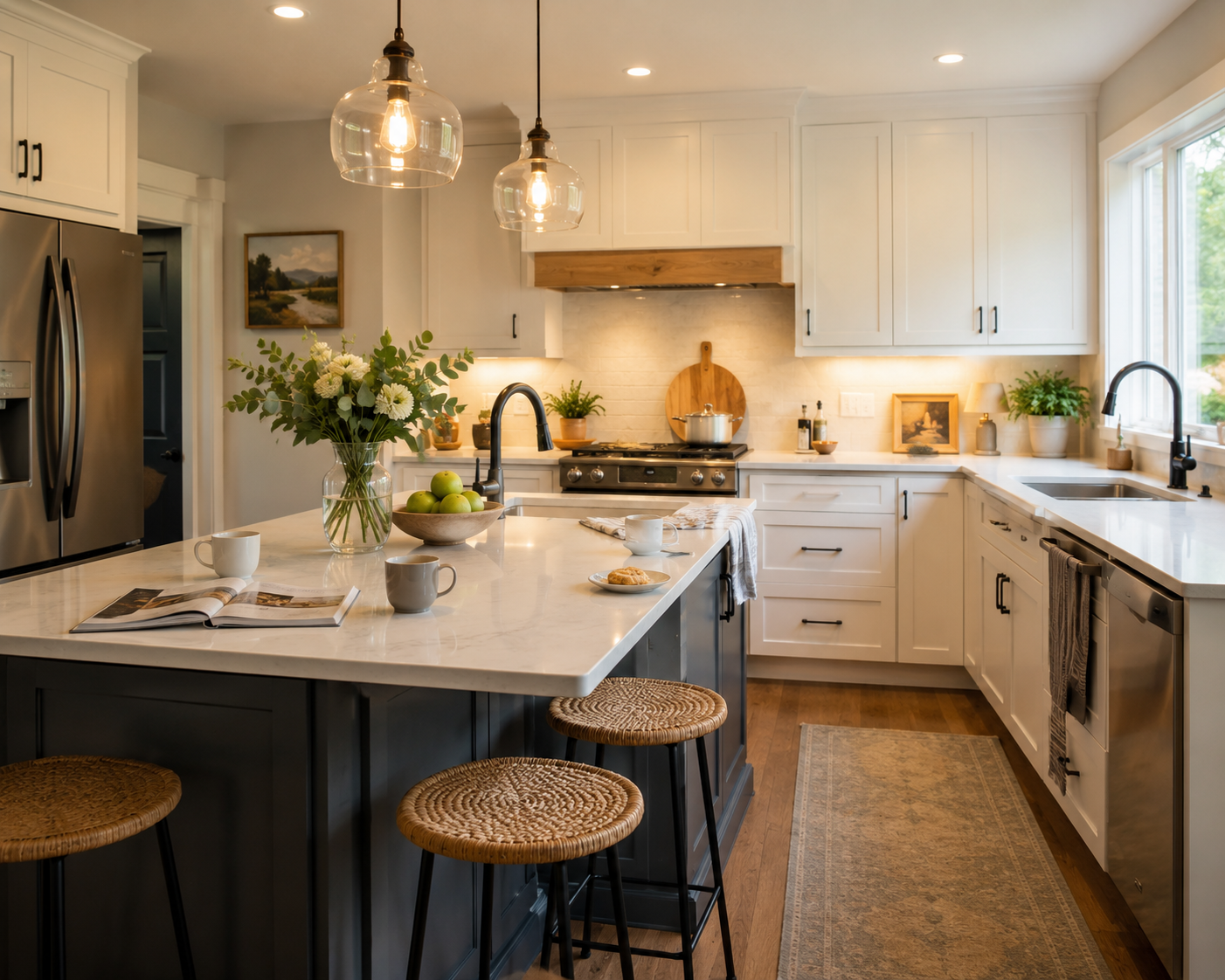


A kitchen island can be one of the best additions to your kitchen—but only when it’s designed around the way you actually live. From making it too big to overlooking seating, storage and walkways, small planning mistakes can make a big difference. Before you finalize your kitchen renovation, discover 10 common kitchen island mistakes and how to avoid them.