

How to Prioritize Renovation Projects When Everything Needs Updating
/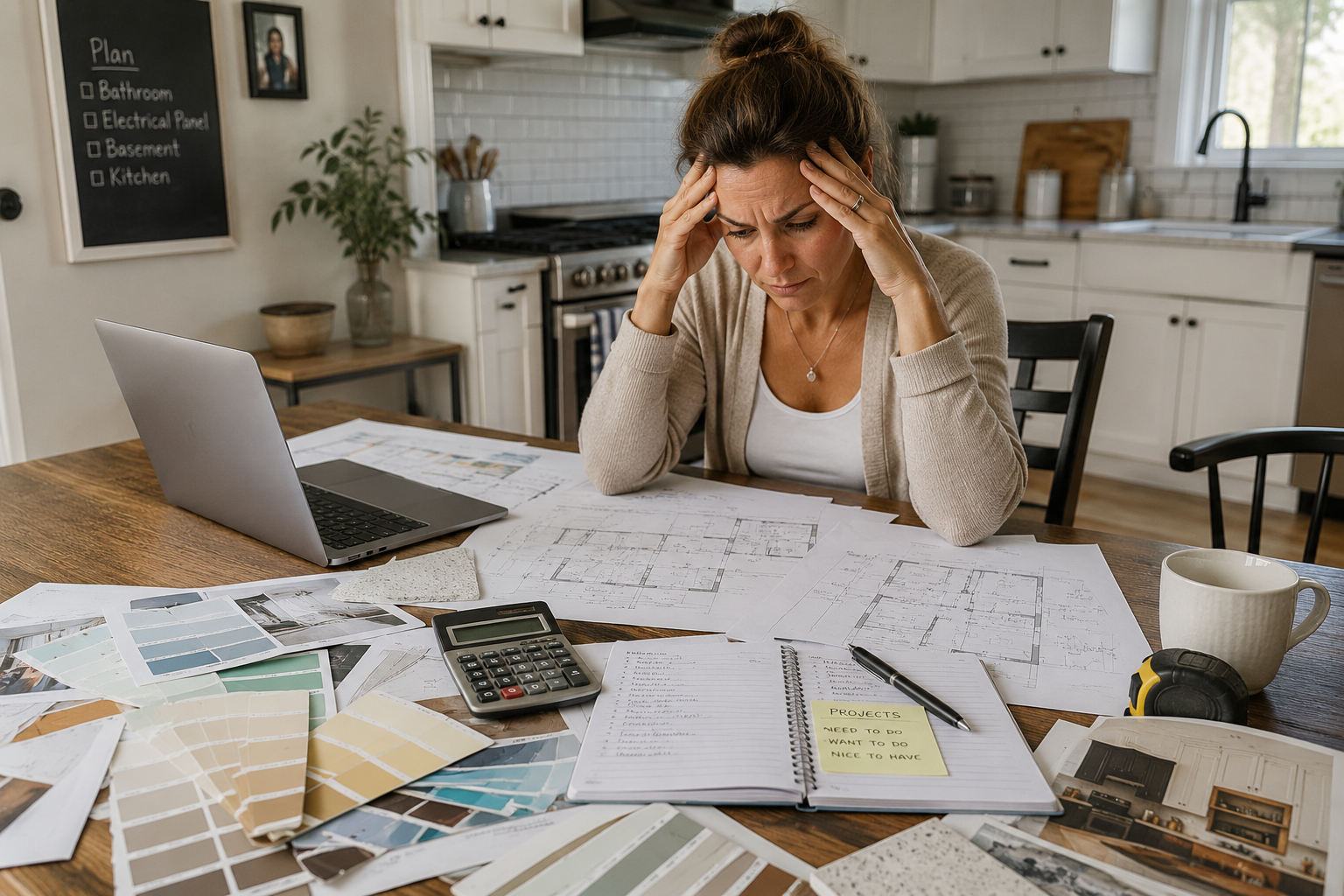
Have you ever walked through your home and felt like everything needs attention?
The kitchen is outdated. The bathroom isn't functioning the way you'd like. The flooring has seen better days. The paint is tired. The electrical panel is old. The windows need caulking. The basement could use work. The list seems endless.
If that sounds familiar, you're not alone.
Many homeowners find themselves in exactly the same situation. In fact, one of the most common things we hear during renovation consultations is:
"Where do we even start?"
It's a fair question.
Most homeowners don't have unlimited renovation budgets. Even if they did, very few people want to live through multiple major renovations happening all at once.
The good news is that there is a logical way to prioritize renovation projects.
Over the years, we've helped many homeowners develop renovation plans that spread projects over several months or even several years. The goal isn't to renovate everything immediately. The goal is to make smart decisions that protect your home, improve your quality of life, and ensure your renovation dollars are spent where they'll have the greatest impact.
Here's the framework we recommend.
Step 1: Address Safety Issues First
This category isn't exciting.
Nobody posts photos of a new electrical panel on social media. Nobody invites friends over to admire their properly installed smoke detectors.
But safety-related projects should always be the first priority.
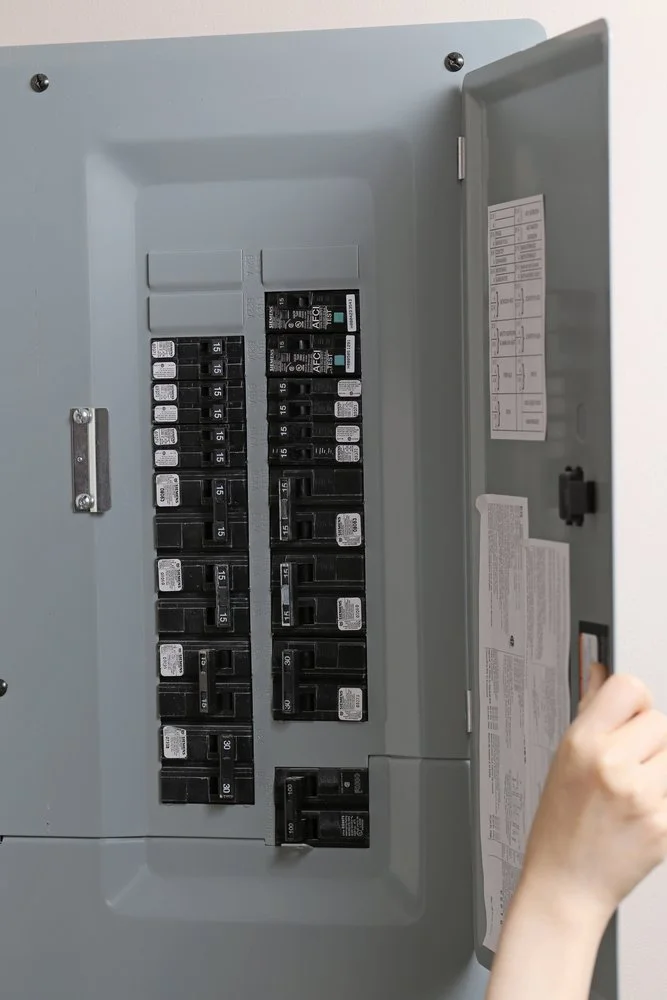
Examples include:
Outdated electrical systems
Overloaded electrical panels
Unsafe wiring
Missing or faulty GFCI protection
Loose stair railings
Structural concerns
Trip hazards
Plumbing issues that could cause flooding
Water leaks near electrical systems
These aren't projects that increase your home's beauty.
They're projects that protect your family.
We occasionally meet homeowners who want to renovate their kitchen while ignoring electrical issues that really should be addressed first. While new cabinets and countertops are exciting, they're not nearly as important as ensuring your home's electrical and plumbing systems are operating safely.
Before spending money on cosmetic upgrades, make sure the fundamentals are sound.
Step 2: Stop Water Before It Causes Damage
If safety is priority number one, water is a very close second.
Water has an incredible ability to turn a small problem into a very expensive one.
A dripping shower valve can eventually damage framing.
Failed caulking around windows can lead to hidden rot.
A leaking toilet can damage flooring and subfloors.
A roof leak can affect insulation, drywall, framing, and finishes.
Many homeowners postpone repairs because the problem appears minor.

Unfortunately, water doesn't care about your renovation schedule.
The longer moisture is allowed to penetrate materials, the greater the potential damage becomes.
Some common examples include:
Failed caulking around tubs and showers
Exterior caulking around windows and doors
Plumbing leaks
Water-stained ceilings
Damp basement areas
Deteriorating grout and silicone
These projects may not be glamorous, but they often save thousands of dollars in future repairs.
Step 3: Focus on Functionality
Once safety and water-related concerns have been addressed, it's time to look at how your home actually works.
This is where we often see the biggest improvement in a homeowner's daily life.
Ask yourself:
What frustrates me every single day?
Perhaps your kitchen lacks storage.
Maybe your bathroom has no usable counter space.
Perhaps you're constantly fighting for outlets.
Maybe your laundry room is difficult to use.
Or perhaps your home office no longer meets your needs.
These types of improvements may not always be visible to visitors, but you'll appreciate them every single day.
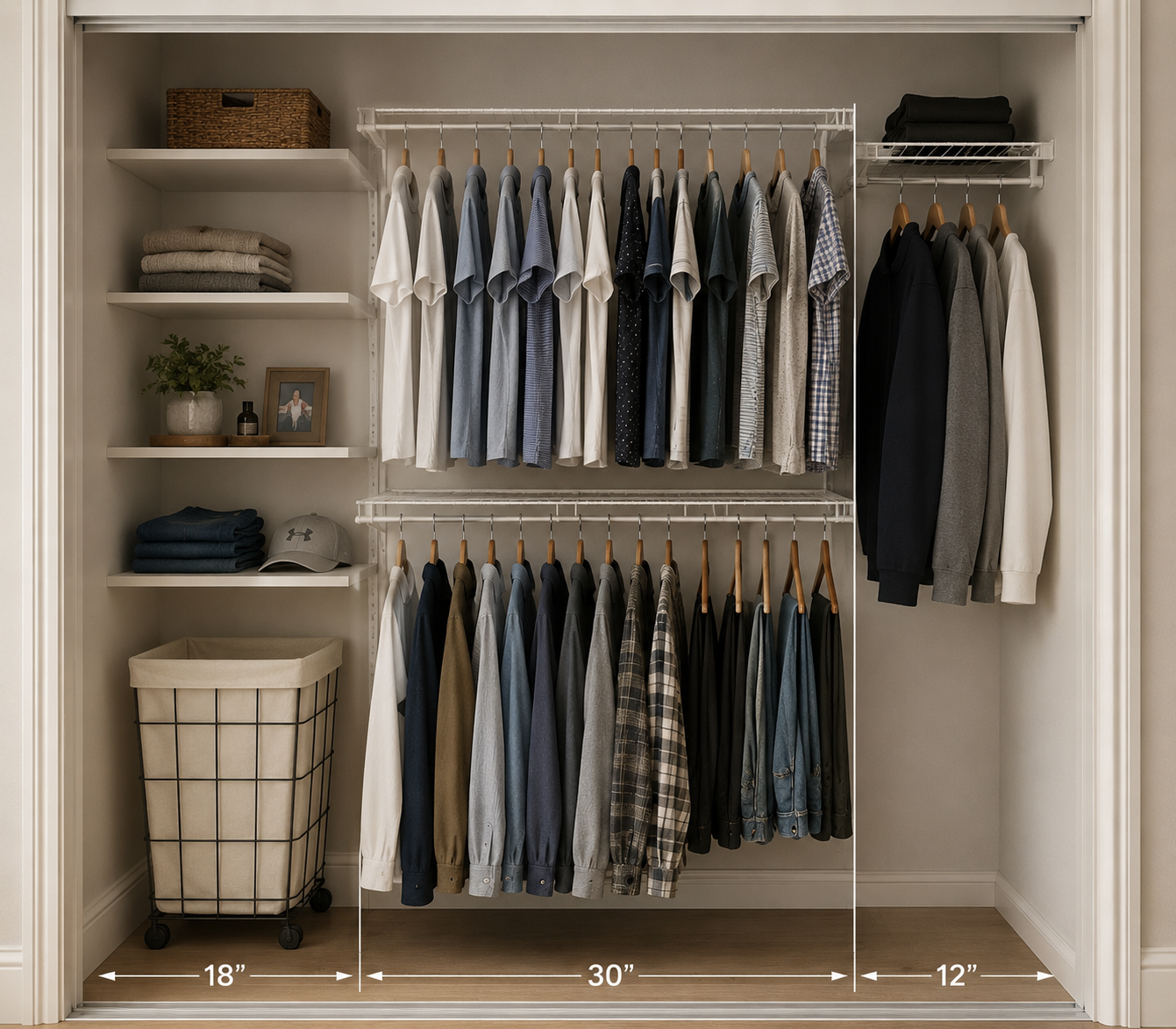
Some examples include:
Better kitchen storage
Improved bathroom layouts
Additional lighting
More convenient electrical outlets
Improved closet organization
Functional mudrooms
Accessibility improvements
One of our favourite questions to ask clients is:
"What annoys you most about this room?"
The answer usually points directly toward the renovation priorities that will have the biggest impact.
Step 4: Consider Energy Efficiency Improvements
With utility costs continuing to rise, energy efficiency projects can sometimes make sense before purely cosmetic upgrades.
Depending on the condition of your home, this could include:
Improving insulation
Air sealing
Replacing drafty doors
Upgrading weatherstripping
Caulking windows
Installing more efficient lighting
These projects rarely generate the same excitement as a beautiful new kitchen or bathroom.
However, they can improve comfort throughout the home while helping reduce monthly operating costs.
Many homeowners are surprised by how much more comfortable their home feels after addressing air leaks and insulation deficiencies.
Sometimes the best renovation isn't the one you see.
It's the one you feel.
Step 5: Prioritize Rooms That Deliver the Biggest Daily Impact
Now we arrive at the projects most homeowners initially think about.
The kitchen.
The bathroom.
The family room.
The spaces where life actually happens.
At this stage, ask yourself:
Which room would improve our quality of life the most if it were renovated?
The answer isn't always the room in the worst condition.
For one family, it may be the kitchen because everyone gathers there.
For another, it may be the ensuite bathroom.
For someone working from home, it might be a dedicated office.
The goal is to identify the project that creates the greatest positive change in your everyday life.
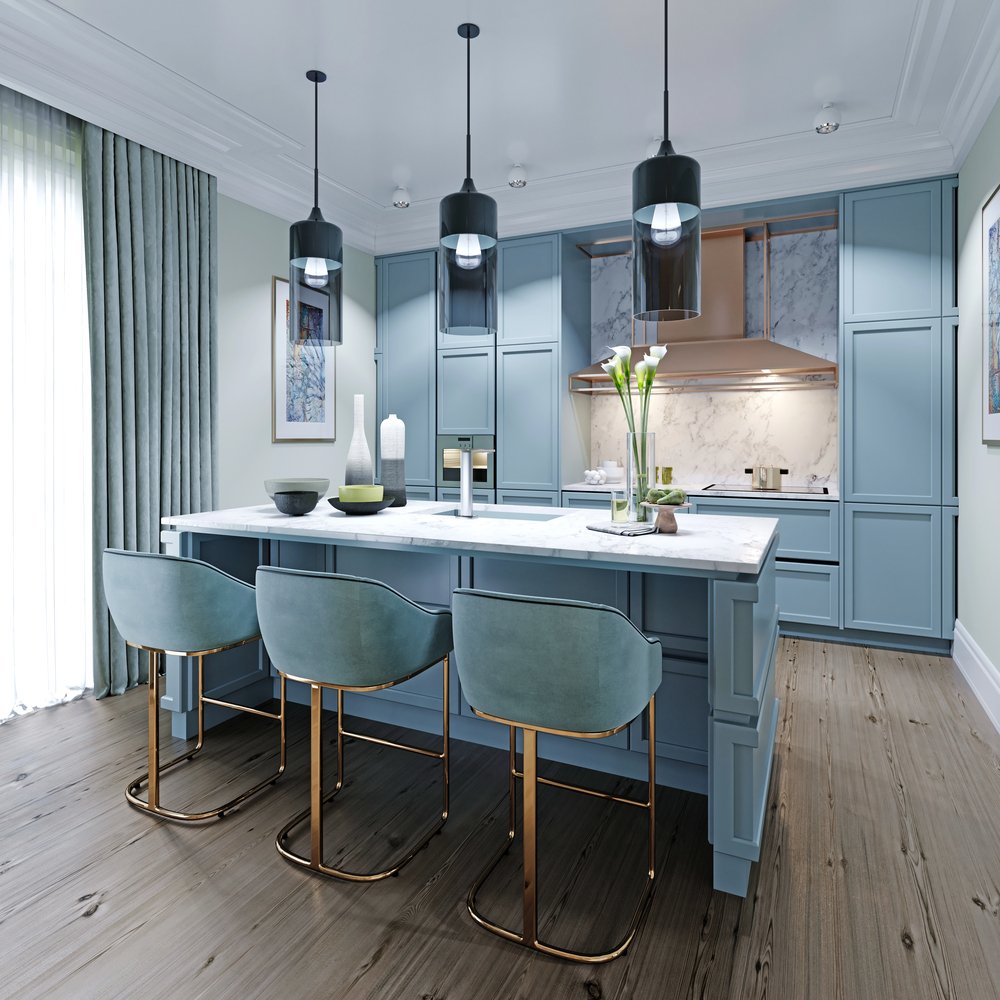
When budgets are limited, impact matters.
Step 6: Save Purely Cosmetic Projects for Last
This is where many homeowners get surprised.
The projects that often receive the most attention are frequently the lowest priority.
Fresh paint.
New flooring.
Decorative upgrades.
Updated fixtures.
Accent walls.
While these improvements absolutely have value, they typically shouldn't come ahead of safety concerns, water issues, or major functional problems.
That doesn't mean you shouldn't tackle them.
It simply means they should be evaluated within the bigger picture.
A freshly painted room feels wonderful.
A freshly painted room with hidden water damage behind the wall is a different story.
Planning a Renovation?
Knowing which projects to tackle first is only one part of the renovation journey. If you're wondering what happens after you've decided to move forward, our 43-page Homeowner's Guide to Surviving a Renovation walks you through the entire process—from the first consultation and planning stages to construction, project management, and final completion.
Written by the renovation professionals at Multi-Trade Building Services, with more than 35 years of industry experience, this practical guide helps homeowners understand what to expect, avoid common pitfalls, and navigate their renovation with confidence.
Regularly $9.99, it's currently on special for just $4.99.
Why You Don't Have to Do Everything at Once
One of the biggest misconceptions homeowners have is that if several areas of the home need updating, they should either renovate everything at once or wait until they can afford to do everything.
In reality, most successful renovations happen in phases.
Very few homeowners tackle every project on their wish list at the same time, and that's perfectly okay.
A phased approach allows you to spread costs over time, minimize disruption to your family, and make thoughtful decisions rather than rushed ones.
A typical renovation roadmap might look something like this:
Phase 1: Safety and Protection
Address electrical concerns, plumbing issues, structural repairs, water leaks, and anything that could damage the home or create safety risks.
Phase 2: Functionality Improvements
Improve the way your home works. This might include adding storage, improving lighting, creating a more functional bathroom, or addressing layouts that no longer suit your lifestyle.
Phase 3: Major Renovations
Once the foundation is solid, tackle larger projects such as kitchen renovations, bathroom remodels, basement finishing, or creating open-concept spaces.
Phase 4: Cosmetic Updates
Fresh paint, decorative finishes, new flooring, and aesthetic upgrades can often wait until the more important work has been completed.
When homeowners stop looking at renovations as one massive project and start viewing them as a series of manageable phases, the process often feels far less overwhelming.
Creating a Renovation Budget Without Feeling Overwhelmed
Many homeowners start by asking, "How much will it cost to renovate my home?"
The better question is often, "What should I renovate first?"
When budgets are limited, priorities become more important than price tags.
Instead of trying to estimate the cost of every project on your wish list, start by identifying which projects are essential and which projects can wait.
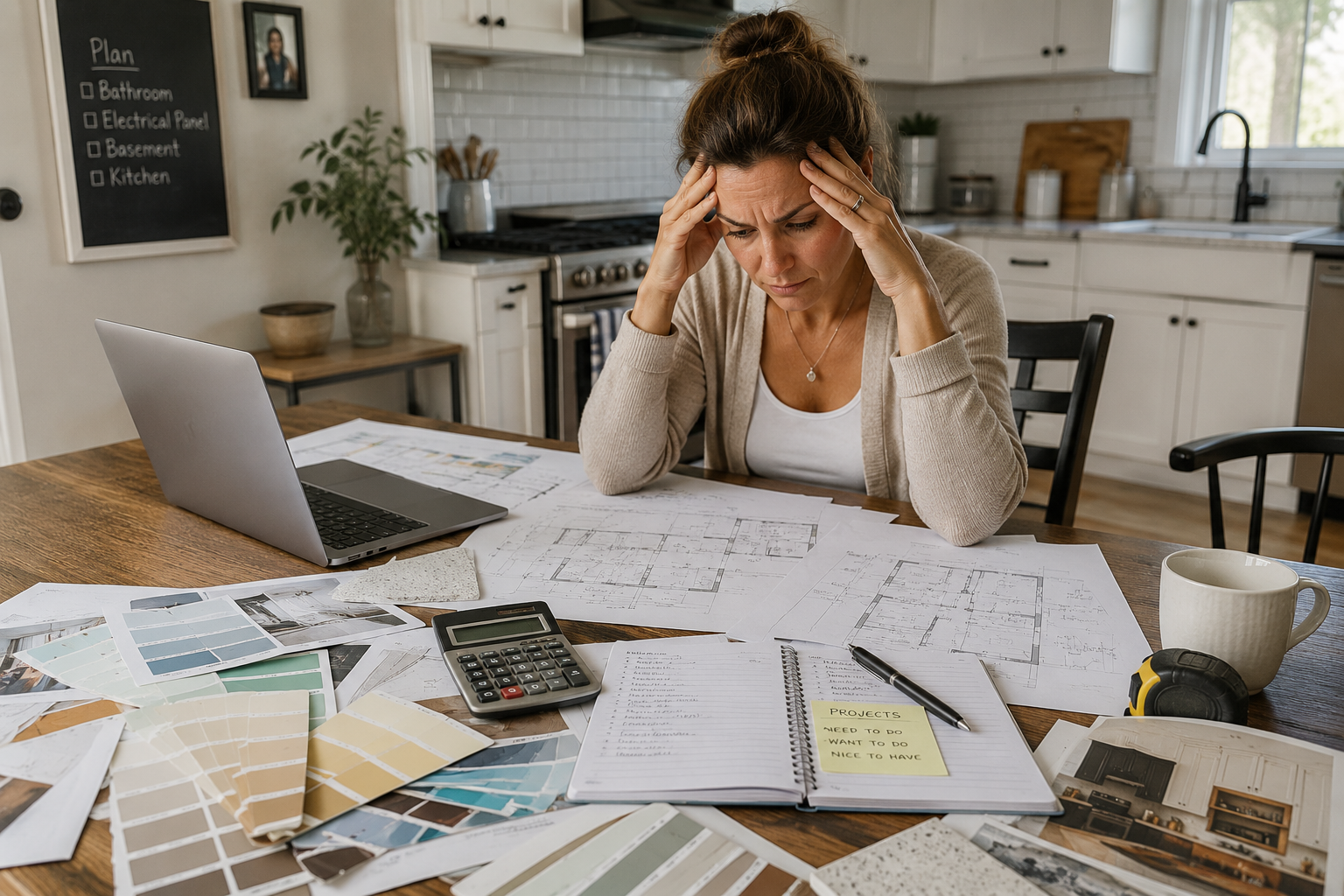
A simple approach is to divide your list into three categories:
Need To Do
Projects that involve safety concerns, water intrusion, structural issues, or major functionality problems.
Want To Do
Projects that would improve your enjoyment of the home but aren't urgent.
Nice To Have
Purely cosmetic upgrades or future wish-list items.
This exercise helps many homeowners realize they don't need to tackle everything immediately.
It also creates a realistic roadmap for budgeting over the next several years rather than trying to accomplish everything in a single renovation season.
If your renovation wish list feels longer than your budget, you're not alone. We wrote a blog about creating a renovation wish list that can help you separate the projects you need to tackle from the ones you simply want to tackle, making it easier to create a realistic plan for your home and your finances. Check out Creating a Renovation Wishlist: Prioritizing Your Needs and Wants
The Renovation Wish List Exercise
One exercise we often recommend is creating three separate lists.
Must Have
These are projects that address safety, water intrusion, or major functional concerns.
Should Have
These are projects that would significantly improve your daily life but aren't urgent.
Nice to Have
These are cosmetic improvements and wish-list items that can wait if necessary.
Once everything is categorized, the path forward often becomes much clearer.
Many homeowners discover that what they originally thought was their highest priority actually belongs in the "Nice to Have" category.

Why a Renovation Plan Often Saves Money
One of the biggest mistakes homeowners make is approaching renovations one project at a time without considering the bigger picture.
A renovation roadmap allows you to:
Budget more effectively
Avoid duplicate work
Coordinate related projects
Reduce disruption
Make better long-term decisions
Complete projects in the right order (eg: don’t install new white carpet in the room that hasn’t been painted yet)
For example, if you know a bathroom renovation is planned next year, it may influence decisions you're making today about flooring, plumbing, or electrical work.
Having a plan doesn't mean everything must happen immediately.
It simply means you're making decisions strategically rather than reactively.
The Biggest Renovation Mistake We See
If there is one mistake we see homeowners make time and time again, it's spending money on the visible parts of the home while ignoring the issues hidden behind the walls.
It's completely understandable. New kitchens are exciting. Beautiful bathrooms are exciting. Fresh finishes and stylish fixtures are exciting.
Repairing a plumbing leak or upgrading an electrical panel rarely generates the same enthusiasm.
Unfortunately, the hidden problems don't disappear simply because they're less visible.
We've seen situations where homeowners were prepared to invest heavily in cosmetic improvements while overlooking:
Water leaks that could lead to costly repairs
Failing caulking around tubs, showers, windows, or doors
Outdated electrical systems
Ventilation issues contributing to moisture problems
Structural concerns that should be addressed first
The most successful renovations focus on protecting the home before beautifying it.
A beautiful renovation built on a solid foundation will provide years of enjoyment.
A beautiful renovation built on unresolved problems often leads to frustration and additional expenses down the road.
Remember: Life Has a Way of Changing the Plan
While having a renovation roadmap is incredibly valuable, it's also important to recognize that even the best plans sometimes need to change.
Life happens.
Over the years, we've worked with many homeowners who carefully mapped out renovation projects over several years, only to have unexpected circumstances completely change their priorities.

One long-time client had a five-year renovation plan for their home. They knew which projects would happen each year and had carefully budgeted for them. Then, unexpectedly, the homeowner's mother suffered a stroke and needed to move in with the family.
Suddenly, the renovation priorities changed.
Their main-floor laundry room needed to become a bathroom, and their dining room needed to be converted into a bedroom. Projects that had once seemed important were pushed aside because creating a safe and functional living space for a loved one became the immediate priority.
In another situation, a client's adult son was going through a divorce and needed a place to live. Finishing the basement had never been part of their original renovation plan. However, creating a comfortable and private living area for him quickly became more important than the projects they had originally planned to tackle.
Sometimes the changes aren't family-related at all.
We once worked with homeowners who planned to upgrade their electrical panel first, followed by a bathroom renovation a few years later. The electrical panel wasn't unsafe—it was simply something they wanted to modernize before tackling future projects.
Then their shower valve began leaking.
After assessing the repair, they realized they would be spending money opening walls and repairing portions of a bathroom they already intended to renovate in the near future. Instead of paying for repairs now and renovating later, they decided it made more sense to move the bathroom renovation to the top of the list.
The lesson is simple:
A renovation plan should be treated as a guide, not a rigid set of rules.
New family circumstances, health concerns, changing lifestyles, unexpected repairs, aging parents, adult children returning home, or even changes in how you use your home can all influence what makes sense to tackle next.
The goal isn't to follow your plan perfectly.
The goal is to make the best decision based on your current circumstances while keeping your long-term goals in mind.
When Everything Feels Important
If you're feeling overwhelmed by a long renovation wish list, you're not alone.
Most homeowners don't struggle because they lack ideas.
They struggle because they have too many.
The key is understanding that not every project needs to happen this year.
Focus first on protecting your home.
Then focus on improving how it functions.
After that, invest in the spaces that will have the greatest impact on your daily life.
The beautiful finishes and cosmetic upgrades will still be there when the time is right.
A Simple Rule to Remember
If you're still unsure where to start, remember this simple hierarchy:
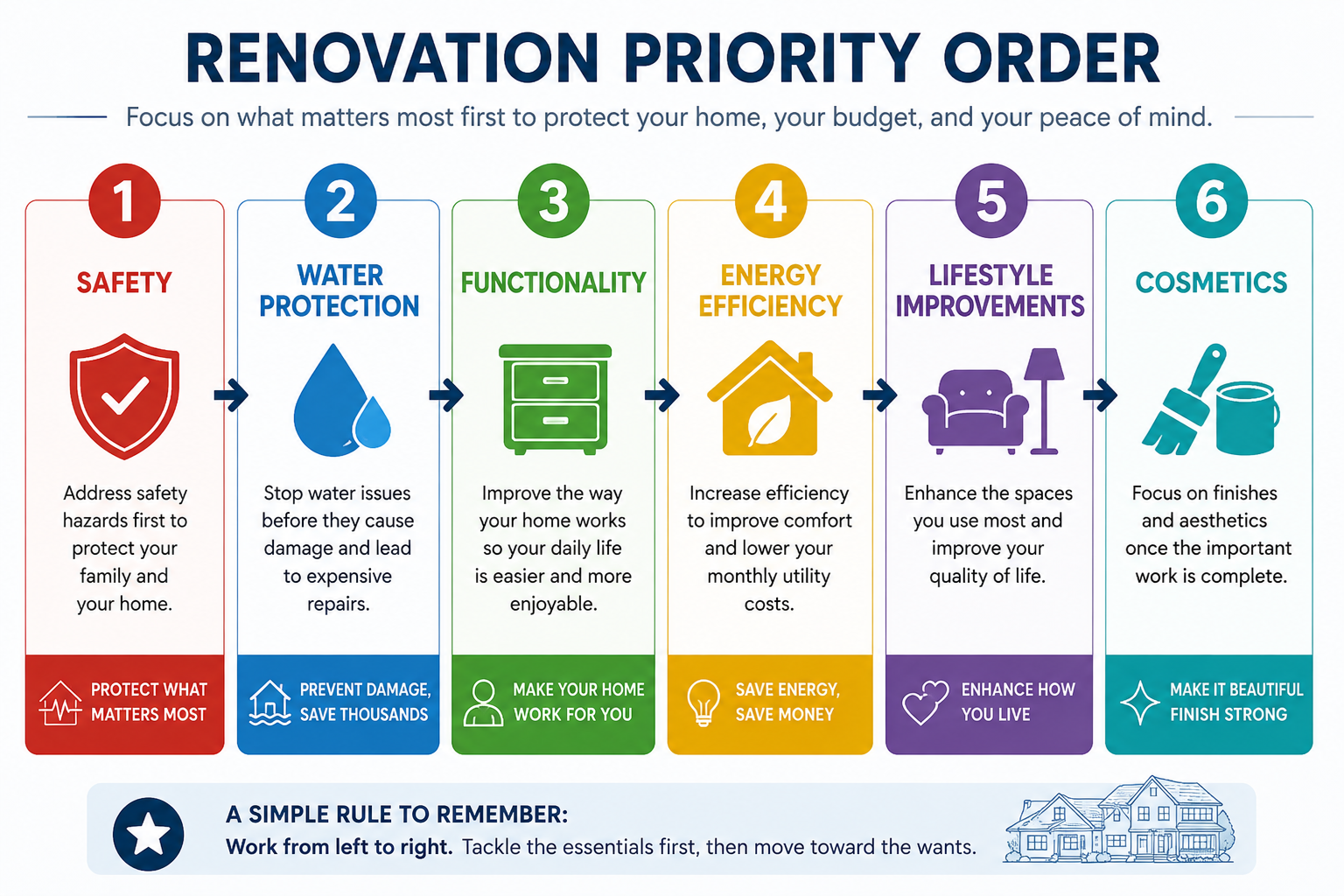
When faced with competing priorities, start at the left side of the list and work your way to the right.
This approach helps ensure that every renovation dollar is invested where it will have the greatest long-term impact on your home and your family's comfort.
Not Sure Where to Start?
That's where an experienced renovation professional can help.
At Multi-Trade Building Services, one of the things we enjoy most is helping homeowners develop a realistic renovation plan. Sometimes that plan involves completing a project right away. Other times it means creating a roadmap that spreads improvements over several years.
Either way, our goal is to help you make informed decisions that fit your home, your lifestyle, and your budget.
If you're looking at your home and wondering where to start, we'd be happy to help you sort through the possibilities and create a renovation plan that makes sense for you.

Planning a renovation doesn't have to feel overwhelming. Explore more articles below for practical advice, expert insights, budgeting tips, and renovation planning strategies to help you make informed decisions about your home.













Thinking about taking down a wall? It could open your kitchen, combine two small rooms, enlarge a bathroom or completely transform a basement — but removing a wall also comes with trade-offs. Before demolition begins, here's how to decide whether losing that wall will actually make your home work better.