

Bathroom Renovation Timeline: What Really Happens From Planning to Completion
/
One of the first questions homeowners ask when considering a bathroom renovation is:
"How long is this going to take?"
It's a fair question. After all, your bathroom is one of the most frequently used rooms in your home. The thought of living through a renovation, sharing another bathroom with family members, or wondering when you'll finally be able to enjoy your new space can feel overwhelming.
Unfortunately, there isn't a simple answer.
A bathroom renovation could take anywhere from a few days to several weeks depending on the scope of work involved. A simple cosmetic update will move much faster than a complete gut renovation involving new plumbing, electrical work, custom tile, and fixture relocation.
The good news? Understanding the renovation process and timeline can help you plan ahead, set realistic expectations, and reduce the stress that often comes with home renovations.
Let's take a closer look at what really happens during a bathroom renovation and how long each stage typically takes.
How Long Does a Bathroom Renovation Take?
Every project is different, but most bathroom renovations fall into one of four categories.
Cosmetic Bathroom Refresh
Typical Timeline: 2-5 Days
This type of project focuses on improving the appearance of the bathroom without major construction.
Examples include:
Painting
Replacing mirrors and accessories
Installing a new vanity
Replacing a toilet
Updating faucets and fixtures
New lighting
Because the layout remains unchanged and little demolition is required, these projects can often be completed quickly.
Remove and Replace Bathroom Renovation
Typical Timeline: 2-4 Weeks
This is one of the most common renovation types.
The existing bathroom is removed and replaced with new finishes, but the plumbing and electrical locations generally stay the same.
This type of renovation often includes:
New vanity
New toilet
New tub or shower
New flooring
New tile
Updated lighting
Because walls typically remain in place and fixtures stay in their existing locations, the project can proceed more efficiently.
Full Bathroom Renovation
Typical Timeline: 3-6 Weeks
A full renovation involves removing everything and rebuilding the space from the ground up.
This may include:
Complete demolition
Plumbing upgrades
Electrical upgrades
Waterproofing
New tile throughout
Custom cabinetry
New fixtures
These projects require significantly more coordination and involve multiple trades working together throughout the process.
Major Layout Changes
Typical Timeline: 4-8+ Weeks
If you're relocating plumbing fixtures, moving walls, expanding the room, or making structural changes, additional time should be expected.
Examples include:
Moving the toilet
Relocating or enlarging the shower
Expanding the bathroom footprint
Combining rooms
Removing walls
The more complex the project, the more flexibility should be built into the schedule.
Before Construction Begins: The Planning Phase
Many homeowners assume the renovation timeline begins with demolition.
In reality, the project often starts weeks before anyone picks up a hammer.
The planning phase may include:
Initial consultation
Site measurements
Design discussions
Product selections
Budget planning
Ordering materials
Permit applications if required
Custom vanities, specialty tile, quartz countertops, and glass shower enclosures can all have lead times that impact the schedule.
One of the biggest causes of renovation delays isn't construction at all. It's waiting for materials to arrive.
The more decisions that are finalized before construction begins, the smoother the project usually goes.
Step-by-Step Bathroom Renovation Timeline
While every renovation is unique, most projects follow a similar sequence.
Site Protection and Preparation
Before demolition begins, floors, hallways, and adjacent rooms should be protected.
This may include:
Floor protection
Dust barriers
Furniture protection
Temporary access routes
Proper preparation helps keep the rest of your home clean and protected throughout the renovation.
Demolition
Demolition typically takes a few hours up to three days depending on the size and complexity of the project.
This stage may involve removing:
Tile
Drywall
Flooring
Vanity
Toilet
Tub or shower
Existing fixtures
While demolition can look dramatic, it's often one of the quickest stages of the renovation.
Structural Repairs and Framing
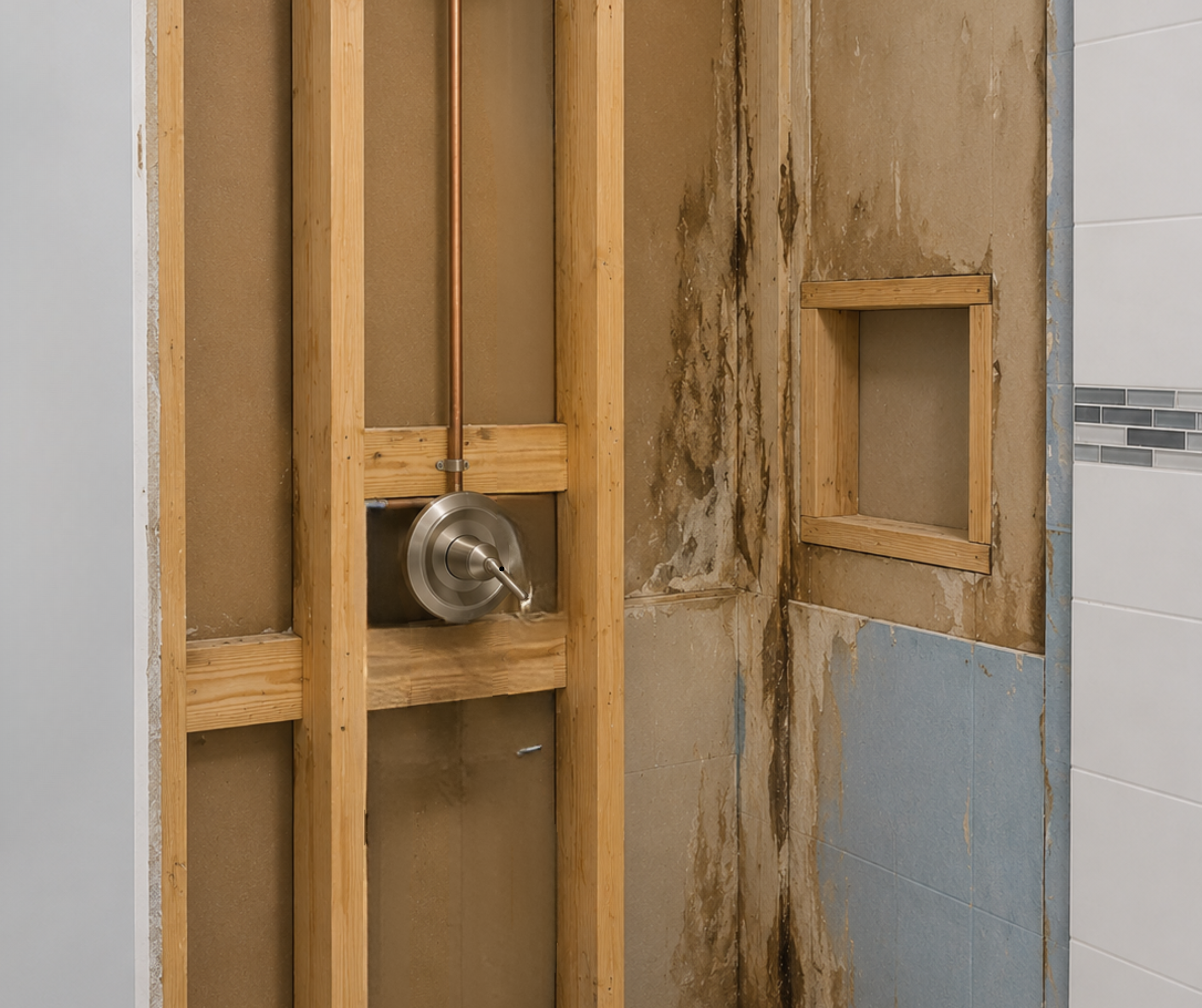
Once the walls are open, the real condition of the bathroom becomes visible.
This is often when hidden problems are discovered.
Common issues include:
Water damage
Rotting wood
Mold concerns
Improper framing
Previous renovation shortcuts
Electrical cables or plumbing pipes in the way of proposed new layouts
Any necessary repairs need to be completed before moving forward. This can take just a few hours for minor issues up to several days for more major problems.
During one bathroom renovation we removed the tub, tile, and drywall surrounding the tub area. At first glance, everything appeared normal. However, once the walls were opened, we discovered extensive moisture damage around a window located inside the tub enclosure.
The drywall behind the tile was soft and moldy, and several wall studs showed signs of significant water damage. While the homeowner certainly wasn't thrilled to discover the problem, they appreciated that it was identified before the new bathroom was installed.
Rather than simply replacing the damaged materials and hoping for the best, we wanted to determine where the moisture was coming from. It quickly became apparent that the window itself had failed and was allowing water to enter the wall cavity.
The bathroom renovation was temporarily delayed while the homeowner arranged to have the window replaced. Once the source of the problem had been addressed, we were able to rebuild the wall, complete the waterproofing, and continue with the renovation.
While unexpected discoveries like this can occasionally affect a renovation timeline, finding and correcting the underlying problem is always preferable to covering it up and having the issue return a few years later.
Plumbing Rough-In
If plumbing changes are required, this work takes place after demolition and repairs.
Examples include:
New shower valves
Relocating drains or supply lines
Updating supply lines
Installing new plumbing connections
Even when fixtures remain in the same location, older plumbing may require upgrading. Plumbing work can take just a few hours if most fixtures are staying in the same locations, up to several days if most fixtures are relocating or expanding.

Electrical Rough-In
Electrical work is typically completed alongside plumbing.
This may include:
New lighting
Exhaust fans
GFCI receptacles
Heated flooring systems
Additional circuits
Building codes have changed significantly over the years, so older bathrooms often benefit from electrical upgrades. Unless the electrical changes are significant, most electrical work can be completed within 1 day.
Inspections (If Required)
Depending on the scope of work and local requirements, inspections may be required before walls can be closed.
Inspection scheduling can occasionally affect timelines, particularly during busy seasons.
Drywall and Backer Board Installation
Once plumbing and electrical work are complete, the walls can be rebuilt.
This stage often includes:
Moisture-resistant drywall
Cement board
Specialty backer systems
The bathroom starts looking like a room again at this point, which homeowners always appreciate. Installing the drywall or cement board is often completed within a few hours, depending on the size of the bathroom and the amount of repair work required.
The drywall finishing process, however, typically takes several days. Multiple coats of drywall compound (often called mud) are applied, and each coat needs time to dry before the next can be added. This is one stage where maintaining a comfortable temperature inside your home becomes important. During hot summer weather, running your air conditioner can help the compound dry properly between coats. If the home is excessively warm or humid, drying times can be extended, which may affect the overall renovation schedule and the way the compound cures.
Waterproofing
This is one of the most important stages of any bathroom renovation.
A properly waterproofed shower helps protect your investment and prevents future water damage.
Depending on the system being used, waterproofing may require drying or curing time before tile installation can begin. This usually takes a few hours to complete.
Planning a bathroom renovation?
Every project is different, and timelines can vary significantly depending on the age of the home, the scope of work, product selections, and whether any hidden issues are discovered during demolition. If you'd like a realistic timeline based on your specific bathroom, we'd be happy to discuss your project and answer your questions.
Tile Installation
Tile work is often one of the most time-consuming stages of a bathroom renovation, not necessarily because the installation itself takes a long time, but because various materials need time to cure properly before the next step can begin.
The timeline depends on:
Room size
Tile size
Tile pattern
Niches and accent details
Floor and wall coverage
As a general guideline:
Tiling and grouting the walls of a standard tub surround typically takes 1½ to 3 days.
Tiling and grouting a typical walk-in shower often takes 2 to 4 days.
Installing tile on a bathroom floor may take anywhere from 1 day to 3 days depending on the size of the room, tile size, layout, and complexity of the installation.
One challenge with bathroom floor tile is that once the tile has been installed, it should not be walked on until the adhesive has properly cured. This means that many of the remaining tasks in the bathroom must pause until the floor is ready to support foot traffic.
The same applies to shower floors. Once the shower floor tile has been installed, it can become difficult to continue working on the surrounding walls without risking damage to the newly installed tile. In many cases, it's best to allow the materials to cure properly before proceeding.
Grouting introduces another waiting period. While it can be tempting to rush ahead, properly cured grout helps ensure a stronger, longer-lasting installation. Some contractors may place protective coverings over freshly grouted floors and continue working immediately, but we prefer to allow the grout adequate time to cure before exposing it to heavy foot traffic whenever possible.
While these curing periods may add a little time to the schedule, they help ensure the finished bathroom performs and looks its best for years to come.
Need some help selecting your tile? Check out Your Ultimate Guide to Selecting the Perfect Tile
Painting
Once the drywall repairs have been completed and properly sanded, the bathroom can be primed and painted. Painting itself is usually completed within a day, and in many cases we can begin installing the vanity, toilet, and fixtures the following day.

One detail many homeowners don't realize is that paint continues curing long after it feels dry to the touch. While most modern paints are ready for light use within a day or two, manufacturers often recommend allowing up to 30 days for the paint to fully cure and reach its maximum durability.
This doesn't mean you can't enjoy your newly renovated bathroom. In fact, most homeowners begin using their bathroom immediately after completion and may even hang artwork or accessories shortly thereafter without issue. However, it's still a good idea to treat freshly painted surfaces with a little extra care during the first few weeks. Avoid scrubbing walls aggressively, dragging furniture against painted surfaces, or using harsh cleaning products until the paint has had adequate time to fully cure.
At Multi-Trade Building Services, we use high-quality paints from trusted manufacturers such as Benjamin Moore and Sherwin-Williams, which helps ensure a beautiful, durable finish that will stand up to the demands of everyday life.
Vanity and Fixture Installation
Now comes the exciting part.
The room begins coming together as key components are installed:
Vanity
Countertop
Faucet
Toilet
Mirrors
Accessories
Lighting fixtures
Many homeowners say this is the stage when they can finally envision the finished result. Depending on the scope of the renovation, fixture installation can take anywhere from 1-2 days to a week or more. While the major construction is largely complete, this phase often involves numerous finishing details, adjustments, and quality checks to ensure everything fits and functions properly. Patience during this stage helps ensure the finished bathroom looks and performs exactly as intended.
Glass Installation
Glass installation is often one of the final stages of a bathroom renovation.
For custom glass shower enclosures, measurements are typically taken only after the tile installation has been completed. This ensures the glass is manufactured to fit the finished space accurately. Once the final measurements have been taken, fabrication and installation usually take an additional 1-3 weeks, depending on the glass supplier and the complexity of the enclosure.
While custom glass provides a beautiful, tailored appearance, homeowners should be aware that it can sometimes extend the overall project timeline.
Fortunately, custom glass isn't the only option. Many homeowners choose prefabricated sliding or hinged shower doors that can be purchased from a bath retailer or home improvement store. These products are typically available much more quickly and can often be installed within a few hours once the bathroom is ready.
Another simple option is to install a shower curtain rod and curtain, which can be completed immediately and allows the shower to be used while waiting for custom glass to arrive.
When planning your bathroom renovation, it's worth considering whether a custom glass enclosure is important to your overall vision or whether a readily available alternative may better suit your timeline and budget.
Final Touches and Cleanup
The final stage includes:
Caulking
Hardware installation
Adjustments
Final inspections
Thorough cleaning
At this point, your new bathroom is ready to enjoy.
What Causes Bathroom Renovation Delays?
Even the best-planned renovation can encounter surprises.
Some of the most common causes of delays include:
Hidden Water Damage
Water has a way of finding places it shouldn't. Until walls and floors are opened, hidden damage often remains invisible.
Previous Renovations Done Incorrectly
We occasionally discover:
Improper waterproofing
Incorrect plumbing installations
Electrical deficiencies
Structural shortcuts
Correcting these issues takes time but helps ensure the new renovation is completed properly.
Material Delays
Special-order products can impact schedules.
Common examples include:
Custom vanities
Quartz countertops
Specialty tile
Glass shower enclosures
Change Orders
When homeowners decide to make changes after construction has begun, additional time is often required.
This isn't necessarily a bad thing, but it can affect the schedule.
Can a Bathroom Renovation Be Completed Faster?
Sometimes.
The best ways to keep a project moving efficiently include:
Finalize selections early
Order materials in advance
Avoid mid-project changes
Work with experienced professionals
Maintain clear communication throughout the project
It's important to remember that there is a difference between working efficiently and rushing.
A properly completed bathroom renovation should always prioritize quality over speed.
Can I Live at Home During a Bathroom Renovation?
In most cases, yes. However, there will be some inconvenience.
You can expect:
Noise
Dust
Workers coming and going
Temporary loss of bathroom access
If you have multiple bathrooms, the process is usually much easier.
If you're renovating your only bathroom, temporary arrangements may need to be made during certain stages of the project.
Can a Bathroom Be Renovated in Stages?
Technically, yes. However, renovating in stages is often less efficient and can increase overall costs.
Mobilizing trades multiple times and revisiting completed work can create additional labour and scheduling challenges.
In some situations, staged renovations make sense, but completing the project all at once is usually the most practical approach.
What Is the Hardest Part of a Bathroom Renovation?
Many homeowners assume the hardest part is choosing tile or living through construction.
In reality, the hardest part is often dealing with the unknown.
Until demolition is complete, nobody knows exactly what is hiding behind the walls. That's why experienced contractors build flexibility into both timelines and budgets.
The goal isn't to avoid surprises entirely. It's to be prepared to handle them professionally when they occur. We've written a separate article on how to handle unexpected issues during a renovation, including practical advice for homeowners on managing delays, costs, and the decision-making process when surprises arise. Click here to read How to Handle Unexpected Issues During a Renovation
Bathroom Renovation Timelines in Older Homes
One factor that can significantly affect a bathroom renovation timeline is the age of the home.
When we talk about older homes, we're generally referring to homes built before the 1970s. While not every older home presents challenges, these properties are more likely to contain surprises that aren't visible until demolition begins.
Some of the issues we occasionally uncover include:
Multiple layers of flooring installed over the years
Water damage behind walls or around tubs and showers
Outdated wiring that no longer meets current electrical standards
Older plumbing systems that require updating
Walls that are no longer perfectly plumb
Floors that are no longer level
Previous renovations that weren't completed correctly
While these homes often have wonderful character, they can also require additional work once the walls are opened. The good news is that addressing these issues during a renovation helps ensure your new bathroom will perform properly for years to come.
Frequently Asked Questions
Can I use my bathroom during the renovation?
In most cases, no. Once demolition begins, the bathroom will typically be out of service until the major work has been completed. If you have multiple bathrooms in your home, this is usually manageable. If it's your only bathroom, temporary arrangements may need to be made.
Should materials be ordered before construction begins?
Absolutely. One of the most common causes of delays is waiting for materials to arrive. Having your tile, vanity, fixtures, and other products selected and ordered before construction starts can help keep the project moving smoothly.
Will I need permits for a bathroom renovation?
Not every bathroom renovation requires permits. However, permits may be required when plumbing, electrical, or structural changes are being made. Your contractor should be able to advise you on local requirements based on the scope of work.
Can unexpected issues affect the timeline?
Yes. Hidden water damage, outdated wiring, plumbing issues, and structural concerns are sometimes discovered once demolition begins. While these surprises can occasionally extend the timeline, addressing them properly helps prevent more costly problems in the future.
So, How Long Should You Expect Your Bathroom Renovation to Take?
The honest answer is that every project is different.
A simple bathroom refresh may only take a few days, while a complete custom renovation could take several weeks.
The most important thing isn't necessarily how quickly the renovation is completed. It's whether it's completed properly.
Ready to Start Planning Your Bathroom Renovation?
Whether you're considering a simple refresh or a complete bathroom transformation, understanding the renovation process is the first step toward a successful project.
At Multi-Trade Building Services, we believe homeowners deserve honest advice, realistic timelines, and clear communication from start to finish. We'll help you understand what's involved, identify potential challenges before construction begins, and create a renovation plan tailored to your home and goals.
If you're thinking about renovating your bathroom in Oshawa, Whitby, Ajax, Pickering, Courtice, Bowmanville, or the surrounding Durham Region, we'd love the opportunity to discuss your project.
Contact us today to schedule your consultation and take the first step toward a bathroom you'll enjoy for years to come.

Planning a bathroom renovation? Explore our other bathroom renovation articles for expert advice, design inspiration, budgeting tips, and practical guidance to help you make informed decisions throughout your project.
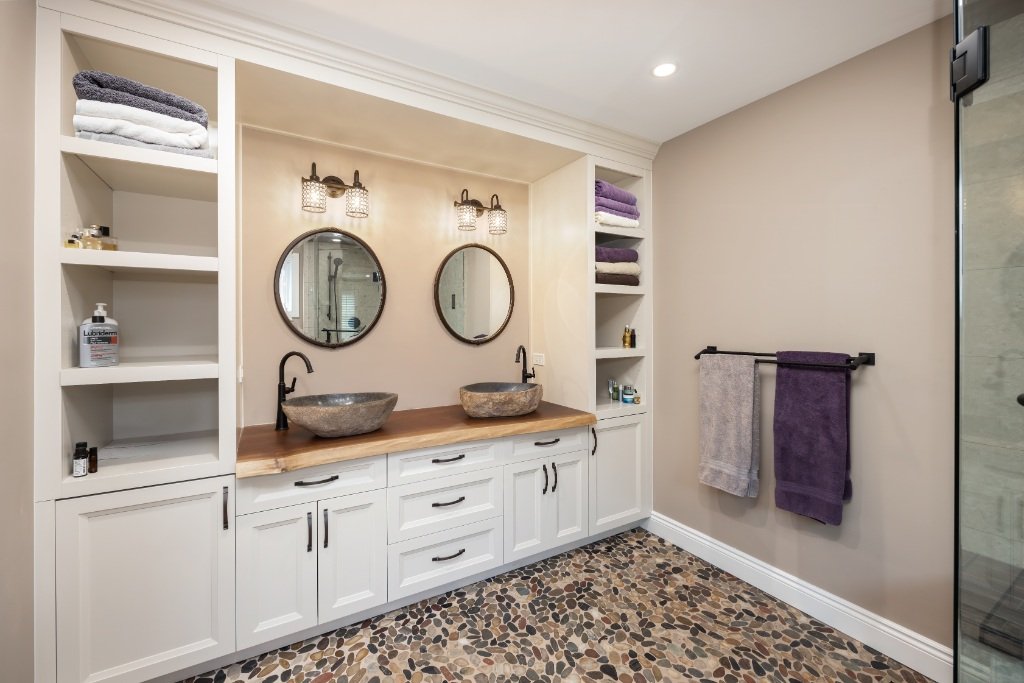
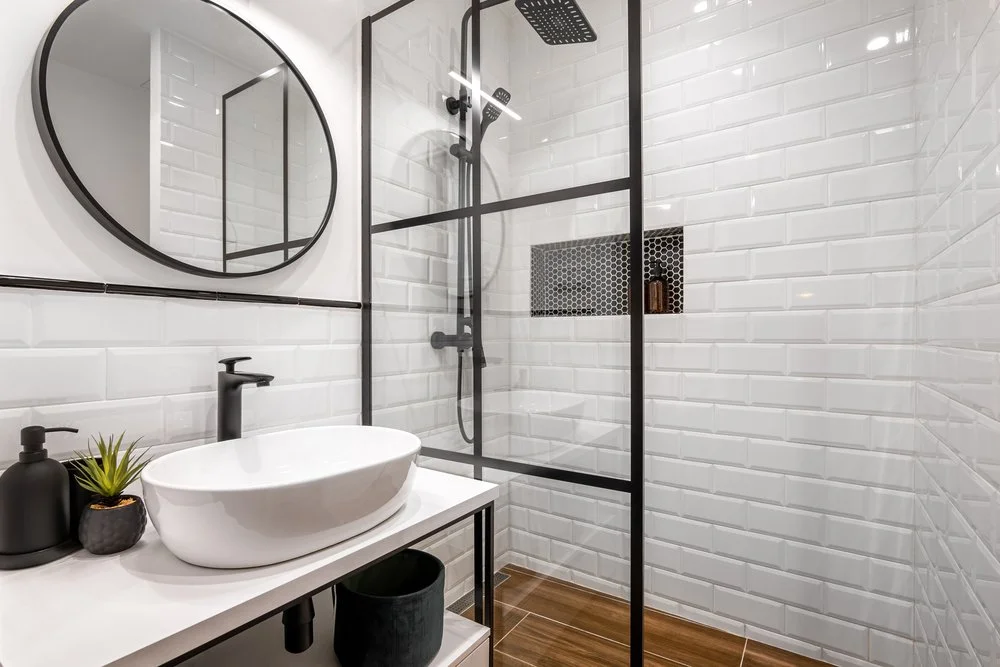


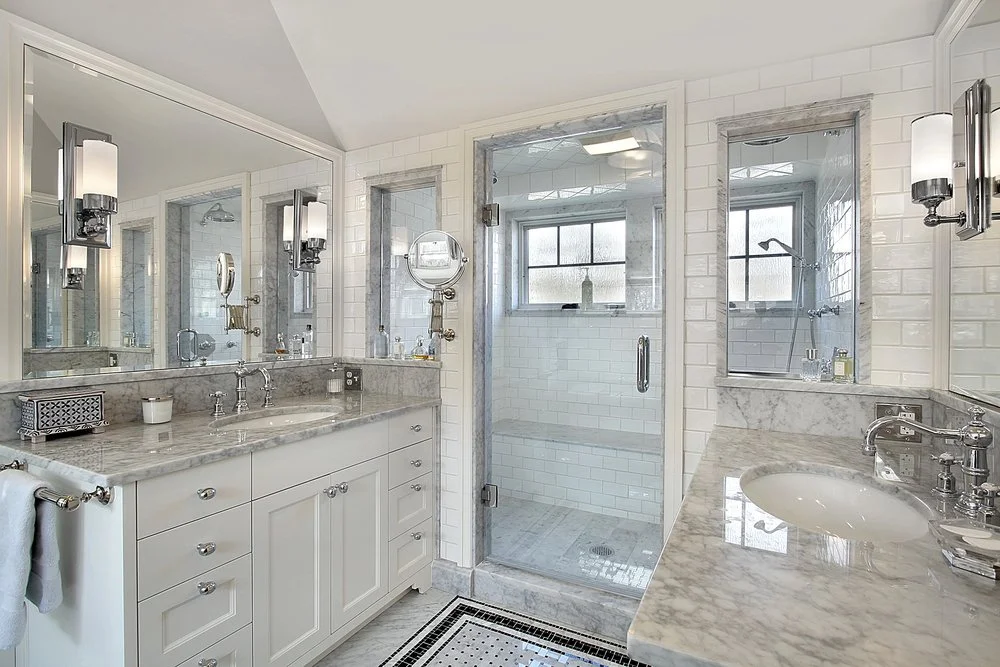









A double sink vanity might look like a must-have for a primary bathroom—but is it really? Before giving up valuable counter space and storage for that second sink, let’s look at the pros, cons and the questions you should ask before deciding if two sinks actually make sense for your bathroom.