

How to Tighten a Loose Toilet Before It Damages Your Floor
/
A toilet that rocks or shifts when you sit down might not seem like a big deal. In fact, many homeowners simply get used to it, assuming it's just an older fixture or something they'll deal with "someday."
Unfortunately, that's one of those small problems that can quietly turn into a much larger—and much more expensive—repair.
A loose toilet can damage the wax seal that keeps water and sewer gases contained. Once that seal is compromised, even a slow leak can begin soaking into the flooring around the toilet. Left long enough, moisture can damage flooring materials, rot the subfloor beneath, encourage mould growth, and even affect the structural integrity of the floor.
The good news? If you catch the problem early, tightening a loose toilet is often a straightforward repair. The key is knowing when it's simply loose—and when there's a more serious issue hiding underneath.
Why Does a Toilet Become Loose?
A properly installed toilet should sit firmly on the floor without rocking or shifting.
Over time, however, several things can cause it to loosen.
Loose Closet Bolts
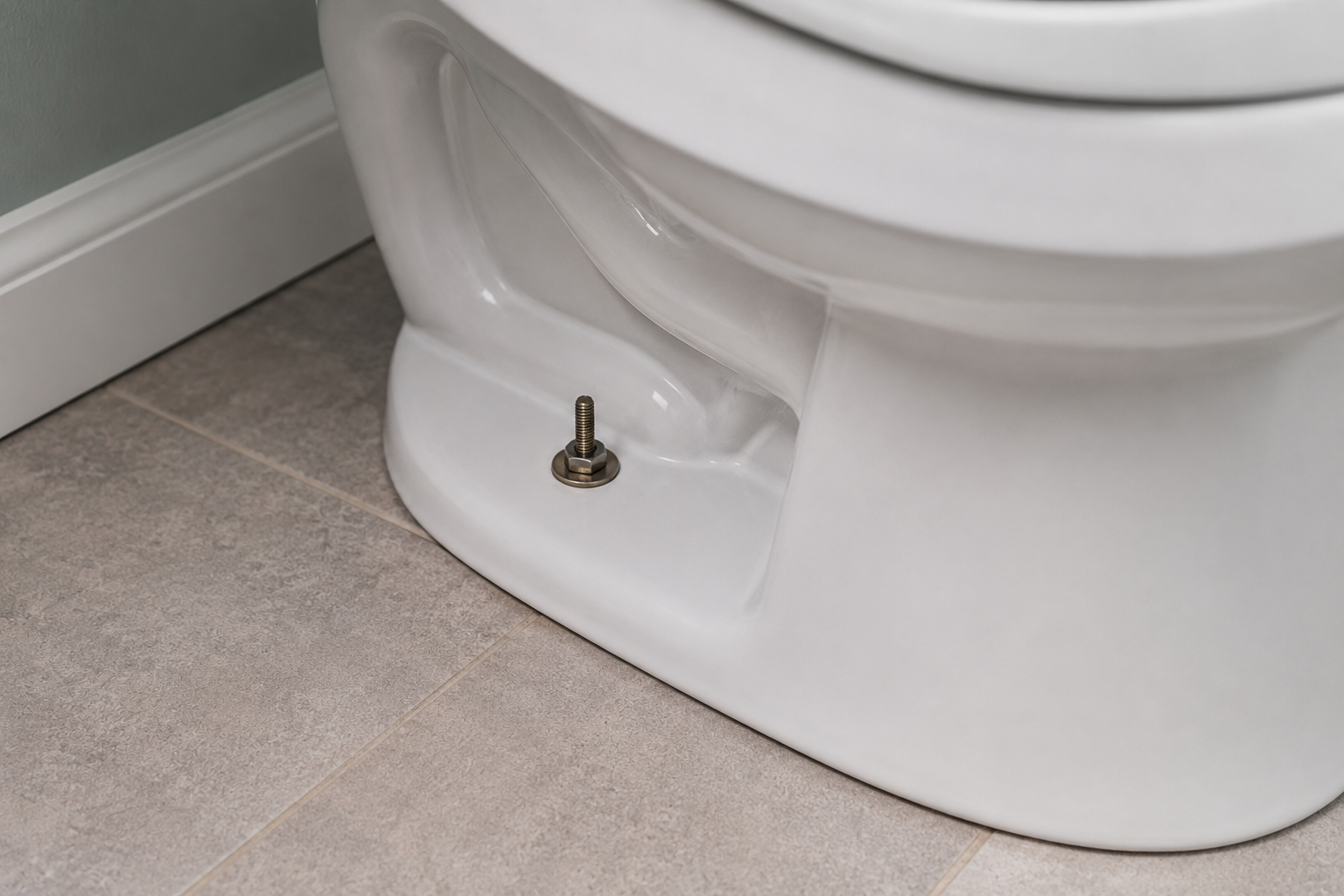
The most common cause is that the closet bolts—the bolts that secure the toilet to the floor—have gradually loosened over the years through normal use.
Even tiny amounts of movement each time someone sits on the toilet can eventually allow the nuts to back off slightly.
Uneven Flooring
Sometimes the flooring beneath the toilet isn't perfectly level.
This is especially common after new flooring has been installed around an existing toilet. If the toilet isn't sitting evenly, it may rock from side to side no matter how tight the bolts are.
Worn or Damaged Wax Ring
The wax ring creates a watertight seal between the toilet and the drain pipe.
If the toilet has been rocking for a while, that movement can distort or break the wax seal, allowing water to escape underneath.
Subfloor Damage
Unfortunately, this is the one homeowners hope they don't have.
If water has been leaking beneath the toilet for an extended period, the wooden subfloor may have become soft or rotten. Tightening the bolts won't solve the problem if the floor underneath is no longer solid enough to support the toilet.
Signs Your Toilet Needs Attention
A loose toilet isn't always obvious.
Watch for these warning signs:
The toilet rocks or moves when you sit down.
You notice a slight wobble when cleaning around the base.
The caulking around the toilet is cracking or separating.
Water occasionally appears around the base after flushing.
The floor feels soft or spongy around the toilet.
You notice an unpleasant sewer odour near the toilet.
If you notice any of these signs, it's worth investigating sooner rather than later.
Can You Simply Tighten the Bolts?
Sometimes, yes.
If the toilet is only slightly loose and there are no signs of leaking or floor damage, carefully tightening the closet bolts may solve the problem.
Here's the general process:
Remove the decorative plastic caps covering the bolts.
Using a wrench, tighten each nut a little at a time.
Alternate from one side to the other so the pressure remains even.
Stop as soon as the toilet feels secure.
One important caution: don't overtighten the bolts.
Toilets are made of porcelain, and porcelain can crack surprisingly easily. Applying too much force can damage the toilet itself, turning a simple maintenance job into a much more expensive replacement.
When Tightening Isn't Enough
Many homeowners assume that if tightening the bolts doesn't solve the problem, they simply need to tighten them more.
That's rarely the answer.
If the toilet continues to rock after the bolts have been snugged up properly, there's usually another issue that needs to be addressed.
Possible causes include:
a failed wax seal
an uneven floor
a damaged toilet flange
a cracked flange
a rotten subfloor
improper installation
In these situations, simply forcing the bolts tighter can actually make things worse.
Why Water Damage Happens So Quickly
One of the biggest misconceptions is that homeowners assume they'd notice a toilet leak immediately.
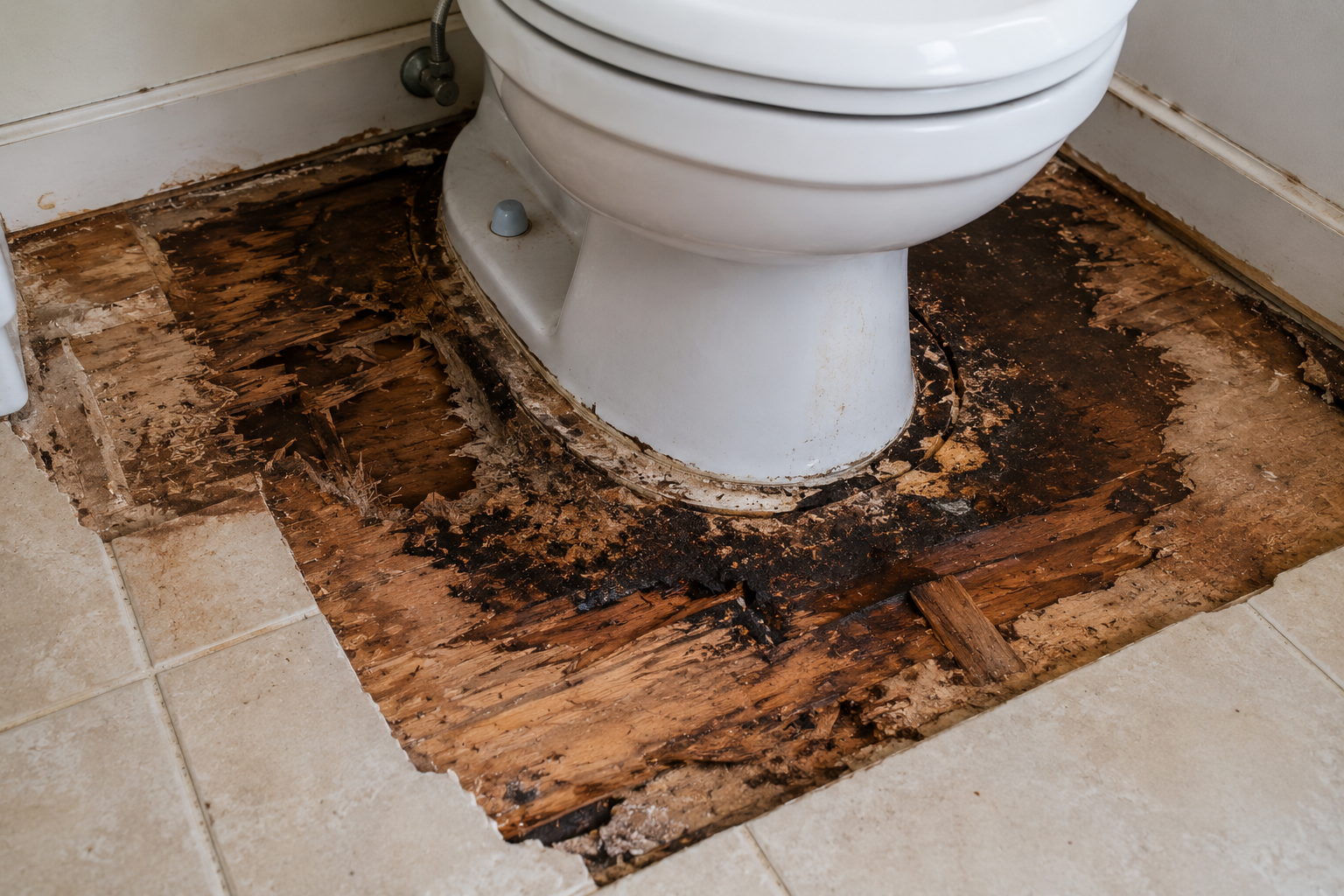
In reality, many toilet leaks happen underneath the toilet where they're completely hidden.
Each flush may allow only a few drops of water to escape.
Those few drops soak into the flooring little by little, week after week, month after month.
By the time the flooring begins to feel soft or stains become visible, significant damage may already have occurred beneath the finished floor.
We've seen situations where replacing a wax ring early would have prevented hundreds—or even thousands—of dollars in repairs later.
Need a Hand?
Not every loose toilet requires major repairs—but it's not always easy to tell the difference between a simple adjustment and a hidden plumbing problem. If you're unsure why your toilet is moving or you're concerned about possible water damage, we'd be happy to inspect it and recommend the most appropriate solution. Sometimes a quick repair today can prevent a much more expensive repair tomorrow.
Don't Ignore a Soft Floor
If the floor around the toilet feels soft, springy, or spongy, don't simply tighten the toilet and hope for the best.
A soft floor often indicates that moisture has already affected the subfloor underneath.
Depending on how extensive the damage is, repairs may involve:
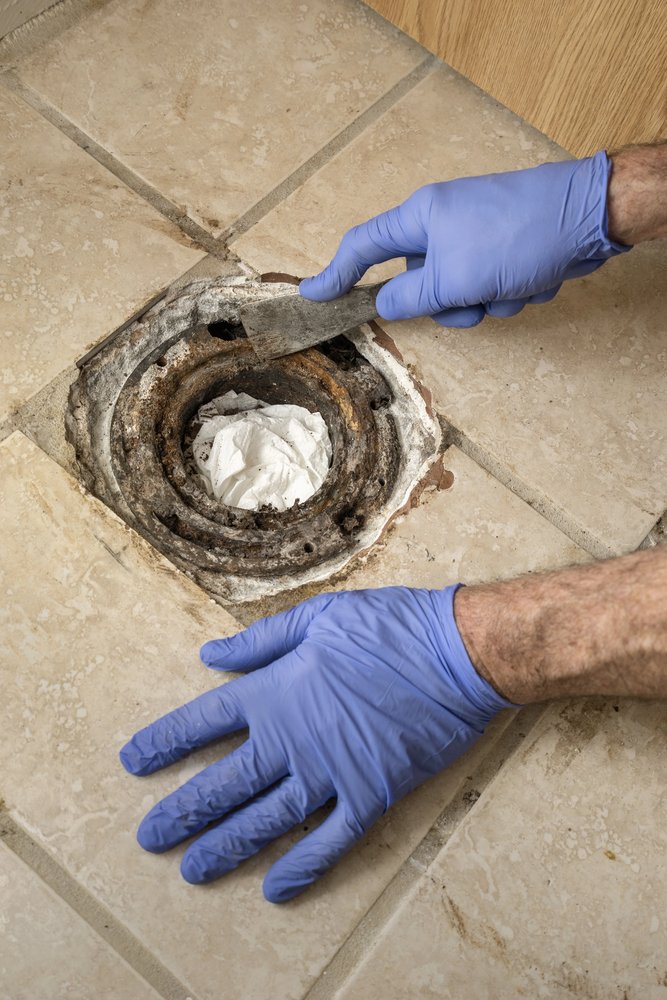
replacing part of the subfloor
repairing the toilet flange
replacing flooring
reinstalling the toilet with a new wax seal
The sooner the problem is addressed, the more likely the repair can remain relatively minor.
What About the Caulking Around the Toilet?
Many homeowners assume that the caulking around the base of the toilet is what prevents leaks.
It isn't.
The wax ring beneath the toilet creates the watertight seal between the toilet and the drain. Caulking is primarily cosmetic, helping to create a finished appearance while making it more difficult for dirt, dust, and mop water to collect beneath the toilet.
Interestingly, not every professional chooses to caulk around the base of a toilet. In fact, Paul has never caulked toilets during his more than 36 years in the renovation industry. His reasoning is simple: if a wax seal ever fails, he'd rather the homeowner notice water around the base of the toilet right away than have that moisture trapped or redirected beneath the flooring, where it could cause hidden damage before anyone realizes there's a problem.
There is no universal requirement that every residential toilet be caulked in all situations, and you'll find experienced professionals on both sides of the discussion. Whether a toilet is fully caulked, partially caulked, or left uncaulked often comes down to the installer's approach and the specific circumstances of the installation. What's most important is that the toilet is properly installed, firmly secured, and monitored for any signs of movement or leakage.
Can a Loose Toilet Damage the Wax Ring?
Absolutely.
Every time a toilet rocks—even slightly—the wax ring is compressed and twisted.
Unlike rubber, wax doesn't spring back into shape.
Once the seal has been distorted, it generally needs to be replaced.
That's why it's important not to live with a loose toilet for months or years. What starts as a simple adjustment can eventually become a leak that damages the flooring underneath.
A Few Simple Maintenance Tips
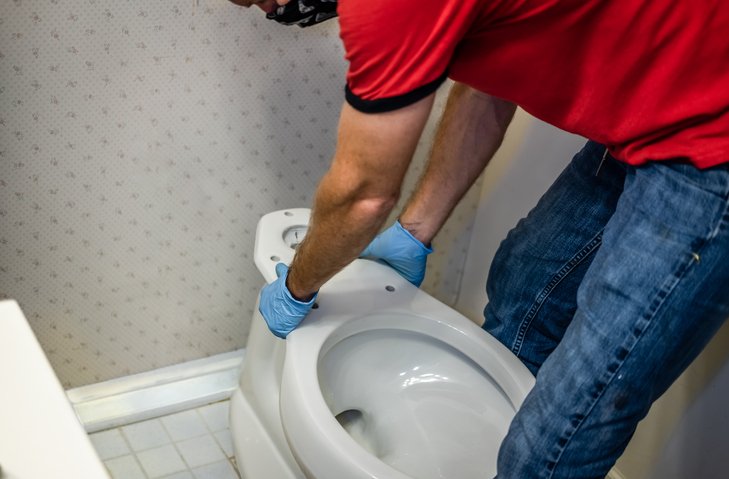
You don't need to inspect your toilet every week, but it's worth taking a quick look every few months.
A simple home maintenance routine might include:
Check that the toilet feels solid when you sit down.
Look for cracked or missing caulking.
Inspect the floor around the base for staining or discoloration.
Watch for moisture after flushing.
Check for unusual odours.
Listen for changes in how the toilet flushes or refills.
These quick checks take less than a minute and can help catch small issues before they become major repairs.
Water Doesn't Always Leak Where You Think It Will
One of the most surprising things about plumbing leaks is that the water often doesn't appear directly below the source of the problem.
We experienced this firsthand during a service call a few months ago. A homeowner noticed water dripping through the kitchen ceiling below an upstairs bathroom. Because the leak appeared beneath the shower area, it seemed logical to assume the shower was the source.
After performing a series of tests—including running the shower, checking the plumbing connections, and even filling the shower base with water—we couldn't find any evidence of a leak.
The following day, the homeowner discovered something interesting. The leak only appeared when the toilet was flushed.
The toilet—not the shower—was the actual source of the problem.
The water had been travelling beneath the bathroom floor before finding the easiest path through the ceiling below. In this case, it followed the structure until it eventually emerged several feet away from where the leak actually started.
It's an excellent reminder that water doesn't always drip straight down. It follows gravity, framing, pipes, wiring, and even seams in drywall before finally becoming visible. That's one reason diagnosing leaks can sometimes be more complicated than they first appear.
When It's Best to Call a Professional
Many homeowners are comfortable snugging up a loose bolt.
However, it's usually worth calling a professional if:
the toilet continues to move after tightening
you notice water around the base
the floor feels soft
the flange appears damaged
the toilet has been loose for quite some time
you're uncomfortable removing and reinstalling the toilet
A professional can determine whether the problem is simply loose hardware or whether there's hidden damage that needs to be addressed.
The Bottom Line
A loose toilet is one of those repairs that's easy to put off because it doesn't seem urgent.
But small amounts of movement can eventually damage the wax seal, allowing water to reach the flooring and subfloor beneath. What might have been a quick maintenance visit can turn into replacing flooring, repairing subfloors, or even rebuilding part of the bathroom floor.
If your toilet rocks, shifts, or feels unstable, don't ignore it. Catching the problem early is almost always less expensive—and far less disruptive—than waiting until water damage becomes visible.
Whether you decide to tighten the bolts yourself or have a professional inspect it, addressing the issue promptly is one of the simplest ways to protect your bathroom and avoid costly repairs down the road.
Is Your Toilet Loose? Don't Wait Until There's Water Damage.
If your toilet rocks, shifts, or you've noticed moisture around the base, it's worth having it checked before a minor issue turns into damaged flooring or a costly subfloor repair.
At Multi-Trade Building Services, we've been helping Durham Region homeowners maintain, repair, and renovate their homes since 1990. Whether it's a simple toilet repair or a larger bathroom renovation, we're committed to providing honest advice, quality workmanship, and solutions that last.

If you're concerned about a loose toilet or any other bathroom repair, we'd be happy to help. Contact us today to schedule an inspection or request a quote.

Owning a home means staying ahead of small maintenance issues before they become expensive repairs. If you found this article helpful, explore some of our other home maintenance guides for practical tips that can help protect your home and keep everything running smoothly.
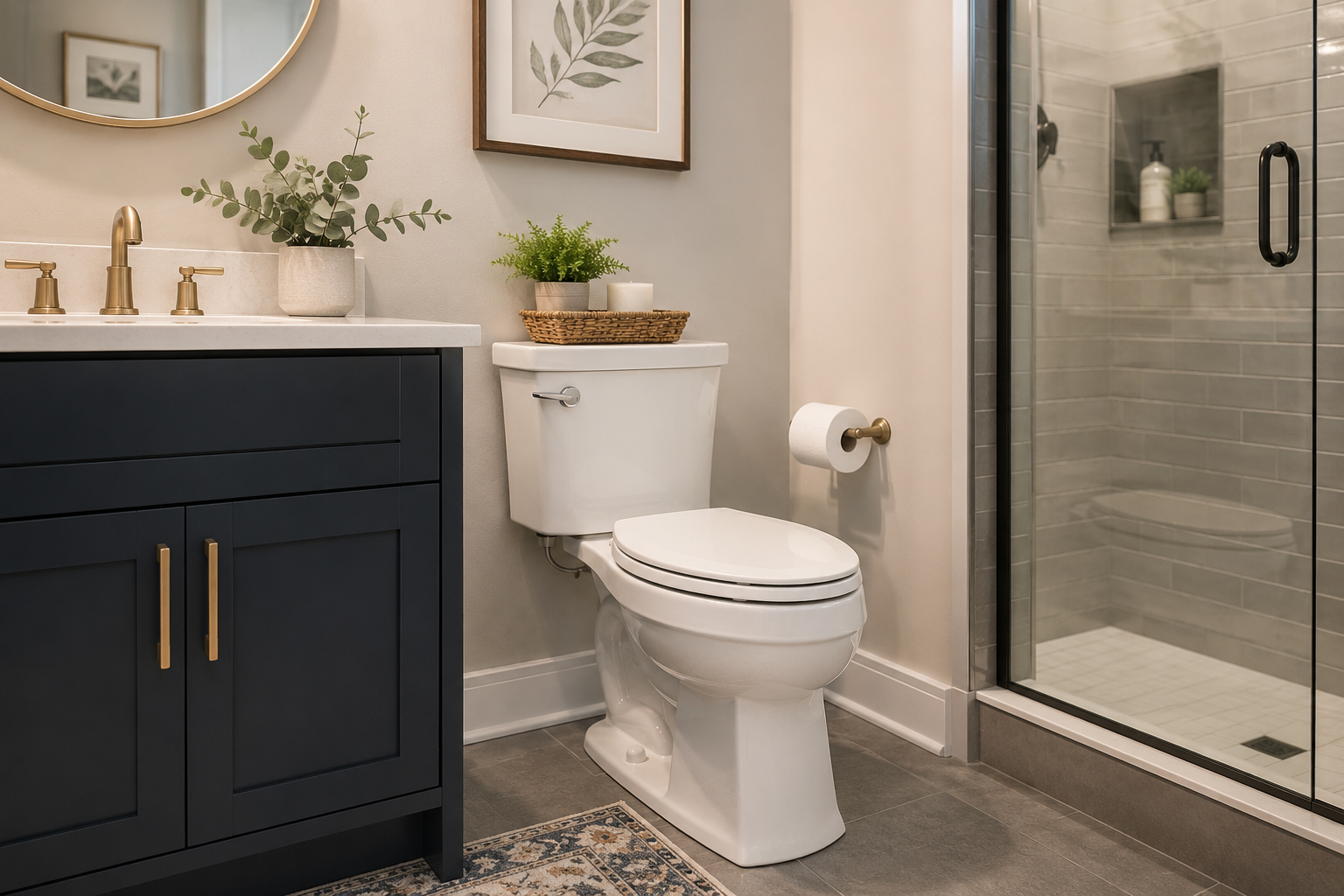
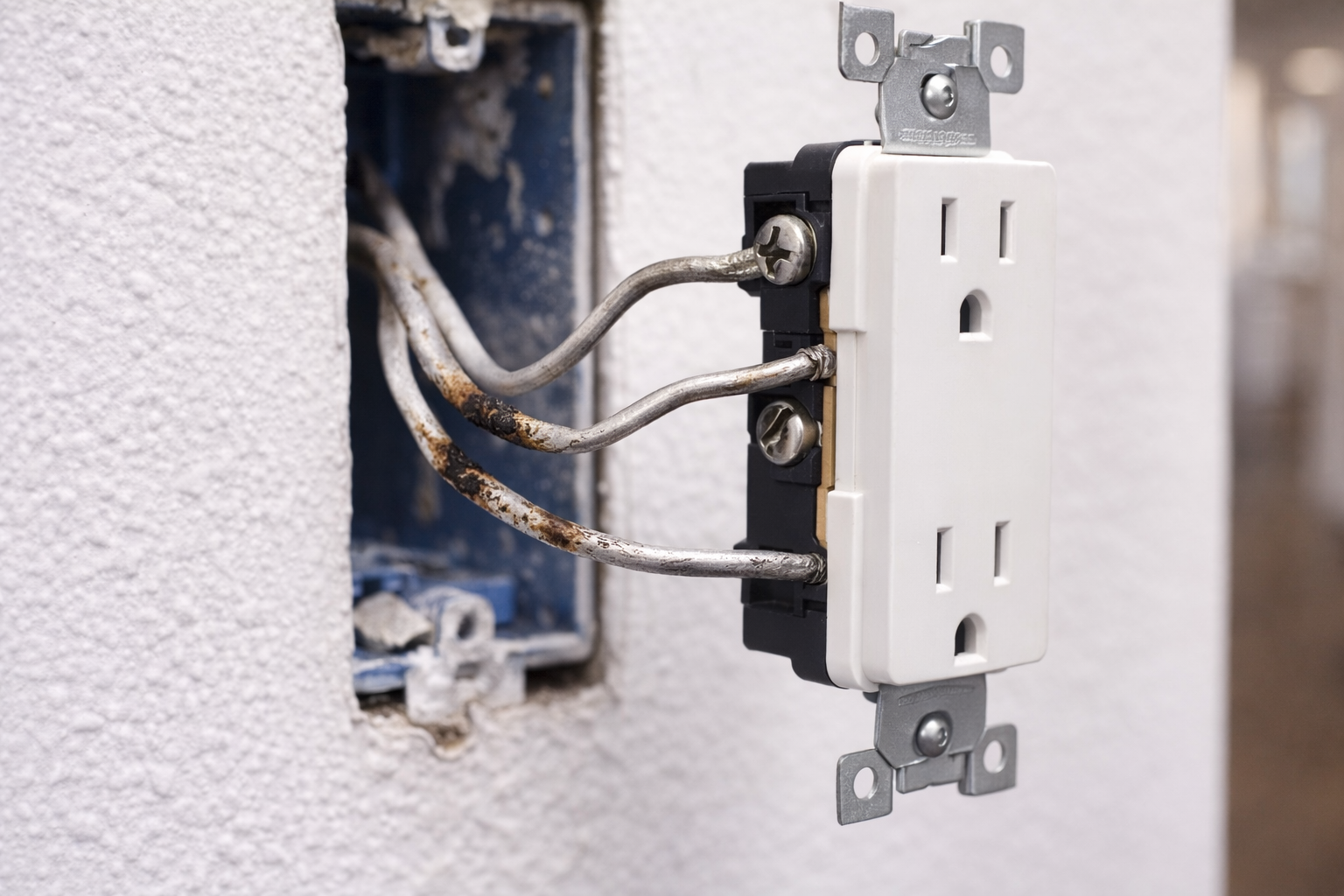
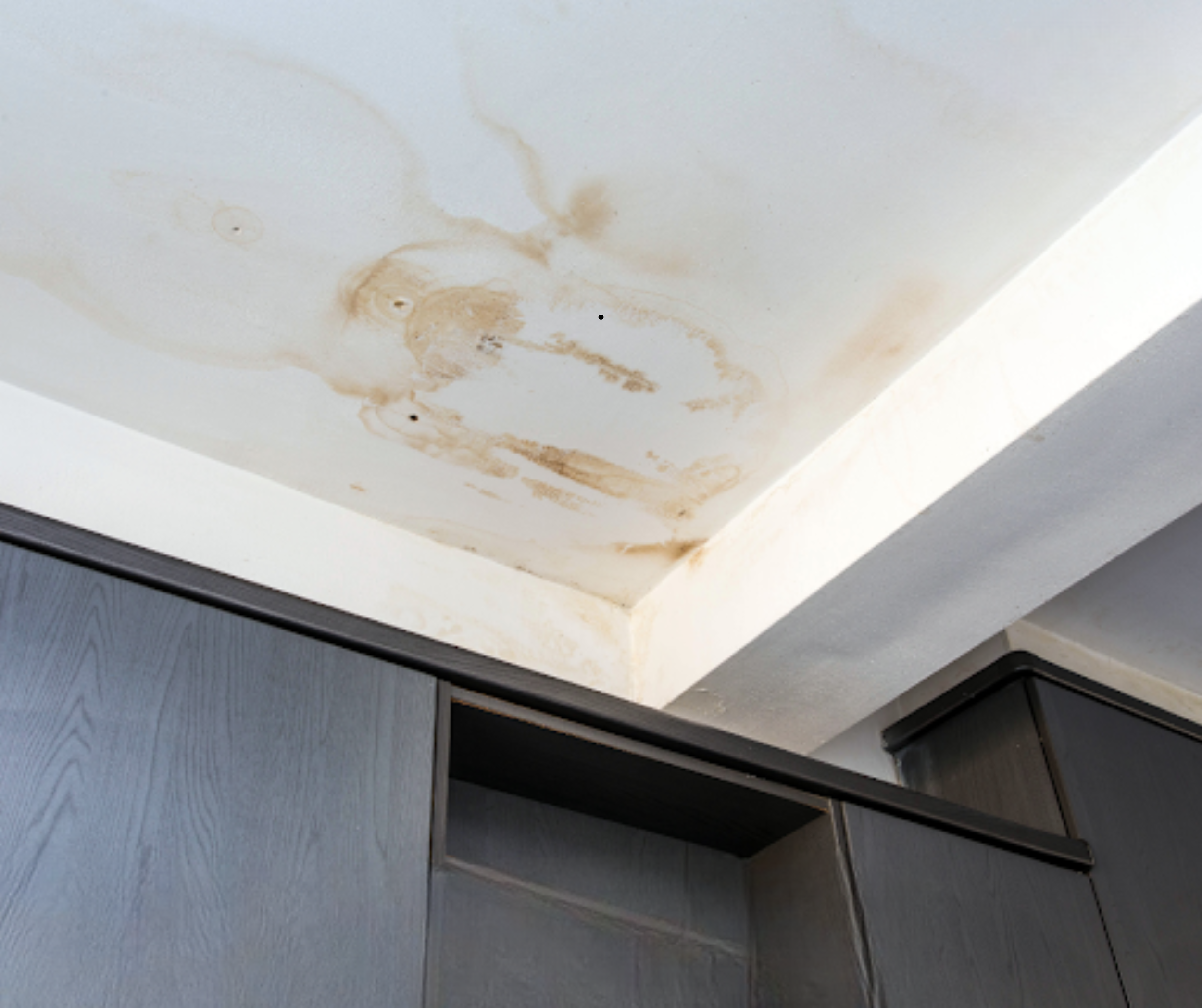









That tiny drip under the sink or mysterious stain on the ceiling might not seem urgent, but small plumbing leaks can quietly cause significant damage over time. Here are five leaks worth watching for, the warning signs you shouldn’t ignore, and how catching them early could save you from a much bigger repair bill.