
15 Kitchen Renovation Myths Every Homeowner Should Know (And the Truth Behind Them)
/
If you've ever spent time researching kitchen renovations, you've probably noticed one thing: everyone has an opinion.
Friends offer advice based on their own renovation. Family members swear by products they've had for years. Social media is full of "must-have" features, and home improvement shows make even the most complicated renovations look like weekend projects.
The problem is that many of the so-called "rules" homeowners hear are only partially true.
After more than 36 years of renovating kitchens throughout Durham Region and the GTA, we've heard just about every renovation myth imaginable. Some contain a grain of truth. Others may have been accurate twenty years ago but no longer apply. And some simply refuse to disappear despite causing homeowners unnecessary stress—or expensive mistakes.
Every home is different. Every family uses their kitchen differently. That's why there are very few one-size-fits-all answers when it comes to renovation decisions.
Here are some of the most common kitchen renovation myths we hear, along with what we've learned from decades of real-world experience.
Myth #1: Quartz Countertops Are Indestructible
Quartz has earned a fantastic reputation, and for good reason. It's durable, attractive, non-porous, and requires very little maintenance compared to natural stone.
But "durable" and "indestructible" are not the same thing.
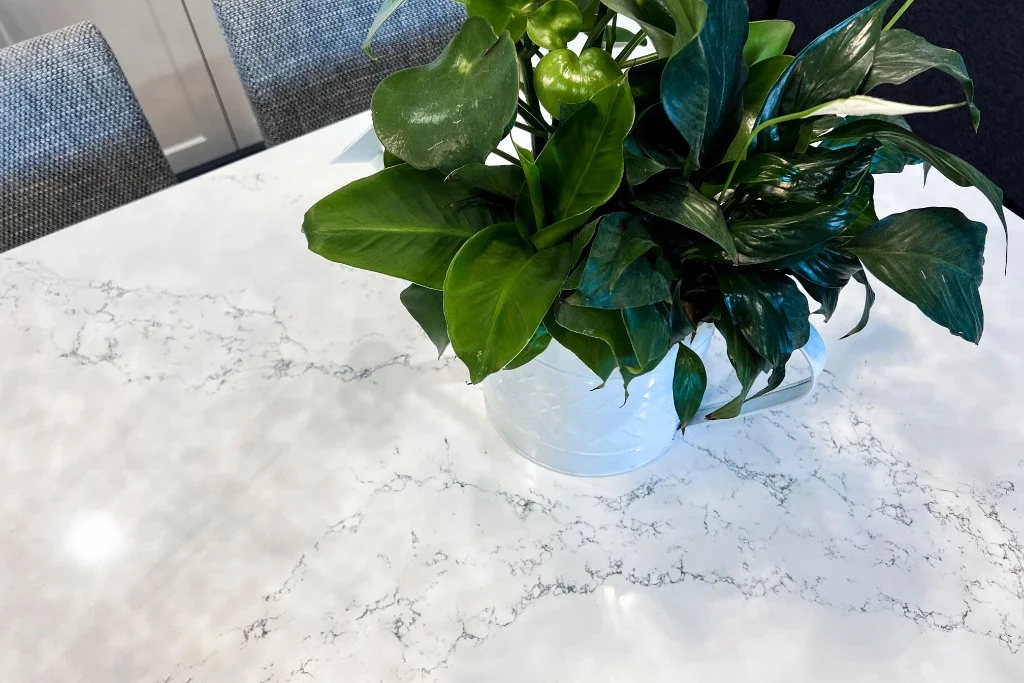
One of the biggest misconceptions we hear is that quartz can withstand absolutely anything. Unfortunately, that's simply not true.
Although quartz is highly resistant to scratches during normal everyday use, it's still possible to chip an edge if something heavy strikes it in just the wrong spot. Likewise, while quartz is heat resistant, placing a scorching-hot frying pan or baking dish directly on the surface can sometimes damage the resins that bind the material together. It can even cause the countertop to crack, called thermal shock.
Many manufacturers recommend using trivets or hot pads—not because the countertop is fragile, but because extreme temperatures can permanently affect the finish.
The good news is that most homeowners will never experience these issues if they use their countertops the way they're intended to be used.
The takeaway isn't that quartz is a poor choice. Quite the opposite.
If someone asked us to recommend one of the most practical countertop materials available today, quartz would almost certainly be at the top of the list. It simply helps to understand that no countertop material is completely maintenance-free.
The best renovation decisions come from knowing both the strengths and the limitations of every product.
For more information, check out our blog, How to Care For Your Quartz Countertop.
Myth #2: Open Shelving Is Cheaper Than Cabinets
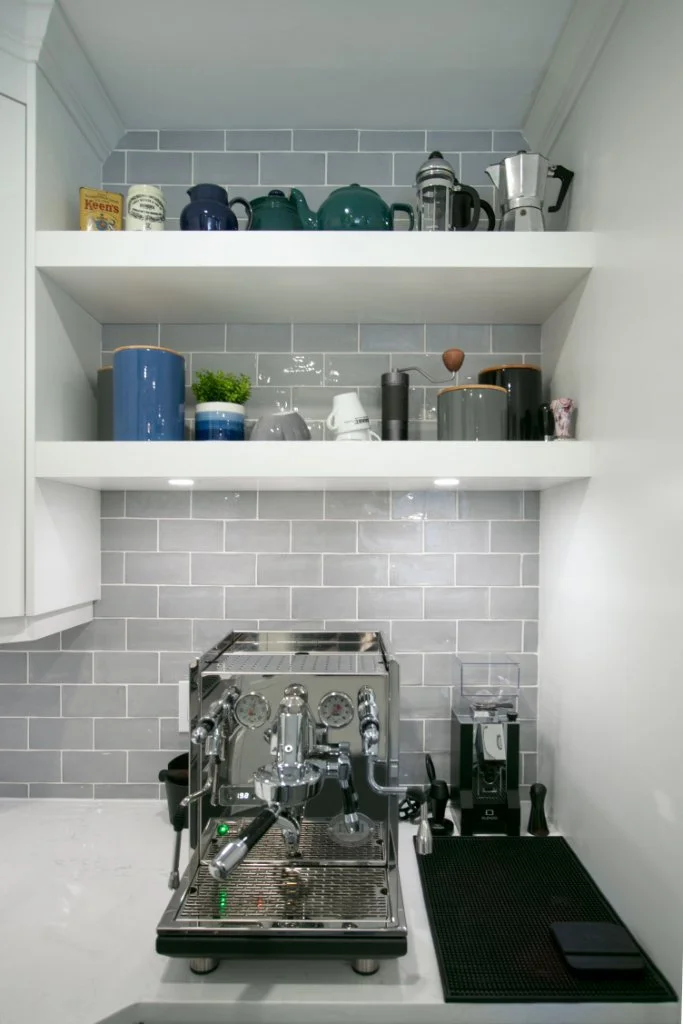
Open shelving has become incredibly popular over the past decade. It creates an airy, modern look and gives homeowners an opportunity to display attractive dishes, glassware, cookbooks, or decorative accessories.
Because shelves are smaller than cabinets, many people assume they're automatically less expensive.
Sometimes they are.
Sometimes they aren't.
The cost of a kitchen isn't determined by one component alone.
For example, removing upper cabinets often means the wall behind them needs additional drywall repairs, painting, or tile work because those areas were never intended to be visible. Quality floating shelves can also be surprisingly expensive, particularly when they're built from solid hardwood and require concealed support brackets capable of carrying significant weight.
Then there's the practical side.
Unlike cabinets, open shelves don't hide everyday clutter.
Every mug, cereal bowl, mixing bowl, spice jar and coffee cup becomes part of your kitchen's décor. That works beautifully for some families. For others, it quickly becomes another surface that needs constant organizing and dusting.
We've also found that many homeowners underestimate how much enclosed storage they actually use until it's gone.
Open shelving certainly has its place. In the right kitchen, it can look fantastic.
We simply encourage homeowners to think about how they actually live before assuming it's automatically the less expensive—or better—option.
Want to learn more about open shelving? Check out Maximizing Your Kitchen Space: 5 Benefits of Open Shelving
Myth #3: Doing It Yourself Always Saves Money
We love homeowners who enjoy tackling projects themselves.
In fact, there are many renovation tasks that can absolutely save money if you have the right skills, the proper tools, and enough time.
Painting is often one example.
Demolition can sometimes be another.
Even installing simple accessories after the renovation is complete can be a rewarding DIY project.
The myth isn't that DIY can save money.
The myth is that it always saves money.
Unfortunately, we've also been called in after projects where small mistakes became expensive repairs.
A cabinet installed slightly out of level may not seem like a big deal until every countertop seam becomes visible.
Incorrect measurements for new cabinetry can delay an entire renovation.
Poorly installed flooring can develop movement, squeaks or gaps.
A plumbing connection that appears perfectly tight can create a slow leak hidden behind a cabinet for weeks before anyone notices.
Tile is another common example.
Installing tile isn't necessarily difficult. Installing it so that the layout is balanced, the grout lines remain consistent, the cuts are evenly distributed, and everything finishes neatly around corners and cabinets requires considerably more experience.
The cost of replacing damaged materials often exceeds what the professional installation would have cost in the first place.
That doesn't mean homeowners shouldn't tackle projects they're comfortable with.
It simply means it's worth being realistic about which parts of the renovation are good DIY candidates and which ones benefit from professional experience.
Sometimes the least expensive renovation is the one that's done correctly the first time. Learn more at DIY vs. Hiring a Professional: Knowing When to Call in the Experts
Myth #4: Keeping the Same Layout Always Saves Money
This myth actually contains a fair bit of truth—but it's not the whole story.
In many cases, keeping your sink, stove and refrigerator in roughly the same locations can reduce renovation costs. Moving plumbing, electrical wiring, gas lines or ductwork usually adds labour and material costs, so it's understandable why many homeowners assume the existing layout is the best choice.
But here's the question we like to ask:
Does your current kitchen actually work well for you?
If you've been bumping into family members for years, struggling with a lack of counter space, or constantly walking back and forth across the room while preparing meals, keeping the same layout simply because it's cheaper may not be the best investment.
We've worked with homeowners who had accepted the shortcomings of their kitchens for years because they assumed there wasn't another option. Then, with a few thoughtful layout changes, their kitchen suddenly became easier to cook in, easier to entertain in, and much more enjoyable to use every day.
Sometimes that means relocating an appliance.
Sometimes it's removing a wall to create better flow.
Other times it's as simple as widening a walkway, repositioning an island, or rethinking where the refrigerator belongs.
Those changes may increase the renovation budget slightly, but they can dramatically improve how the space functions for the next 15 or 20 years.
On the other hand, if your current layout already works well, keeping it may be the smartest decision you can make. Every renovation is different, and there's no prize for moving plumbing if it doesn't improve the end result.
The goal isn't to change things for the sake of change.
It's to create a kitchen that works better for the people who use it every day.
Myth #5: Bigger Kitchens Are Always Better
When homeowners start dreaming about a new kitchen, it's easy to assume that more space automatically means a better kitchen.
Sometimes that's true.
But not nearly as often as people think.
We've seen relatively small kitchens that were incredibly efficient because every inch had been carefully planned. We've also seen large kitchens with long stretches of unused space, awkward traffic patterns, and storage that was difficult to reach.
A bigger kitchen doesn't automatically solve design problems.
In fact, if it's poorly planned, it can create new ones.
Think about how you use your kitchen.
When you're preparing dinner, you probably move between the refrigerator, sink, prep area and stove dozens of times. If those work areas are spread too far apart, even a beautiful kitchen can become tiring to use.
The same goes for entertaining.
A kitchen that allows family and guests to gather comfortably without blocking the cook often feels much more spacious than one with extra square footage but poor traffic flow.
Storage plays a role as well.
Adding another bank of cabinets may seem like the answer, but if they're deep, difficult to access or poorly organized, you'll likely end up storing items you rarely use while your everyday essentials still clutter the countertops.
We've often found that improving storage design and workflow makes a kitchen feel significantly larger without adding a single square foot.
That's why we encourage homeowners to think beyond size.
A well-designed kitchen isn't measured by its dimensions—it's measured by how comfortably and efficiently it supports everyday life.

Myth #6: Soft-Close Drawers and Cabinets Are Just a Luxury
At first glance, this myth makes perfect sense.
Soft-close hardware seems like one of those "nice-to-have" upgrades that homeowners choose simply because it feels a little more luxurious.
And yes, there's certainly something satisfying about drawers that close smoothly instead of slamming shut.
But the benefits go beyond convenience.
Every time a cabinet door or drawer slams shut, stress is transferred to the hinges, drawer slides, screws and cabinet frame. Over time, that repeated impact contributes to wear and tear.
Soft-close hardware helps reduce that stress by slowing the movement before the drawer or door reaches the cabinet.
It also makes everyday life noticeably quieter.
If you've ever had someone unloading the dishwasher late at night while the rest of the family is asleep, you'll appreciate the difference.
For families with young children, soft-close drawers can also help reduce the likelihood of little fingers getting pinched, although they shouldn't be considered a substitute for proper supervision.
Perhaps the biggest reason we recommend soft-close hardware is that it's one of those upgrades homeowners rarely regret.
Unlike trendy finishes that may fall out of style, quality hardware continues to improve the way your kitchen functions every single day.
Myth #7: More Cabinets Mean More Storage
If you've ever walked into an older kitchen and thought, "We just need more cabinets," you're certainly not alone.
It's one of the most common requests we hear during consultations.
And while adding cabinetry can increase storage, it's often not the real solution.
The truth is that better storage is usually more important than more storage.
Think about the lower cabinets in many older kitchens. They often have a single shelf, leaving homeowners on their hands and knees searching for the mixing bowl that's somehow made its way to the very back. Corner cabinets become black holes where small appliances disappear, and deep cabinets quickly fill with items that are difficult to reach.
Now compare that to a kitchen with well-designed storage.
Deep drawers make it easy to see pots, pans and lids at a glance. Pull-out pantry shelves bring everything within easy reach. Vertical dividers keep baking sheets and cutting boards organized. Waste and recycling bins stay hidden but accessible. Even a narrow cabinet beside the stove can become the perfect place to store spices or cooking oils.
The amount of storage may not have changed dramatically, but the way it's organized has.
That's the difference.
We've had homeowners tell us they actually have fewer cabinets after their renovation, yet they somehow have more usable storage because every cabinet was designed with purpose.
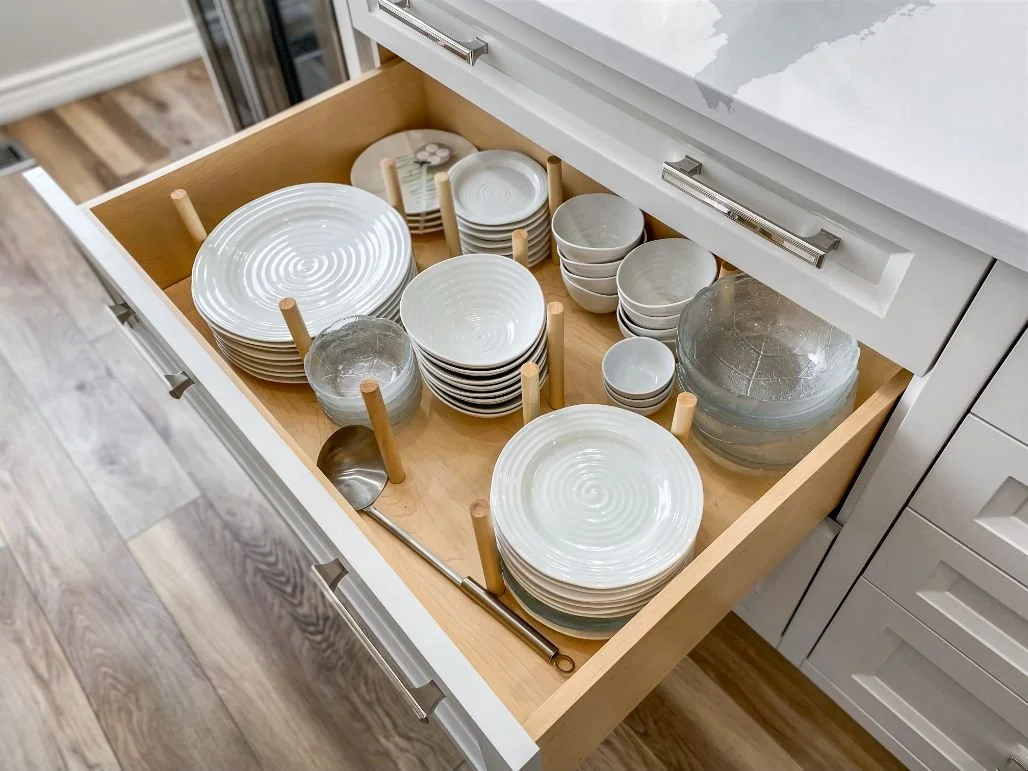
When planning your kitchen, don't focus solely on the number of cabinets.
Instead, ask yourself:
Will I be able to reach everything comfortably?
Can I see what I own without digging?
Does this storage match the way I actually cook and live?
A thoughtfully designed kitchen makes better use of every inch.
Looking for more kitchen storage ideas? Here are a few of our other articles that explore clever storage solutions, organization tips and ways to make every inch of your kitchen work harder.
The One Kitchen Upgrade That Changes the Way You Use the Space Everyday
12 Innovative Kitchen Storage Solutions You Haven't Thought Of
11 Smart Kitchen Storage Solutions
Myth #8: You Should Always Buy the Most Expensive Appliances
Walk into almost any appliance showroom and it's easy to be convinced that the premium models are the only worthwhile choice.
They certainly look impressive.
Professional-style ranges, built-in coffee systems, oversized refrigerators and commercial-grade ventilation can all be wonderful features—but they're not automatically the right investment for every homeowner.
When clients ask us about appliances, we usually respond with another question:
"How do you use your kitchen?"
Someone who loves entertaining, bakes every weekend and prepares elaborate family meals has very different needs than someone who mainly cooks simple dinners during the week.
Likewise, a retired couple may prioritize completely different features than a busy family with young children.
The most expensive appliance isn't always the one that delivers the most value.
Sometimes paying more gives you exceptional durability, better performance or features you'll appreciate every day.
Other times you're paying for capabilities you'll rarely, if ever, use.
For example, if you rarely bake, does a professional-grade oven with every imaginable cooking mode make sense?
If your family mostly uses the microwave to reheat leftovers, would that money be better invested elsewhere?
We've often encouraged homeowners to save on one appliance so they could invest more in better cabinetry, improved lighting or additional storage—upgrades that would have a much greater impact on their everyday experience.
Every Kitchen—and Every Homeowner—is Different
One of the biggest lessons we've learned over the years is that there are very few "one-size-fits-all" answers in kitchen design. What works beautifully in one home may not be the right solution for another.
If you're planning a kitchen renovation and would like honest, practical advice tailored to your home, we'd be happy to help. Contact Multi Trade Building Services to arrange a consultation—we'll help you separate the myths from the solutions that truly make sense for your space.
Myth #9: White Kitchens Never Go Out of Style
White kitchens have been popular for decades, and there's a good reason for that.
They feel bright.
They make spaces appear larger.
They work with almost any decorating style.
So yes, white kitchens are often considered timeless.
But here's the part that people don't always think about:
Not every white kitchen is timeless.
Colour is only one part of the overall design.
Door style, cabinet proportions, lighting, countertops, hardware, backsplash selection and even the architecture of the home all play an important role.
A white kitchen filled with trendy details that are popular today may still look dated ten years from now.
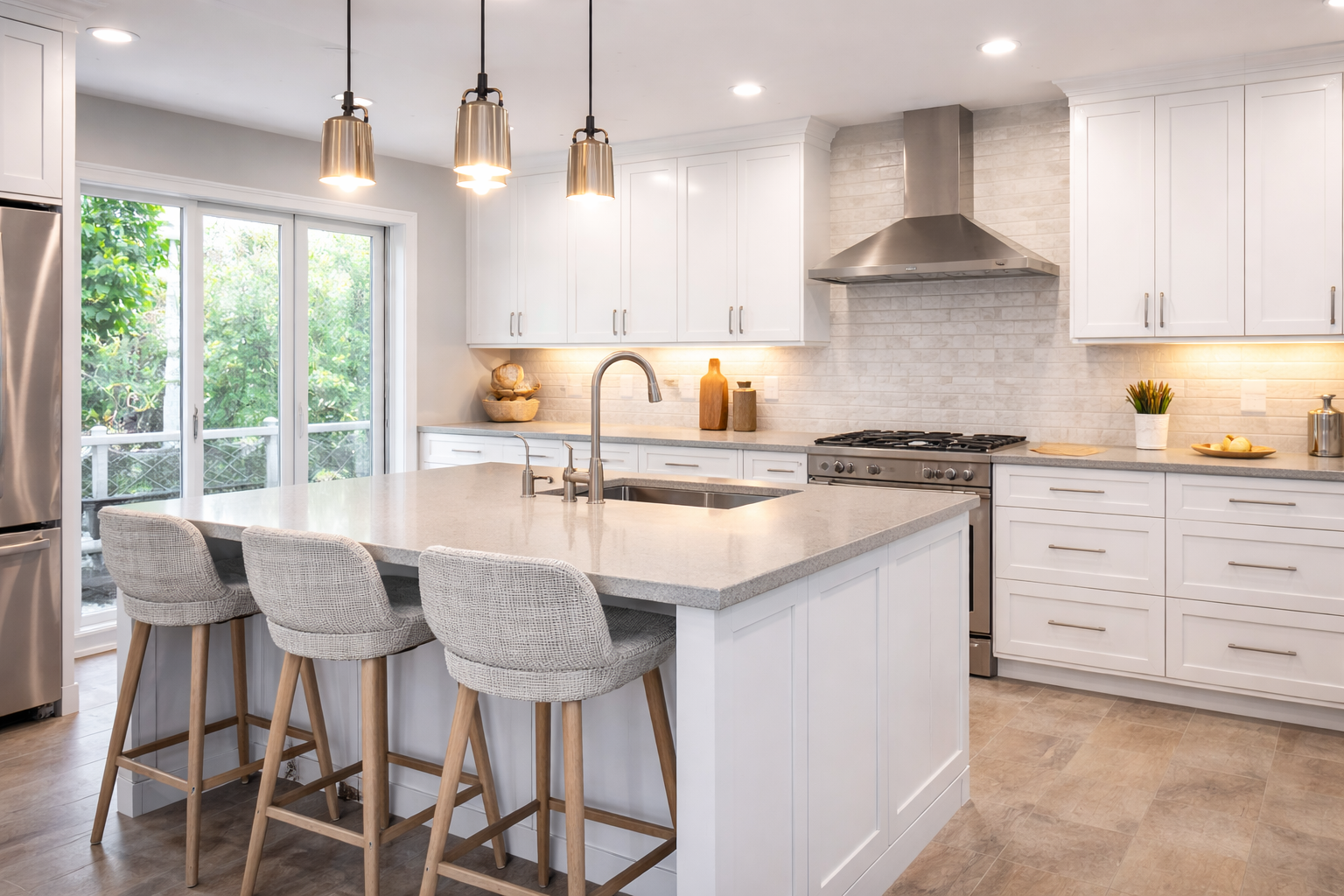
On the other hand, a white kitchen with clean lines, balanced proportions and classic finishes can remain beautiful for decades.
The same principle applies to almost every colour.
We've seen stunning kitchens in warm wood tones, soft greys, rich navy blues and muted greens that have aged beautifully because the overall design was thoughtful and cohesive.
Choose colours and finishes that complement your home, reflect your personal style and create a kitchen you'll genuinely enjoy living in.
We've dedicated an entire article to the enduring appeal of white kitchens. If you're still deciding whether they're the right fit for your home, it's well worth the read: Why White Kitchens Work Even if You Think They're Boring
Myth #10: Once the Cabinets Are Installed, the Renovation Is Basically Finished
It's understandable why homeowners feel this way.
Cabinets are often the most visible part of a kitchen renovation. Once they're installed, the room suddenly starts looking like a kitchen again, and it's exciting to see everything coming together.
But in reality, cabinet installation is more like reaching the final stretch of a marathon than crossing the finish line.
There are still plenty of important steps ahead.
Countertops need to be measured, fabricated and installed. Plumbers return to reconnect sinks, faucets and dishwashers. Electricians install outlets, switches, light fixtures and under-cabinet lighting. The backsplash is completed, trim is installed, walls receive their final touch-ups, and every cabinet door and drawer is carefully adjusted to ensure proper alignment.
These finishing details may seem small individually, but together they're what transform a renovation from "almost done" into beautifully finished.
There's also another phase that many homeowners don't expect: the punch list.
Even on a well-managed renovation, it's normal for a few minor adjustments to be needed once everything is installed. A cabinet door may require a slight adjustment. A drawer might need fine-tuning. A small paint touch-up may be necessary after another trade has completed their work.
That's not a sign that something has gone wrong.
It's simply part of delivering a quality finished product.
We've always believed that it's the attention to these final details that separates a good renovation from a great one.
Anyone can install cabinets.
Taking the time to ensure everything fits properly, operates smoothly and looks exactly the way it should—that's where craftsmanship really shows.
Myth #11: The Most Expensive Option Is Always the Best
This may be the biggest myth of them all.
Many homeowners assume that if something costs more, it must automatically be better.
Sometimes that's true.
Sometimes it's not.
Over the years, we've seen clients spend thousands of dollars on premium upgrades they absolutely loved because those features fit the way they lived.
We've also seen homeowners invest heavily in products they rarely used, while overlooking smaller upgrades that would have made a much bigger difference in their everyday lives.
The smartest renovation budgets aren't necessarily the largest ones.
They're the ones that are thoughtfully prioritized.
For example, if your cabinet boxes are solid and your budget is limited, investing in better storage accessories may provide more value than upgrading to an ultra-premium cabinet line.
If your kitchen has poor lighting, adding layered lighting and under-cabinet lighting may improve the space more than choosing a more expensive countertop.
If your family spends every evening cooking together, investing in additional prep space could make a greater difference than purchasing professional-grade appliances with features you'll never use.
It's all about understanding where your money will have the greatest impact.
Myth #12: Every Kitchen Needs an Island
Kitchen islands have become one of the most requested features in modern renovations.
It's easy to see why. They provide additional workspace, extra storage and a natural gathering place for family and friends.
But that doesn't mean every kitchen should have one.
In some homes, adding an island actually creates more problems than it solves.
If the room is too small, an island can make walkways feel cramped and awkward. Appliance doors may not open fully, multiple people can't comfortably work in the space at the same time, and what should have improved the kitchen ends up making it feel crowded.
We've occasionally recommended against installing an island—not because we don't like them, but because the room simply wasn't large enough to support one properly.
One project in particular comes to mind. Our client had her heart set on including an island, even though her kitchen wasn't especially large. We had already redesigned the space to include upgraded perimeter cabinetry, a dedicated coffee nook and a European-style laundry area. No matter how we arranged it—or how small we made the island—it simply made the kitchen feel cramped and restricted the flow through the room. We gently encouraged her to consider going without it, and although she was hesitant at first, she agreed. By the time the renovation was complete, she told us she was so glad she hadn't insisted on the island. The kitchen felt open, functional and much more enjoyable to use than it ever would have with an island squeezed into the middle.
Myth #13: Renovate for Resale, Not for Yourself
There's certainly nothing wrong with considering resale value.
A well-designed kitchen is one of the best investments you can make in your home.
But if you plan to live in your house for another ten or fifteen years, resale shouldn't drive every decision.
We've met homeowners who avoided colours they loved, skipped practical storage features, or settled for layouts they didn't enjoy because they were worried about what a future buyer might think someday.
The reality is that you'll be the one living with those decisions every day.
Choose quality materials.
Avoid extremely trendy finishes that may date quickly.
But don't be afraid to create a kitchen that reflects your lifestyle.
If you love baking, design around baking.
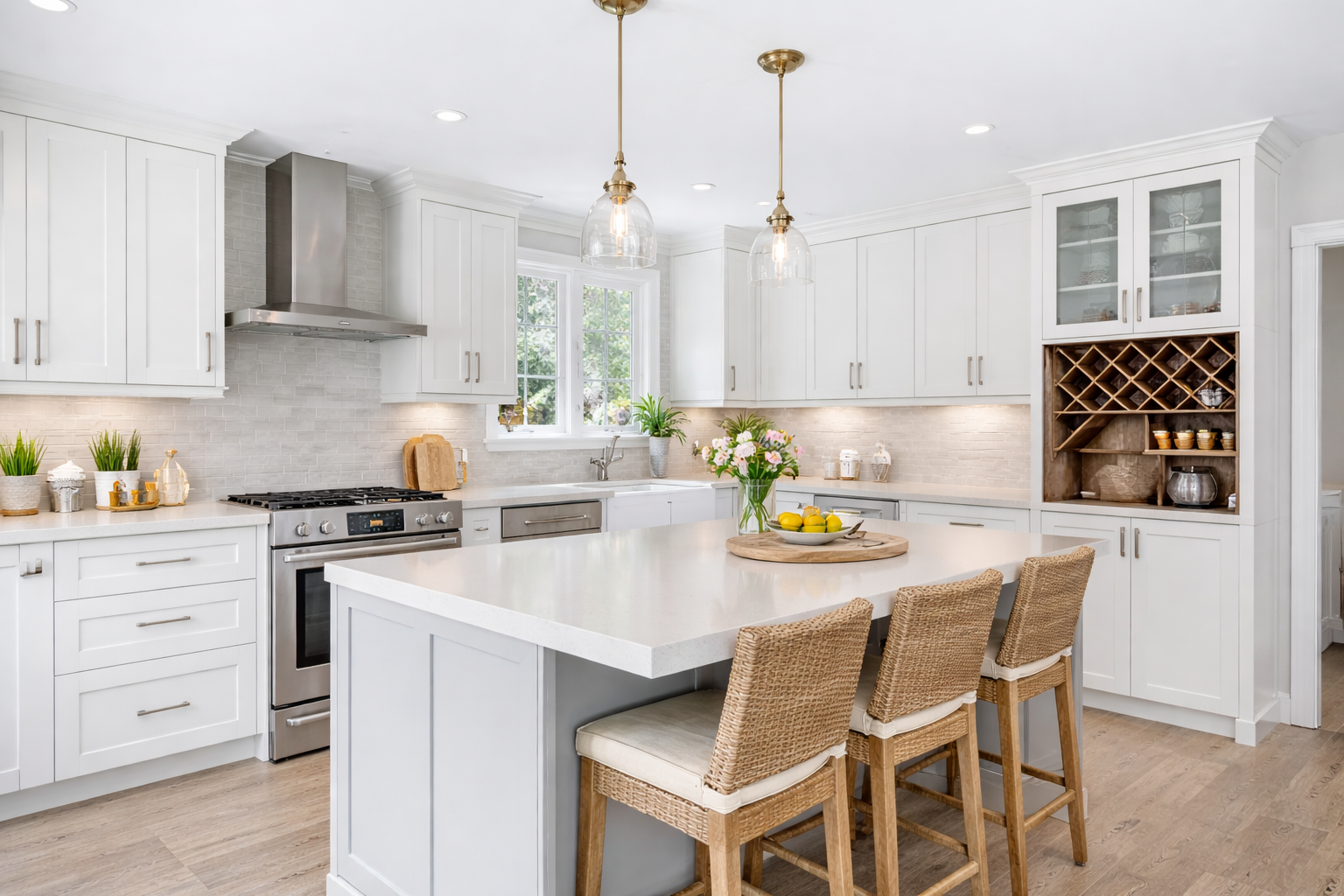
If your family gathers around the kitchen every evening, prioritize seating and conversation space.
If accessibility is becoming more important, invest in features that make daily life easier.
Future buyers matter.
But so do the thousands of meals you'll prepare before you ever decide to sell.
Want to learn a bit more? Check out The Impact of a Kitchen Renovation on Home Value
Myth #14: Laminate Countertops Are Cheap—in Every Sense of the Word
For years, laminate earned a reputation as the "budget" option.
Today's laminate countertops tell a very different story.
Modern manufacturing has dramatically improved both their appearance and their durability. Many designs convincingly mimic stone or wood, and today's edge profiles are far more attractive than the laminate countertops many of us remember from decades ago.
Does laminate have limitations?
Absolutely.
It's generally more susceptible to scratching, excessive heat and water damage than quartz.
But it's also significantly more affordable, making it an excellent choice for many homeowners.
We've worked with clients who chose laminate not because it was all they could afford, but because it fit their priorities.
Perhaps they'd rather invest the savings in custom cabinetry, improved lighting or better appliances.
There's nothing wrong with that.
A successful renovation isn't about choosing the most expensive material in every category.
It's about balancing your budget in a way that delivers the greatest overall value.
If you'd like a more in-depth look at today's laminate countertops and how they compare to other options, we've dedicated an entire article to the topic: Laminate Countertops: The Stylish Comeback No One Saw Coming
Myth #15: You Should Decide on Finishes Before Planning the Kitchen
This is one of the biggest mistakes we see.
Many homeowners fall in love with a cabinet colour, countertop or backsplash long before they've finalized the layout.
While it's certainly fun to look at finishes, they're really the finishing touches.
The foundation of every successful kitchen renovation is thoughtful planning.
Before choosing paint colours or cabinet hardware, it's worth asking questions like:
Does the layout work for the way we cook?
Do we have enough storage?
Is there enough countertop space where we actually prepare food?
Is the lighting adequate?
Are there any plumbing or electrical improvements we should make while the walls are open?
Once those questions have been answered, selecting finishes becomes much easier because they'll be supporting a kitchen that's already been designed to function well.
Final Thoughts
Kitchen renovations are filled with advice.
Some of it comes from professionals. Some comes from neighbours, friends or family members who renovated years ago. Some comes from television shows and social media, where projects are compressed into a thirty-minute episode and unexpected challenges are edited out entirely.
The truth is, there are very few absolute rules when it comes to designing the perfect kitchen.
What works beautifully for one family may not work at all for another.
That's why we encourage homeowners to ask questions, gather information and make decisions based on their own lifestyle rather than following trends or believing every piece of advice they hear.
After more than 36 years of renovating homes throughout Durham Region and the GTA, one thing has become very clear to us: the kitchens that homeowners love most aren't necessarily the biggest, the trendiest or the most expensive.
They're the kitchens that have been thoughtfully designed around the people who use them every day.
If you're planning a kitchen renovation and aren't sure which advice to follow, we'd be happy to help. Whether you're renovating a compact galley kitchen or creating your dream family gathering space, our goal is to help you make informed decisions that you'll still be happy with years from now.
Because in the end, the best kitchen isn't the one that impresses your guests for five minutes.
It's the one that makes your everyday life easier for many years to come.

Planning a kitchen renovation? Explore more of our kitchen renovation articles for practical advice, design ideas and expert tips to help you make informed decisions every step of the way.
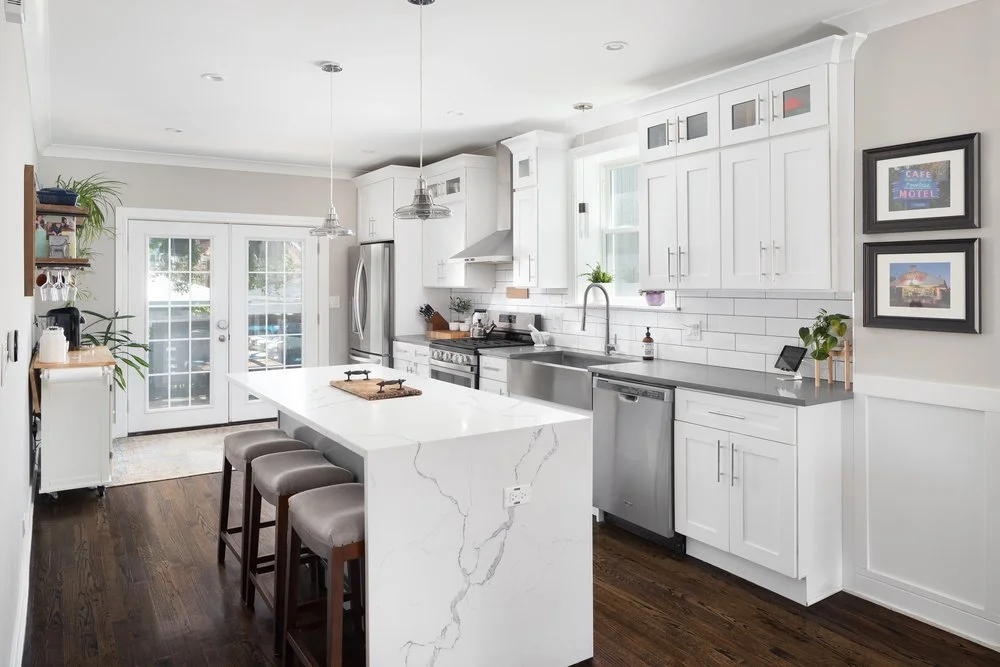
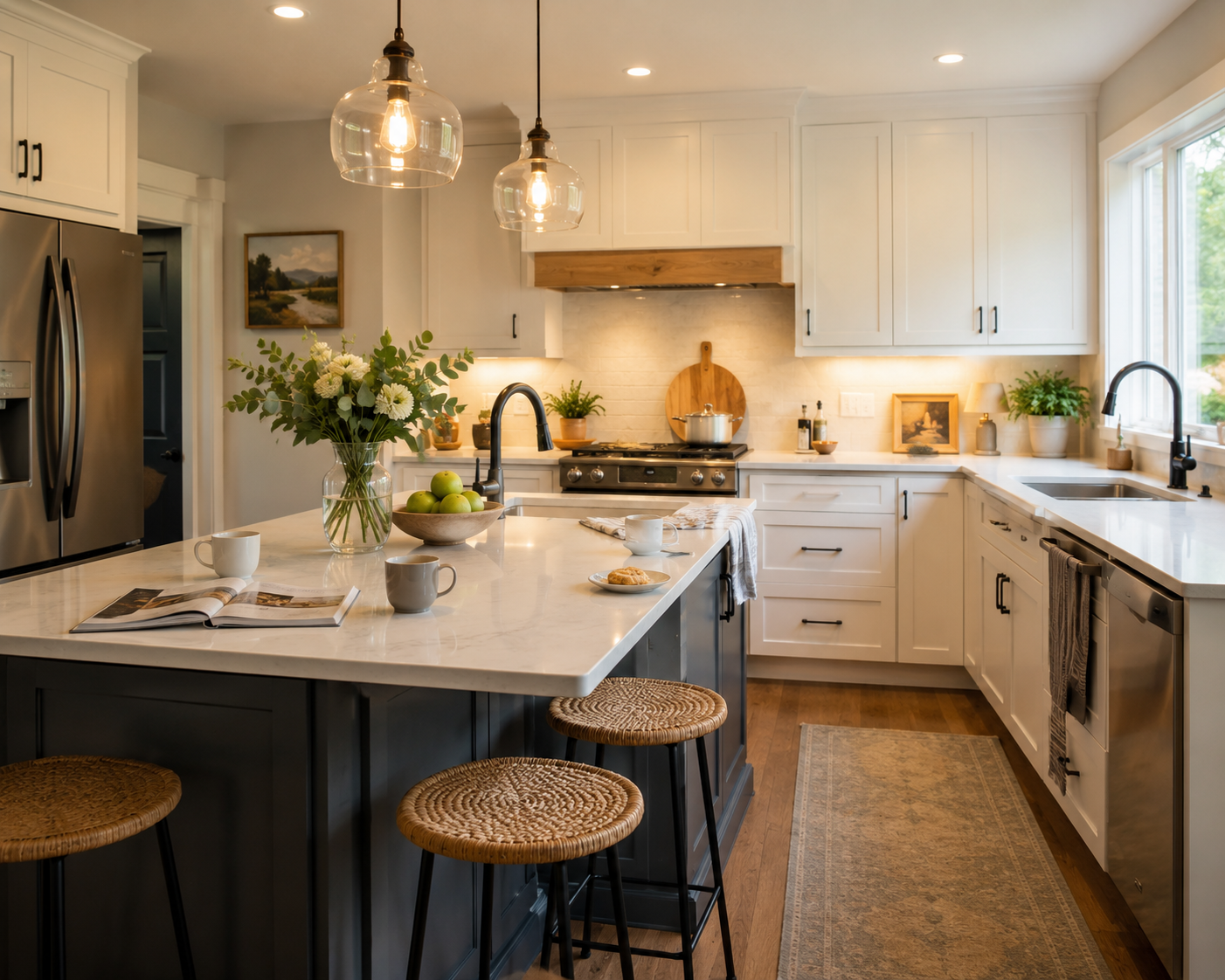
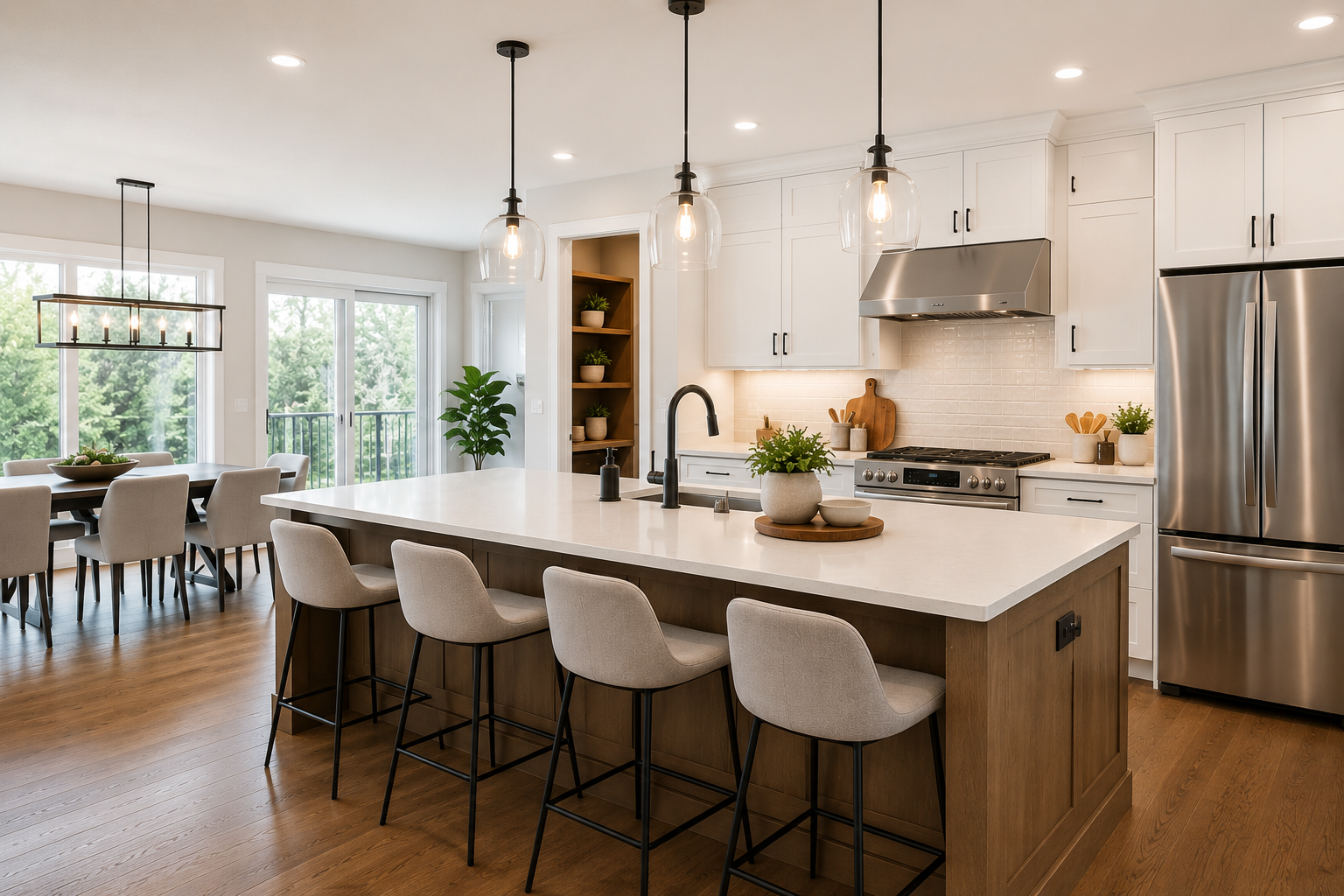
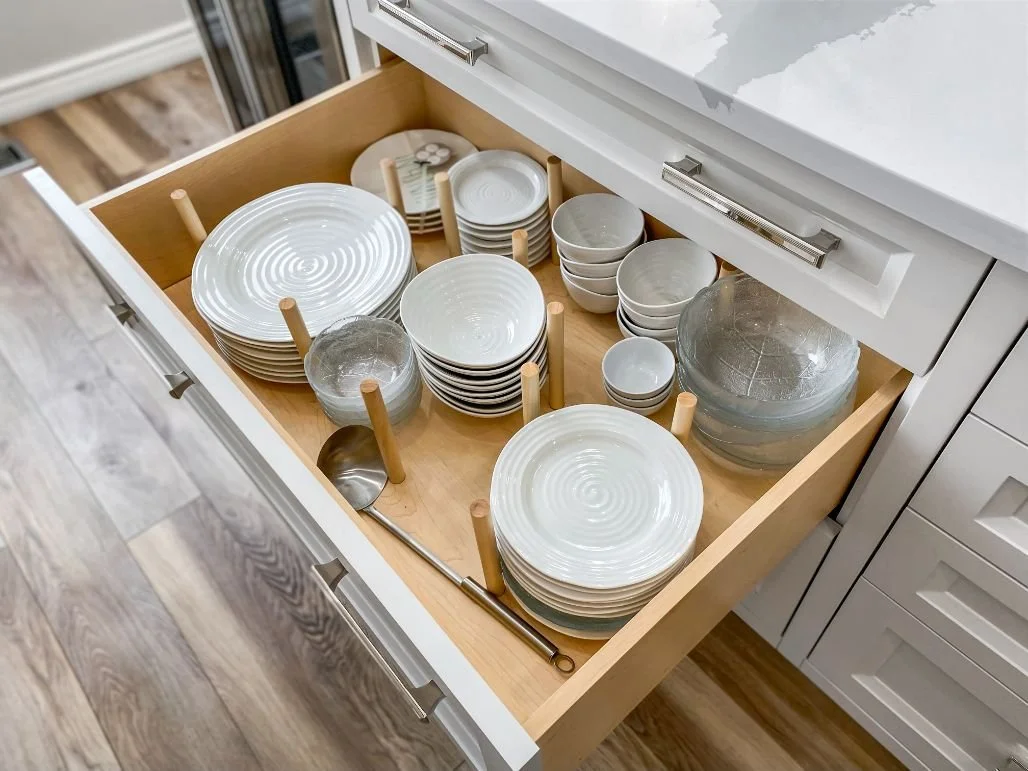
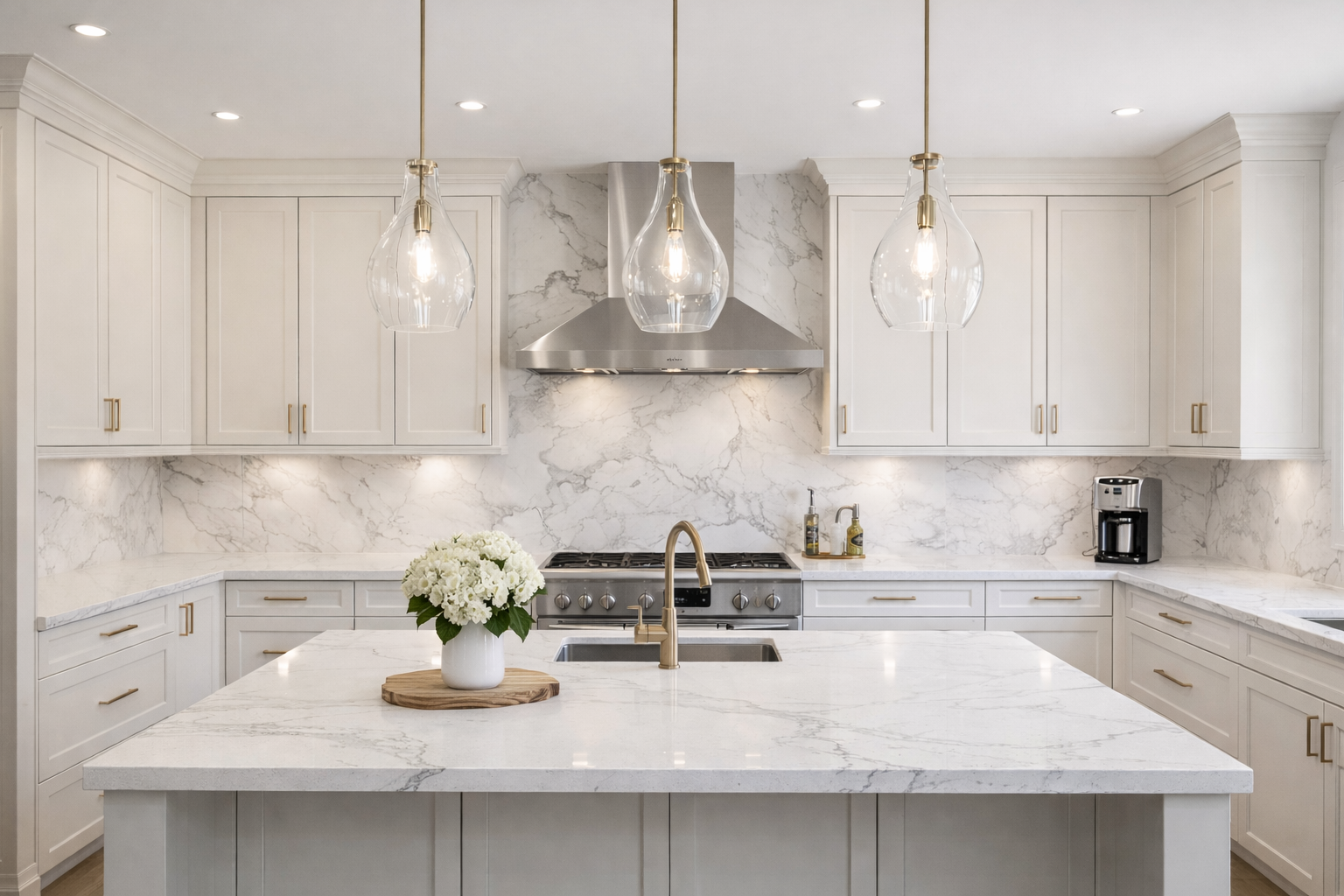
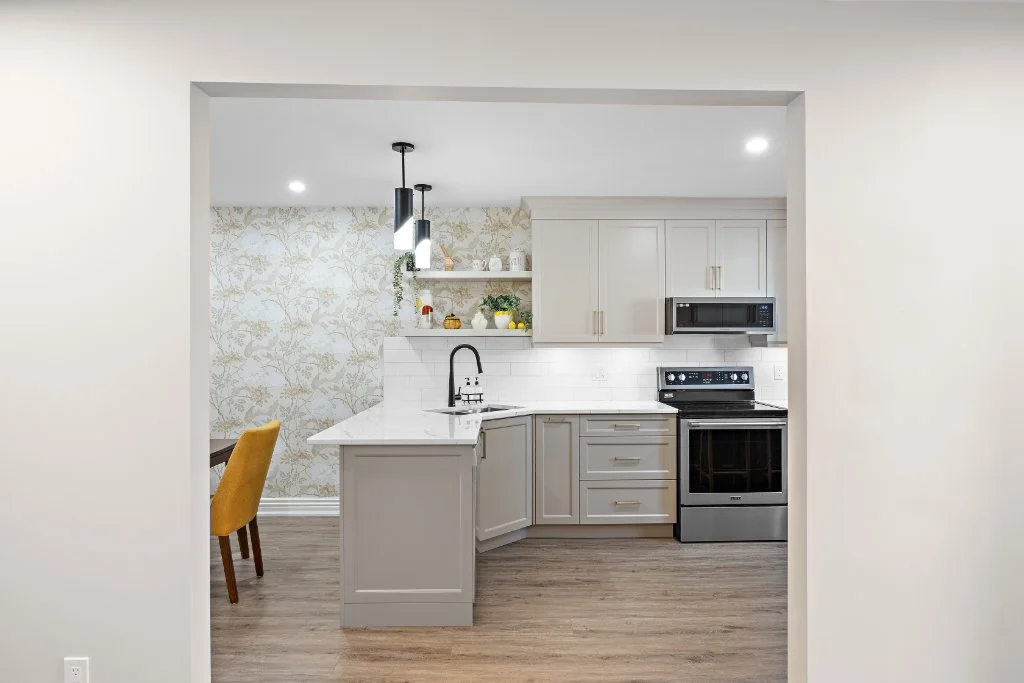
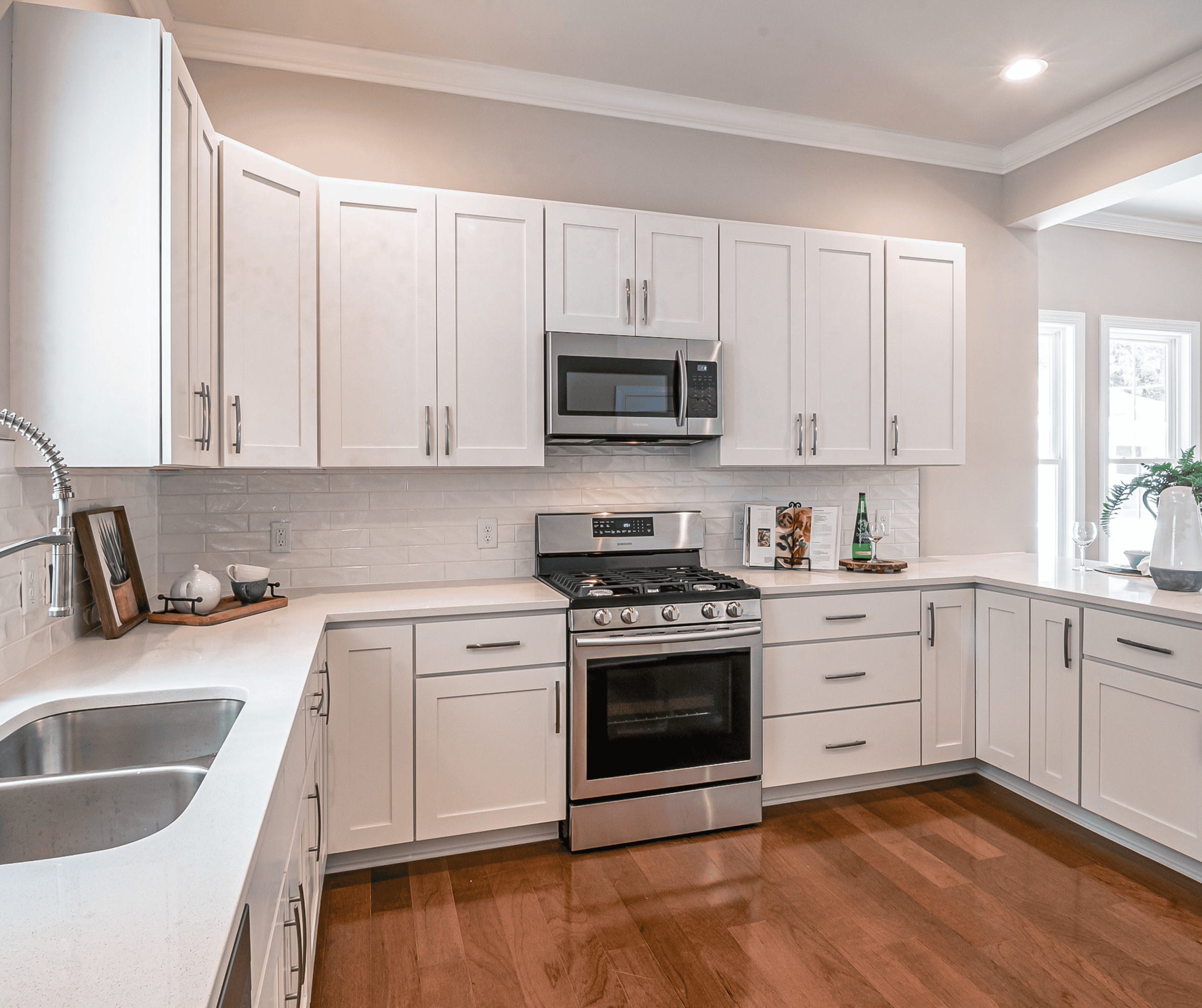
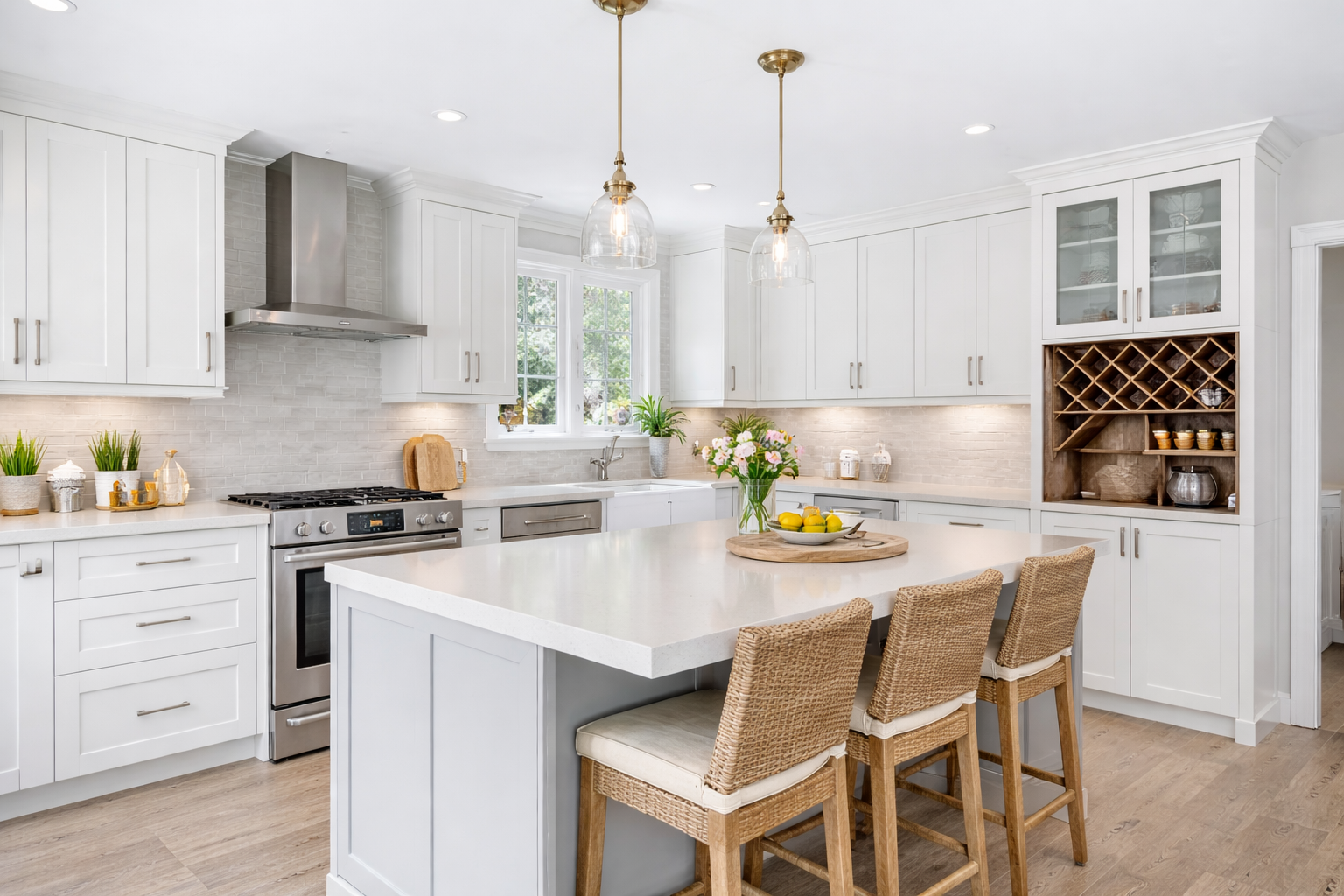
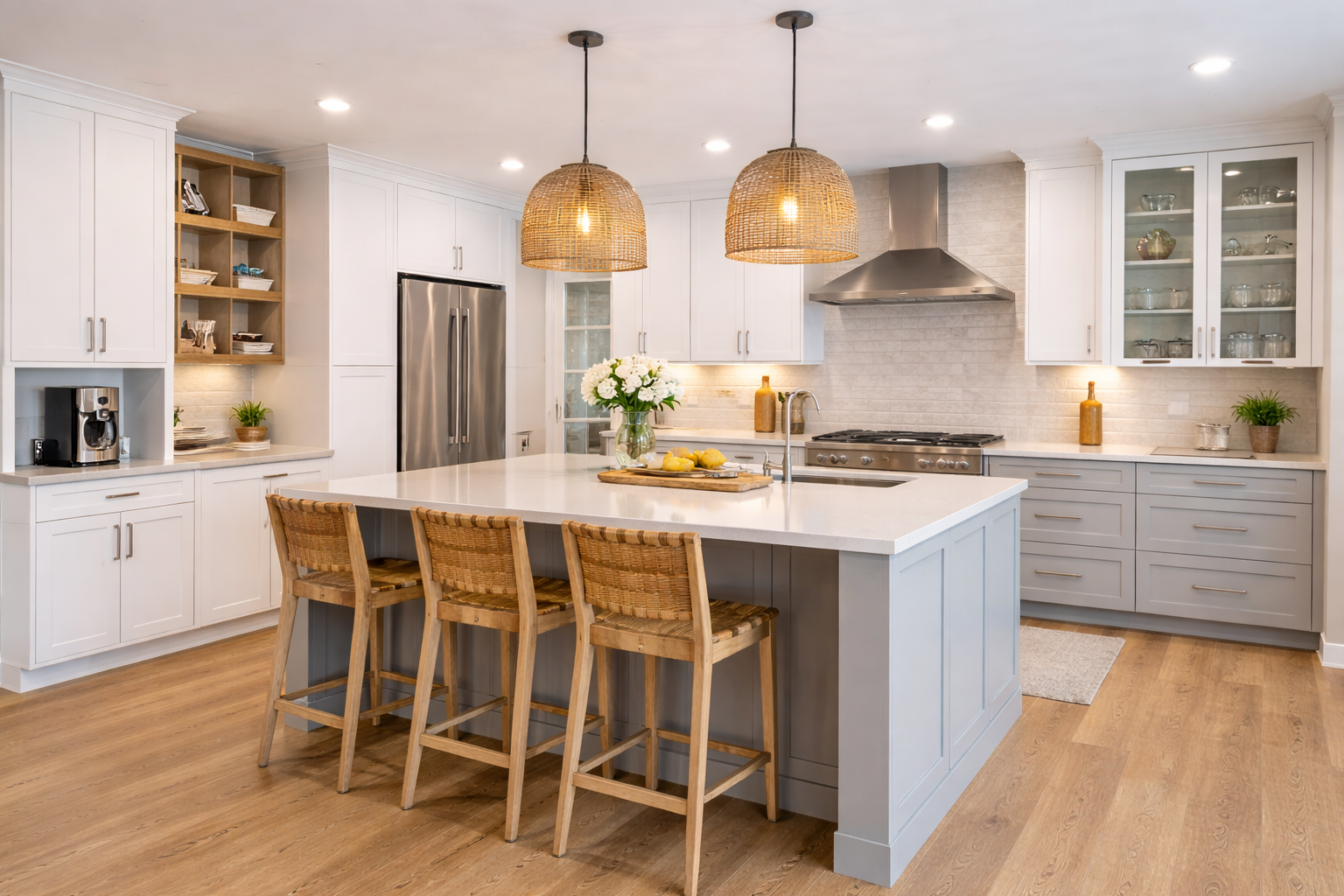
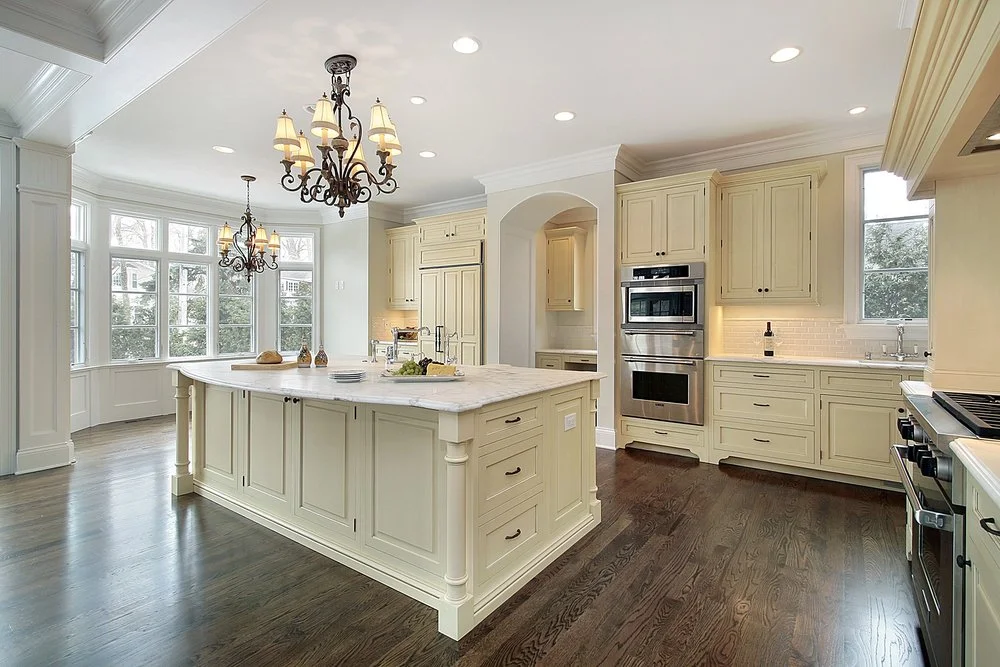
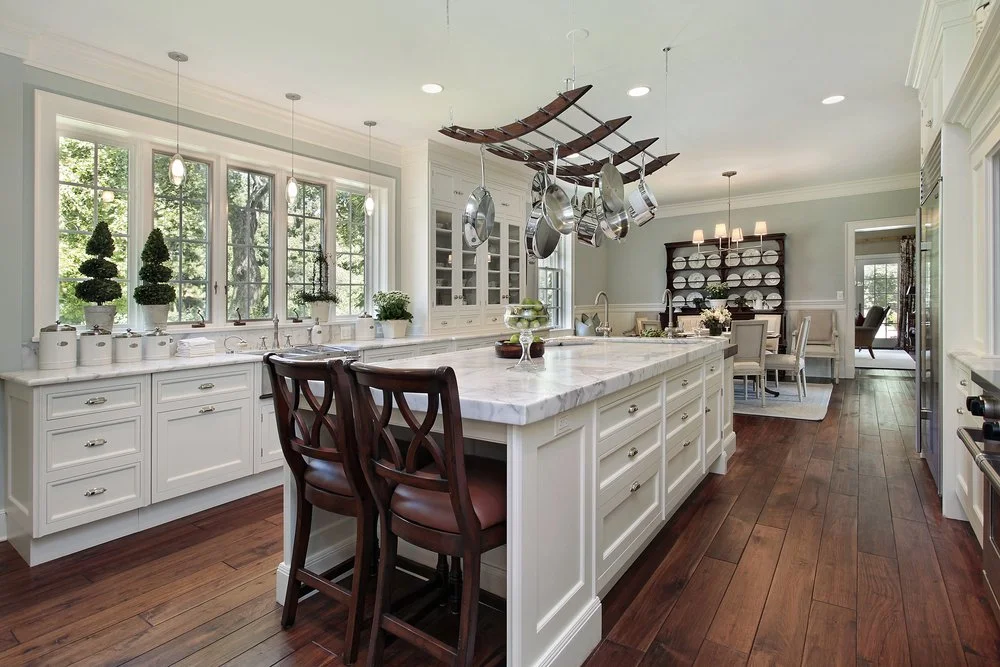


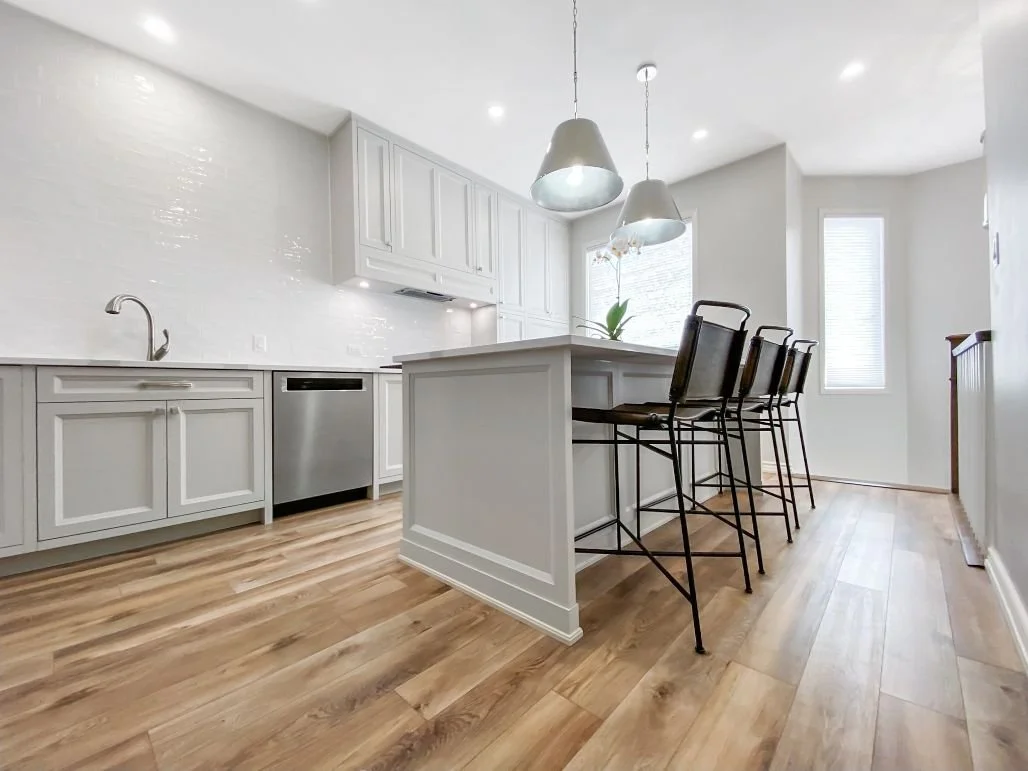

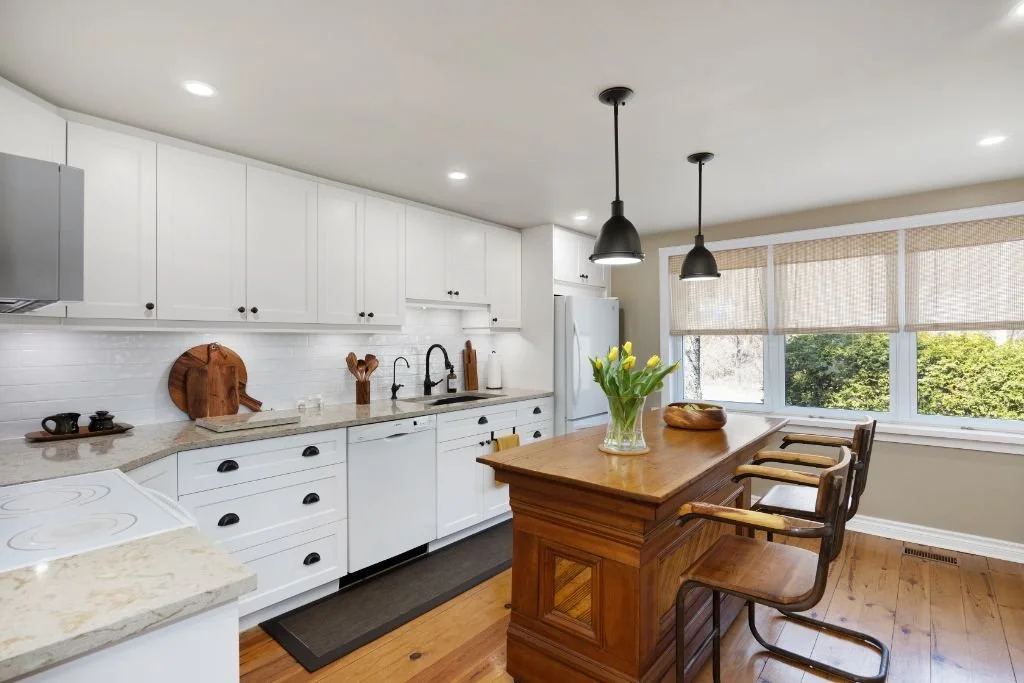






Choosing kitchen cabinets can quickly become overwhelming. Shaker, Slim Shaker, slab, raised panel — what’s the difference, and which style will still look beautiful years from now? We break down the most popular kitchen cabinet styles, materials and finishes to help you choose cabinetry you’ll love for years to come.