Kitchen Cabinet Styles Explained: Shaker, Slab, Raised Panel and More
/
You’ve chosen the general layout of your new kitchen. You’ve thought about countertops, flooring and appliances. And then someone asks a seemingly simple question:
What style of cabinet door would you like?
Shaker? Slim Shaker? Slab? Raised panel? Recessed panel? Beaded? Applied moulding?
Suddenly, what sounded like an easy decision becomes surprisingly overwhelming.
And it’s understandable. Kitchen cabinets represent a significant part of both the budget and the visual impact of a kitchen renovation. Unlike a wall colour that can be changed relatively easily, your cabinet doors are something you’ll probably be looking at every day for many years.
You don't just want something that looks beautiful today. You want something you'll still be happy with five, ten or even fifteen years from now.
So how do you choose?
Let's break down the most common kitchen cabinet door styles, what makes each one different, and some of the other decisions that can be just as important as the style itself.
First, What Do We Mean by “Cabinet Style”?
When cabinetmakers or interior decorators talk about cabinet styles, they’re usually talking primarily about the door and drawer-front design.
The basic cabinet boxes behind those doors may be very similar from one kitchen to another, while changing the doors can completely transform the appearance.
A flat slab door can make a kitchen feel sleek and contemporary. A classic Shaker door can move the same kitchen toward transitional or traditional. Add mouldings, decorative panels and a more detailed door profile and suddenly the room can feel much more formal.
That’s why choosing your door style is such an important design decision.
Shaker Cabinets: The Style That Seems to Work Almost Everywhere
If there is one cabinet style most homeowners recognize today, it is probably Shaker.
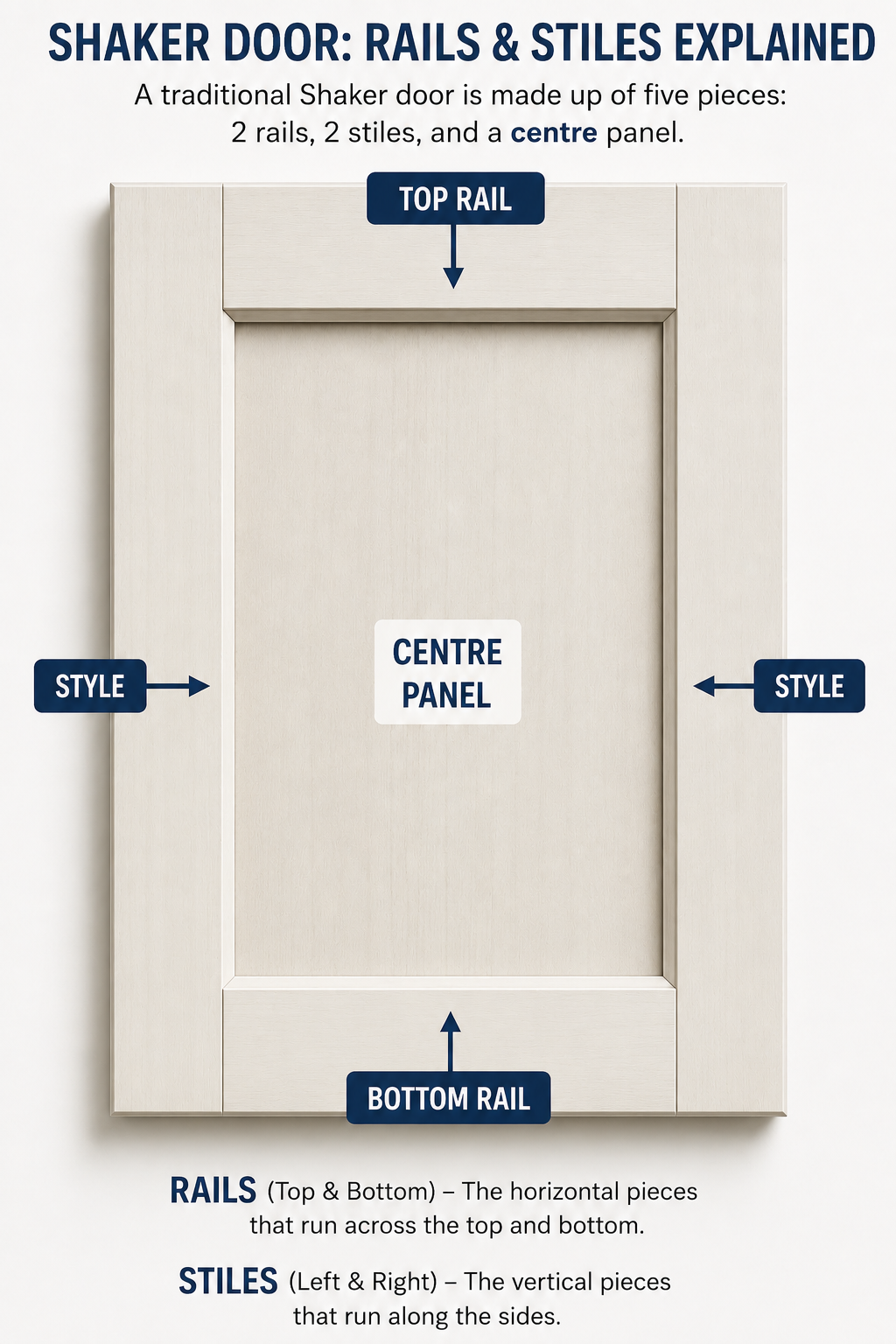
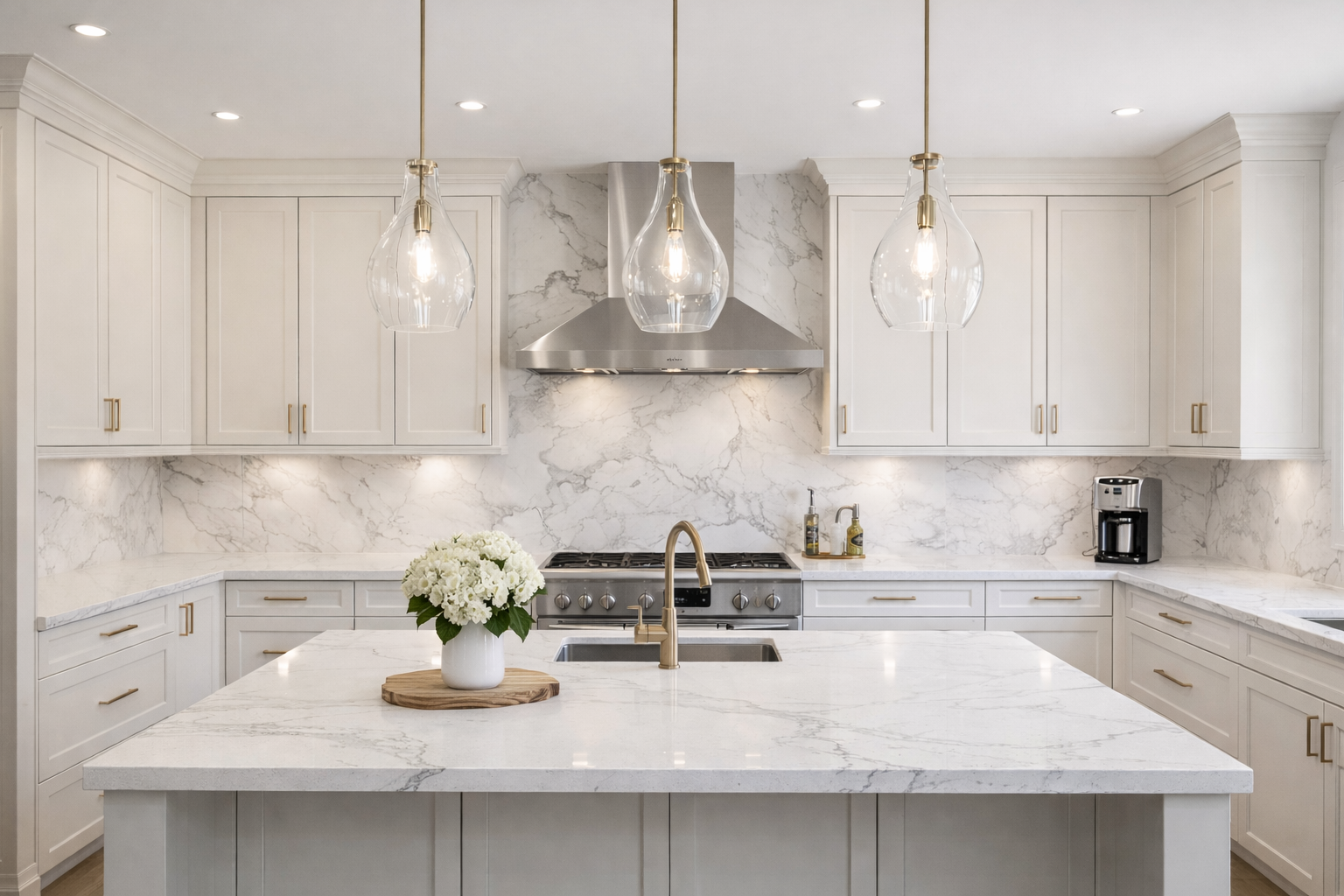
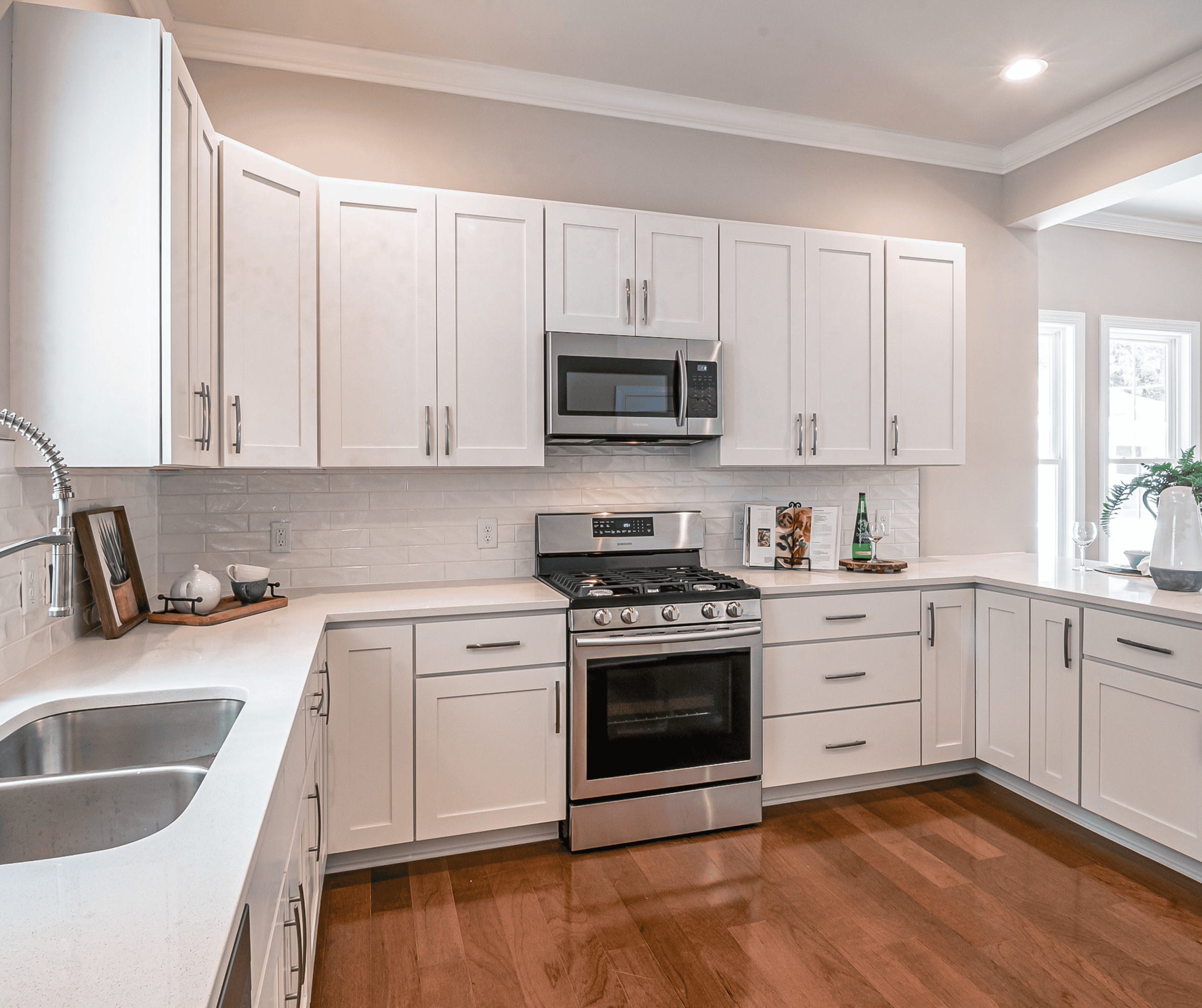
A traditional Shaker-style door has a simple five-piece appearance: four rails and stiles surrounding a recessed centre panel. The clean lines give it enough detail to create visual interest without making it overly decorative.
And that versatility is a huge part of its appeal.
A white Shaker kitchen can feel classic and traditional. Put essentially the same door in a deep navy, warm greige or rich green with contemporary hardware, and it can look completely different.
Shaker cabinetry also works particularly well in transitional kitchens — kitchens that combine traditional and contemporary elements.
But Not All Shaker Doors Look the Same
This is something homeowners don't always realize until they begin looking at samples.
“Shaker” describes a broad style, not one single cabinet door.
You can change:
the width of the rails and stiles
the depth of the recessed centre
the inside edge profile
the outside edge profile
whether the transition is square, bevelled or slightly decorative
the thickness of the frame
Those relatively small changes can have a surprisingly big effect.
A wider, heavier frame tends to feel more traditional. A narrower frame — often referred to as Slim Shaker — creates a cleaner, more contemporary appearance.
There are also modified Shaker doors with subtle bevels or other detailing that sit somewhere between traditional Shaker and a more decorative door.
That means saying “I want Shaker cabinets” is really only the beginning of the decision.
Love the versatility of Shaker cabinets? Their simple design can work beautifully with everything from traditional and farmhouse kitchens to more contemporary spaces. For more inspiration, read Why Shaker-Style Cabinets Go With Any Decor.
Slim Shaker: A More Contemporary Take on a Classic
Slim Shaker cabinetry has become increasingly popular because it bridges two looks beautifully.
You get some of the dimension and architectural interest of a Shaker door, but with much narrower rails and stiles.
The result feels lighter and more streamlined.
It can be a great option for someone who likes contemporary kitchens but worries that completely flat slab cabinetry might feel too modern or stark.
It also works beautifully when you're combining cabinet finishes — perhaps painted perimeter cabinets with a wood island — because the understated profile doesn't compete with the other design elements.
Will Slim Shaker eventually identify a kitchen as belonging to a particular era? Possibly. Almost every design detail eventually becomes associated with the period in which it was especially popular.
But its relatively simple lines give it a better chance of aging gracefully than something extremely ornate or unusual.
Slab Cabinet Doors: Everything Old Is New Again
Slab doors are exactly what the name suggests: a flat, unembellished cabinet front without a raised or recessed centre panel.
We often associate slab cabinetry with today's contemporary kitchens, but it certainly isn't new.
Flat-front cabinetry was extremely popular in mid-century and later twentieth-century kitchens. Think back to some of the kitchens from the 1950s, '60s and '70s and you'll find plenty of simple, flat cabinet doors, including beautiful wood and wood-veneer versions.
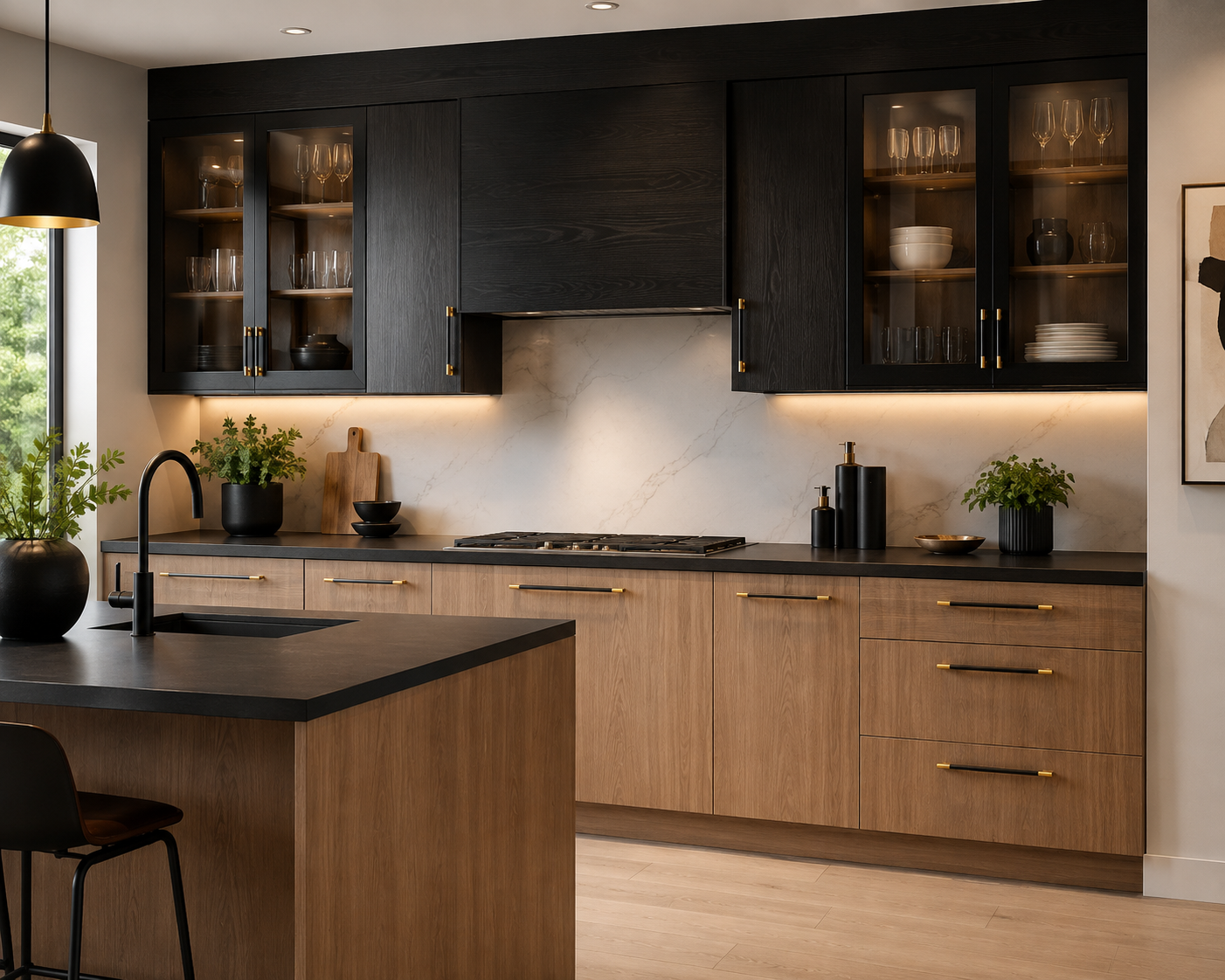
One of our favourite examples is personal: my mother's kitchen had mahogany slab cabinet doors.
Today, slab doors are popular again.
That is one of the fascinating things about interior design. Styles rarely disappear forever. They evolve, materials change, colours change, hardware changes — and eventually an old idea feels new again.
Why Choose Slab Cabinets?
Slab cabinetry is an excellent choice if you want:
clean lines
a contemporary or mid-century-inspired kitchen
beautiful wood grain to become a focal point
minimal visual clutter
cabinetry that works well with simple hardware or integrated pulls
Wood or wood-look slab doors can be especially striking because there is no door detailing competing with the grain.
On the other hand, slab doors can sometimes feel stark in a room if everything else is equally minimal. The countertop, backsplash, lighting, hardware and flooring become particularly important in creating warmth and character.
What About Polymer Cabinet Doors?
Polymer cabinet doors — often still referred to as thermofoil or thermoplastic — are another option worth considering, particularly for homeowners looking for beautiful cabinetry at a more budget-friendly price point.
But mention “thermofoil” to some homeowners and the reaction is immediate:
“Absolutely not. I had those years ago and they peeled.”
That reputation didn't come from nowhere. Older thermofoil doors consisted of a vinyl-type film bonded over an MDF core, and repeated exposure to excessive heat and steam could weaken the adhesive bond. Once that bond began to fail, the outer material could bubble, lift or peel — a problem frequently seen around ovens and other heat-producing appliances.
The important thing to understand is that today's better-quality polymer doors benefit from significant advances in both materials and manufacturing.
Modern polymer films have improved, as have the adhesives used to bond them. Today's manufacturing equipment also allows much more precise control over heat, vacuum and pressure as the polymer is formed around the face, edges and routed details of the door. Better-quality systems may use polyurethane-based adhesives specifically formulated to provide greater resistance to heat and moisture.
In other words, we're not simply taking the same thermofoil door from 25 or 30 years ago and giving it a new name.
Does that mean today's polymer cabinetry is indestructible? Of course not. Excessive heat can still damage polymer, and quality varies between manufacturers. But it shouldn't automatically be dismissed because of the reputation older thermofoil cabinetry earned decades ago.
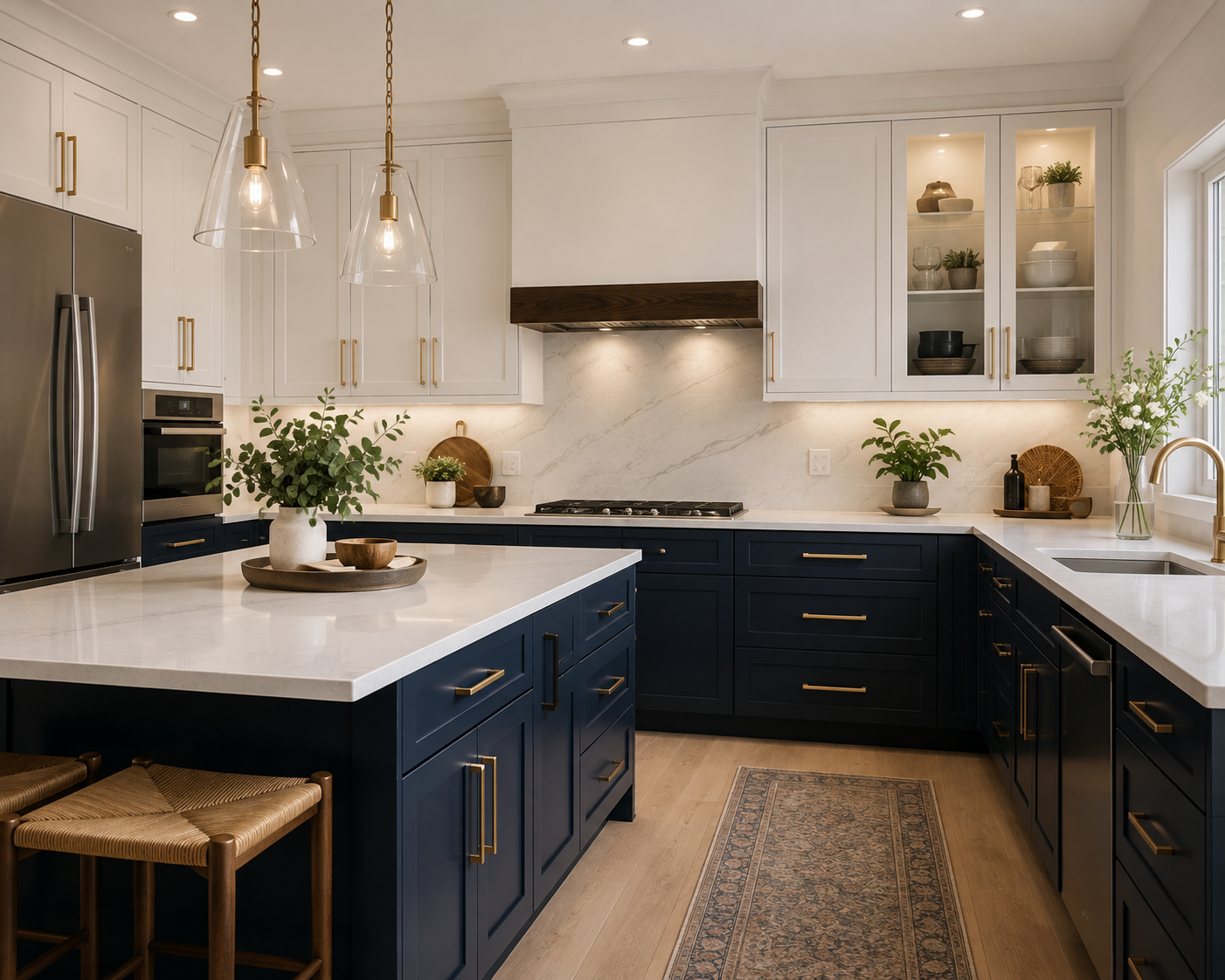
Modern polymer doors are available in numerous colours and profiles — including Shaker-style designs — and can create a stunning finished kitchen at a more economical price point.
For the right homeowner and the right budget, polymer can be an excellent cabinet-door choice. In fact, the kitchen in my own home has polymer cabinet doors, and most people would never guess they aren't painted MDF with a lacquered finish. They've been in my kitchen for more than 15 years and still look just as beautiful today as they did when they were installed.
Feeling overwhelmed by all the choices? You don’t have to figure it out alone. At Multi-Trade Building Services, we help homeowners sort through cabinet styles, materials, colours and finishes to find the combination that works beautifully with their home, lifestyle and renovation budget.
Raised-Panel Cabinet Doors: Traditional and Architectural
Raised-panel cabinet doors sit at the more traditional end of the spectrum.
Instead of the centre panel being recessed like a Shaker door, the centre is raised and often surrounded by additional profiling.
Depending on the design, raised-panel cabinetry can range from gently traditional to quite ornate.
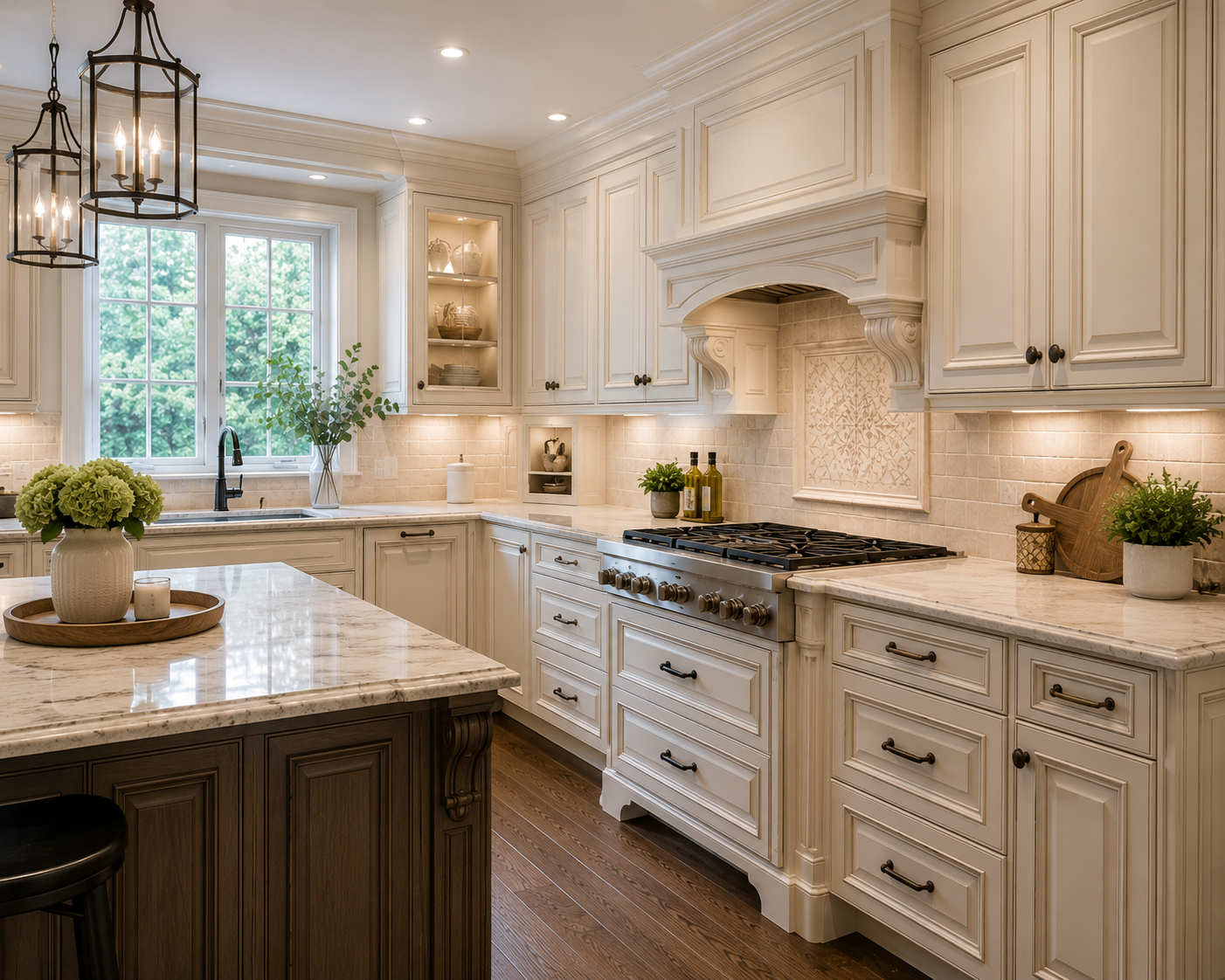
These doors were extremely common in kitchens during previous decades, particularly when paired with warm stained woods, decorative crown moulding and other traditional details.
Does that mean raised-panel cabinetry is “out”?
Not necessarily.
There is a big difference between not currently being the dominant trend and being inherently unattractive or unusable.
In the right home — particularly a traditional or architecturally detailed home — raised-panel cabinetry can be beautiful.
The key is considering the entire room.
If your goal is a light, streamlined contemporary kitchen, a heavily detailed raised-panel door probably isn't the best choice. But if your home has traditional millwork and architecture, an ultra-modern slab kitchen may feel equally out of place.
Good design isn't simply about choosing whatever is currently popular.
It's about choosing something that works with your home.
Recessed-Panel Cabinets Beyond Shaker
Shaker is technically a type of recessed-panel door, but it isn't the only option.
There are many variations featuring recessed centre panels combined with different inside and outside profiles.
These are useful when a homeowner wants more detail than a basic Shaker door without moving all the way to an ornate raised panel.
A small bevel, decorative inside edge or slightly different rail profile can give cabinetry a more custom appearance while still keeping the overall design relatively simple.
This category is worth exploring if you look at traditional Shaker and think:
I like it...but I want something just a little different.
Beaded and Detailed Cabinet Doors
Another possibility is adding subtle detailing to the centre panel or frame.
Beaded details, grooves and applied mouldings can add texture and character. They can work particularly well in cottage, farmhouse and traditional kitchens.

The trade-off is cleaning.
Every groove and decorative edge creates another place where cooking residue and dust can settle.
That doesn't mean you shouldn't choose a detailed door you love. It simply means maintenance should be part of the decision.
This is a working room, after all.
Glass-Front Cabinet Doors
Glass cabinet doors are usually used as an accent rather than throughout an entire kitchen.
They can be beautiful on upper cabinets, a beverage centre or a built-in hutch and can visually break up a long wall of solid cabinetry.
Clear glass gives you a direct view of what is inside, which is wonderful if you're displaying attractive dishes or glassware.
Less wonderful if you're displaying three mismatched travel mugs, a stack of plastic containers and the vitamins.
Fortunately, clear glass isn't your only option.
Depending on the design, you can consider frosted, textured, reeded or other decorative glass that provides visual interest without putting everything inside completely on display.
Wood vs. Painted MDF: Is MDF the “Cheap” Option?
This is one of the biggest misconceptions we encounter.
Someone hears MDF and immediately thinks:
Why am I paying for custom cabinetry if the doors aren't solid wood? Isn't MDF the inexpensive option?
Not necessarily — and particularly not when you're choosing painted cabinetry.
MDF, or medium-density fibreboard, has an extremely smooth, consistent surface. Unlike natural wood, it doesn't have grain, knots or the same movement associated with changes in humidity.
That makes it particularly well suited to painted cabinet doors, including doors with routed profiles.
Natural wood is a living material. It expands and contracts as environmental conditions change. On a painted multi-piece wood cabinet door, that movement can eventually make joints or hairline changes in the finish more noticeable.
With stained cabinetry, that natural wood grain is exactly what you are paying to showcase.
With painted cabinetry, however, covering beautiful wood grain with opaque paint doesn't necessarily give you a better finished product.
Sometimes the engineered material is actually the smarter choice for the application.
Not All Painted Cabinet Finishes Are Equal
This is another important distinction.
A professionally manufactured painted cabinet door is not necessarily comparable to painting an existing cabinet door on site or even having one sprayed in a conventional paint booth.
Our custom cabinetmaker uses a controlled finishing process that includes UV-curing technology. UV curing is used in modern industrial wood-finishing systems to rapidly cure compatible coatings as part of the production process.
That creates a very different situation from conventional paint that continues to cure over an extended period after it feels dry to the touch.
This is why simply asking, “Are these MDF doors?” doesn't tell you enough about the quality.
Better questions include:
How are the doors manufactured? What finishing system is being used? How is the coating cured? What quality-control process does the cabinetmaker use?
Two doors can both technically be described as “painted MDF” and still be very different products.
What About the Cabinet Boxes? Why Aren't They Solid Wood?
Here's another question homeowners sometimes ask:
If I'm buying custom cabinetry, shouldn't the cabinet boxes themselves be made from solid wood?
Actually, no.
Quality cabinet construction often uses engineered sheet materials for the cabinet boxes because they are stable, consistent and practical.
Solid wood naturally expands and contracts as moisture levels change. And kitchens aren't exactly moisture-free environments.
You have boiling pots, dishwashers producing heat and steam, sinks, kettles and fluctuating indoor humidity throughout the year.
For a large, flat cabinet panel, dimensional stability is extremely important.
That's one reason materials such as furniture-grade particleboard, plywood and melamine-faced panels are commonly used in cabinet construction.
And here's another practical advantage of a melamine interior: it's easy to clean.
Spill something inside your cabinet and you have a durable, wipeable surface rather than unfinished wood absorbing it.
Again, “not solid wood” does not automatically mean “low quality.”
What matters is the grade of material, construction method, hardware, edge treatment and workmanship.
So Which Cabinet Style Is the Most Timeless?
This may be the question homeowners ask us most often.
Nobody wants to invest in a beautiful kitchen only to walk into it five years later and think:
Oh boy. That is SO 2026.
Unfortunately, there is no cabinet door that comes with a lifetime guarantee against looking dated.
Even styles we call “timeless” move in and out of popularity.
But you can reduce the risk.
Generally, simpler designs tend to age more gracefully than highly distinctive trends.
Traditional Shaker is one of the safest choices because it has been around for generations and adapts to many different design styles.
Simple slab cabinetry has also existed in various forms for decades and can age extremely well, particularly in natural wood.
Classic recessed-panel doors with restrained detailing can have similar longevity.
The greater risk often comes from combining too many trends at once.
An extremely trendy door profile combined with the colour of the moment, highly distinctive hardware, a dramatic trendy backsplash and several other currently popular details can timestamp a kitchen much faster than any one of those elements individually.
Should You Choose Your Cabinets Based on Resale?
Resale matters, but it shouldn't completely dictate your kitchen.
If you're renovating specifically because you plan to sell soon, broad appeal should absolutely influence your decisions.
If you're planning to live in your home for another 15 years, however, designing your kitchen entirely around what an imaginary future buyer might want doesn't make much sense.
You have to live there.
Choose something you genuinely love while considering the architecture of your home and the longevity of the major elements.
Hardware and wall colours are relatively easy to update.
Cabinet doors and countertops are not.
Thinking about selling your home in the next few years? Before making renovation decisions based on resale, take a look at these two articles. They’ll help you understand which improvements can add value, where it makes sense to invest your renovation dollars, and how to make choices that appeal to future buyers without over-improving your home.
Further Reading:
The Impact of Kitchen Renovations on Home Value
How to Renovate Your Home for Better Resale Value
A Few Questions to Ask Before Choosing Your Cabinet Doors
Instead of starting with, “What's popular right now?”, try asking yourself:
What style is the rest of my home?
A kitchen doesn't exist in isolation. If you have a traditional home with substantial trim and architectural detailing, your cabinetry should have some relationship to it.
How much visual detail do I like?
If clutter makes you uncomfortable, you may love slab or Slim Shaker cabinetry. If very simple rooms feel cold to you, a door with more dimension may be a better choice.
How much cleaning am I willing to do?
A slab door is exceptionally easy to wipe. A highly detailed door requires more attention.
Do I want painted cabinets or visible wood grain?
This decision may help narrow your door construction and material choices immediately.
Am I choosing this because I love it or because it's trending?
There is nothing wrong with incorporating trends. The problem comes when you don't particularly love something but choose it because you've seen it everywhere.
The Best Cabinet Style Isn't Necessarily the Most Popular One
When you're renovating a kitchen, it is very easy to become overwhelmed.
Pinterest shows you one thing. Instagram shows you another. Your neighbour just installed something completely different. One designer says Shaker is timeless while another announces that Shaker is finished and everyone should be choosing slab.
Ignore the noise for a moment.
Your goal isn't to build the kitchen that gets the most likes this year.
It's to create a kitchen that works beautifully for you, suits your home and is made from materials that will stand up to everyday life.
Look at actual door samples. Touch them. Put different colours beside your flooring and countertop selections. Look at the details from across the room as well as close up.
And don't be afraid to ask questions about what is underneath that beautiful finish.
Because choosing cabinetry isn't simply about deciding between Shaker, slab and raised panel.
It's about understanding how the door is constructed, what it's made from, how it's finished, how it will perform and how all of those decisions work together.
Once you understand those differences, choosing your cabinets becomes a lot less overwhelming — and a lot more fun.
Love the idea of changing your cabinet style but don't necessarily need an entirely new kitchen? If your existing cabinet boxes are still in excellent condition and you're happy with your current layout, refacing may allow you to replace the doors and drawer fronts with a completely new style without replacing all of your cabinetry. Learn more in Kitchen Cabinet Refacing: Is It an Option You Should Consider?.
Ready to Start Planning Your New Kitchen?
Choosing the right cabinets is just one piece of creating a kitchen you’ll love for years to come. At Multi-Trade Building Services, we can guide you through the entire renovation — from layout and cabinetry selections to plumbing, electrical, flooring, countertops, backsplash and all the finishing details that bring your new kitchen together.
If you’re planning a kitchen renovation in Durham Region, we’d love to help. Contact Multi-Trade Building Services today to schedule your kitchen renovation consultation and let’s start turning your ideas into a kitchen that truly works for you.

Looking for more kitchen renovation inspiration? Explore more of our kitchen blogs for practical advice, design ideas and expert tips to help you plan a kitchen you’ll love for years to come.
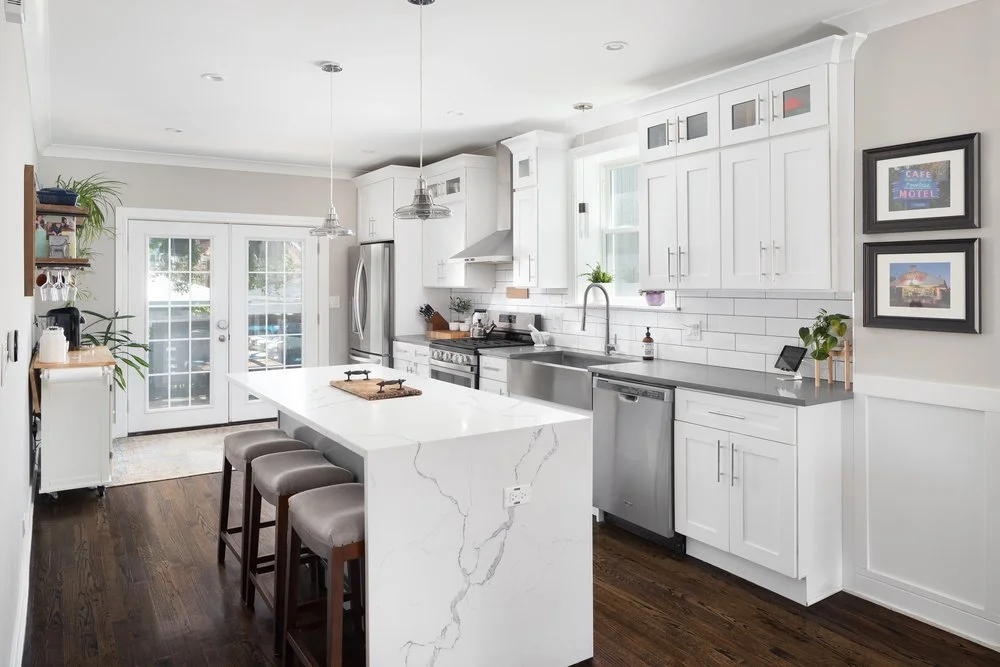
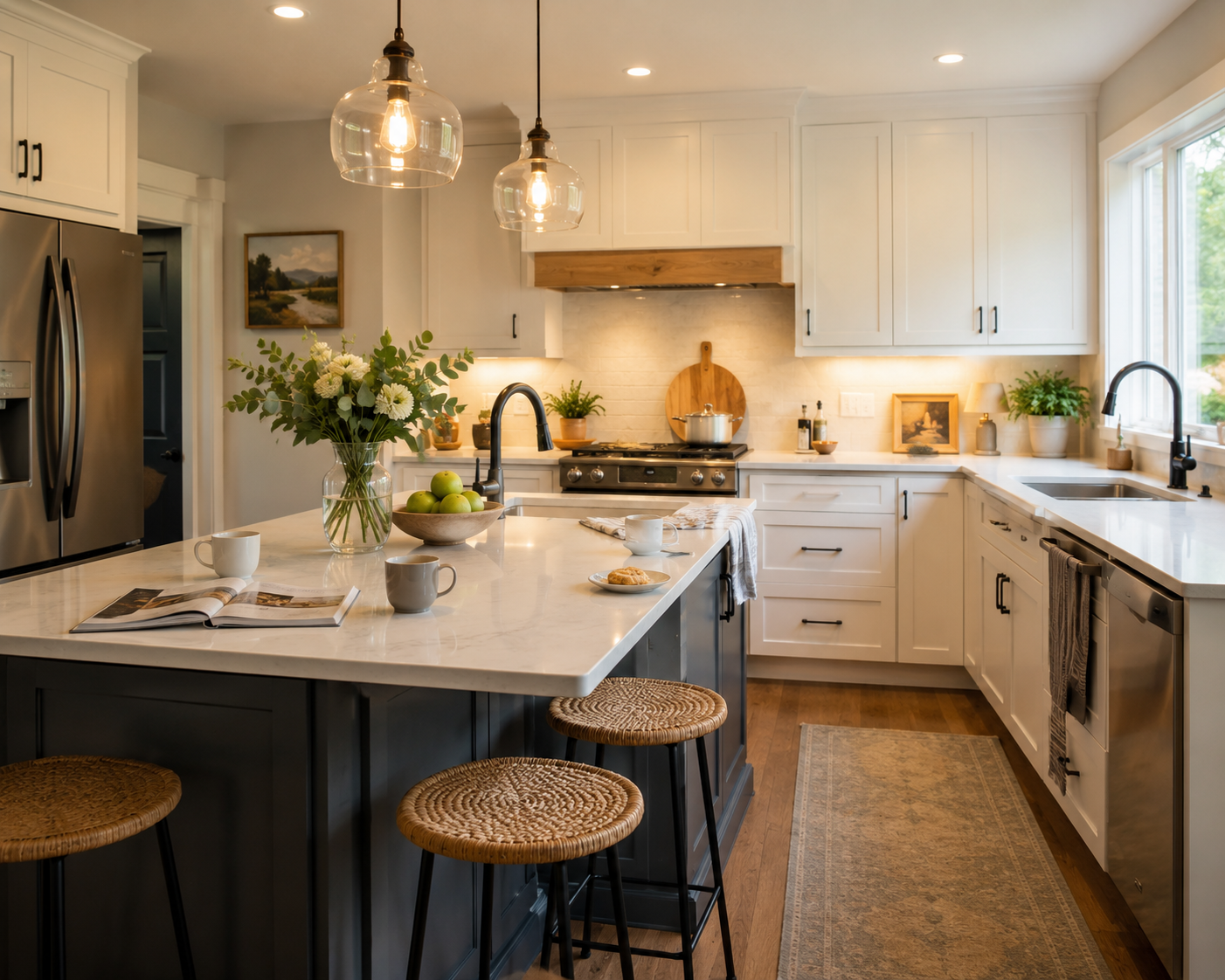
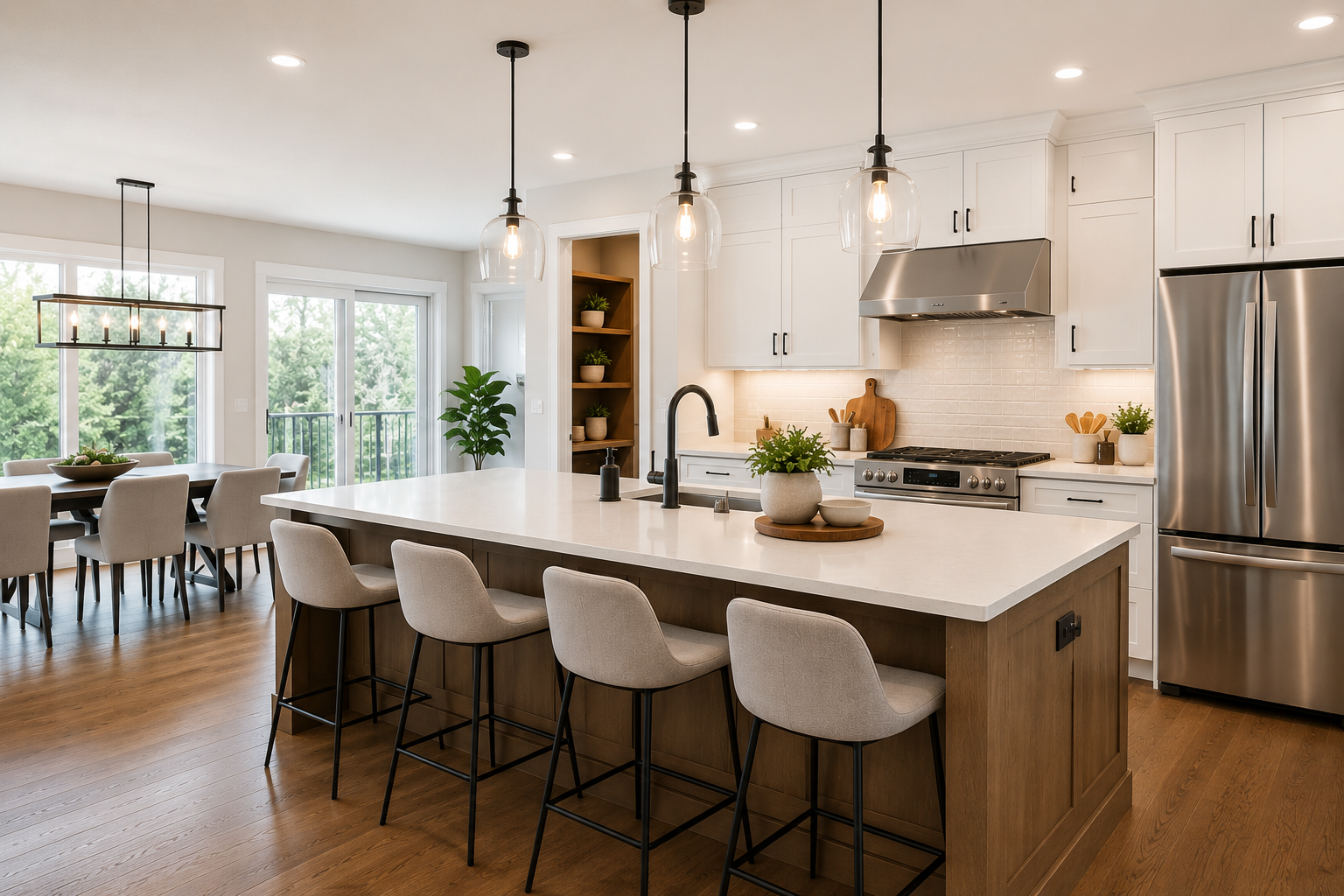
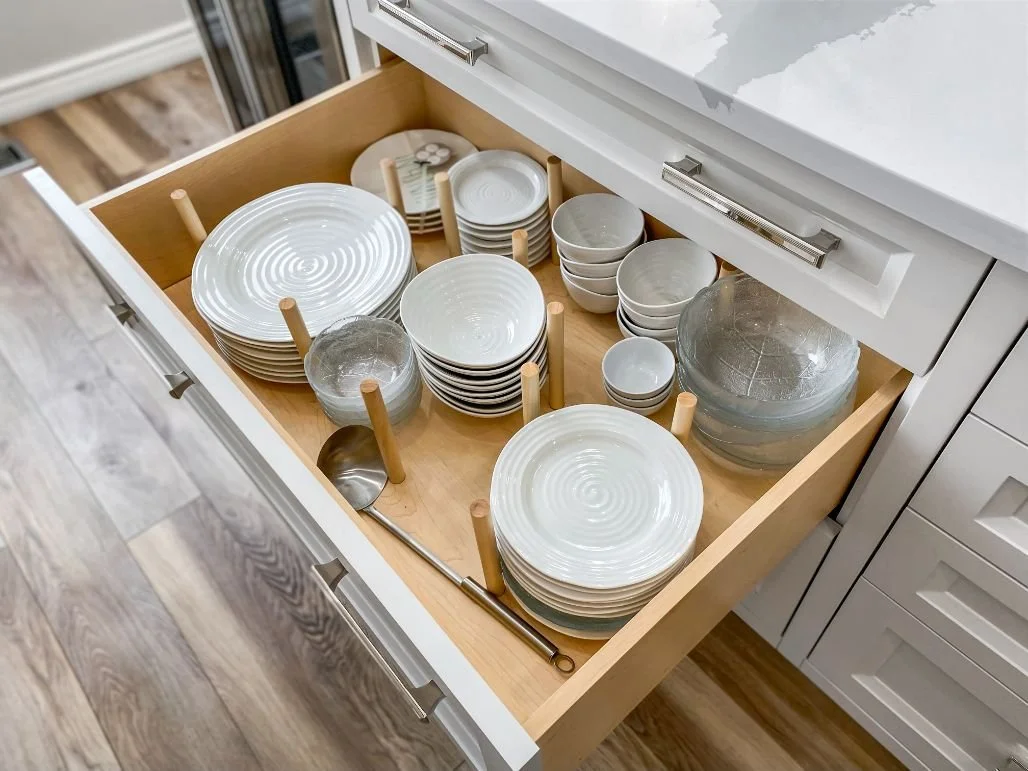
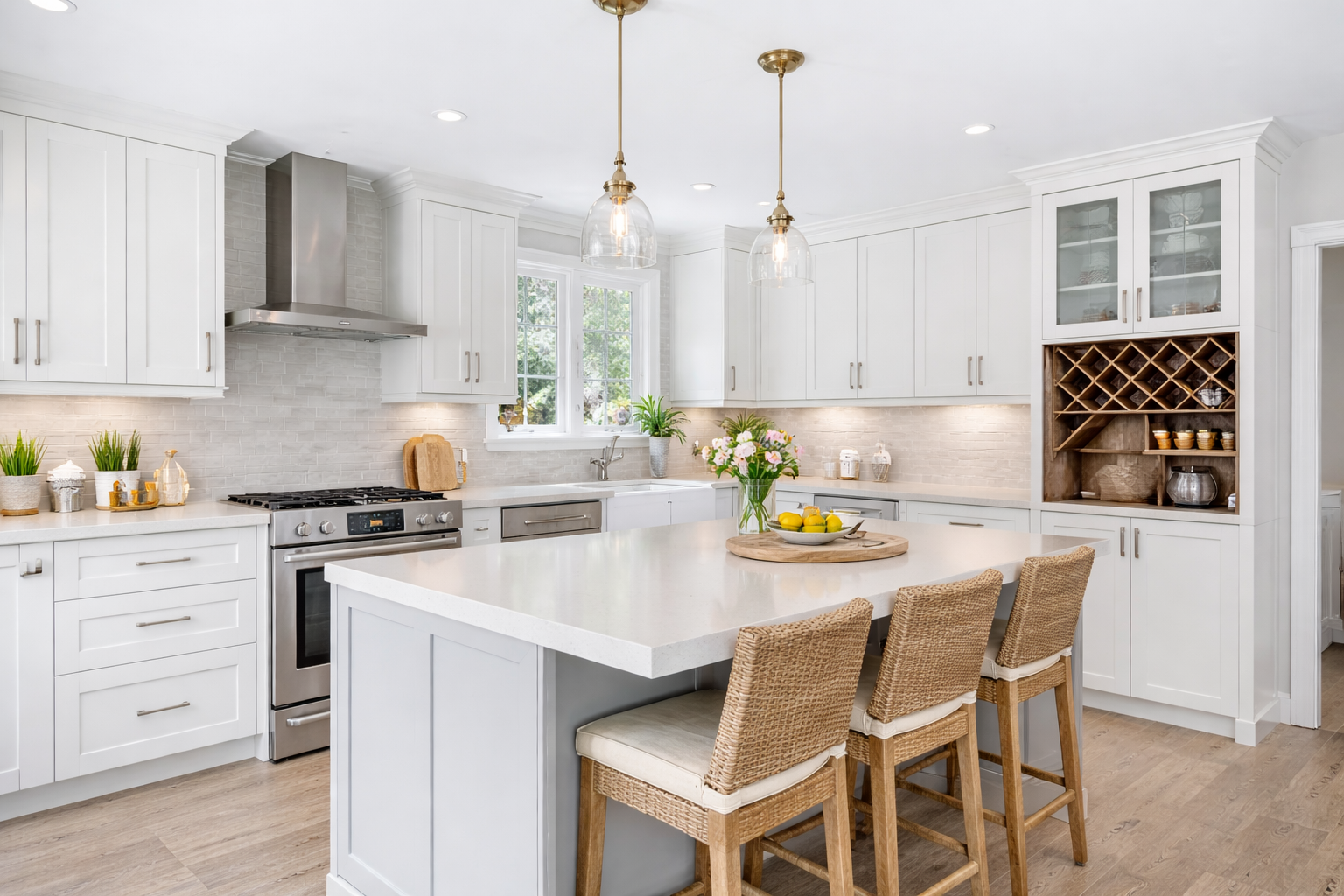
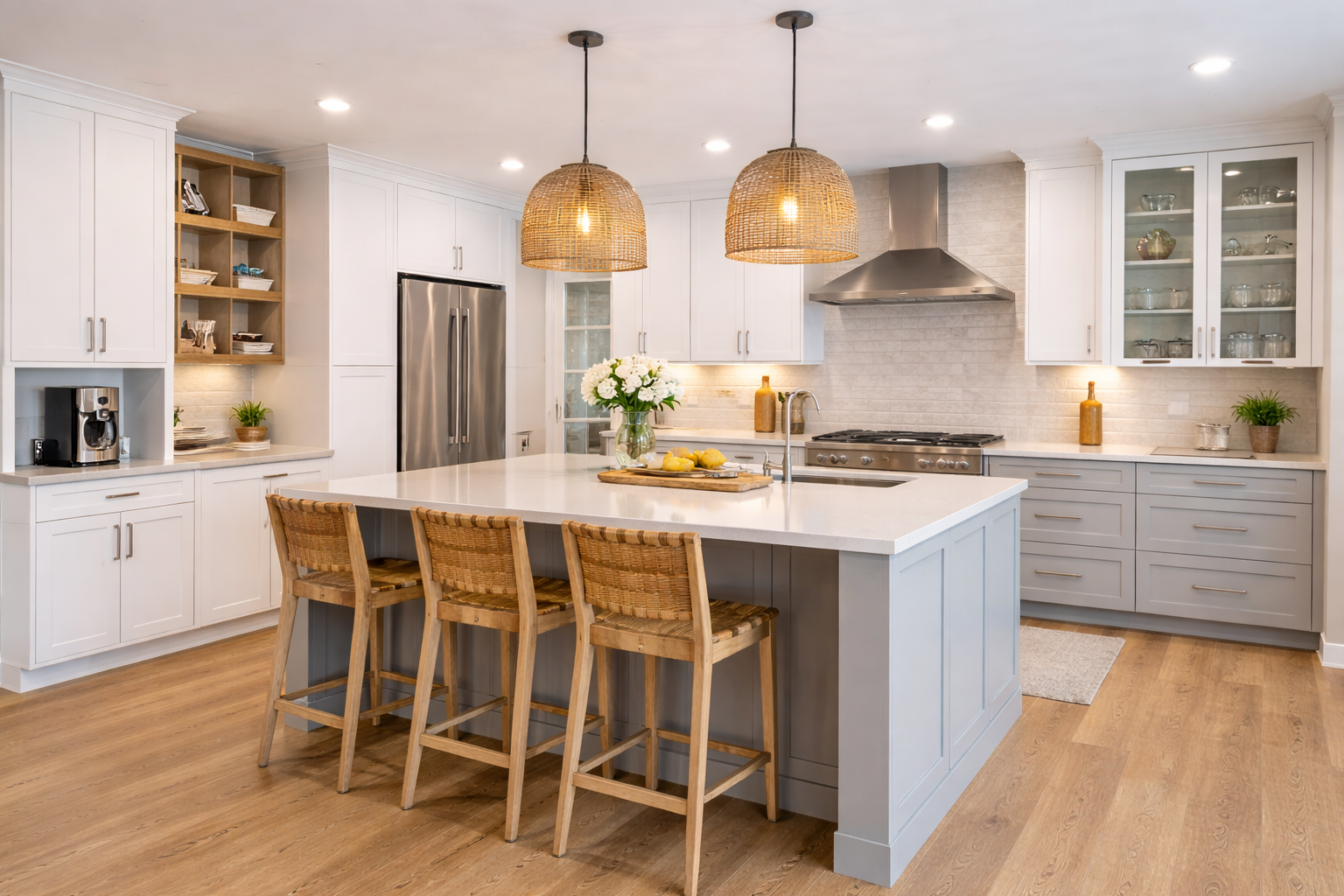
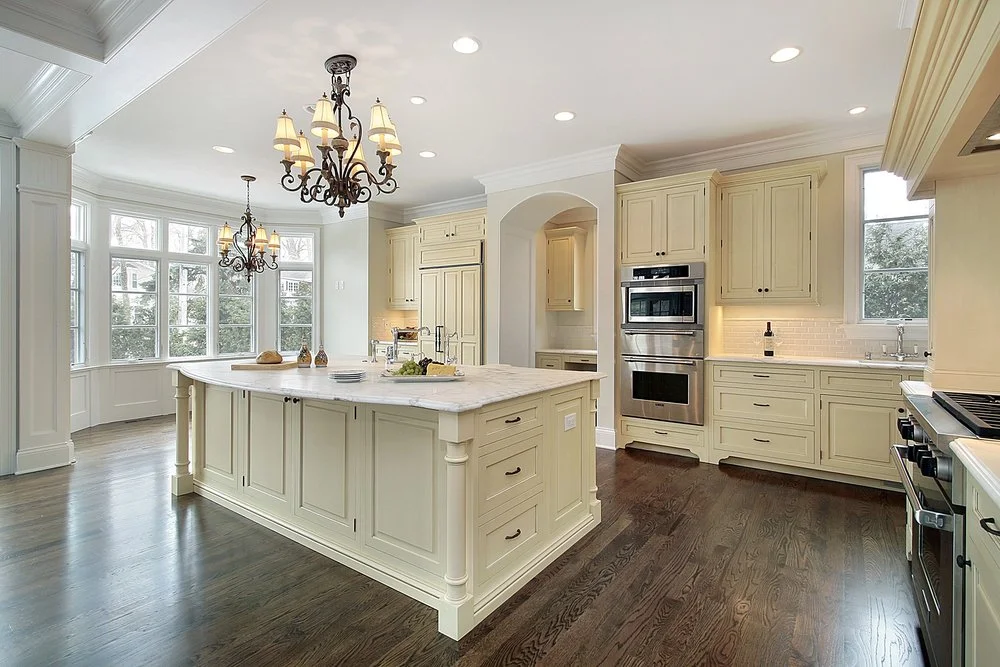
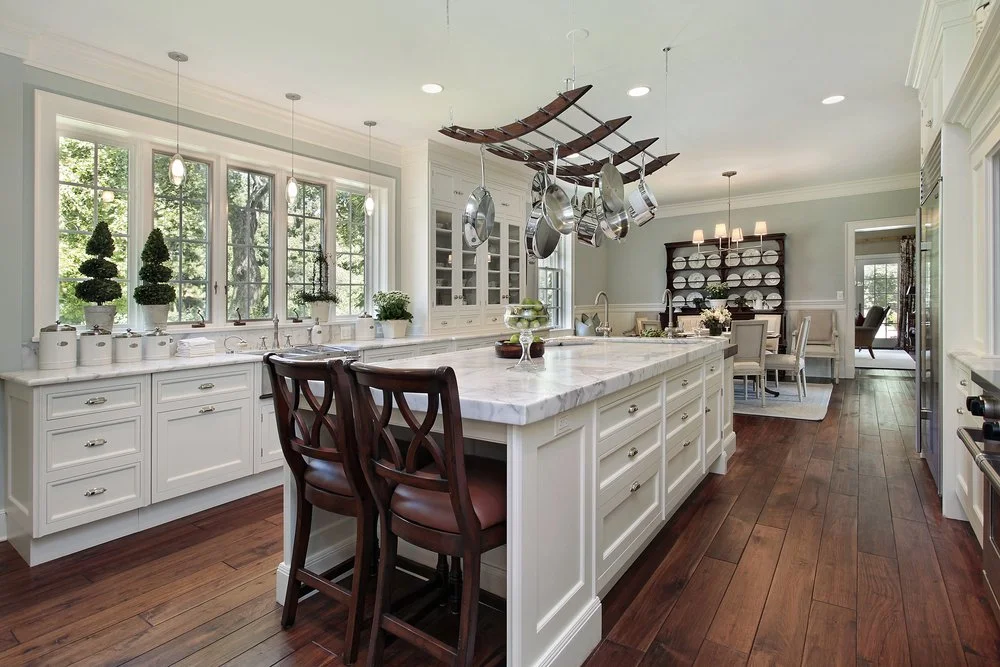


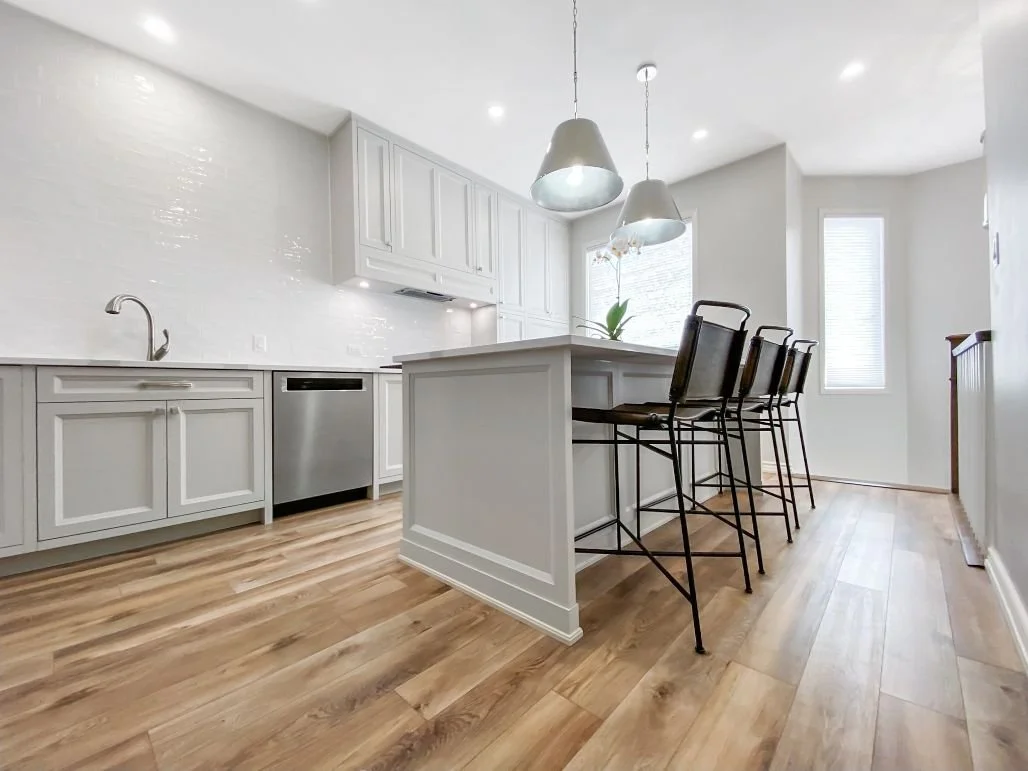






A kitchen island can be one of the best additions to your kitchen—but only when it’s designed around the way you actually live. From making it too big to overlooking seating, storage and walkways, small planning mistakes can make a big difference. Before you finalize your kitchen renovation, discover 10 common kitchen island mistakes and how to avoid them.