

Small Home Maintenance Jobs That Can Prevent Costly Repairs
/
Sometimes the smallest problems around your home can create the biggest headaches.
We've all done it. Noticed something around the house that needs attention, made a mental note to fix it, and then promptly forgotten about it.
Maybe it's a little crack in the foundation, a door handle that's becoming difficult to turn, or some deteriorating caulking around the bathtub.
None of these seem particularly urgent. After all, everything is still working, isn't it?
Unfortunately, that's often how small maintenance problems become expensive repairs, unexpected emergencies, or even safety hazards.
At Multi-Trade Building Services, we've seen firsthand what can happen when seemingly minor issues are left unattended. And sometimes, those lessons hit particularly close to home!
When a Small Foundation Crack Became a Financial Nightmare
Several years ago, we were hired to renovate a main-floor bathroom for a client. Since the homeowners had two other functioning bathrooms, they were perfectly comfortable having us start shortly before Christmas, knowing the renovation wouldn't be completed until after our holiday shutdown.
Everything was going according to plan.
Then, between Christmas and New Year's, we received a frantic phone call.
Their basement was flooded with several inches of water.
Naturally, they were concerned about whether the flooding had anything to do with the bathroom renovation. We went over to investigate, and fortunately, none of the plumbing work we'd completed was responsible.
The problem was their foundation.
That Christmas, we'd experienced considerable snowfall and extremely cold temperatures, followed by an unusually warm spell that caused the accumulated snow to melt rapidly.
The homeowners had several small cracks in their foundation that had never been properly addressed. These weren't major structural cracks, but they provided opportunities for moisture to enter. Freezing and thawing can worsen existing cracks, and the sudden influx of melting snow created conditions for substantial water intrusion.
The result was devastating.
Water had entered the basement, damaging flooring, drywall, and other finished surfaces. The homeowners were faced with extensive water remediation, mould remediation, demolition, and reconstruction.
And then came another unpleasant surprise.
Their home insurance claim was denied.
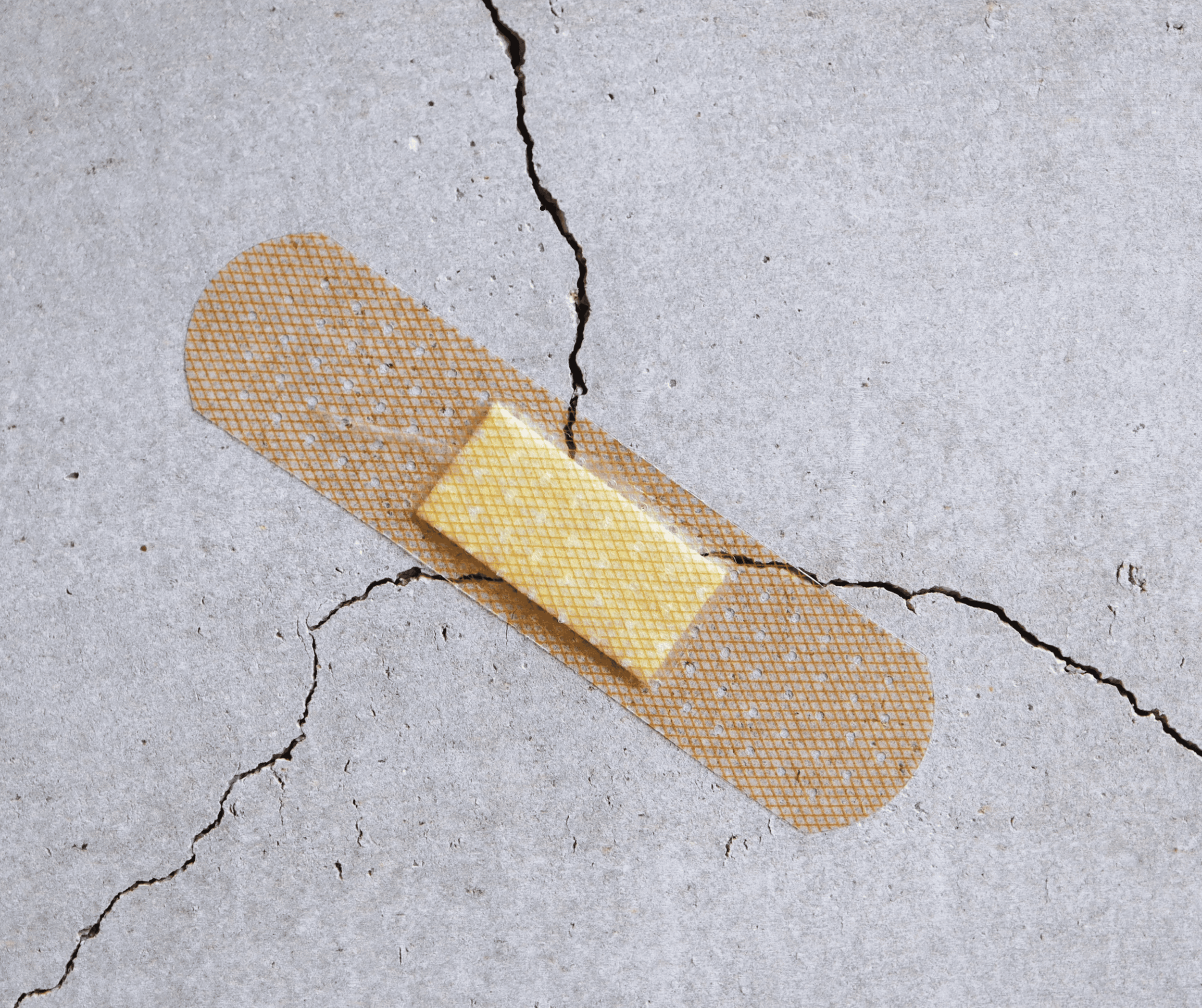
Following an inspection, their insurance company determined that the unrepaired foundation cracks represented a maintenance issue, and the resulting damage wasn't covered under their policy.
What might have been a relatively inexpensive repair, had the cracks been addressed earlier, turned into thousands of dollars in unexpected expenses.
Our bathroom renovation had to be put on hold while the basement damage took priority.
All because of some small cracks that hadn't seemed particularly important.
What homeowners should learn from this
Not every foundation crack indicates a serious problem, but cracks should never automatically be dismissed as harmless.
Depending on the type of foundation, the location of the crack, and whether moisture is entering, repairs may involve masonry repointing, crack sealing, or more extensive waterproofing work.
Inspect visible foundation walls periodically, particularly after winter. Look for new cracks, deteriorating mortar, damp areas, and white powdery deposits known as efflorescence.
If you notice changes, have them assessed before they become a bigger problem.
A small repair today could prevent a very expensive surprise tomorrow.

When a Stubborn Door Handle Became an Emergency — In Our Own Home!
You know the old saying about the cobbler's children having no shoes?
Well, that applies to contractors' homes, too!
We recently moved into a house built in 1963. It still has all its original interior doors: those old mahogany slab doors with round, copper-coloured doorknobs.
They're definitely showing their age.
We've been planning to replace the doors and upgrade the hardware to modern lever-style handles. But like so many homeowners, we've had other priorities, and since the upgrades seemed purely cosmetic, there was no particular urgency.
Or so I thought.
One of the doors leading into my office had started becoming a little difficult to close. I didn't think much of it. Doors can shift slightly with seasonal changes in temperature and humidity, and I assumed we'd address it when we eventually replaced the doors.
Then, over Thanksgiving weekend, the door handle stopped working altogether.
It wouldn't turn. The latch wouldn't release. And no matter what I tried, I couldn't open the door.
The worst part? One of our cats was trapped inside my office!
Suddenly, that little issue I'd been ignoring was an emergency.
Thankfully, Paul was home. He was able to remove the faulty handle and replace it temporarily with one from our hall closet.
But here's what made the situation particularly concerning: this wasn't the first time something like this had happened.
Previously, a friend staying at our home had called because another original door handle had failed, leaving her unable to get out through that door.
We'd replaced that handle, too.
Two failed handles in the same house were enough to convince me that waiting until we replaced all the doors wasn't such a great idea after all.
The new doors can wait. The door hardware can't.
Why sticking doors and failing hardware shouldn't be ignored
A door that occasionally sticks isn't necessarily a serious problem. Sometimes it simply needs a minor adjustment.
But when a latch starts sticking, a handle becomes difficult to turn, or a door repeatedly refuses to close properly, it's worth investigating.
Worn internal components can eventually fail completely, leaving someone unable to enter or exit a room.
That's particularly concerning in bedrooms, bathrooms, or any room where someone could become trapped.
And when an interior door is part of an emergency escape route, reliable operation is especially important.
The lesson from our own experience? Don't wait until you're standing outside a locked room with a very unhappy cat on the other side!
Other Small Home Maintenance Problems That Deserve Your Attention
Not every neglected maintenance issue leads to a flooded basement or a trapped pet. But several common household problems can develop into much more serious situations when left unresolved.
Here are some worth paying attention to.
1. Deteriorating Caulking Around Bathtubs and Showers
That small gap where your bathtub meets the wall might not look particularly concerning.
But water has an incredible ability to find its way into places it doesn't belong.
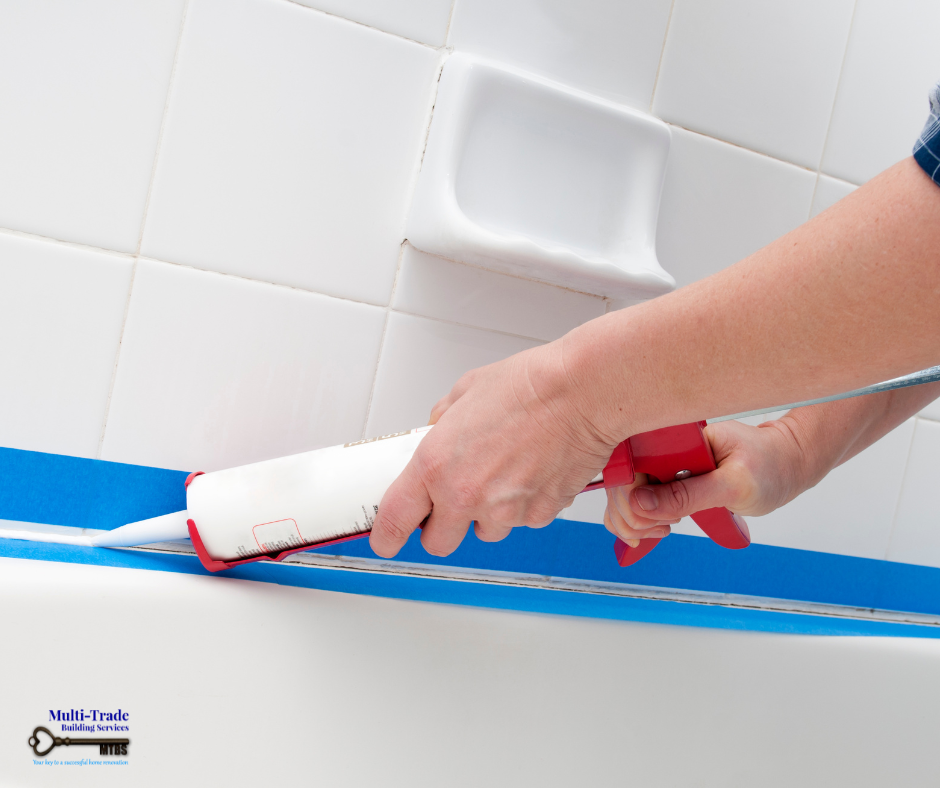
When caulking deteriorates, moisture can escape into surrounding wall and floor assemblies. Over time, this can contribute to damaged drywall, swollen baseboards, deteriorating subfloors, and mould growth.
A properly waterproofed shower shouldn't rely on caulking alone to prevent concealed water damage. However, maintaining those joints is still an important part of protecting surrounding finishes and keeping water where it belongs.
What starts as a relatively simple caulking repair can become a much more involved restoration project if moisture damage goes unnoticed.
Inspect caulking around bathtubs, shower enclosures, and other wet areas regularly. If it's cracking, separating, or missing, don't leave it until water damage becomes visible.
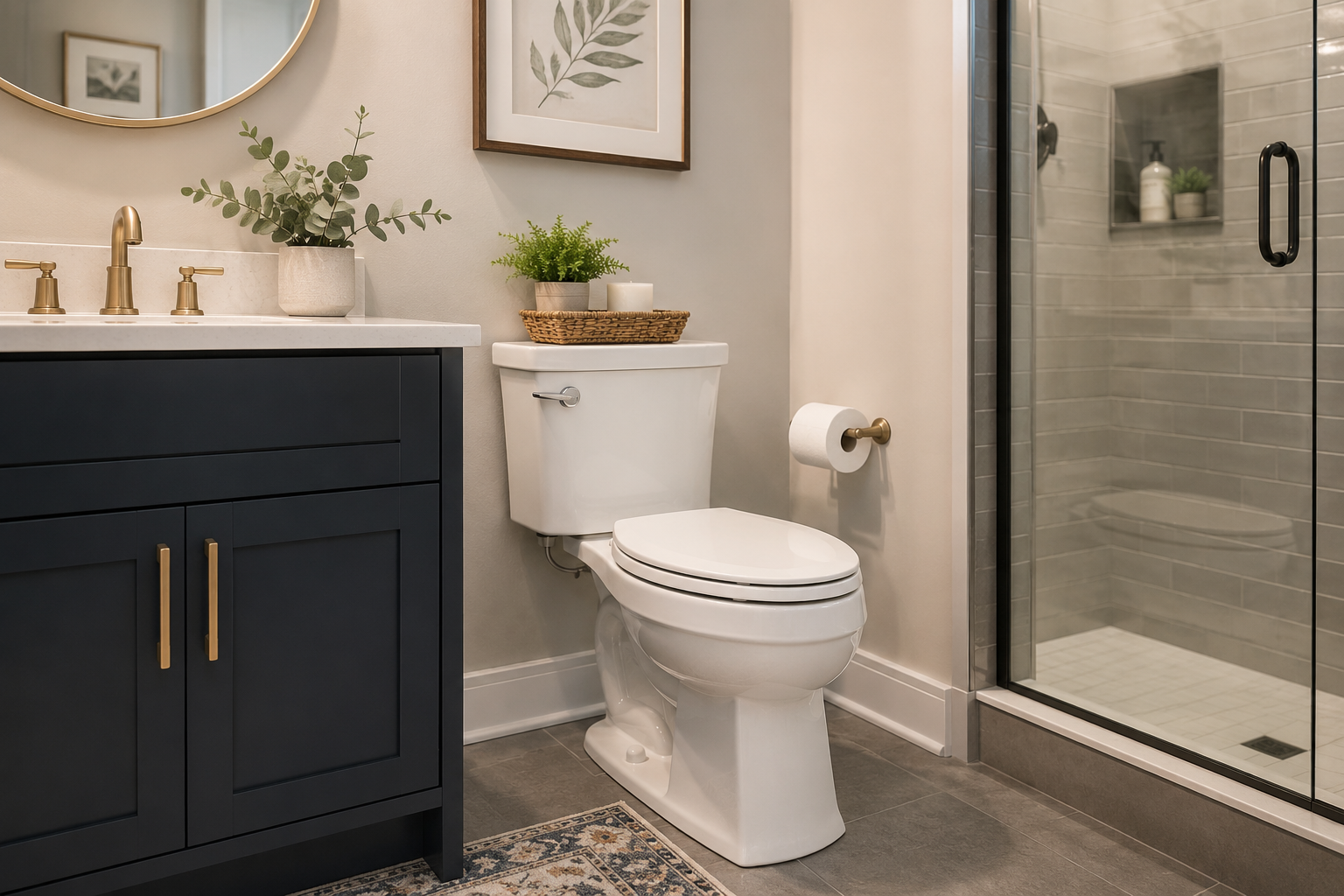
2. A Toilet That Rocks or Moves
Here's one that homeowners sometimes ignore because the toilet still flushes perfectly well.
You sit down, and the toilet moves slightly.
Maybe it's been doing that for months.
Unfortunately, a toilet that rocks can compromise the seal between the toilet and the drain flange.
If that seal fails, wastewater may escape beneath the toilet each time it's flushed.
And because the leak can remain concealed beneath the fixture, homeowners may not realize anything is wrong until the flooring becomes soft, discoloured, or damaged.
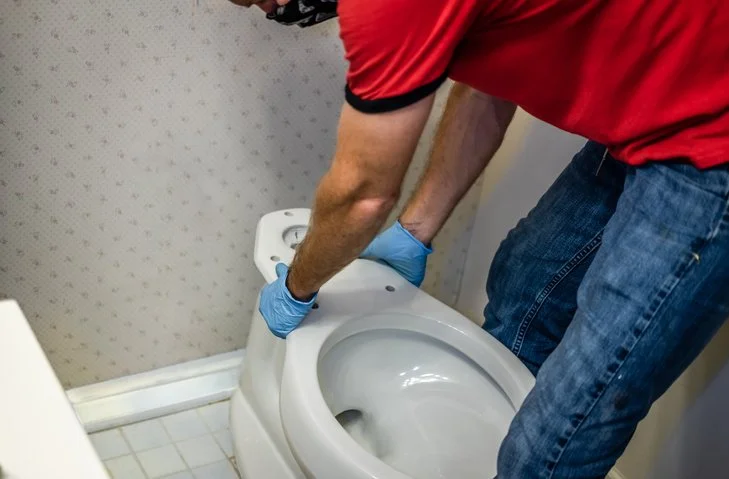
Depending on how long the problem continues, repairs may involve replacing the toilet seal, repairing the flange, or even replacing damaged flooring and subfloor materials.
A loose toilet should be inspected and properly secured before it creates a much bigger problem.
If you've noticed your toilet rocking or shifting, don't assume it's something you can safely ignore. Sometimes the solution is as simple as tightening a couple of bolts, but other times, there may already be damage beneath the fixture.
Not sure where to start? Our article, How to Tighten a Loose Toilet Before It Damages Your Floor, explains what causes a toilet to become loose, how to recognize potential problems, and when it's time to call a professional.
Have a few small home repairs you've been meaning to tackle? Taking care of them now can help prevent bigger problems down the road. At Multi-Trade Building Services, we're happy to help with those little jobs that keep your home safe, comfortable, and running smoothly.
3. Electrical Outlets and Switches That Aren't Working Properly
Electrical problems are particularly important because the consequences aren't limited to repair costs.
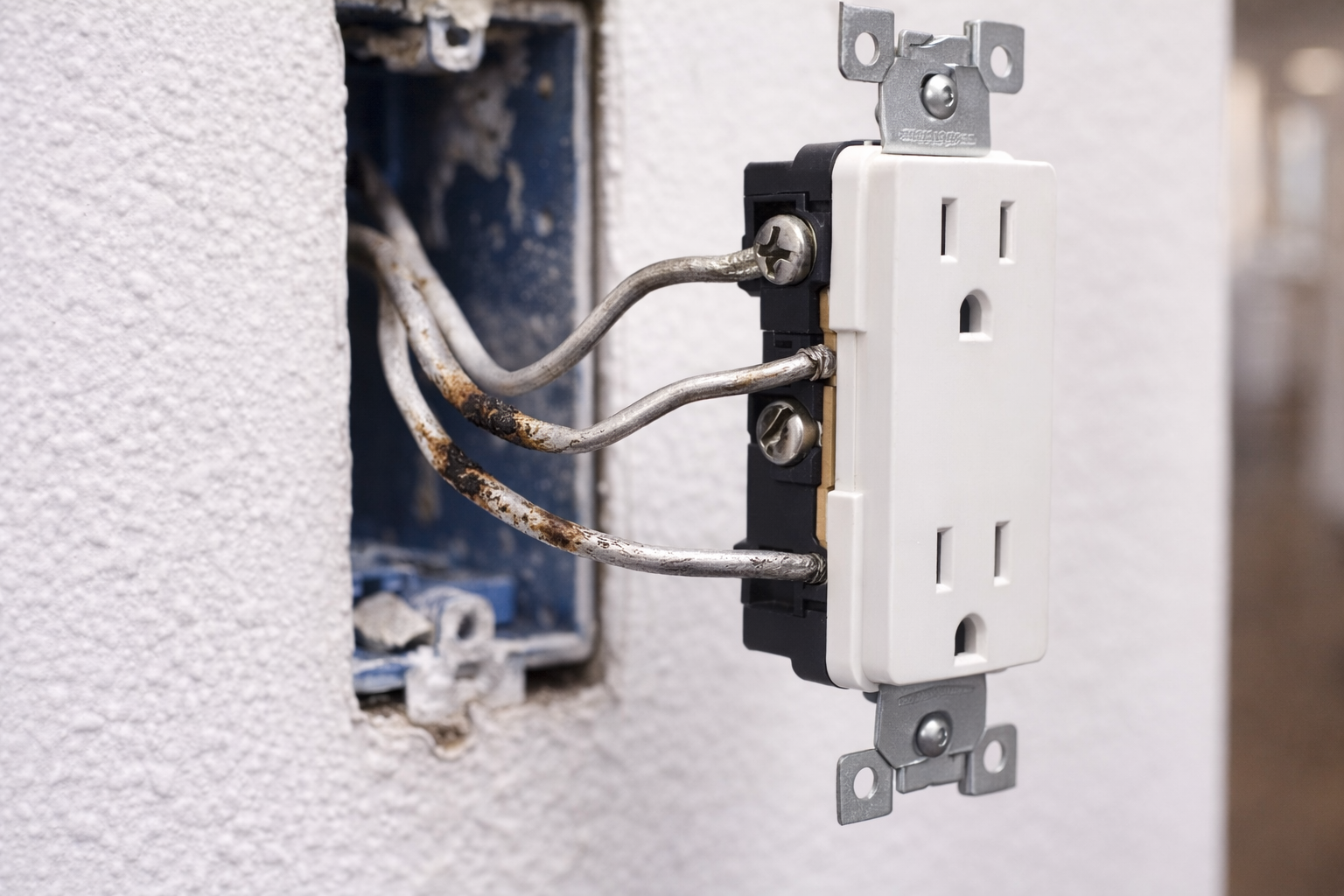
A receptacle that no longer holds a plug securely, a switch that buzzes, or an outlet that feels unusually warm may indicate deteriorating connections or damaged electrical components.
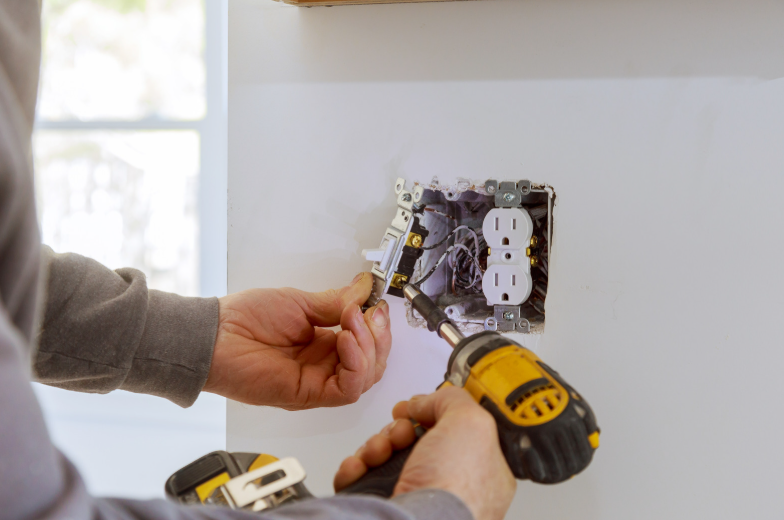
Loose electrical connections can create resistance, overheating, and arcing, potentially increasing the risk of an electrical fire.
And unlike some other maintenance issues, electrical problems don't necessarily provide weeks or months of warning before becoming dangerous.
If you notice unusual warmth, buzzing, burning odours, discolouration, or intermittent electrical operation, stop using the affected device and arrange for an assessment by a licensed electrician.
Electrical warning signs are never something to put on the someday list.
Want to Know How to Keep Your Home's Electrical System Safe?
Many electrical problems develop gradually, and the warning signs aren't always obvious. Regular visual checks and knowing what to watch for can help you recognize potential hazards before they become serious.
For more practical advice, read our How to Check and Maintain Your Home's Electrical System. It covers common electrical warning signs, basic safety checks homeowners can perform, and when it's time to call a Licensed Electrical Contractor.
4. Bathroom Exhaust Fans That No Longer Work Properly
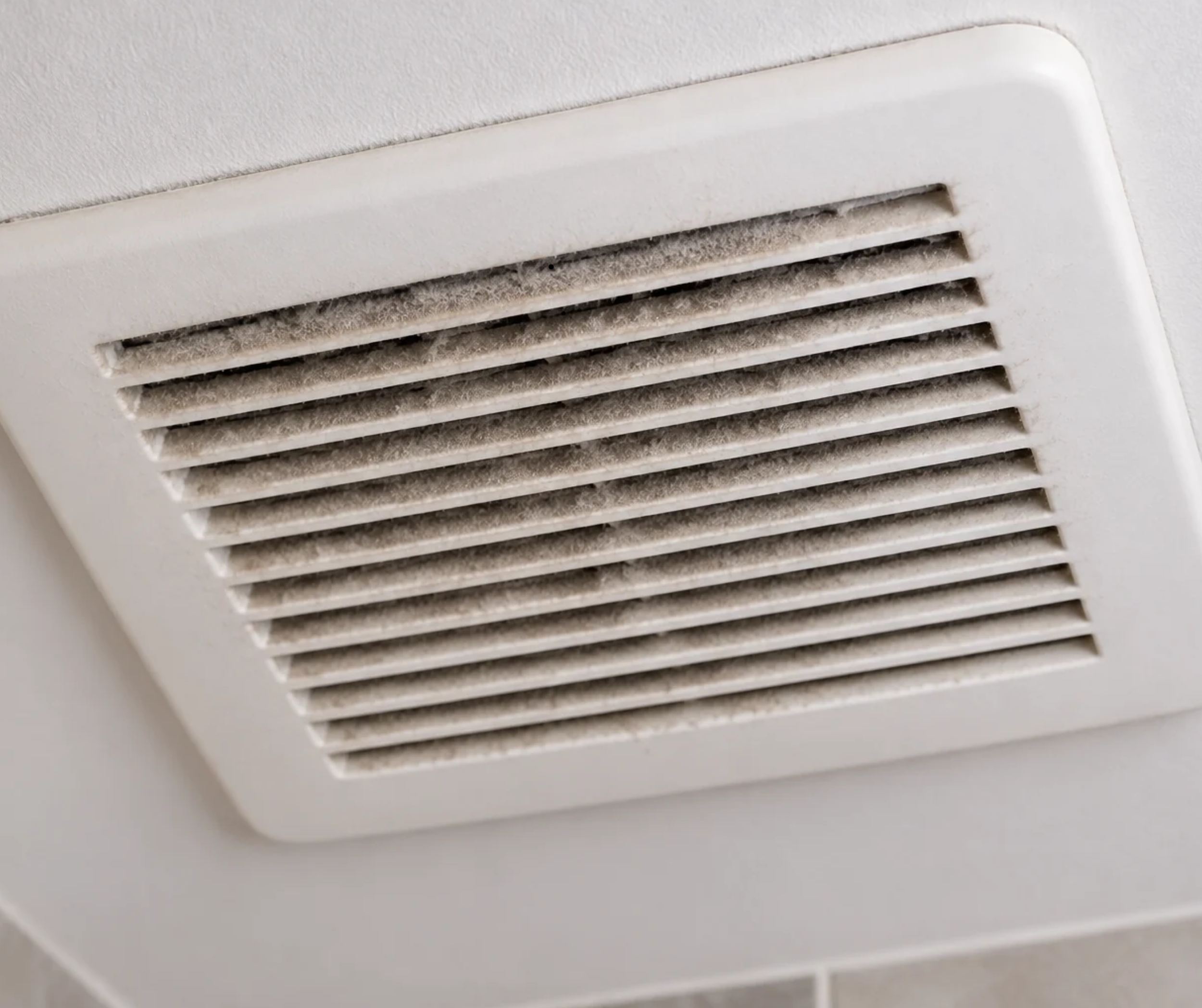
Bathroom ventilation is one of those things homeowners often take for granted.
The fan makes noise when you turn it on, so it must be working, right?
Not necessarily.
An aging fan may no longer be moving sufficient air. It could be clogged with dust, have a failing motor, or be connected to ductwork that isn't functioning properly.
When excessive humidity remains trapped in a bathroom, moisture can accumulate on walls, ceilings, and other surfaces.
Over time, that can contribute to peeling paint, deteriorating finishes, and mould growth.
If your bathroom mirror remains fogged for an unusually long time after showering, moisture regularly collects on the walls, or you're noticing recurring mildew, your ventilation may need attention.
Sometimes the solution is as simple as cleaning the fan. Other times, the unit may need repair or replacement.
Either way, addressing poor ventilation is generally much easier than repairing widespread moisture damage.
In our article, Is Your Bathroom Exhaust Fan Working Efficiently?, we explain the easy toilet paper test, common warning signs of poor ventilation, and when your exhaust fan may need cleaning, servicing, or replacing.
5. Water Stains That Keep Reappearing
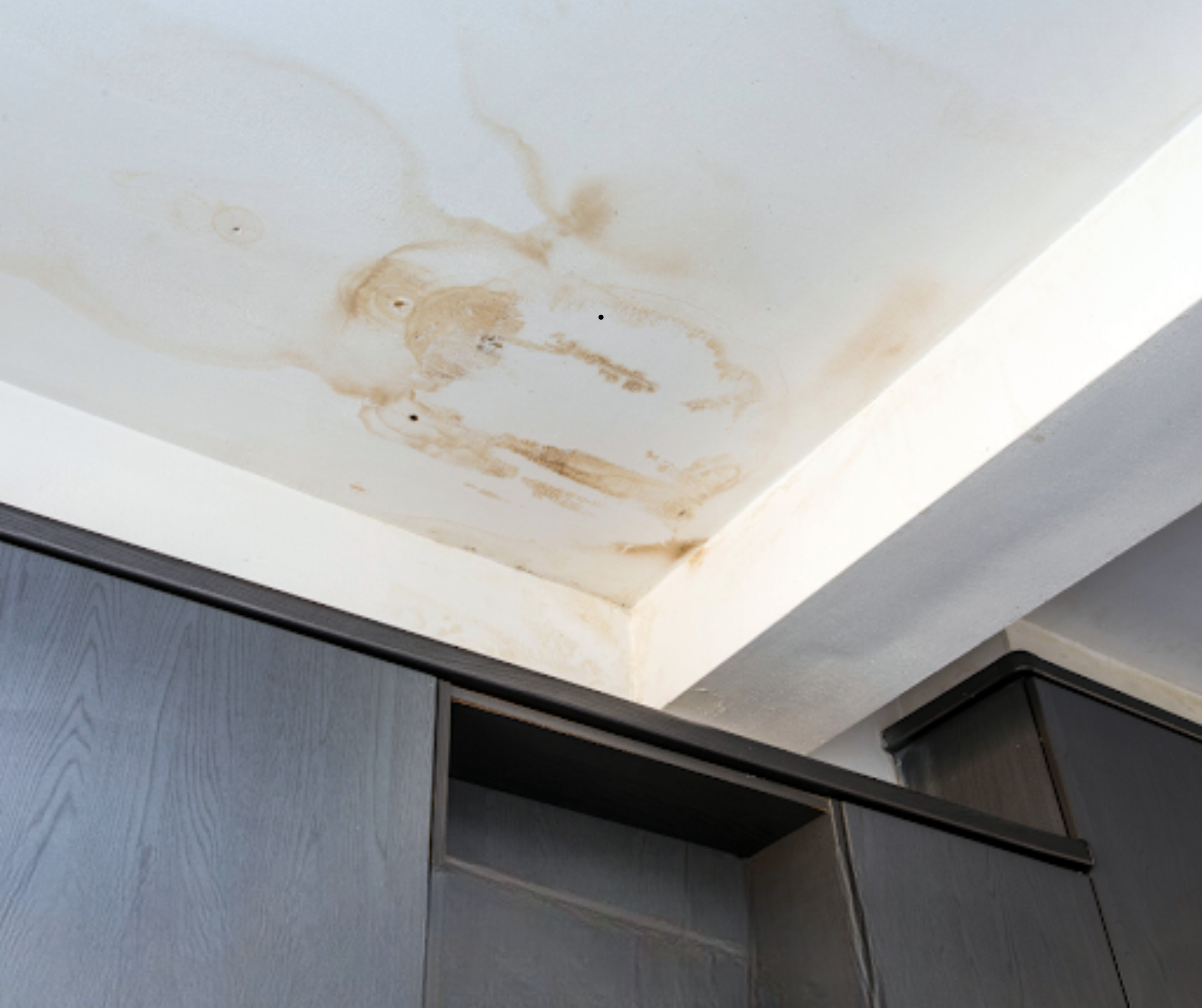
Have you ever noticed a small brown stain on a ceiling or wall and thought, "I'll just paint over that"?
Unfortunately, a coat of paint doesn't solve a moisture problem.
Water stains can indicate anything from a past, already-resolved leak to an active plumbing or moisture issue hidden behind the finished surface.
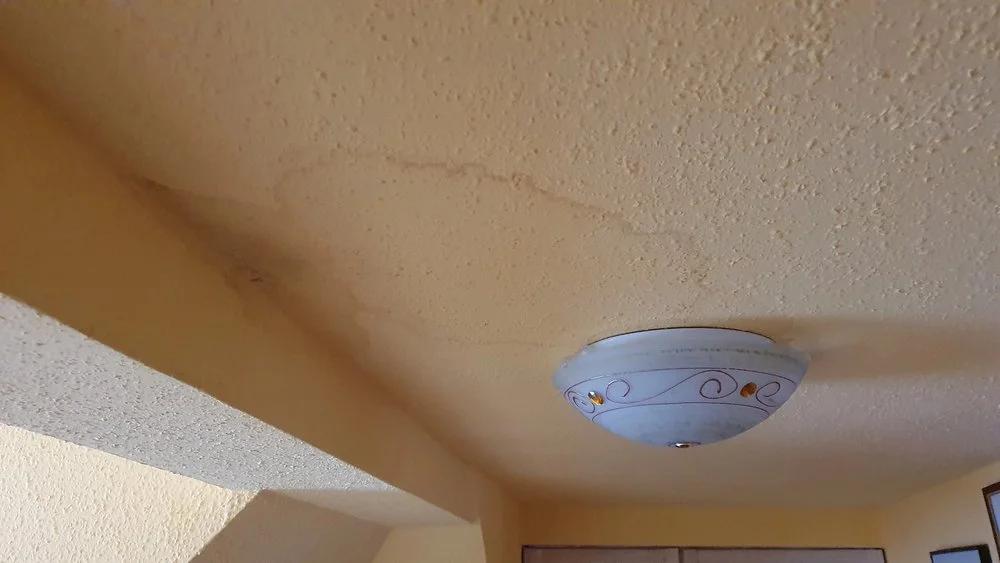
If the source hasn't been corrected, moisture may continue damaging drywall, insulation, wood framing, or other building materials.
And by the time the stain becomes noticeably larger, the damage behind the wall or ceiling may be considerably more extensive.
Before repairing or repainting stained drywall, it's important to determine where the moisture originated and whether the area is completely dry.
Sometimes the repair is relatively straightforward. Other times, opening a small section of drywall reveals a problem that would otherwise have remained hidden.
The important thing is not to assume that because the stain is small, the problem behind it must be small, too.
Not sure whether that stain is something to worry about? Our article, How to Spot Water Damage Early (Before It Turns Into a Bigger Problem), explains the warning signs homeowners often overlook and what to do when they discover them.
What About Those Little Plumbing Leaks?
We couldn't talk about neglected home maintenance without mentioning plumbing.
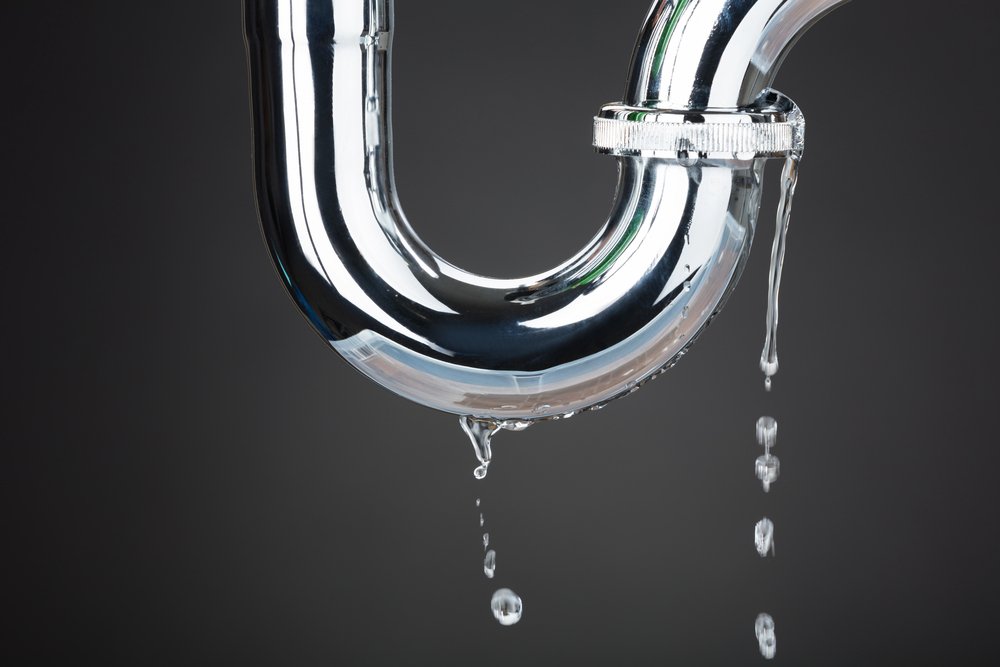
A slow drip beneath a sink, a leaking supply connection, or a faucet that never completely shuts off might seem more annoying than serious.
But even small leaks can waste water and cause damage over time, particularly when they occur inside cabinets, walls, or other concealed spaces.
We've covered several of these common problems, including the warning signs homeowners should watch for, in our article 5 Small Plumbing Leaks That Can Lead to Big Repair Bills.
If you've noticed a persistent drip, unexplained moisture, or a plumbing fixture that isn't working as it should, that article is a great place to start.
Why Do We Put Off Small Home Repairs?

If you've been reading through this list and mentally adding things to your own to-do list, you're certainly not alone.
Even those of us who work in home renovations and repairs are guilty of putting things off!
Sometimes it's because the problem seems insignificant. Other times, we're busy, we don't have the right tools, or we're reluctant to call a contractor for something that seems too small to justify a service visit.
And sometimes, as with our original door handles, we simply don't recognize that what appears to be a minor inconvenience is actually a warning sign.
The trouble is that small problems rarely become more convenient to repair with time.
Some remain minor for years. Others deteriorate gradually. And occasionally, one becomes an emergency at the worst possible moment.
The key is learning to recognize which issues deserve attention before they escalate.
A Simple Monthly Home Check Can Make a Big Difference
You don't need to be a contractor to recognize many of the early warning signs of household maintenance problems.
Spending just 30 minutes each month checking a few important areas of your home can help you identify concerns before they turn into expensive repairs.
Look for changes in caulking, signs of moisture, unusual electrical behaviour, loose fixtures, and doors or windows that no longer operate as they should.
We've actually put together a practical guide to help homeowners do exactly that.
Read our 30-Minute Monthly Home Safety Check That Could Save You Thousands for a simple routine you can follow around your home.
Small Repairs Today Can Prevent Big Problems Tomorrow
If there's one lesson we've learned from years of working in people's homes, it's that the size of a maintenance problem doesn't always reflect the size of the trouble it can cause.
A small foundation crack can contribute to extensive water damage. A worn-out door handle can leave someone trapped in a room. A loose toilet can damage the floor beneath it. And a faulty electrical connection can become a serious safety hazard.
Of course, not every minor issue will turn into a major expense.
But knowing when to address a problem can make all the difference.
At Multi-Trade Building Services, we don't just take on major renovations. We also help homeowners with the smaller repairs and maintenance projects that keep their homes safe, comfortable, and functioning properly.
Whether it's replacing worn door hardware, repairing deteriorated caulking, investigating a plumbing concern, addressing an electrical problem, or tackling several maintenance jobs that have been waiting on your to-do list, we're happy to help.
Because sometimes the best way to avoid a big repair is to take care of the little one first.
Have a few small repairs around your home that you've been meaning to get done? Contact Multi-Trade Building Services. We love the small jobs, too!

Thinking about renovating your home? Whether you're planning a kitchen makeover, updating a bathroom, or tackling a larger renovation, there's plenty to consider before getting started. Explore our helpful articles for practical tips, inspiration, and expert advice to help you make informed decisions and create a home you'll love.
















It's easy to overlook a small foundation crack, a stubborn door handle, or a little plumbing leak. But sometimes, those seemingly minor problems can turn into expensive repairs or unexpected emergencies. Through real-life stories and practical advice, we share common home maintenance issues you shouldn't ignore—and why taking care of the little things now could save you thousands later.